Source Portable Side Hanging Millet Thresher for Rice, Wheat, and Soybean
Find and compare 30 Portable Side Hanging Millet Thresher models for agricultural use. Options include diesel and electric power sources with capacities ranging from 200 to 1500 kg/h. Evaluate specifications like weight, voltage, and threshing rates to select the right machine for rice, wheat, or soybean processing.
Key considerations
Products List


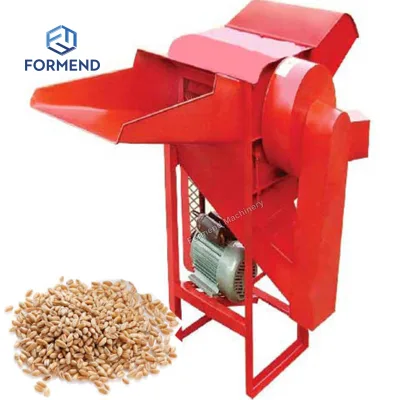
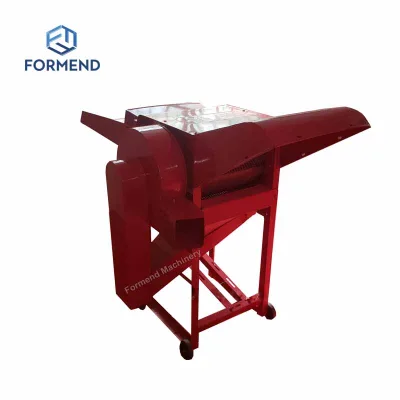
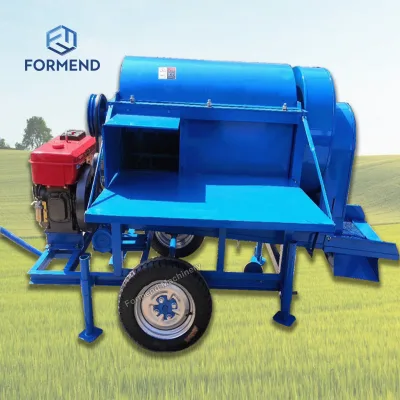
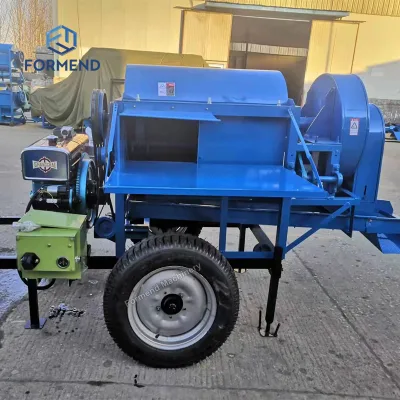
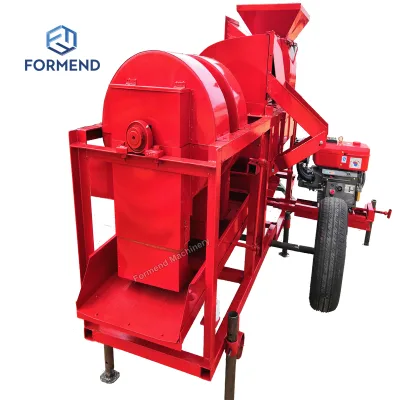
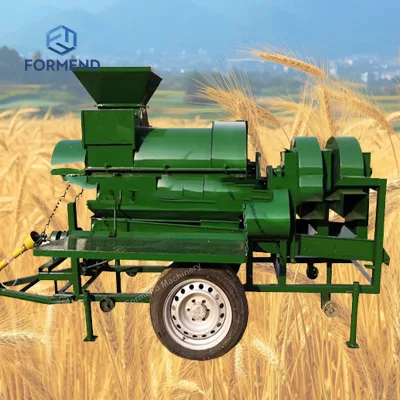

Home Use Corn Husker and Sheller Portable Corn Thresher
$25.00 - $27.00
MOQ: 10 Pieces
Hunan Dongfanghong Electromechanical Manufacturing Co., Ltd.


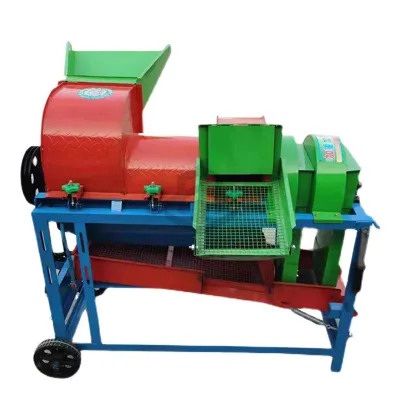
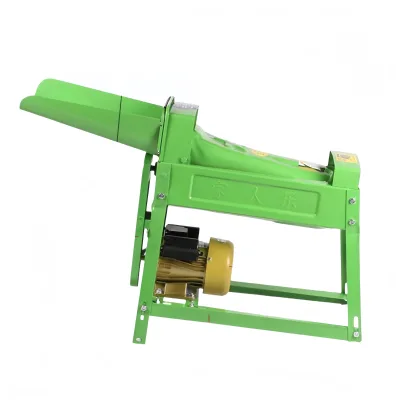


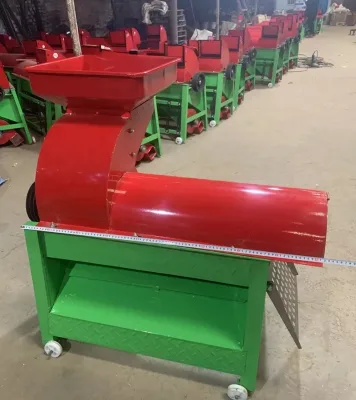
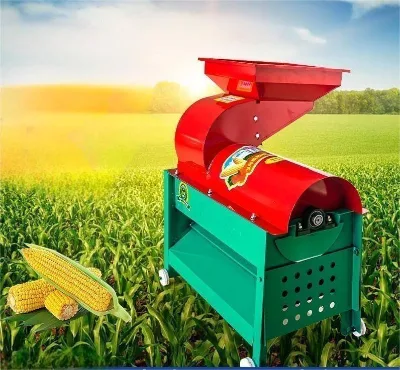

Anon Hot Selling Portable Multi Crop Thresher Paddy Rice Millet Thresher in Japan
$99.00 - $199.00
MOQ: 10 Pieces
Comprehensive Sourcing Guide
Portable Side Hanging Millet Thresher Sourcing Guide
Procuring a Portable Side Hanging Millet Thresher requires careful alignment with specific agricultural needs, as these units are designed for efficient grain separation in field conditions. The observed market data indicates a strong presence of diesel-powered models with gear drives, which are essential for maintaining consistent performance in remote farming areas without reliable electricity. Buyers must prioritize machines that explicitly support the "Side Hanging Type" configuration to ensure compatibility with various tractor implements and to facilitate easy transport between different crop fields.
When evaluating listings, it is critical to distinguish between general grain threshers and those specifically optimized for millet, as the harvesting method and threshing rate vary significantly by crop type. The available product facts highlight a threshing rate exceeding 98% for certain models, a metric that directly impacts the economic viability of the harvest by minimizing grain loss. Sourcing guides must emphasize verifying that the machine's application field matches the intended crop, ensuring the equipment can handle the specific physical properties of millet stalks and grains without clogging or excessive wear.
Product Scope and Observed Listing Signals
The current market for portable threshers presents a diverse range of specifications, with observed power sources ranging from 2.2kW to 15kW diesel engines, reflecting the varying power requirements of different farm sizes. Listings frequently indicate a weight range between 85kg and 260kg, which influences the portability and the specific mounting requirements for side-hanging installations. Buyers should scrutinize the listed capacity, which spans from 200kg/h to over 4000kg/h, to ensure the selected unit matches the throughput demands of their specific harvesting schedule and labor availability.
Observations of product attributes reveal that while many units are labeled as "New," the transmission types vary between hard shaft and soft shaft configurations, a distinction that affects maintenance frequency and operational durability. The packaging standard is consistently noted as wood, suggesting a need for robust logistics planning to prevent damage during transit. Procurement teams must verify that the listed model numbers, such as the Ws5td series, correspond to the specific mechanical design required for millet, as generic grain threshers may not offer the necessary vibration fall or picking methods optimized for this crop.
Technical Specifications to Verify
Technical due diligence must focus on the engine power and drive type, as the observed data shows a prevalence of diesel engines paired with gear drives for reliable torque delivery. Buyers should confirm that the motor specifications, such as the 2.2kW or 15kW options, align with the tractor's PTO output to prevent mechanical failure during operation. It is equally important to verify the rolling speed, which is observed in the range of 900-1000r/Min for certain models, as this parameter directly influences the efficiency of the threshing process and the quality of the separated grain.
Dimensional accuracy is another critical verification point, with observed product standards ranging from compact 5504001000mm units to larger 15009001200mm frames. The physical footprint of the machine must be compatible with the side-hanging mounting system of the user's tractor, ensuring that the center of gravity remains stable during operation. Additionally, the weight of the unit, which can range from 85kg to 260kg, must be factored into the structural integrity requirements of the mounting bracket to prevent detachment or structural stress on the tractor during high-load threshing operations.
Compliance and Safety Documentation
Safety compliance for agricultural machinery often involves verifying that the equipment meets local mechanical safety standards, though specific certification documents are not universally listed in the provided product facts. Buyers should request detailed safety manuals that outline the operational procedures for high-speed rotating components, particularly given the high threshing rates and engine powers observed in the market. Ensuring that the machine includes necessary guards and emergency stop mechanisms is essential to protect operators from the inherent risks of working with powerful diesel engines and rotating threshing drums.
Documentation regarding the origin of the machine, such as the noted production location in Zhengzhou, can be a proxy for supply chain transparency and after-sales support availability. Procurement teams should verify that the supplier provides clear instructions for maintenance and troubleshooting, as the complexity of gear drives and diesel engines requires specialized knowledge for long-term reliability. It is also prudent to confirm that the product packaging and labeling comply with international shipping regulations, ensuring that the wooden crates used for transport do not violate phytosanitary or import restrictions in the destination country.
Cost Drivers and Commercial Terms
The cost of a Portable Side Hanging Millet Thresher is heavily influenced by the power source and engine capacity, with diesel engines ranging from 4HP to 20HP creating a significant price variance. Buyers should anticipate that higher capacity models, capable of processing up to 4000kg/h, will command a premium over smaller units designed for 200-300kg/h throughput. The material composition, including the weight of the steel frame and the quality of the transmission components, also plays a substantial role in the final pricing structure, necessitating a clear understanding of the value proposition for each price point.
Commercial terms such as the minimum order quantity (MOQ) and lead times are critical factors in the procurement process, with observed MOQs ranging from 1 to 10 units. Buyers must clarify whether the listed prices include the wooden packaging and shipping costs, as these can add significant expenses to the total landed cost. Negotiating payment terms and delivery schedules is essential, especially when sourcing from specific manufacturing hubs like Zhengzhou, to ensure that the equipment arrives in time for the critical harvesting window and that the financial terms align with the buyer's cash flow constraints.
Supplier Qualification and Quality Control
Supplier qualification should prioritize manufacturers with a proven track record in producing portable harvesters, as evidenced by the variety of models and specifications available in the market. Buyers should verify the supplier's ability to provide customization options, as the observed data indicates that customization is available for certain product attributes. This flexibility allows buyers to tailor the machine to specific crop requirements, such as adjusting the threshing rate or modifying the mounting interface for different tractor models.
Quality control measures must be rigorous, focusing on the consistency of the threshing rate and the durability of the transmission system. Buyers should request sample test results or performance data to confirm that the machine consistently achieves the advertised threshing rates of over 98%. Additionally, verifying the supplier's after-sales support network is crucial, as the mechanical nature of these machines requires timely access to spare parts and technical expertise to minimize downtime during the harvest season.
Long-Term Procurement Checks
Long-term procurement success depends on establishing a reliable supply chain for spare parts and maintenance services, ensuring that the machine remains operational throughout its lifecycle. Buyers should verify the availability of critical components such as gears, belts, and engine parts, as the high-speed operation of the threshing drum can lead to accelerated wear. Establishing a relationship with a supplier who can provide these parts promptly is essential to prevent costly interruptions during the harvest season.
Regular performance audits and maintenance scheduling are necessary to maintain the efficiency of the portable thresher over time. Buyers should implement a system to track the machine's capacity and threshing rate, comparing actual performance against the initial specifications to identify any degradation in performance. By maintaining detailed records of usage and maintenance, procurement teams can make informed decisions about when to replace or upgrade equipment, ensuring that the investment continues to deliver value in the long term.
FAQs
What is the capacity of the Portable Side Hanging Millet Thresher?
The capacity ranges from 200 to 300 kg per hour for the smaller bean thresher model. Larger models offer higher throughput, with capacities reaching up to 1500 kg per hour. This variation allows buyers to select equipment that matches their specific processing volume requirements efficiently.
Can the Portable Side Hanging Millet Thresher be customized?
Yes, customization is available for these machines. Buyers can request specific modifications to meet unique operational needs. This flexibility ensures that the equipment can be adapted to different agricultural contexts, providing a tailored solution for various threshing applications and field conditions.
What power source does the Portable Side Hanging Millet Thresher use?
Most models utilize a diesel engine for power. Options include 2.2 kW or 15 kW diesel engines depending on the model. Some variants may use electric or gasoline power sources. This variety ensures reliable operation in remote agricultural areas where grid electricity might not be available.
How much does the Portable Side Hanging Millet Thresher weigh?
Weights vary significantly by model, ranging from 85 kg to 260 kg. The lighter models are designed for easy portability, while heavier units offer greater stability and capacity. This weight range allows farmers to choose a machine that balances mobility with processing power effectively.
What is the threshing rate for this Portable Side Hanging Millet Thresher?
The threshing rate is typically greater than 98%. This high efficiency ensures minimal grain loss during the harvesting process. Such performance standards help maximize yield and reduce waste, making the equipment highly effective for commercial and small-scale agricultural operations alike.
Which applications are suitable for the Portable Side Hanging Millet Thresher?
These machines are suitable for rice, wheat, soybean, corn, and straw. They are designed for versatile agricultural use across different crop types. This adaptability makes them valuable tools for farmers who handle multiple crop varieties, ensuring efficient processing regardless of the specific grain being harvested.