Source Mobile Toilet Units for Villas, Parks, and Events
Explore 30 Mobile Toilet options featuring fiberglass construction, water-saving flush systems, and customizable configurations. Buyers can compare specifications for villa communities, urban streets, and tourist attractions to find the ideal portable restroom solution; compare the available evidence and request quotations based on your requirements.
Key considerations
Products List

Mobile Toilet Container Mobile Toilet
$4000.00 - $6000.00
MOQ: 1 Pieces
Hummingbird Intelligent Manufacturing (Weifang) Intelligent Technology Co., Ltd.


Plastic Mobile Toiletsprefab Mobile Toiletportable Toilets Mobile Plastic
$8540.00 - $10000.00
MOQ: 1 Pieces

Mobile Toilet with Wheelsvip Mobile Toilets Salevip Mobile Toilet Trailer Luxury
$8540.00 - $10000.00
MOQ: 1 Pieces

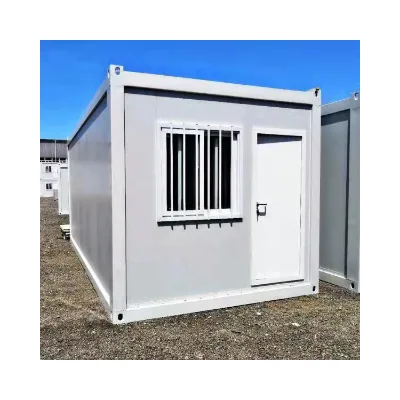
Newest Portable Toilet With Water Tank Waste Tank Public Simple Mobile Toilet Room
$771.00 - $1507.00
MOQ: 1 Minimum


Hot Sale Toilet Bathroom Trailer Event Mobile Toilet on Trailer for Toilette
$5280.00 - $10985.00
MOQ: 1 Pieces


Container Toilet/Portable Toilet/Mobile Toilet
$250.00 - $300.00
MOQ: 20 Sets
Guangdong Wellcamp Steel Structure & Modular Housing Co., Ltd.

Economic Site Toilets Portable Toilet Movable Toilet
$250.00 - $300.00
MOQ: 20 Sets
Guangdong Wellcamp Steel Structure & Modular Housing Co., Ltd.
Comprehensive Sourcing Guide
Mobile Toilet Sourcing Guide
Procurement of Mobile Toilet units requires distinguishing between specialized sanitation trailers and modular container homes that serve dual purposes. The observed market features distinct product lines, including fiberglass-reinforced trailers designed for temporary events and flat-pack container structures intended for semi-permanent accommodation. Buyers must carefully align their specific operational needs with the correct product category, as a unit optimized for high-traffic tourist attractions may differ significantly in structural integrity from a model designed for construction site housing.
Verification of the intended application is the first critical step in defining the procurement scope. Listings indicate these units serve diverse environments ranging from urban streets and station docks to villa communities and park greenery. Understanding whether the primary requirement is a portable restroom solution for short-term events or a durable, insulated living space for long-term deployment will dictate the necessary material specifications and structural configurations. This distinction ensures that the selected unit meets the functional demands of the specific site without unnecessary over-engineering or under-specification.
Product Scope and Observed Listing Signals
The market presents a wide range of configurations, from single-axle trailers with specific tire dimensions to larger flat-pack container units. Buyers should note that observed listings include models with customized colors and various structural styles, such as composite units or steel frame structures. The presence of specific features like pedal toilets, supplemental lighting, and mirrors suggests a focus on user comfort and operational convenience in high-traffic scenarios. However, the variation in product names, ranging from "Portable Toilet Trailer" to "Modular Container Home," indicates that a single listing may not represent a uniform product line across all suppliers.
Material composition is a key signal for durability and suitability. Observed data highlights the use of fiberglass sandwich panels, stainless steel tanks, and steel frames, which are critical for longevity in harsh environments. Some listings also mention EPS insulation and wooden components, suggesting a broader scope that includes habitable spaces rather than just sanitation facilities. Buyers must scrutinize the specific material list for each unit to ensure it matches the environmental conditions of the deployment site, particularly regarding weather resistance and thermal insulation requirements.
Technical Specifications to Verify
Tank capacity and sewage treatment methods are paramount for operational efficiency and regulatory compliance. The observed specifications include fresh water tanks of 450 liters and waste water tanks of 750 liters, constructed from stainless steel to prevent corrosion. Buyers must verify the sewage treatment method, as listings indicate both ordinary water flush and water-saving flush types. Selecting the appropriate system depends on the available water supply and the frequency of waste removal, ensuring the unit can operate effectively without frequent maintenance interruptions.
Structural dimensions and axle configurations directly impact transportability and site placement. Units are observed with specific dimensions such as 2200x1500x2450mm and tire sizes of 2 x 195/70 R15, which are essential for logistics planning. The axle type, often a single torsion axle with brakes, must be verified to ensure it meets local road regulations for towing. Additionally, the wall thickness and panel composition, such as 40mm fiberglass sandwich panels, determine the unit's insulation properties and structural strength against wind and impact forces.
Compliance and Safety Documentation
Safety and regulatory adherence are non-negotiable when deploying mobile sanitation units in public or commercial spaces. Buyers should request documentation confirming that the electrical systems, including supplemental lighting and mirrors, meet local safety standards for mobile equipment. While specific certification names are not universally listed, the presence of features like brakes on the axle and robust structural frames implies a baseline of mechanical safety that must be validated against the destination country's transportation and safety codes.
Environmental compliance regarding waste management is another critical area requiring verification. The sewage treatment methods, whether ordinary or water-saving, must align with local environmental regulations regarding wastewater discharge and containment. Buyers should ensure that the stainless steel tanks and sealing mechanisms prevent leakage, as this is a primary concern for public health and environmental protection. Documentation proving the integrity of the waste containment system is essential for obtaining necessary permits for operation in sensitive areas like tourist attractions or urban streets.
Cost Drivers and Commercial Terms
Pricing in this sector is heavily influenced by the complexity of the unit, including material choices and customization levels. The observed price range spans from approximately 199 to 10,985 USD, reflecting the difference between basic portable units and fully equipped luxury restroom trailers. Factors such as the inclusion of custom colors, specific tank capacities, and advanced features like video technical support or online assistance contribute significantly to the final cost. Buyers must balance their budget constraints with the required level of comfort and functionality for their specific application.
Commercial terms regarding delivery and minimum order quantities (MOQ) vary widely among suppliers. Listings indicate MOQs ranging from 1 to 50 units, offering flexibility for both single-unit purchases and larger fleet deployments. Delivery times are observed to range from 1 to 30 days, which can impact project timelines significantly. Buyers should clarify whether the quoted price includes sea transportation and container shipment, as these logistics costs can vary based on the destination and the specific packing method, such as wooden cases or flat-pack configurations.
Supplier Qualification and Quality Control
Supplier reliability is often indicated by the availability of after-sales support and warranty terms. The observed market includes suppliers offering video technical support, online assistance, and a standard one-year warranty, which are vital for maintaining operational continuity. Buyers should verify the scope of these support services to ensure they cover potential mechanical failures or technical issues that may arise during the unit's lifecycle. A robust after-sales service framework is essential for minimizing downtime in critical applications like construction sites or emergency response scenarios.
Quality control processes should be validated through the supplier's manufacturing standards and material sourcing practices. Listings mention origins in China, specifically Henan, and the use of materials like fiberglass, steel, and EPS, which require strict quality checks to ensure consistency. Buyers should request evidence of the manufacturing process, particularly regarding the assembly of the steel frame structure and the sealing of the sandwich panels. Verifying that the supplier adheres to consistent production standards helps mitigate risks associated with structural failures or premature wear in the field.
Long-Term Procurement Checks
Sustainability and maintenance requirements are key considerations for long-term procurement strategies. Units with water-saving flush types and durable stainless steel tanks offer better long-term value by reducing water consumption and minimizing corrosion-related repairs. Buyers should assess the ease of maintenance for components like the pedal toilet and lighting systems, ensuring that spare parts are readily available. A proactive maintenance plan based on the specific design style, such as the economic and practical type, can extend the operational life of the unit significantly.
Scalability and adaptability are crucial for organizations planning to expand their mobile sanitation infrastructure. The availability of customization options, including additional quotes for specific configurations, allows buyers to tailor units to evolving needs. Buyers should evaluate whether the supplier can accommodate future upgrades or modifications, such as adding more tanks or changing the structural style. Ensuring that the procurement strategy supports long-term growth and flexibility will prevent the need for premature replacement and optimize the total cost of ownership over the asset's lifespan.
FAQs
What customization options are available for the Mobile Toilet trailer?
Customization is available for color and configurations to meet specific needs. Buyers can request additional quotes for tailored setups. The product supports customized colors and various configurations, ensuring flexibility for different application fields like villas or construction sites.
How is the sewage treated in this portable toilet trailer?
The system utilizes ordinary water flush and water-saving flush methods for effective sewage treatment. These methods ensure efficient waste management within the trailer. The design focuses on practicality while maintaining hygiene standards for mobile applications.
Which materials are used for the wall construction of the trailer?
The walls are constructed using 40mm fiberglass sandwich panels for durability. The main material includes fiberglass, steel, and other composite elements. This construction ensures the unit is robust, portable, and suitable for various outdoor environments.
Can the Mobile Toilet be transported via sea container shipment?
Yes, the product supports sea transportation and container shipment for logistics. The standard packaging includes wooden cases or container formats. This ensures safe delivery to international destinations while maintaining the structural integrity of the unit.
What is the warranty period for the Mobile Toilet trailer?
The product comes with a one-year warranty covering technical support. Buyers receive online support and video assistance for maintenance. This warranty ensures reliability and provides peace of mind for long-term usage in various settings.
How fast can the Mobile Toilet trailer be delivered after order?
Delivery time ranges from one to thirty days depending on order specifics. The lead time allows for efficient planning and deployment. This flexibility supports urgent needs for events or construction sites requiring immediate sanitation solutions.
What is the capacity of the fresh water tank in the unit?
The fresh water tank has a capacity of 450 liters made of stainless steel. This ensures sufficient water supply for extended use without frequent refills. The tank design prioritizes hygiene and durability for mobile restroom applications.