Source Modern Alabaster Stone Chandelier for hotels, living rooms, and residential spaces
Explore 30 listings of Modern Alabaster Stone Chandelier options suitable for hotels, living rooms, and residential applications. Buyers can compare specifications including voltage, dimensions, and warranty periods from verified suppliers.
Key considerations
Products List


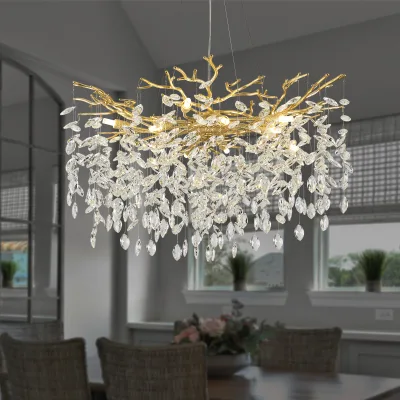
Copper Natural Alabaster Chandelier Living Room and Bedroom Simple Round Chandelier
$500.00 - $10000.00
MOQ: 1 Pieces



Comprehensive Sourcing Guide
Strategic Sourcing Guide for Modern Alabaster Stone Chandeliers
The procurement of modern alabaster stone chandeliers represents a specialized intersection of aesthetic design and rigorous engineering. While the visual appeal of natural stone and contemporary lighting fixtures drives demand in high-end residential and commercial sectors, the sourcing process requires a disciplined approach to technical verification and supply chain management. Buyers must navigate a landscape where material authenticity, electrical safety, and logistical reliability are paramount. This guide outlines the critical factors for sourcing these fixtures, grounded in observed market data and industry standards, ensuring that procurement decisions are based on verifiable facts rather than speculative claims.
Technical Specifications and Material Verification
When evaluating modern alabaster stone chandeliers, the primary focus must be on the integrity of the materials and the precision of the electrical components. The core material, alabaster, is a natural stone that varies in translucency and durability. In the current market, suppliers often list alternative materials such as steel or iron for structural components, which must be clearly distinguished from the stone elements. For instance, observed product attributes indicate that structural frames are frequently manufactured from steel or iron, providing the necessary support for heavy stone components. Buyers should verify that the specific listing explicitly states the use of natural alabaster rather than synthetic substitutes if that is a requirement for the project.
Electrical specifications are equally critical. The voltage requirements for these fixtures vary significantly across different listings. Some products are designed for specific regional grids with a fixed voltage of 220V, while others offer a broader compatibility range of 90V-260V. This variability necessitates a strict review of the technical datasheet to ensure compatibility with the local power infrastructure. Furthermore, the light source technology is predominantly LED-based, with specific observations noting wattages as low as 4W for certain models. The use of high-quality LED chips, such as Epistar, is a common attribute in modern listings, contributing to energy efficiency and longevity. Buyers must confirm the specific beam angle, which can range from 60° to wider spreads, to ensure the lighting distribution meets the design intent of the space.
Compliance and Certification Standards
Navigating the regulatory landscape is a non-negotiable aspect of sourcing lighting fixtures for international trade. The market data highlights a strong emphasis on safety and environmental compliance, with CE and RoHS certifications appearing frequently in product attributes. These certifications indicate that the product meets European safety standards for electrical equipment and restricts the use of hazardous substances, respectively. However, buyers must exercise caution and verify that the certification applies to the specific model being purchased, as compliance is not always uniform across a supplier's entire catalog.
In addition to CE and RoHS, the production standards often reference specific packaging and dimensional requirements. For example, some listings specify a standard of "352525CM 1.84KG/CTN" for packaging, while others define the product standard by physical dimensions like "Diameter 60CM, Height 200CM." These standards serve as benchmarks for quality control and logistics planning. It is essential to ensure that the supplier can provide valid certification documents that are traceable to the specific batch of goods. Relying on generic certification claims without verification can lead to customs delays or rejection of goods in regulated markets. The presence of these certifications should be treated as a baseline requirement rather than a guarantee of superior performance without further testing.
Cost Drivers and Pricing Dynamics
The pricing of modern alabaster stone chandeliers is influenced by a complex array of factors, including material sourcing, labor intensity, and shipping logistics. The observed price range in the market is extensive, spanning from approximately 4.9 USD to 10,000 USD. This wide disparity reflects the difference between small, entry-level fixtures and large, custom-designed statement pieces. The lower end of the spectrum may represent smaller units or those with simplified designs, while the higher end likely encompasses customizations, larger dimensions, and premium materials.
Minimum Order Quantity (MOQ) is another significant cost driver. Market observations show MOQs ranging from 10 to 100 pieces, with specific listings citing 30 pieces as a common threshold. Suppliers with lower MOQs may charge a premium per unit to offset the administrative and production setup costs associated with smaller batches. Conversely, larger orders often benefit from economies of scale but require a higher upfront capital commitment. Buyers should also consider the impact of trade terms such as EXW, FOB, CIF, and CFR on the final landed cost. These terms dictate who bears the risk and cost of transportation, insurance, and customs duties. A lower unit price may be offset by higher shipping costs if the trade terms are not favorable. Additionally, customization options, which are frequently available, will inevitably increase the unit cost and extend the production timeline.
Typical Applications and Design Integration
Modern alabaster stone chandeliers are versatile fixtures designed to enhance a variety of interior environments. The market data indicates that these products are suitable for a wide range of applications, including hotels, living rooms, and residential spaces. The "Modern" and "Contemporary" styles observed in product attributes align with current interior design trends that favor clean lines and natural textures. The ability to customize the crystal elements and overall design allows these fixtures to be tailored to specific architectural requirements.
The irradiated area is a key performance metric for these fixtures. Listings suggest coverage areas ranging from 10-15 square meters to 30 square meters or more. This variation means that buyers must carefully calculate the lighting needs of the intended space. A fixture designed for a 10-square-meter living room may be insufficient for a grand hotel lobby requiring 30 square meters of illumination. The "With Light Source" attribute confirms that these are complete units, ready for installation, which simplifies the procurement process. However, the working time of the LED components, observed at up to 36,000 hours, suggests a long operational life that is particularly beneficial for commercial applications where maintenance access is difficult. Buyers should match the fixture's irradiated area and beam angle to the ceiling height and room dimensions to ensure optimal lighting performance.
Supplier Evaluation and Factory Capabilities
Selecting the right supplier is critical for ensuring product quality and timely delivery. The market data points to a concentration of manufacturing capabilities in specific regions, with Guangdong, China, and Zhongshan City (specifically Guzhen Town) identified as key production hubs. These locations are known for their established lighting industries, offering a dense network of suppliers and component manufacturers. When evaluating potential partners, buyers should verify the factory's location and capacity. The presence of OEM and ODM services indicates that suppliers are equipped to handle custom orders, which is often necessary for unique design requirements.
Lead times are a crucial factor in supplier selection. Observed lead times for these products range from 35 to 50 days. This timeframe accounts for production, quality control, and packaging. Buyers must factor this into their project schedules, especially for time-sensitive installations. Additionally, the warranty period is a strong indicator of supplier confidence. While some listings offer a 2-year guarantee, others provide up to 4 years. A longer warranty period may suggest higher quality control standards and better after-sales support. However, buyers should read the warranty terms carefully to understand what is covered, such as manufacturing defects versus wear and tear. Shipping methods, including express courier, air, and sea freight, should be discussed to determine the most cost-effective and reliable option for the specific destination.
Quality Control and Long-Term Procurement Considerations
Ensuring the long-term success of a lighting procurement project requires a robust quality control (QC) strategy. The variability in product attributes, such as voltage ranges and material compositions, underscores the need for rigorous inspection. Buyers should request pre-shipment inspections to verify that the delivered goods match the agreed-upon specifications, including dimensions, materials, and electrical safety. The "Export Standard" packaging observed in some listings is a positive sign, but specific packaging requirements should be clearly defined in the purchase order to prevent damage during transit.
Long-term considerations also include the availability of spare parts and the ease of maintenance. The use of standard LED chips and modular designs can facilitate future repairs. Buyers should inquire about the availability of replacement parts, particularly for the LED modules and any custom crystal elements. The "Customization" attribute suggests that unique parts may be difficult to source later, so maintaining a relationship with the original manufacturer is advisable. Furthermore, the warranty period should be viewed as a long-term commitment. A 4-year warranty, for instance, provides significant peace of mind for commercial projects, whereas a 2-year warranty might be more suitable for residential applications with lower usage intensity.
Comparative Analysis of Product Attributes
To facilitate decision-making, the following table summarizes key observed attributes across different product listings. This comparison highlights the diversity in specifications and helps buyers identify the features most relevant to their specific needs.
| Attribute Category | Observed Range / Specific Values | Procurement Consideration |
|---|---|---|
| Voltage | 220V, 90-260V, 90V-260V | Verify compatibility with local grid; 90-260V offers broader flexibility. |
| Material | Steel, Iron, Alabaster (implied) | Confirm structural material (Steel/Iron) vs. decorative stone (Alabaster). |
| Light Source | LED, E12/E14, 4W | Check wattage and chip type (e.g., Epistar) for efficiency and brightness. |
| Certification | CE, RoHS | Ensure valid certificates for the specific model and batch. |
| Warranty | 2 Years, 4 Years | Longer warranties may indicate higher quality or better supplier confidence. |
| MOQ | 10 PCS, 30 PCS, 100 PCS | Lower MOQs (10-30) allow for smaller orders but may have higher unit costs. |
| Lead Time | 35-50 Days | Critical for project scheduling; confirm exact timeline before ordering. |
| Origin | China, Guangdong, Zhongshan | Verify factory location for logistics and potential site visits. |
| Packaging | Carton, Export Standard | Ensure packaging meets shipping requirements to prevent damage. |
| Dimensions | Dia60 H200cm, 352525CM (CTN) | Match physical dimensions to the installation space constraints. |
In conclusion, sourcing modern alabaster stone chandeliers requires a meticulous approach that balances aesthetic desires with technical realities. By focusing on verified specifications, robust certifications, and clear supplier capabilities, buyers can mitigate risks and secure high-quality lighting solutions. The wide range of available options, from small residential fixtures to large commercial installations, offers flexibility, but success depends on detailed due diligence and clear communication with suppliers.
FAQs
What certifications do modern alabaster stone chandeliers typically have?
Most listings indicate CE and RoHS certifications for safety and environmental compliance. Buyers must verify that these certificates apply to the specific model and batch to ensure they meet local regulatory requirements before shipping.
How long is the lead time for manufacturing these fixtures?
The standard lead time ranges from 35 to 50 days for production and packaging. This duration accounts for material sourcing, assembly, and quality control, so buyers should factor this into their project scheduling immediately.
Can I customize the crystal elements and design of the chandelier?
Customization is available for crystal elements and overall design to meet specific architectural needs. Buyers should note that custom orders may affect the unit cost and require confirmation of the specific design requirements with the factory.
What is the minimum order quantity for purchasing these chandeliers?
The minimum order quantity varies between 10 and 30 pieces depending on the supplier. Lower MOQs allow for smaller batches but may result in higher per-unit costs compared to larger volume orders.
Where are the factories producing these modern chandeliers located?
Manufacturing is concentrated in Guangdong, China, specifically in Guzhen Town, Zhongshan City. These regions are established lighting hubs, offering a dense network of suppliers capable of handling both OEM and ODM services.
What warranty period is typically offered for these lighting fixtures?
Warranty periods range from 2 years to 4 years depending on the specific product listing. A longer warranty often indicates higher quality control standards, but buyers should review the specific terms to understand coverage limits.