Find Modern Aluminum Alloy Sun Room with Fly Screen for gardens, patios, and pools
Source 30 verified options for a Modern Aluminum Alloy Sun Room with Fly Screen designed for outdoor living. Compare specifications including thermal break frames, glazing types, and ventilation systems to find the right fit for your project.
Key considerations
Products List

Contemporary Freestanding Sunroom with Custom Color Aluminum Alloy Frame
$130.00 - $150.00
MOQ: 20 Square Meters

Modern Freestanding Sunroom with Durable Black Aluminum Alloy Frame
$130.00 - $150.00
MOQ: 20 Square Meters

Custom Aluminum Alloy Freestanding Sunroom with Elegant Black Coating
$130.00 - $150.00
MOQ: 20 Square Meters

Freestanding Sunroom in White Aluminum Alloy with Modern Design
$130.00 - $150.00
MOQ: 20 Square Meters

Freestanding Sunroom with Black Aluminum Alloy and Elegant Design
$130.00 - $150.00
MOQ: 20 Square Meters

Attached Sunroom with Aluminum Alloy Frame and Stylish Grey Finish
$130.00 - $150.00
MOQ: 20 Square Meters


Secure and Stylish Aluminum Sunroom with Custom Options Available
$101.90 - $123.90
MOQ: 2 Square Meters

Premium Custom Aluminum Sunroom with Air-Tight and Air-Proof Features
$101.90 - $123.90
MOQ: 2 Square Meters


High Performance Folding Sunroom with Excellent Thermal Insulation
$112.00 - $150.00
MOQ: 12 Square Meters

Customizable Folding Sunroom with Various Panel Configuration Options
$112.00 - $150.00
MOQ: 12 Square Meters


Corrosion Resistant Folding Sunroom Perfect for Coastal Properties
$112.00 - $150.00
MOQ: 12 Square Meters
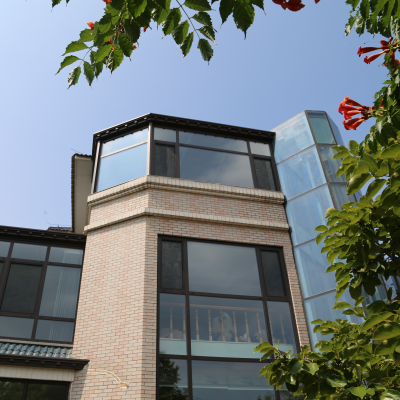

Commercial Grade Aluminum Sunroom for Middle East Luxury Villa Outdoor Leisure Space
$100.00 - $150.00
MOQ: 49 Square Meters

Balcony Collapsible Aluminum High-Quality Modern Design Sunroom
$100.00 - $150.00
MOQ: 49 Square Meters


Multi-Purpose Aluminum Frame Glass Room Entertainment Hub Sunroom
$100.00 - $150.00
MOQ: 49 Square Meters
Comprehensive Sourcing Guide
Sourcing Guide for Modern Aluminum Alloy Sun Rooms with Fly Screens
Understanding Core Technical Specifications and Material Composition
When sourcing a modern aluminum alloy sun room equipped with a fly screen, the primary focus must be on the structural integrity and material composition that define the product's longevity and performance. Based on observed market data, the frame material is predominantly Aluminum Alloy, often combined with UPVC or Wood-Aluminum Composite options depending on the specific design requirements. The structural framework typically utilizes a thermal break aluminum design, which is critical for separating the interior and exterior thermal bridges to enhance energy efficiency. This thermal break technology is a standard feature in high-performance units, ensuring that the aluminum structure maintains stability while providing necessary insulation.
The glazing system is another pivotal specification. Buyers should expect options ranging from single to triple glazing, with glass thicknesses commonly available in 5mm, 6mm, 8mm, 10mm, and 12mm increments. The standard configuration often involves an aluminum alloy frame paired with tempered glass, a combination that offers a balance of safety and durability. For the fly screen component, the material is typically Nylon, designed to be durable yet flexible enough to fit various opening patterns. The screen netting is an essential accessory for outdoor garden sun rooms, providing insect protection without compromising the view or airflow.
The surface finishing process is equally important for both aesthetics and corrosion resistance. Most suppliers offer a powder-coated finish available in standard colors such as white, black, grey, and bronze, with customization options for other colors to match architectural styles. The spraying process can be customized, allowing for specific color matching or texture requirements. The product origin is frequently noted as Foshan, Guangdong, China, or Shandong, China, regions known for their manufacturing capabilities in aluminum profiles and glass processing. Understanding these baseline specifications allows buyers to establish a clear technical baseline before engaging with potential suppliers.
Design Flexibility and Functional Attributes
Modern aluminum alloy sun rooms are defined by their adaptability to various architectural needs and user preferences. The product type can range from freestanding structures to attached sunrooms or conservatories, offering versatility for different property layouts. The design often features a combined roof sunroom configuration, which integrates the roof and wall systems into a cohesive unit. Roof designs vary significantly, including flat, gable, hipped, dome, and pyramid styles, allowing the structure to blend seamlessly with existing building aesthetics or stand as a distinct architectural feature.
Functionality extends beyond simple enclosure. These units are engineered to provide heat insulation, soundproofing, and anti-theft security. The sealing performance is a key differentiator, with options including weather stripping sealing and EPDM gasket sealing to ensure an airtight and watertight environment. This sealing capability contributes to the overall thermal insulation and noise reduction capabilities, with some units claiming soundproofing performance in the range of 30-45dB. The ventilation system is another critical functional aspect, offering top-hung windows, casement windows, or sliding windows to manage airflow and temperature control within the sun room.
Door configurations are equally diverse, with choices such as sliding doors, French doors, bi-fold doors, and single doors. The opening pattern can be horizontal, and some advanced models feature automatic opening styles, enhancing user convenience. The application scenarios are primarily outdoor, making them suitable for garden sun rooms, patios, or extensions. The style is generally modern, characterized by clean lines and minimalist aesthetics, though customization is widely available. Buyers should verify the specific project solution capabilities, which often include graphic design and 3D model design services to visualize the final product before manufacturing.
Compliance, Standards, and Certification Verification
Navigating the compliance landscape for aluminum sun rooms requires careful attention to the standards and certifications claimed by suppliers. While specific certification status like CE is often mentioned in the broader market context, buyers must treat such claims with verification rather than assumption. The provided data indicates that the standard product configuration often adheres to an "Aluminum alloy frame + tempered glass" standard, but this is a general description rather than a specific national or international certification code.
Buyers should explicitly request documentation for any safety and performance standards. The security rating of "A" is observed in some listings, but the criteria for this rating and the testing body that issued it must be clarified. Similarly, while "Customized" is listed as a standard for some models, this refers to the manufacturing flexibility rather than a regulatory compliance standard. It is crucial to distinguish between a manufacturer's internal quality standard and an externally verified certification.
In the absence of specific, verified certification numbers in the supplied facts, the procurement strategy should prioritize asking suppliers for third-party test reports regarding wind load resistance, water penetration, and thermal performance. The origin location, such as Foshan or Shandong, may have local manufacturing standards, but international buyers should ensure these align with their own country's building codes. Verification of the "tempered glass" standard is essential, as this is a critical safety requirement for overhead glazing. Buyers should not rely on the term "standard" alone but must demand proof of compliance with relevant structural and safety regulations for the specific market of deployment.
Cost Drivers and Pricing Structure Analysis
The pricing of modern aluminum alloy sun rooms is influenced by a complex interplay of factors, including material costs, customization levels, and structural complexity. The observed price range in the market is between $100 and $199, though this likely represents a per-unit or per-component metric rather than a complete installed system, given the scale of such projects. The actual cost of a full sun room will depend heavily on the square footage, the complexity of the roof design, and the specific glazing thickness selected.
Material selection is a primary cost driver. While aluminum alloy is the standard, the choice between thermal break aluminum and standard aluminum profiles will significantly impact the price. Thermal break technology adds to the manufacturing cost but provides superior thermal performance. Similarly, the glazing type is a major variable; triple glazing and thicker glass options (e.g., 12mm) will cost more than single glazing or thinner options. The inclusion of advanced features like automatic opening systems, bi-fold doors, or specialized fly screens will also increase the overall cost.
Customization is a significant factor in pricing. The availability of custom colors, specific roof designs, and tailored dimensions allows for a unique product but often incurs additional charges. The Minimum Order Quantity (MOQ) observed ranges from 1 to 49 units, which can affect the unit price. Smaller orders may carry a higher per-unit cost due to setup and production inefficiencies, whereas larger orders might benefit from economies of scale. Buyers should also consider the packaging costs, as options range from bubble wrap and sealed wrapping to wooden frames or wooden boxes, with the latter being more expensive but offering better protection during transit.
Supplier Evaluation and Quality Control Protocols
Evaluating a supplier for aluminum sun rooms requires a rigorous assessment of their production capabilities, quality control processes, and after-sales support. The product origin is frequently identified as China, specifically Foshan, Guangdong, or Shandong. Buyers should verify the supplier's physical location and production capacity to ensure they can meet delivery timelines. The presence of project solution capabilities, such as 3D model design and graphic design, indicates a supplier that can assist with the planning and visualization phases, which is a valuable service for complex installations.
Quality control should be a central part of the supplier evaluation. Buyers must inquire about the specific manufacturing processes, such as the powder coating application and the assembly of the thermal break frames. The surface finishing should be inspected for uniformity and durability. The packing method is also an indicator of care; options like wooden boxes or wooden frames suggest a higher level of protection compared to simple bubble wrap. Suppliers should be able to provide details on their internal quality assurance checks, including how they verify the integrity of the tempered glass and the sealing performance of the EPDM gaskets.
After-sales service is another critical evaluation criterion. The availability of online technical support is noted in the data, which is a positive indicator for troubleshooting installation or maintenance issues. Buyers should clarify the scope of this support, including response times and the availability of replacement parts. The "Whether to Customize" attribute being affirmative suggests that the supplier is flexible, but buyers must ensure that the customization process includes clear communication channels and defined lead times. A reliable supplier will provide a comprehensive warranty and clear guidelines for maintenance to ensure the long-term performance of the sun room.
Long-Term Procurement and Maintenance Considerations
Procuring a modern aluminum alloy sun room is a long-term investment that requires consideration of maintenance, durability, and lifecycle costs. The material choice of aluminum alloy offers inherent resistance to corrosion, but the longevity of the product depends on the quality of the surface finish and the sealing systems. The powder-coated finish, available in various colors, should be selected for its resistance to UV degradation and weathering. Regular inspection of the weather stripping and EPDM gaskets is necessary to maintain the thermal insulation and weatherproofing capabilities of the structure.
The fly screen, typically made of nylon, is a consumable component that may require replacement over time. Buyers should verify the availability of replacement screens and the ease of installation. The functional attributes, such as heat insulation and soundproofing, will degrade if the seals are compromised or if the glass is damaged. Therefore, a proactive maintenance plan is essential. The "After-sale Service" of online technical support can be leveraged for guidance on maintenance procedures and troubleshooting.
For long-term procurement, buyers should consider the scalability of the product. If the initial order is small, the supplier should be capable of fulfilling future orders with consistent quality and specifications. The "Customization" attribute suggests that the supplier can adapt to future needs, but this should be confirmed with clear documentation of the customization process. Finally, the environmental impact of the materials, particularly the aluminum and glass, should be considered. Aluminum is highly recyclable, and the use of tempered glass contributes to safety and energy efficiency, aligning with sustainable building practices. Buyers should ensure that the supplier adheres to responsible manufacturing practices and provides information on the recyclability of the components.
FAQs
What materials are used for the frame of these sun rooms?
The frame is primarily constructed from Aluminum Alloy, often featuring thermal break technology for enhanced insulation. Some models also offer UPVC or Wood-Aluminum Composite options depending on specific design needs and customization requests.
Which glazing thickness options are available for the glass?
Buyers can select from glass thicknesses of 5mm, 6mm, 8mm, 10mm, or 12mm. The standard configuration typically pairs an aluminum alloy frame with tempered glass to ensure safety and durability for overhead applications.
Can the sun room be customized for specific roof designs?
Yes, customization is available for various roof designs including flat, gable, hipped, dome, and pyramid styles. Suppliers also offer custom colors and can provide 3D model design services to visualize the final combined roof sunroom structure.
How is the product packed for shipping from China?
Packaging options include being wrapped tightly with bubble wrap or secured in wooden frames and wooden boxes. The specific method depends on the model, with some units shipped from Foshan or Shandong using wooden cases for protection.
What ventilation and door configurations are supported?
Ventilation systems include top-hung, casement, or sliding windows, while door configurations offer sliding, French, bi-fold, or single doors. Some advanced models feature automatic opening patterns to enhance user convenience and airflow management.
Are thermal insulation and noise reduction features included?
Yes, the units provide thermal insulation and noise reduction capabilities, with some models achieving soundproofing performance between 30-45dB. Sealing is ensured through weather stripping and EPDM gaskets to maintain an airtight and watertight environment.
What is the typical price range and MOQ for these units?
The observed price range is between 100 and 199 USD, though this may represent per-unit or component metrics. The Minimum Order Quantity varies from 1 to 49 units, affecting the final unit cost based on order volume.
Can the fly screen netting be customized for specific needs?
The screen netting material is typically Nylon, designed for durability and flexibility. While the base material is standard, the overall product allows for customization in color, opening patterns, and specific functional requirements like insect-proofing.