Source Satin Headband for Girls, Women, and Daily Use
Explore 30 Satin Headband listings from Chinese manufacturers suitable for girls, women, and daily occasions. Buyers can compare materials like fabric and lace, styles including crown and elastic, and prices ranging from 0.02 to 13.52 USD with flexible MOQ options.
Key considerations
Products List


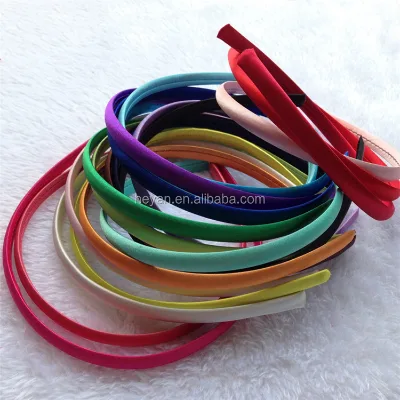
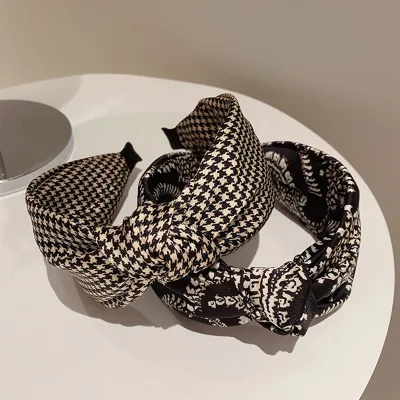
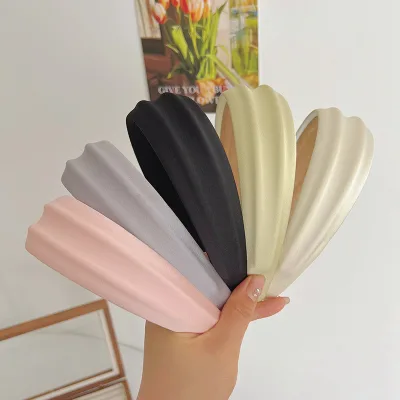
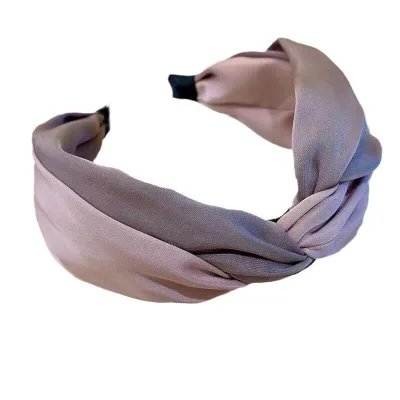
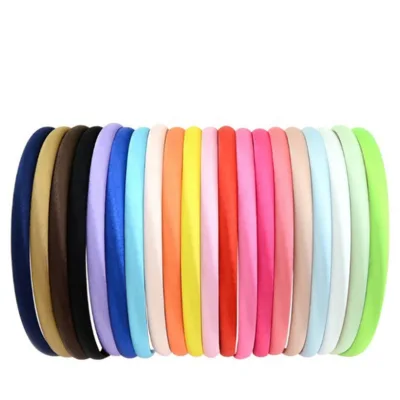
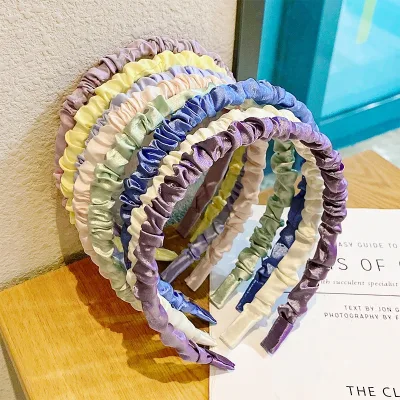
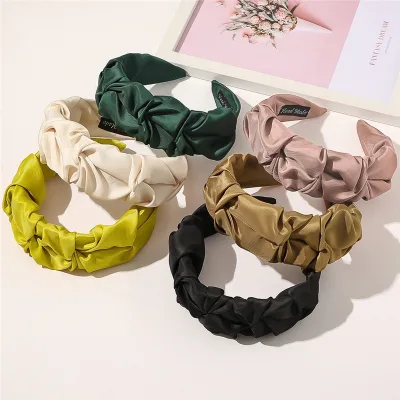


Modern Fashion Design Hair Headband Suitable for Many Occasions Headband
$0.29 - $0.40
MOQ: 3000 Pieces

Good Elasticity Comfortable Head Band No Tight Feeling When Wearing Headband
$0.32 - $0.42
MOQ: 3000 Pieces
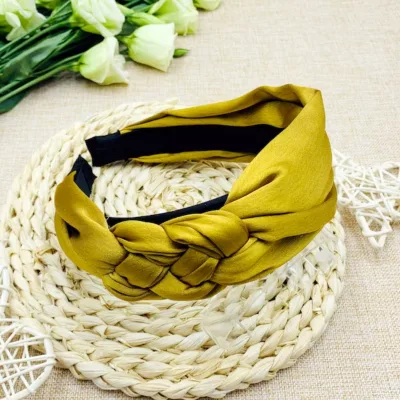




Comprehensive Sourcing Guide
Strategic Sourcing Guide for Satin Headbands
The global market for hair accessories has seen a sustained increase in demand for versatile, fashion-forward items, with satin headbands emerging as a staple product for both mass-market retailers and boutique brands. Sourcing these items requires a nuanced understanding of material composition, manufacturing capabilities, and supply chain logistics. This guide provides a comprehensive framework for buyers evaluating suppliers of satin headbands, focusing on the specific attributes observed in current market listings, including model numbers like HL003, HB-02, and NY1089, and the diverse material combinations available.
Material Composition and Product Specifications
The foundation of a high-quality Satin Headband lies in its material composition. Market observations indicate that satin headbands are rarely constructed from a single material. Instead, successful products often feature a blend of fabrics, plastics, and metal components to ensure durability and aesthetic appeal. The observed product attributes list "Fabric," "Plastic," "Metal," and "Silk" as common materials, with some listings specifically noting "Fabric and plastic" combinations. This suggests that the satin surface is often backed or reinforced with plastic for structure, while metal elements may be used for decorative accents or structural integrity in specific designs.
When evaluating specifications, buyers must look beyond the generic term "satin." The product data reveals distinct model numbers such as HL003, HB-02, H-02, and ZG-H301380, each potentially representing different construction methods or design philosophies. For instance, the model ID6253 and NY1089 are associated with specific packaging and supply capabilities. A critical specification to verify is the size standard. While some listings indicate a "Standard" size suitable for both kids and adults, others specify custom dimensions like 18x15cm or 6*100 cm. The "S/M/L/ custom" standard suggests that sizing is a primary variable in the procurement process. Buyers should confirm whether the satin width is consistent across the product line, as variations can affect the fit and comfort for the end-user.
Design Variations and Target Demographics
The design landscape for satin headbands is characterized by a wide range of styles and target demographics. The observed data highlights that these products are suitable for "Girls," "Women," and "Men," indicating a unisex or gender-neutral market potential that extends beyond traditional feminine accessories. The style attributes are equally diverse, ranging from "Cute," "Fashion," and "Sports" to "Simple," "Elastic," and "Crown." This variety allows buyers to curate collections that cater to specific consumer segments, such as athletic headbands for sports enthusiasts or elegant crown-style bands for wedding occasions.
The "Occasion" attribute further refines the product positioning. Listings explicitly mention "Daily Use" and "Wedding," suggesting that satin headbands serve both functional and ceremonial purposes. The "Season" attribute varies between "Spring & Autumn" and "Whole Year," implying that certain designs are seasonal while others are year-round staples. For example, the "Elastic" style is likely designed for active use throughout the year, whereas a "Crown" style might be more prevalent during wedding seasons. Understanding these design nuances is essential for inventory planning. Buyers should request samples that demonstrate the full range of styles, including "DIY Plain headbands" and more elaborate designs, to ensure the supplier can meet the specific aesthetic requirements of their target market.
Cost Drivers and Minimum Order Quantities
The cost structure of satin headbands is influenced by several factors, including material complexity, customization levels, and order volume. The observed price range in the market spans from $0.02 to $13.52 USD, a significant variance that reflects differences in material quality, design intricacy, and branding. Lower-priced items likely correspond to simple, mass-produced designs with standard packaging, while higher-priced items may involve custom branding, premium materials like silk, or complex assembly involving metal and lace components.
Minimum Order Quantities (MOQ) are a critical consideration for procurement strategy. The data shows an MOQ range from 2 to 3000 units. Some suppliers offer "Small Orders: Accepted," which is beneficial for startups or those testing new designs. However, other listings specify an MOQ of 2000 pieces, which is typical for bulk manufacturing to achieve economies of scale. The "Supply Type" is often listed as "Make to Order," indicating that production is triggered by the purchase order rather than held in stock. This model allows for greater customization but requires careful lead time management. Buyers must balance the need for low initial investment with the cost benefits of larger orders. When negotiating, it is important to clarify whether the MOQ applies to a single SKU or can be aggregated across multiple styles and colors.
Supplier Evaluation and Operational Capabilities
Selecting the right supplier requires a thorough evaluation of their operational capabilities and logistical strengths. The majority of observed suppliers originate from China, with specific mentions of Hangzhou and Zhejiang as key production hubs. These regions are known for their robust textile and accessory manufacturing ecosystems. A key metric for supplier evaluation is the "Supply Ability," with some manufacturers claiming a capacity of 1,000,000 pieces per month. This high capacity suggests that the supplier can handle large-scale orders and scale production quickly if demand spikes.
Lead times and sample availability are also vital. The data indicates a "Sample time" of 2-3 days, which is relatively fast and allows buyers to quickly validate product quality. The "Delivery time" for bulk orders is typically cited as 10-15 days, though this can vary based on order volume and shipping method. Buyers should verify the "Port of dispatch," with Ningbo and Shanghai being common options, as these ports offer efficient connectivity to global markets. Additionally, the "Payment" terms, such as T/T and PayPal, should be reviewed to ensure they align with the buyer's financial policies. The "Product Name" and "Product No." fields in supplier catalogs should be cross-referenced to ensure consistency in ordering and inventory management.
Quality Control and Packaging Standards
Quality control is paramount when sourcing fashion accessories, where aesthetic consistency and durability are key selling points. The observed packaging standards provide insight into the supplier's attention to detail. Common packaging methods include "1 Piece 1 Bag," "1 PC in a PP Bag," and "12pcs/oppbag." The use of PP bags (polypropylene) is standard for protecting the satin surface from dust and moisture during transit. Some listings mention "1 Piece Into 1 PP Bag or Box," indicating an option for more premium packaging that may be required for high-end retail.
Buyers must verify the "Product Standard" to ensure the headbands meet specific dimensional and structural requirements. While some standards are fixed (e.g., 18x15cm), others are "custom," requiring clear communication of specifications. The "Color" attribute is often listed as "As photos," which implies that color accuracy is dependent on the visual representation provided. To mitigate the risk of color discrepancies, buyers should request physical color swatches or standardized color codes (e.g., Pantone) before placing a bulk order. Furthermore, the "Customization" attribute being "Available" suggests that suppliers can accommodate branding requests, such as adding logos or specific tags. This capability should be tested during the sampling phase to ensure the customization process does not compromise the quality of the satin or the structural integrity of the headband.
Long-Term Procurement and Compliance Considerations
For long-term success, buyers must consider the scalability and compliance aspects of their sourcing strategy. The "Make to Order" supply type offers flexibility but requires a reliable partner who can maintain consistent quality over time. Buyers should establish a clear communication channel for updates on material availability, as fluctuations in the price of silk, plastic, or metal can impact the final cost. It is also crucial to verify that the supplier adheres to relevant safety and environmental standards, particularly for products intended for children or sensitive skin. While specific certification names are not provided in the general data, buyers should request documentation regarding the safety of the materials used, such as the absence of harmful dyes or heavy metals.
The "Brand Name" field shows entries like "Holly" and "Noya," indicating that some suppliers offer white-label or private-label services. Buyers interested in building their own brand should confirm the supplier's willingness to support branding efforts, including the application of custom labels and packaging. The "Small Orders: Accepted" attribute is a positive indicator for suppliers who are flexible and willing to work with smaller businesses, fostering a long-term partnership. Ultimately, the goal is to build a supply chain that is resilient, responsive, and capable of delivering high-quality satin headbands that meet the evolving demands of the fashion market. By carefully analyzing the specifications, materials, and operational capabilities outlined in this guide, buyers can make informed decisions that drive value and minimize risk in their procurement processes.
FAQs
What materials are used to make satin headbands?
Satin headbands are typically constructed from fabric, lace, metal, plastic, and silk. Some products also incorporate feather, ribbon, and rubber components to enhance durability and aesthetic appeal for various styles.
Can I order small quantities of satin headbands?
Yes, small orders are accepted by many suppliers, with minimum order quantities ranging from 2 to 3000 pieces. This flexibility allows buyers to test designs before committing to larger bulk purchases.
Which customization options are available for satin headbands?
Customization is available for size, branding, and packaging details. Buyers can request specific dimensions like 18x15cm or custom sizes, along with tailored packaging such as individual PP bags or boxes.
How long does it take to receive Satin Headband samples?
Sample production time is typically 2 to 3 days. This quick turnaround allows buyers to verify product quality and design details before proceeding with larger manufacturing orders.
What is the typical delivery time for bulk orders?
Bulk order delivery time is generally 10 to 15 days after production begins. This timeline applies to standard orders, though capacity and shipping method may influence the final schedule.
Where are Satin Headband manufacturers located?
Most manufacturers originate from China, with key production hubs in Hangzhou and Zhejiang. These regions offer robust textile ecosystems capable of meeting high-volume supply requirements.
What styles are available for satin headbands?
Available styles include crown, cute, elastic, fashion, sports, and simple designs. These options cater to various occasions such as daily use, weddings, and sports activities for men, women, and girls.