Source Modern Black Led Wall Lamp for Living Room, Bedroom, Hallway
Compare 30 Modern Black Led Wall Lamp options from verified suppliers. Buyers can evaluate specifications like wattage, certifications, and customization availability to find the right fixture for residential or commercial projects; compare the available evidence and request quotations based on your requirements.
Key considerations
Products List


Aluminum Black Wall Lamp Outdoor Bracket Light Modern LED Wall Sconce Lamp
$12.90 - $15.90
MOQ: 20 Pieces


Factory Wholesale Modern Style Home Decor LED Wall Lamp for Indoor Bedroom
$880.99 - $3100.99
MOQ: 5 Pieces


High Quality Decorative Wall Lamp for Hotel Home Decor Modern Wall Lamp
$112.90 - $169.80
MOQ: 10 Pieces


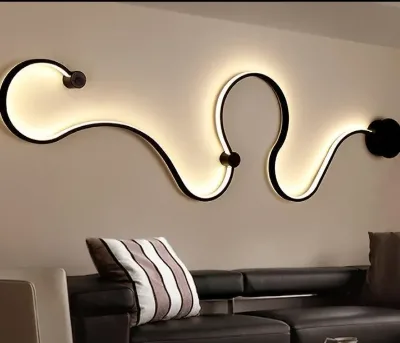


LED Wall Lamp Modern Nordic Lamp Indoor Wall Light Interior Home Decor Lighting
$31.00 - $38.00
MOQ: 2 Pieces

Comprehensive Sourcing Guide
Modern Black Led Wall Lamp Sourcing Guide
Sourcing modern black LED wall lamps requires a careful balance of aesthetic precision and technical reliability, particularly when targeting commercial or high-end residential projects. The visual appeal of a matte or glossy black finish often dictates the initial selection, but buyers must look beyond surface appearance to ensure the fixture meets functional requirements. The observed market data indicates a wide variance in pricing, ranging from approximately $3.74 to over $3,100, which suggests significant differences in material quality, brand positioning, and included features. Procurement teams should establish clear budget tiers early in the process to filter out listings that do not align with their specific project constraints.
Beyond aesthetics, the technical configuration of the light source is critical for ensuring long-term performance and energy efficiency. Many suppliers offer customizable options, allowing buyers to specify wattage, color temperature, and bulb types such as E12 or E14 bases. It is essential to verify whether the product includes the light source or if it is sold as a bare fixture, as this impacts installation complexity and total cost of ownership. Buyers should prioritize suppliers who provide transparent specifications regarding LED chip quality and driver longevity to avoid premature failure in high-traffic areas.
Product Scope and Observed Listing Signals
The current market for modern black LED wall lamps presents a diverse array of styles, including decorative, modern, and minimalist designs. Observed listings frequently highlight customization capabilities, allowing buyers to tailor dimensions, finishes, and lighting effects to specific interior design schemes. The presence of various certifications such as VDE, GS, CE, and RoHS indicates that many manufacturers adhere to international safety and environmental standards. However, buyers must carefully cross-reference these claims with actual product documentation, as certification status can vary significantly between different models and production batches.
Material composition plays a pivotal role in the durability and visual quality of the fixture. Common materials include iron and aluminum, each offering distinct advantages in terms of weight, corrosion resistance, and heat dissipation. The finish, whether white, chrome, or black, is often applied through specific processes that affect the final texture and longevity of the coating. Buyers should request detailed material specifications and finish samples to ensure the product aligns with their design intent. Additionally, packaging methods, ranging from standard export cartons to wooden frames with foam, vary widely and should be evaluated based on the fragility of the product and shipping distance.
Technical Specifications to Verify
Voltage compatibility is a primary technical consideration, with many fixtures supporting dual-voltage inputs such as 220-240V or 110-130V to accommodate global markets. Buyers must verify the specific voltage requirements for their target region to prevent compatibility issues during installation. The wattage range observed in listings typically spans from 4-10W for energy-efficient models to 40W for higher-output applications. Understanding the power consumption helps in calculating energy costs and ensuring the electrical infrastructure can support the load without overloading circuits.
Color temperature and light distribution are equally important for achieving the desired ambiance. Listings often specify a range of 3000K to 6000K, allowing buyers to select warm, neutral, or cool white light based on the application. The LED chip quality, such as Epistar or CREE, influences color consistency and lifespan, so buyers should inquire about the specific components used. Additionally, features like touch switches and IP ratings for irradiated areas provide insights into user interaction and environmental resilience. Verifying these details ensures the fixture performs as expected in its intended environment.
Compliance and Safety Documentation
Certification requirements vary by region, but common standards include CE, RoHS, VDE, SAA, ETL, EMC, LVD, and SASO. Buyers must ensure that the supplier can provide valid certificates for the specific models being purchased, as these documents are often required for customs clearance and regulatory compliance. The presence of multiple certifications suggests a robust quality management system, but buyers should verify the authenticity of these documents through independent testing labs or official certification bodies. This step is crucial for mitigating legal risks and ensuring the product meets local safety regulations.
Documentation should also include detailed technical datasheets that outline electrical characteristics, thermal performance, and photometric data. These documents help buyers assess the fixture's suitability for their specific application and ensure it meets design specifications. Buyers should request test reports for electromagnetic compatibility and electromagnetic interference to verify that the LED driver does not cause issues with other electronic devices. Comprehensive documentation not only facilitates smoother procurement but also provides valuable information for maintenance and troubleshooting throughout the product's lifecycle.
Cost Drivers and Commercial Terms
Pricing in the Modern Black Led Wall Lamp market is influenced by several factors, including material costs, manufacturing complexity, and order volume. The observed MOQ range of 1 to 3,800 units allows for flexibility, catering to both small-scale retailers and large commercial projects. Buyers should negotiate pricing based on volume discounts and consider the total cost of ownership, which includes shipping, duties, and potential returns. Understanding the cost structure helps in budgeting accurately and identifying opportunities for savings without compromising on quality.
Payment terms and delivery times are critical components of the commercial agreement. Common payment methods include T/T, Western Union, and other secure transactions, while delivery times can vary from immediate to elaborate schedules depending on production capacity. Buyers should clarify lead times and shipping methods, such as express, sea, or freight, to ensure timely delivery for their projects. Establishing clear commercial terms early in the negotiation process helps prevent misunderstandings and ensures a smooth transaction from order placement to final delivery.
Supplier Qualification and Quality Control
Supplier qualification involves assessing the manufacturer's production capabilities, quality control processes, and track record. Buyers should verify the supplier's location, with many manufacturers based in Guangdong, China, a hub for lighting production. Evaluating the supplier's ability to provide customized solutions, such as branded packaging or specific design modifications, can add value to the procurement process. Buyers should request references or case studies to gauge the supplier's reliability and experience in serving similar clients.
Quality control measures should be clearly defined and enforced throughout the production process. Buyers should inquire about inspection protocols, including pre-production samples, in-line checks, and final random inspections. The warranty period, often cited as two years, provides a safety net for defects, but buyers should clarify the terms and conditions of the warranty. Establishing a strong relationship with the supplier and maintaining open communication channels helps in addressing any issues promptly and ensuring consistent product quality.
Long-Term Procurement Checks
Long-term success in sourcing modern black LED wall lamps depends on continuous monitoring of product performance and supplier reliability. Buyers should track key performance indicators such as defect rates, delivery punctuality, and customer feedback to assess the overall value of the partnership. Regular audits of the supplier's quality management system can help identify areas for improvement and ensure ongoing compliance with standards. Building a robust supplier base reduces dependency on single sources and mitigates risks associated with supply chain disruptions.
Sustainability and environmental impact are increasingly important considerations in procurement decisions. Buyers should prioritize suppliers who demonstrate commitment to eco-friendly practices, such as using recyclable materials and energy-efficient manufacturing processes. The availability of energy-saving LED options aligns with global trends toward sustainability and can enhance the brand image of the buyer. By focusing on long-term relationships and sustainable practices, buyers can secure a reliable supply of high-quality modern black LED wall lamps that meet both functional and ethical standards.
FAQs
What certifications are available for modern black LED wall lamps?
Listed certifications across this category include CE, RoHS, VDE, GS, SAA, ETL, EMC, LVD, and SASO. Certification coverage varies by model, so confirm which approvals apply to the specific item you order before purchase. Ask the supplier for certificate copies matching the exact model number, and check whether approvals cover the complete luminaire or only components such as the LED module or driver.
What light sources and bulbs do these wall lamps use?
Many models are supplied with an integrated LED light source, while others are designed without a light source and accept E12 or E14 bulbs. Integrated LED versions typically run at 4-10W with color temperatures from 3000K to 6000K. Check each product listing to see whether the fixture ships with lamps installed or whether you need to source bulbs separately.
What voltage options are supported for these LED wall lamps?
Listed fixtures support 220V as well as dual voltage ratings of 220-240V and 110-130V, covering most residential and commercial electrical systems worldwide. Confirm the voltage rating for your chosen model before ordering, since it affects driver selection and safe installation. Products intended for North America, Europe, or Australia should be paired with the corresponding certification such as ETL, CE, or SAA.
Can modern black LED wall lamps be customized for brand and finish?
Yes, customization is listed as available, and some products allow a customized brand. Typical customization options include logo marking, packaging design, finish variations, and specification adjustments, subject to supplier confirmation. Contact the supplier with your quantity requirements and desired changes, and request written confirmation of tooling costs, sample lead time, and any minimum order quantity that applies to customized production runs.
How are LED wall lamps packed and shipped for export orders?
Standard export packing includes cartons with foam protection, and larger or fragile fixtures may be packed in wooden frames. Shipping options listed include express, sea, and freight, so you can match the transport mode to order size and urgency. Confirm carton dimensions and gross weight per carton with the supplier, then calculate container loading and freight cost before placing a bulk order.
What warranty and working conditions do these LED wall lamps offer?
A two-year warranty is listed for products in this category, and some fixtures specify a working temperature range of -30 to +50 degrees Celsius. Warranty terms vary by supplier and model, so confirm coverage scope in writing, including whether it covers the LED chip, driver, and finish. For outdoor or demanding environments, also check the IP rating stated for the specific model.
Which LED chips are used in these wall lamp products?
Listed products reference Epistar and CREE LED chips. The chip brand affects light output, color consistency, and long-term reliability, so it is worth confirming the chip type for the exact model you plan to order. Request specification sheets showing luminous flux, color temperature binning, and rated lifetime, and consider requesting samples to verify consistency before committing to bulk production.
Where are these modern LED wall lamps manufactured?
Products in this category originate from China, with some listings specifying Guangdong as the place of origin. Guangdong has a dense lighting manufacturing cluster, which supports component availability and flexible production runs. When evaluating candidates, confirm the actual production location of each model, since assembly sites can differ from sales offices, and factor the origin into shipping time and freight planning.