Source Modern Blackout Vertical Blinds for Living Room, Bedroom, Office
Find 29 options for Modern Blackout Vertical Blinds suitable for living rooms, bedrooms, and offices. Buyers can compare features like heat insulation, privacy levels, and customization availability across various models and materials.
Key considerations
Products List


Wholesale Plain Manual Polyester Vertical Blackout Blinds
$11.99 - $13.99
MOQ: 1 Square Meters
Shouguang Runchen Environmental Protection Technology Co., Ltd.


Custom Plain Color Adjustable up and Down Decorated Blackout Window Vertical Blinds Shades Fabric
$1.50 - $2.15
MOQ: 500 Square Meters


Customized Size Waterproof Blackout Shade Living Room Window Shade Vertical Roller Blinds
$3.00 - $3.50
MOQ: 500 Square Meters


Comprehensive Sourcing Guide
Modern Blackout Vertical Blinds Sourcing Guide
Sourcing Modern Blackout Vertical Blinds requires a nuanced understanding of both the functional requirements for light control and the aesthetic demands of contemporary interior design. These window treatments are particularly prevalent in commercial and residential settings where privacy, thermal efficiency, and visual continuity are prioritized. The vertical orientation of the slats allows for flexible light management, making them suitable for large glass surfaces such as floor-to-ceiling windows and bay windows. Buyers must distinguish between standard fabric options and specialized coatings that enhance blackout performance while maintaining a sleek, modern profile.
The procurement process involves evaluating a wide range of product attributes, from material composition to operational mechanisms. While many listings emphasize basic functionality, advanced options now include smart motorization and customizable dimensions. Understanding the specific needs of the end-user is critical, whether the application is a living room, bedroom, office, or kitchen. This guide provides a structured approach to verifying product claims, assessing supplier capabilities, and ensuring that the selected blinds meet both technical specifications and long-term durability expectations.
Product Scope and Observed Listing Signals
The market for vertical blinds presents a diverse array of options, with observed product counts indicating a robust supply chain. Listings frequently highlight key attributes such as fabric material, blackout privacy levels, and modern styling. Buyers should note that while many products claim blackout functionality, the degree of light blockage can vary, with some offering 50-100% blackout capabilities. The structure is predominantly vertical, but some listings also mention horizontal structures, requiring careful verification to ensure the product matches the intended installation type.
Customization is a significant trend in this category, with many suppliers offering tailored sizes and colors. Observed specifications include standard sizes like 89mm, 100mm, and 127mm, but buyers should confirm if custom dimensions are available for non-standard window frames. The open type is primarily manual, though motorized and smart control options are increasingly common. These advanced features often support integration with smart home ecosystems, providing convenience and enhanced control over light and privacy.
Technical Specifications to Verify
Material composition is a primary technical consideration, with fabric being the most common choice. Buyers should verify the specific type of fabric, such as coating fabric or polyester, as this impacts durability, texture, and light-blocking efficiency. Some listings highlight advantages like softer and smoother fabrics, which can enhance the tactile experience and visual appeal. It is essential to confirm whether the fabric is single-layer or multi-layer, as this affects the overall weight and drape of the blinds.
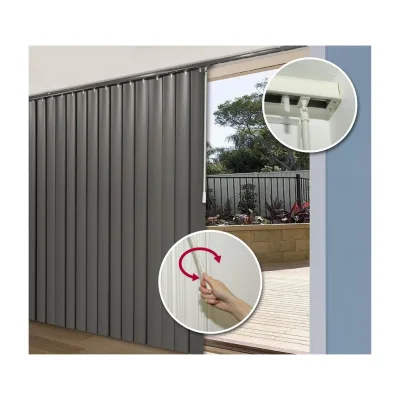
Operational mechanisms vary significantly, ranging from manual chain control to motorized systems. Buyers should specify the control type based on user preference and accessibility needs. For motorized options, compatibility with smart home platforms, such as Alexa, should be verified. Additionally, the opening and closing method, whether left and right single opening or double opening, must align with the window configuration. Structural integrity, including the durability of the headrail and carrier wheels, is crucial for smooth operation over time.
Compliance and Safety Documentation
Safety and compliance are paramount, especially in residential and commercial installations. Buyers should request documentation related to product standards, such as SGS certification, to ensure that the blinds meet recognized quality and safety benchmarks. While some listings mention specific standards, buyers must verify the current validity and scope of these certifications. Compliance with local building codes and regulations is essential, particularly for fire safety and environmental impact.
Warranty and after-sales service are critical components of the procurement agreement. A standard warranty period, such as one year, should be clearly defined in the contract. Buyers should also inquire about the supplier’s after-sales support, including response times and resolution procedures. Reliable after-sales service ensures that any issues with installation, operation, or material defects are addressed promptly, minimizing downtime and customer dissatisfaction.
Cost Drivers and Commercial Terms
Pricing in the vertical blinds market is influenced by several factors, including material quality, customization options, and operational mechanisms. Observed price ranges vary widely, reflecting the diversity of product offerings. Buyers should consider the total cost of ownership, which includes not only the initial purchase price but also installation, maintenance, and potential replacement costs. Bulk purchasing may offer discounts, but buyers should verify minimum order quantities and associated terms.
Packaging and logistics are also significant cost drivers. Standard packaging, such as rolls in plastic bags and paper tubes, or clear PVC boxes with cartons, affects shipping efficiency and product protection. Buyers should confirm packaging details to prevent damage during transit. Lead times and delivery schedules should be negotiated clearly, especially for customized orders, to ensure timely installation and project completion.
Supplier Qualification and Quality Control
Supplier qualification involves assessing the manufacturer’s production capabilities, quality control processes, and reputation. Buyers should verify the supplier’s origin, with many manufacturers located in regions like Zhejiang, China, known for textile and blind production. It is essential to request samples to evaluate material quality, finish, and operational smoothness. Supplier audits, if feasible, can provide insights into production standards and ethical practices.
Quality control measures should be integrated into the procurement process. Buyers should specify inspection criteria, such as fabric consistency, color accuracy, and mechanical functionality. Third-party inspection services can be employed to verify product quality before shipment. Clear communication of quality expectations and defect tolerance levels helps prevent disputes and ensures that the delivered products meet the required standards.
Long-Term Procurement Checks
Long-term procurement success depends on establishing a reliable supply chain and maintaining strong supplier relationships. Buyers should conduct periodic performance reviews to assess product durability, customer feedback, and supplier responsiveness. Tracking key performance indicators, such as defect rates and delivery times, helps identify areas for improvement. Regular communication with suppliers ensures that any changes in product specifications or market conditions are addressed promptly.
Sustainability and environmental considerations are increasingly important in procurement decisions. Buyers should inquire about the environmental impact of materials and manufacturing processes. Suppliers who prioritize sustainable practices, such as using eco-friendly fabrics or reducing waste, can enhance the brand value of the end product. By focusing on long-term partnerships and continuous improvement, buyers can secure high-quality vertical blinds that meet evolving market demands.
FAQs
What customization options are available for these blinds?
Customization is available for size and color to meet specific needs. The product supports customized dimensions and colors, allowing buyers to tailor the fabric and structure for their unique interior requirements without compromising the blackout function.
How is the privacy level defined for this vertical blind?
The privacy level is defined as blackout, ensuring complete light blockage. This feature provides total darkness suitable for bedrooms and offices, with some variants offering 50-100% blackout capabilities depending on the specific fabric coating used.
Which control methods can operate these vertical blinds?
Control methods include manual, motorized, and smart options for versatile operation. Buyers can choose chain control for manual use or select smart motors that support Alexa integration for automated and remote management of the window coverings.
What materials are used to construct these vertical blinds?
The blinds are constructed from fabric, specifically coating fabric or 100% polyester. This material choice ensures durability and softness, providing effective heat insulation and windproof properties while maintaining a modern aesthetic for various room applications.
Can these blinds be used in bathrooms and kitchens?
Yes, these blinds are suitable for bathrooms, kitchens, living rooms, and offices. Their functions include sound insulation, dustproofing, and insect resistance, making them practical for high-moisture or high-traffic areas requiring privacy and protection.
What is the standard packaging for these vertical blind rolls?
Standard packaging involves 100 meters per roll with a plastic bag and hard paper tube. Some variants use a clear PVC box with a carton outside, ensuring the fabric remains protected during shipping and storage.
Where are these vertical blinds manufactured and what is the origin?
These blinds originate from Zhejiang, China, with some products listed as China origin. The manufacturing location ensures access to established supply chains while meeting SGS standards for quality assurance in the production process.