Source Modern Coffee Mug for Daily Use, Gifts, and Promotions
Source a Modern Coffee Mug from 30 available options featuring porcelain and ceramic materials. Compare single-layer designs with heat preservation and eco-friendly features for daily use, gifts, and promotional campaigns; compare the available evidence and request quotations based on your requirements.
Updated
Key considerations
Products List


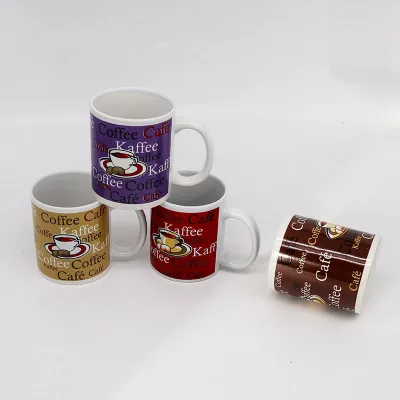
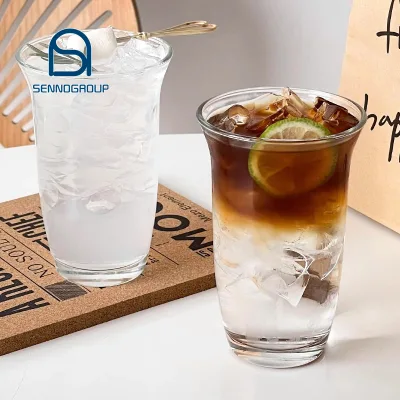


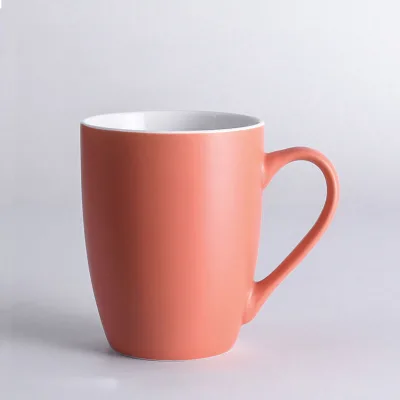
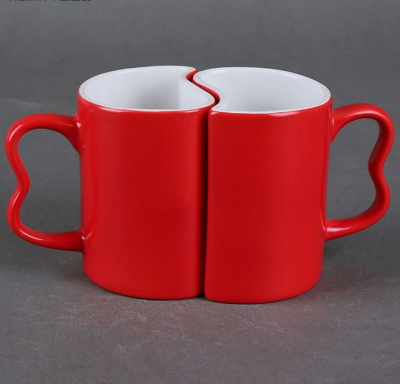
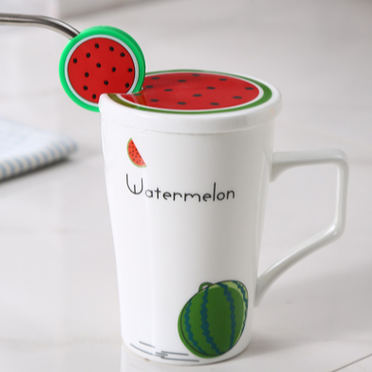
350ml Fruit pattern ceramic coffee mug with cover for coffee mug with straw
$0.90 - $1.20
MOQ: 5000 pieces
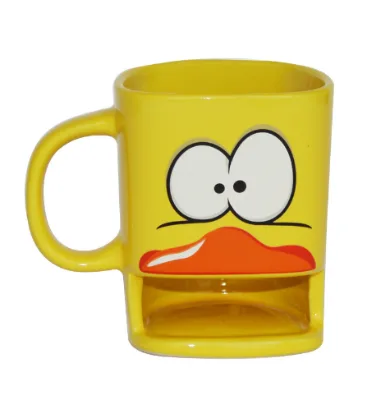
Ceramic cookies mug with biscuit holder cookie sublimation coffee mug
$0.7271 - $1.1414
MOQ: 3000 pieces


Comprehensive Sourcing Guide
Modern Coffee Mug Sourcing Guide
Sourcing modern coffee mugs requires a careful balance between aesthetic appeal and functional durability, particularly when targeting promotional or daily-use markets. The current market landscape features a diverse array of designs, ranging from minimalist ceramic pieces to creative, color-changing options that cater to specific branding needs. Buyers must navigate a wide selection of materials, including porcelain, pottery, and chinastone, each offering distinct thermal properties and visual finishes. Understanding these material differences is crucial for selecting the right product for your specific audience, whether it involves high-temperature resistance for industrial settings or eco-friendly features for environmentally conscious consumers.
The procurement process is further complicated by the variety of customization options available, such as glaze techniques and single-layer ceramic structures. These attributes allow for significant brand integration but require precise specification management to avoid production errors. Additionally, the observed product range includes models with specific dimensions and weights, which directly impact packaging efficiency and shipping costs. Buyers should prioritize suppliers who provide clear technical data and consistent quality control measures, ensuring that the final product meets both aesthetic expectations and functional requirements for daily use, gifts, or promotional campaigns.
Product Scope and Observed Listing Signals
The observed product listings reveal a broad spectrum of modern coffee mugs, with prices ranging from $0.25 to $8 USD and minimum order quantities (MOQs) varying significantly from 50 to 30,000 units. This wide price and volume range indicates a market segmented by both budget constraints and scale requirements, catering to small boutique orders and large corporate promotions alike. The presence of diverse models, such as PPE809 and MKB080-1, suggests that suppliers offer standardized templates that can be adapted for various branding strategies. Buyers should analyze these signals to determine the most cost-effective sourcing strategy based on their projected sales volume and inventory turnover rates.
Key product attributes observed include eco-friendly features, heat preservation capabilities, and unique styles like minimalist or creative designs. These features are often highlighted to appeal to specific consumer segments, such as those seeking health-conscious or environmentally responsible products. The listings also indicate a strong emphasis on customization, with options for various colors, including multicolor and color-changing finishes, as well as specific packaging solutions like brown boxes or color boxes. Understanding these signals helps buyers align their procurement decisions with market trends, ensuring that the selected mugs resonate with target demographics and meet contemporary design expectations.
Technical Specifications to Verify
Verifying technical specifications is critical to ensuring that the modern coffee mugs meet functional and aesthetic requirements. Buyers should confirm material compositions, such as porcelain, pottery, or chinastone, as these materials affect durability, weight, and thermal retention. For instance, some models are specified as single-layer ceramic cups, which may have different heat distribution properties compared to double-walled alternatives. Additionally, dimensions and weights, such as the 3.15"x3.75"x3.15" standard or 320g weight, must be verified to ensure compatibility with existing packaging and shipping logistics. These specifications directly influence the product's usability and customer experience, making accurate verification essential.
Further technical details include the glaze techniques and finish designs, such as enamel-like designs, which impact the mug's visual appeal and resistance to chipping or fading. Buyers should also check for specific model numbers, such as TM-0924 or MKB101-2, to ensure consistency in production runs. Capacity, such as 16 oz, is another crucial specification that affects the product's suitability for different beverages. By meticulously verifying these technical attributes, buyers can avoid discrepancies between samples and bulk orders, ensuring that the final products align with their quality standards and customer expectations.
Compliance and Safety Documentation
Compliance and safety documentation are paramount when sourcing modern coffee mugs, especially for products intended for daily use or health care applications. Buyers must ensure that suppliers provide relevant certifications, such as FDA and ISO9000, which indicate adherence to international quality and safety standards. These certifications are crucial for mitigating risks associated with material safety, particularly for products that come into direct contact with food and beverages. Verifying these documents helps buyers demonstrate due diligence and protect their brand reputation from potential liability issues related to product safety.
In addition to certifications, buyers should request test results for specific attributes, such as lead content, cadmium release, and thermal shock resistance. These tests ensure that the mugs are safe for consumer use and comply with regional regulations. For eco-friendly products, buyers may also need documentation verifying the sustainability of materials and manufacturing processes. By prioritizing compliance and safety, buyers can build trust with their customers and ensure that their products meet the highest standards of quality and safety, reducing the risk of recalls or negative publicity.
Cost Drivers and Commercial Terms
Cost drivers for modern coffee mugs include material selection, customization complexity, and packaging requirements. Porcelain and chinastone materials may incur higher costs due to their durability and aesthetic appeal, while simple glaze techniques can help manage production expenses. Customization options, such as color-changing finishes or specific branding elements, can also impact pricing, as they require additional processing steps. Buyers should negotiate commercial terms that account for these variables, ensuring that the final price reflects the true value and quality of the product. Understanding these cost drivers allows buyers to make informed decisions about budget allocation and pricing strategies.
Packaging and shipping logistics are significant factors in the overall cost structure. The observed packing options, such as 1PCS/Box or 48PCS/Carton, influence storage efficiency and shipping costs. Buyers should consider the total landed cost, including freight, duties, and handling fees, when evaluating supplier quotes. Additionally, lead times and payment terms can affect cash flow and inventory management. By carefully analyzing these commercial terms, buyers can optimize their procurement strategy, ensuring that they achieve the best balance between cost, quality, and delivery speed.
Supplier Qualification and Quality Control
Supplier qualification is a critical step in the sourcing process, requiring a thorough assessment of manufacturing capabilities and quality control systems. Buyers should verify the supplier's production capacity, technological expertise, and experience in handling similar products. For modern coffee mugs, this includes evaluating their ability to manage complex customization requests and maintain consistent quality across large production runs. Suppliers located in regions like Fujian or Shandong, China, may offer specific advantages in terms of material sourcing and manufacturing efficiency, but buyers must ensure that these locations align with their quality and compliance requirements.
Quality control measures should be clearly defined and enforced throughout the production process. Buyers should request detailed quality assurance plans, including inspection protocols for raw materials, in-process checks, and final product evaluations. Regular audits and sample approvals can help identify potential issues early, reducing the risk of defects in the final shipment. By establishing strong supplier relationships and implementing robust quality control practices, buyers can ensure that their modern coffee mugs meet the highest standards of quality and reliability, fostering long-term business success.
Long-Term Procurement Checks
Long-term procurement checks involve continuous monitoring of supplier performance, market trends, and product quality. Buyers should establish key performance indicators (KPIs) to track delivery times, defect rates, and customer satisfaction levels. Regular reviews of these metrics help identify areas for improvement and ensure that suppliers remain aligned with the buyer's evolving needs. Additionally, staying informed about emerging trends in Modern Coffee Mug design, such as new materials or eco-friendly innovations, allows buyers to adapt their sourcing strategies and maintain a competitive edge in the market.
Sustainability and ethical sourcing practices are increasingly important in long-term procurement. Buyers should assess their suppliers' commitment to environmental responsibility and social compliance, ensuring that their supply chain aligns with their corporate values. This includes verifying the sustainability of materials, such as chinastone or porcelain, and evaluating the ethical labor practices of manufacturing facilities. By prioritizing long-term checks and sustainable practices, buyers can build a resilient and responsible supply chain, enhancing their brand reputation and ensuring long-term business viability.
FAQs
What materials are used for these modern coffee mugs?
These mugs are crafted from high-quality ceramic, porcelain, and chinastone materials. The construction features a single-layer ceramic cup design with a glaze finish. This ensures durability and a smooth texture suitable for daily use and promotional gifts.
Can these mugs withstand high temperatures and preserve heat?
Yes, the mugs are designed to withstand high temperatures and offer heat preservation. The glaze technique enhances their thermal stability. This makes them ideal for hot beverages while maintaining safety and functionality during daily use or special occasions.
What customization options are available for bulk orders?
Customization is available for these ceramic mugs to meet specific branding needs. Buyers can select from various styles, including simple, minimalist, or creative designs. Options include color changes and eco-friendly features, allowing for tailored solutions for promotions or gifts.
What are the standard packaging and shipping details?
Products are packed in standard export packaging, often using brown boxes, inner boxes, or color boxes within five-layer cartons. Specific models may use individual box packing. Shipping ports include Qingdao, ensuring reliable logistics for international buyers sourcing from China.
Which certifications ensure the safety of these ceramic mugs?
The mugs comply with FDA and ISO9000 standards to ensure safety and quality. These certifications verify that the materials and manufacturing processes meet international requirements. This provides buyers with confidence in the product's suitability for daily use and health-conscious consumers.
What is the typical capacity and size of these mugs?
The mugs generally feature a capacity of 16 oz, suitable for standard coffee servings. Dimensions vary by model, with some measuring approximately 3.15 inches by 3.75 inches. This size balances portability with sufficient volume for daily use or promotional purposes.