Source Minimalist Ceramic Espresso Mug for daily use, gifts, and cafes
Find 30 Minimalist Ceramic Espresso Mug options featuring single-layer construction and eco-friendly materials. Compare ribbed and irregular designs with capacities from 101–200 mL to 400 mL, suitable for promotion, health care, and daily use; compare the available evidence and request quotations based on your requirements.
Updated
Key considerations
Products List

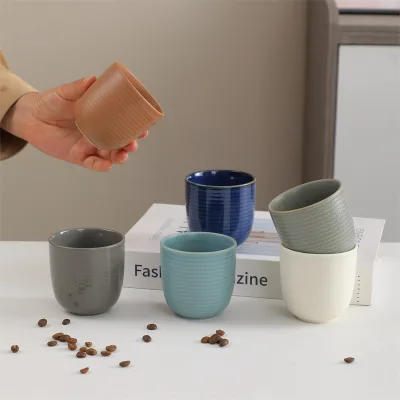
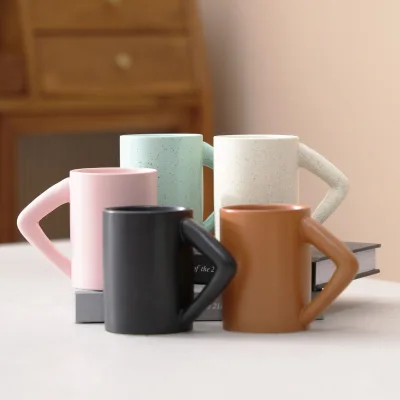
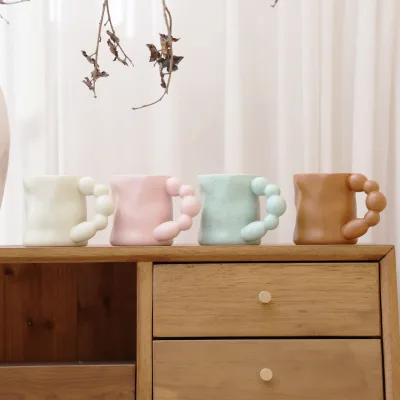
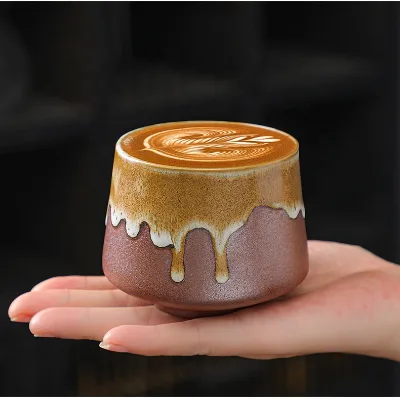

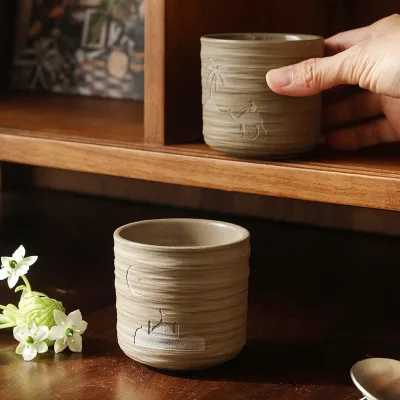
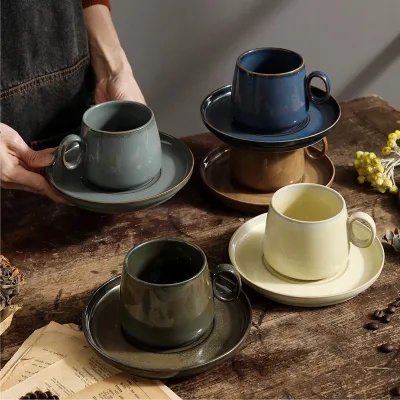


Solid-Color, Minimalist Ceramic Coffee Mug
$4.00 - $8.00
MOQ: 1000 Pieces
Chaozhou City Cha'an District Fengtang Town Sai Si Ceramics Factory


Hot Selling Porcelain Espresso Mug White Custom Printing Ceramic Coffee Mug
$0.40 - $2.00
MOQ: 5000 Pieces

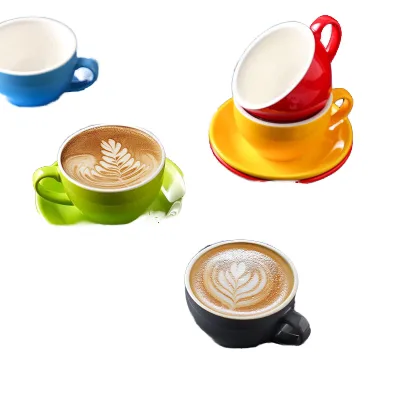
Wholesale Espresso Custom Handle Coffee Mug Ceramic Tea Water Mug for Promotion
$0.50 - $1.50
MOQ: 5000 Pieces
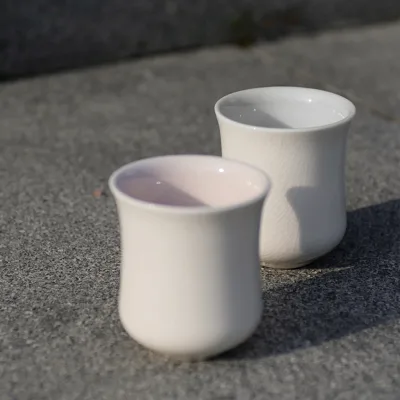
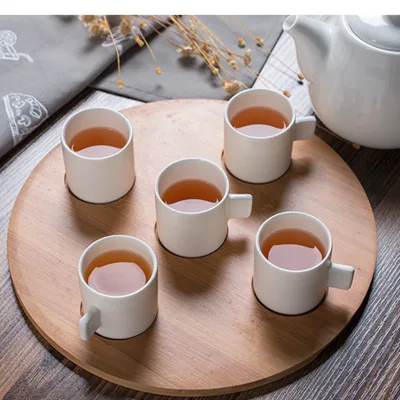





Comprehensive Sourcing Guide
Minimalist Ceramic Espresso Mug Sourcing Guide
Sourcing minimalist ceramic espresso mugs requires a careful balance between aesthetic precision and functional durability. The observed market signals indicate a strong preference for modern minimalist design styles, often featuring simple structures and eco-friendly material claims. Buyers should note that while the core keyword emphasizes espresso use, the actual product listings frequently categorize these items under broader drinkware types such as mugs, teacups, or general water cups. This discrepancy suggests that suppliers may use flexible labeling to capture a wider audience, ranging from daily use to promotional gifts. Consequently, procurement teams must verify the specific intended application during the negotiation phase to ensure the vessel’s geometry and thermal properties align with the brewing method, whether it is for traditional espresso, tea, or casual daily consumption.
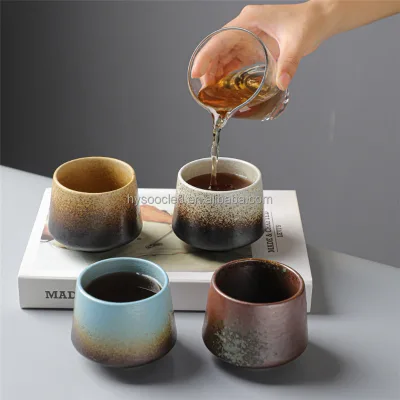
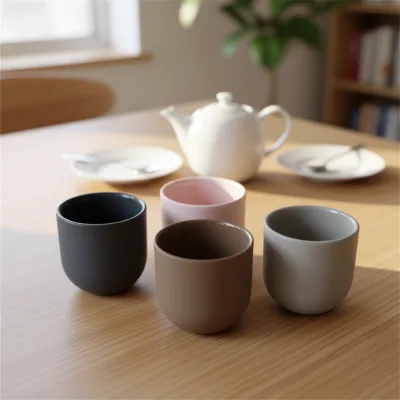
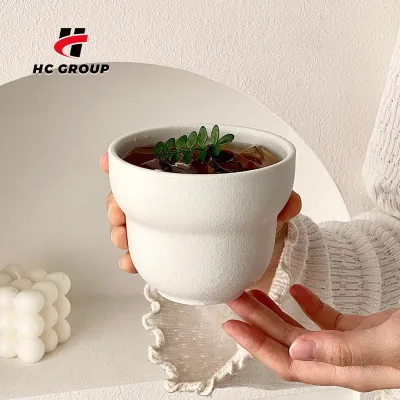
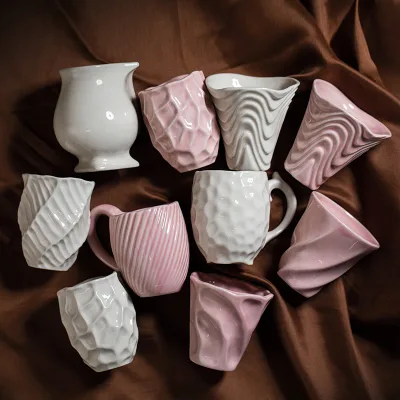
The visual language of these products often includes ribbed patterns, irregular shapes, or specific color palettes like pearl cotton, pine stone green, or matte yellow. These design elements are not merely decorative but serve to differentiate the product in a crowded market. The observed listings highlight features such as "Creative Irregular" forms and "Environmental protection" attributes, which appeal to contemporary buyers seeking unique yet sustainable tableware. However, the term "minimalist" in this context may coexist with complex textural details like small ring patterns or V-shaped rainbow finishes. Procurement specialists must therefore scrutinize product images and physical samples to confirm that the final output matches the intended minimalist aesthetic, avoiding unintended visual clutter that could detract from the brand’s sophisticated image.
Product Scope and Observed Listing Signals
The current product landscape for minimalist ceramic espresso mugs reveals a diverse range of structural and functional variations. Observed listings indicate that these items are often marketed with multi-function advantages, suitable for promotion, health care, weddings, and birthdays. The material is consistently identified as ceramics, with specific mentions of single-layer ceramic cup structures. This structural simplicity is a key selling point, offering a lightweight yet durable option for various occasions. Buyers should recognize that while the core keyword specifies "espresso," the actual capacity ranges observed vary significantly, from routine volumes to specific measurements like 300-400 ml or 101–200 mL. This variance suggests that the term "espresso mug" is sometimes used loosely to describe smaller ceramic vessels that may also serve as tea cups or small water cups, requiring careful specification alignment.
Packaging and logistical details further define the scope of these products. The observed data points to carton box or cardboard box packaging, with single package sizes ranging from 19x19x14 cm to 30x25x30 cm. These dimensions imply that the mugs are often shipped in bulk or multi-packs, such as the noted "Pearl cotton 4-pack" configurations. The single gross weight varies from 0.0 kg to 1.5 kg, indicating potential inconsistencies in how suppliers report weight or differences in packaging density. Procurement teams must account for these logistical variables when calculating landed costs. The origin is consistently listed as China, which provides access to a mature supply chain for ceramic goods. However, the variability in model numbers, such as A036, JX545, or 2025120202, highlights the need for precise SKU management to avoid confusion during order fulfillment and inventory tracking.
Technical Specifications to Verify
Verifying technical specifications is critical to ensuring that the minimalist ceramic espresso mugs meet functional requirements. The observed standard capacity is listed as 320 ml, but other listings mention capacities of 300-400 ml or 101–200 mL. Buyers must confirm the exact internal volume to ensure it suits the intended beverage type, particularly for espresso which typically requires smaller volumes. The material is specified as ceramics, but the firing temperature and glaze composition are not detailed in the observed data. It is essential to verify that the ceramic body can withstand high temperatures, as indicated by one of the observed attributes. This thermal resistance is crucial for preventing cracking during rapid temperature changes, especially when used for hot beverages. Additionally, the presence of a handle is noted in some listings, which affects ergonomics and heat dissipation, so buyers should confirm whether the design includes a handle or is a handle-less cup.
Design style and pattern details also require rigorous verification. The observed styles include "Modern minimalist," "Simple," and "Creative Irregular," with patterns such as ribbed, small ring-patterned, or V-shaped rainbow finishes. These aesthetic choices can significantly impact the final product’s appearance and perceived value. Buyers should request high-resolution images or physical samples to assess the quality of the glaze application and the consistency of the color, such as pine stone green, matte yellow, or serene white. The single package size and gross weight must be confirmed to ensure compatibility with shipping containers and storage facilities. Furthermore, the model number, whether it is A036, JX545, or another identifier, should be locked in the purchase order to prevent substitution with different variants. Clear specification sheets should be established to define tolerances for dimensions, weight, and visual defects.
Compliance and Safety Documentation
Compliance and safety documentation are paramount when sourcing ceramic drinkware, particularly for products intended for food and beverage contact. While the observed listings mention "Eco-Friendly" and "Environmental protection" features, these claims must be substantiated by relevant certifications. Buyers should request documentation confirming that the ceramics meet international food safety standards, such as FDA or LFGB regulations, to ensure that the glazes and materials do not leach harmful substances like lead or cadmium. The absence of specific certification names in the observed data means that procurement teams must actively verify this information with suppliers. It is crucial to ensure that the ceramic material is non-toxic and safe for daily use, especially given the product’s application in health care and gift contexts.
In addition to material safety, buyers should inquire about the manufacturing processes and quality control measures implemented by the supplier. Documentation should include test reports for thermal shock resistance, given the observed attribute of withstanding high temperatures. This ensures that the mugs can endure the stress of hot liquids without cracking or breaking. Furthermore, packaging materials should be verified for compliance with environmental regulations, especially if the buyer is targeting markets with strict plastic or waste management laws. The use of carton boxes and pearl cotton packaging should be confirmed to ensure they are recyclable or biodegradable if claimed. Buyers should also check for any regional restrictions on ceramic imports, such as labeling requirements or specific material bans. Establishing a clear compliance framework early in the sourcing process helps mitigate legal risks and ensures that the products can be sold legally in the target market.
Cost Drivers and Commercial Terms
Cost drivers for minimalist ceramic espresso mugs are influenced by material quality, design complexity, and order volume. The observed price range is between 0.4 and 8 USD, reflecting significant variation based on factors such as glaze type, pattern intricacy, and packaging. Simple, single-layer ceramic cups with basic colors may fall at the lower end of this range, while those with creative irregular shapes, V-shaped rainbow finishes, or premium eco-friendly packaging may command higher prices. The minimum order quantity (MOQ) ranges from 20 to 5000 pieces, allowing for flexibility in order sizes. Buyers should negotiate MOQs based on their inventory needs and cash flow constraints, keeping in mind that smaller orders may incur higher per-unit costs due to setup and production inefficiencies.
Commercial terms also play a significant role in the total cost of ownership. The observed data indicates that customization is available, which can add to the cost but offers branding opportunities. Buyers should clarify the costs associated with custom logos, packaging designs, or unique color matches. Payment terms, such as deposits and balance payments, should be negotiated to align with the supplier’s requirements and the buyer’s financial policies. Lead times are not explicitly stated in the observed data, but buyers should request estimated production and shipping durations to plan inventory replenishment effectively. Additionally, shipping costs should be calculated based on the single package size and gross weight, as these factors determine freight charges. Understanding these cost drivers helps buyers make informed decisions and avoid unexpected expenses during the procurement process.
Supplier Qualification and Quality Control
Supplier qualification is a critical step in ensuring the reliability and consistency of Minimalist Ceramic Espresso Mug supplies. Buyers should conduct thorough due diligence on potential suppliers, verifying their business licenses, manufacturing capabilities, and export experience. Given that the observed origin is China, buyers may consider visiting factories or hiring third-party inspection services to assess production facilities and quality control processes. It is essential to confirm that the supplier has experience in producing ceramic drinkware with the specific design attributes observed, such as modern minimalist styles or creative irregular shapes. Suppliers should be able to provide references or case studies demonstrating their ability to meet quality standards and deliver on time.
Quality control measures should be clearly defined and agreed upon before production begins. Buyers should establish a detailed quality inspection plan that includes checks for material composition, dimensional accuracy, glaze quality, and packaging integrity. Random sampling should be conducted during production and before shipment to identify and rectify any defects. The observed variability in single gross weight and package size suggests that consistency may be an issue, making rigorous quality control even more important. Buyers should also verify that the supplier has a robust system for handling returns and addressing quality complaints. Establishing a strong relationship with a qualified supplier ensures that the products meet the buyer’s expectations and reduces the risk of supply chain disruptions.
Long-Term Procurement Checks
Long-term procurement checks are essential for maintaining the quality and reliability of Minimalist Ceramic Espresso Mug supplies over time. Buyers should regularly review supplier performance metrics, including on-time delivery rates, defect rates, and responsiveness to issues. Continuous monitoring helps identify potential problems early and allows for proactive measures to address them. It is also important to stay updated on market trends and consumer preferences, as the demand for minimalist and eco-friendly designs may evolve. Buyers should periodically reassess their supplier base to ensure they remain competitive and aligned with their strategic goals. Engaging in open communication with suppliers fosters collaboration and innovation, leading to improved products and services.
Additionally, buyers should monitor regulatory changes and compliance requirements in their target markets. Staying informed about new standards or restrictions ensures that the products remain compliant and marketable. Regular audits of supplier facilities and quality control processes help maintain high standards and build trust. Buyers should also consider diversifying their supplier base to mitigate risks associated with single-source dependencies. By implementing these long-term procurement checks, buyers can ensure a stable and efficient supply chain, supporting their business growth and customer satisfaction. This proactive approach helps navigate the complexities of global sourcing and maintains a competitive edge in the market.
FAQs
What is the minimum order quantity for minimalist ceramic espresso mugs?
The minimum order quantity is 20 pieces. This low MOQ allows buyers to test market demand with minimal initial investment. The product is available for customization, making it suitable for promotional gifts or wedding favors. Buyers can order small batches to evaluate quality before scaling up production volumes.
Can minimalist ceramic espresso mugs withstand high temperatures?
Yes, these mugs are designed to withstand high temperatures. They are made from ceramics, ensuring durability during daily use. The single-layer structure supports hot beverages like espresso and tea. This feature makes them practical for health care routines and afternoon tea occasions while maintaining a modern minimalist design style.
What capacity options are available for these ceramic mugs?
Available capacities range from 101 to 400 ml. Specific models include 200 ml, 300 ml, and 400 ml options. The 320 ml standard size is also listed. These volumes cater to various needs, from small espresso servings to larger water cups. Buyers can select the appropriate size based on their specific usage requirements and target audience preferences.
Are these minimalist ceramic mugs eco-friendly?
Yes, the mugs are certified as eco-friendly. They are made from ceramics, a sustainable material choice. The design emphasizes environmental protection and modern minimalism. This feature appeals to buyers seeking sustainable products for daily use or gifts. The eco-friendly nature aligns with global trends toward responsible consumption and reduces environmental impact.
What packaging is used for these ceramic cups?
The mugs are packed in cardboard boxes or carton boxes. Single package sizes vary, with dimensions like 30x25x30 cm and 19x19x14 cm. The gross weight per single item ranges from 0.0 to 1.5 kg. This packaging ensures safe transport and protection during shipping. Buyers can expect secure delivery for bulk orders.
Which colors are available for the minimalist ceramic mugs?
Available colors include pearl white, bean green, caramel brown, haze blue, pine stone green, coffee-colored, matte yellow, quiet black, serene white, light pink, and light yellow. Some models feature ribbed patterns or irregular rainbow designs. Buyers can choose from these options to match their brand identity or customer preferences for aesthetic appeal.