Source Modern Cooling Conference Room Chair for Hotels, Offices, Schools
Explore 30 options for the Modern Cooling Conference Room Chair designed for commercial spaces. Compare specifications including steel tube frames, fabric materials, and various sizes to find suitable seating for hotels, offices, and educational institutions; compare the available evidence and request quotations based on your requirements.
Key considerations
Products List
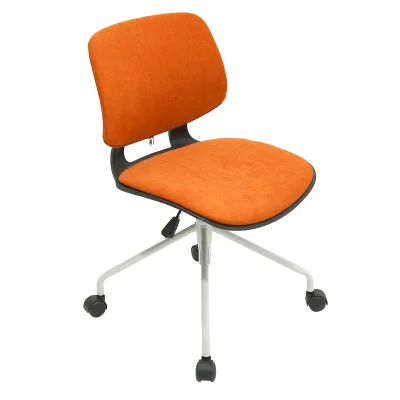


Ergonomic Executive Conference Chair with Enhanced Comfort and Support
$29.70 - $31.70
MOQ: 100 pieces

Ergonomic Conference Office Chair with Comfortable Design for Meeting Rooms
$20.74 - $23.60
MOQ: 200 Pieces

Modern Lounge Chair with Steel Frame and Armrests for Conference & Reception Areas
$164.00 - $170.00
MOQ: 5 Pieces


Comprehensive Sourcing Guide
Modern Cooling Conference Room Chair Sourcing Guide
Procuring modern conference room chairs requires balancing aesthetic appeal with ergonomic functionality, particularly when addressing the specific need for cooling properties in high-traffic meeting spaces. Buyers must navigate a market where "modern" design often intersects with commercial durability, ensuring that the visual simplicity of the chair does not compromise its structural integrity under daily use. The term "cooling" typically refers to breathable materials or ventilated backrests, which are critical for maintaining comfort during extended sessions. Sourcing guides emphasize the importance of verifying material composition, as fabric choices directly impact thermal regulation and long-term hygiene.
This guide focuses on evidence-based selection criteria derived from observed market listings and trusted category knowledge. It addresses the technical specifications, compliance requirements, and commercial terms that define a successful procurement cycle. By understanding the interplay between design style, material science, and supplier capabilities, buyers can mitigate risks associated with mismatched expectations. The following sections provide a structured approach to evaluating potential suppliers, ensuring that the final selection aligns with both functional requirements and budgetary constraints.
Product Scope and Observed Listing Signals
The observed product landscape reveals a diverse range of office furniture, with specific listings highlighting attributes such as "Conference Chair" and "Lift Chair" styles. While some products are explicitly labeled for conference use, others are categorized under broader terms like "School Chair" or "College" usage, indicating a versatile design that may serve multiple commercial environments. The presence of "Modern" design styles and "Square" shapes suggests a contemporary aesthetic that fits well into professional settings. Buyers should note that while some items are described as "Lift Chairs," others are "Unadjustable," requiring careful verification of ergonomic features to match specific user needs.
Material composition varies significantly across listings, with options including "Fabric," "Plastic," "Hard Plastic Wood," and "PP Plastic." These materials influence both the cooling performance and durability of the chair. For instance, fabric options may offer breathability, while plastic components provide structural rigidity and ease of cleaning. The observed "Black" color option and "Steel Tube" frames indicate a preference for neutral, durable aesthetics. Buyers must cross-reference these material claims with physical samples or detailed specifications to ensure that the "cooling" aspect is achieved through genuine breathable design rather than marketing terminology alone.
Technical Specifications to Verify
Technical verification begins with dimensional accuracy, as observed sizes range from approximately 45 cm to 54 cm in width and 75 cm to 86 cm in height. These variations impact space planning and ergonomic fit within conference rooms. Buyers should confirm the seat height and overall proportions to ensure compatibility with standard table heights and user demographics. The "Steel Tube" frame, with observed thicknesses around 1.2mm, provides a baseline for structural stability, but buyers must verify load-bearing capacities and joint integrity to prevent premature failure. Additionally, the "Knock Down" or "Disassembly" feature is crucial for logistics, affecting shipping costs and on-site assembly requirements.
Ergonomic features such as "Armrest" availability and "Rotary" functionality are critical for user comfort. Observed listings show a mix of "Without Armrest" and potentially adjustable options, requiring clear specification of user preferences. The "Fixed" rotary mechanism in some models may limit flexibility, while others might offer swivel capabilities. Buyers should also assess the "Back Material" for ergonomic support, ensuring that the design promotes proper posture during long meetings. Verification of these technical details through supplier documentation or product testing is essential to avoid discrepancies between advertised features and actual performance.
Compliance and Safety Documentation
Compliance with international standards is non-negotiable for commercial furniture procurement. Observed certifications include "CE," "ISO," "RoHS," and "CCC," indicating adherence to European and Chinese safety and environmental regulations. Buyers must verify the validity and scope of these certifications, ensuring they cover the specific product models being sourced. The presence of "CE" and "ISO" marks suggests that the manufacturer follows recognized quality management and safety protocols, which is vital for liability protection and market access. However, buyers should request current certification documents to confirm that the standards apply to the exact materials and construction methods used.
Safety documentation also extends to material safety, particularly regarding the use of plastics and fabrics. "RoHS" compliance indicates restricted hazardous substances, which is crucial for indoor air quality and user health. Buyers should inquire about flame retardancy standards, especially for chairs used in public or commercial buildings. Additionally, the "3-5 Years" warranty observed in some listings provides a baseline for expected product lifespan, but buyers must clarify the terms and conditions of this warranty. Understanding the scope of coverage, including what constitutes normal wear and tear versus manufacturing defects, is essential for long-term cost management.
Cost Drivers and Commercial Terms
Cost drivers in modern conference chair procurement include material quality, design complexity, and customization options. Observed price ranges vary widely, reflecting differences in material composition and manufacturing processes. Buyers should analyze the cost breakdown to understand the value proposition of each option, considering factors such as frame thickness, back material, and ergonomic features. The "Available" customization option allows for tailored solutions, but it may incur additional costs and longer lead times. Buyers must balance the desire for customization with budget constraints and project timelines.
Commercial terms such as "MOQ" (Minimum Order Quantity) and "Lead Time" significantly impact procurement strategy. Observed MOQs range from 1 to 200 units, offering flexibility for small-scale purchases or large-volume orders. Buyers should negotiate terms that align with their inventory management and cash flow requirements. Additionally, the "Knock Down" packing method reduces shipping volume and costs, making it an attractive option for international procurement. Buyers must also consider the total cost of ownership, including assembly, maintenance, and potential replacement costs, to make informed financial decisions.
Supplier Qualification and Quality Control
Supplier qualification is a critical step in ensuring product reliability and consistency. Buyers should assess the manufacturer's production capabilities, quality control processes, and track record in the industry. The "Zhejiang, China" origin indicates a hub for furniture manufacturing, but buyers must verify the specific factory's credentials and capacity. Requesting factory audits or third-party inspections can provide insights into production standards and ethical practices. Additionally, buyers should evaluate the supplier's responsiveness and communication skills, as these factors influence the smooth execution of the procurement process.
Quality control measures should be established before production begins, including clear specifications for materials, dimensions, and finish. Buyers should implement incoming inspection protocols to verify that delivered products meet the agreed-upon standards. The "New" condition of observed products suggests that buyers should also check for any signs of damage or defects upon receipt. Establishing a feedback loop with the supplier for continuous improvement is essential for maintaining product quality over time. Buyers should also consider the supplier's ability to handle defects and provide timely replacements or repairs.
Long-Term Procurement Checks
Long-term procurement success depends on ongoing performance monitoring and relationship management. Buyers should establish key performance indicators (KPIs) to track product durability, user satisfaction, and supplier reliability. Regular reviews of warranty claims and maintenance records can identify potential issues early, allowing for proactive resolution. The "3-5 Years" warranty observed in some listings provides a benchmark for expected product life, but buyers should monitor actual performance against this expectation. Continuous feedback from end-users is valuable for identifying ergonomic or comfort issues that may not be apparent during initial testing.
Sustainability and end-of-life considerations are increasingly important in modern procurement. Buyers should inquire about the recyclability of materials and the supplier's environmental policies. The use of "PP Plastic" and "Steel Tube" suggests potential for recycling, but buyers should verify the supplier's practices regarding waste management and resource efficiency. Building a long-term partnership with a reliable supplier can lead to better pricing, priority service, and access to new product innovations. Buyers should also stay informed about industry trends and regulatory changes that may impact future procurement decisions.
FAQs
What materials are used for the modern conference chair frame and back?
The chair features a steel tube frame with a thickness of 1.2mm for durability. The back material is specified as hard plastic wood or PP plastic depending on the model. This combination ensures structural integrity while maintaining a modern aesthetic suitable for commercial environments like offices and hotels.
Can the modern conference chair be customized for specific branding needs?
Yes, customization is available for this product line. Buyers can request specific modifications to meet their branding or functional requirements. The product is listed as customized, allowing for tailored solutions. This flexibility supports diverse commercial furniture needs across different industries and interior design schemes.
What certifications does the modern conference chair hold for safety?
The chair holds CE and ISO certifications, ensuring compliance with international safety and quality standards. Some models also include RoHS and CCC certifications. These credentials verify that the product meets rigorous regulatory requirements, making it suitable for procurement in regulated markets and large-scale commercial installations.
What is the warranty period for the modern conference chair?
The warranty period is typically 3-5 years. This coverage provides assurance regarding the product's longevity and performance under normal commercial use. Buyers can rely on this warranty for peace of mind when investing in bulk orders for offices, schools, or conference rooms requiring durable seating solutions.
How is the modern conference chair packaged for shipping?
The chair is packaged in a knock-down format, often referred to as mail packing. This design facilitates efficient shipping and storage by reducing volume. The disassembly feature allows for easy transport and on-site assembly, minimizing logistics costs and damage risks during transit to international destinations.
What are the typical dimensions of the modern conference chair?
Dimensions vary by model, with common sizes including 50x52x84 cm and 48x52x75.5 cm. Specific models like SC0028-1 and EC0043 have defined measurements. These sizes are optimized for standard conference room layouts, ensuring comfortable seating without occupying excessive floor space in commercial or educational settings.