Source Modern Copper Dimmable Wall Lamp for Villa, Home, Living Room
Find 30 options for a Modern Copper Dimmable Wall Lamp suitable for villas, homes, and living rooms. Buyers can compare specifications like voltage, certification, and material to select the right fixture for their project needs.
Key considerations
Products List


High Quality Copper Decoration Alabaster Wall Lamp Modern Hotel Project Wall Lamp
$395.00 - $547.00
MOQ: 1 Pieces


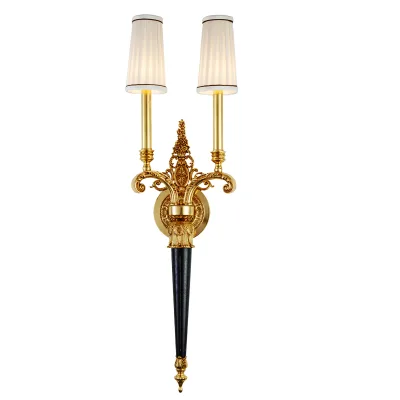

Modern Villa Living Room Wall Lighting Natural Marble Copper Bedside Wall Lamp
$880.99 - $3100.99
MOQ: 5 Pieces

Luxury Modern Copper LED Light Golden Background Wall Lamp for Living Room
$880.99 - $3100.99
MOQ: 5 Pieces



Comprehensive Sourcing Guide
Strategic Sourcing Guide for Modern Copper Dimmable Wall Lamps
Understanding Product Attributes and Technical Specifications
When sourcing a Modern Copper Dimmable Wall Lamp, buyers must first navigate the specific technical attributes that define this product category. The core material specification for these fixtures is consistently identified as copper, which offers durability and a distinct aesthetic appeal suitable for contemporary interiors. The design style is predominantly modern, though some listings also reference European or traditional styles, indicating a market that blends classic elements with current trends. The physical form factor is frequently observed as round, with specific product models such as WL00306-1, 8861-2W, and KYA12W representing the variety of configurations available in the supply chain.
A critical technical distinction in this category is the configuration of the light source. The market data indicates a split between products sold "With Light Source" and those sold "Without Light Source." This distinction is vital for procurement planning, as it determines whether the buyer is purchasing a complete fixture or a housing unit requiring separate bulb integration. The electrical specifications are equally important; observed voltage ratings include 220V, as well as dual-voltage options ranging from 220-240V and 110-130V. This flexibility is essential for international procurement, ensuring compatibility with local power grids in regions like Europe, North America, and Asia.
The dimmable functionality, implied by the core keyword, requires verification of the switch type and driver compatibility. Available switch types include rotary and button mechanisms, which serve as the primary interface for controlling light intensity. While the term "dimmable" is central to the search query, the specific dimming technology (such as trailing-edge or leading-edge compatibility) is not explicitly detailed in the general product attributes. Therefore, buyers must treat the dimming capability as a variable that requires direct confirmation with the supplier for each specific model. The beaming angle is observed at 60° for certain units, suggesting a focused illumination pattern suitable for accent lighting or specific task areas within a room.
Compliance, Certification, and Safety Standards
Navigating the regulatory landscape is a non-negotiable aspect of sourcing lighting fixtures, particularly those made of copper and intended for residential or commercial use. The supply chain for these products demonstrates a strong emphasis on international safety and environmental compliance. High-confidence data points to a consistent presence of certifications including CE, VDE, RoHS, CCC, and UL. These certifications are not merely marketing terms but represent adherence to specific safety standards regarding electrical safety, electromagnetic compatibility, and the restriction of hazardous substances.
The CE mark indicates conformity with health, safety, and environmental protection standards for products sold within the European Economic Area. VDE certification, originating from Germany, is a rigorous standard for electrical safety that is highly respected globally. The RoHS directive ensures that the copper and other materials used in the fixture do not contain restricted levels of lead, mercury, cadmium, and other toxic substances. For markets in China, the CCC (China Compulsory Certification) is a mandatory requirement, while UL certification is the benchmark for safety in North American markets. Some product listings also reference SAA and ETL standards, further expanding the potential market reach for compliant units.
Buyers must verify that the specific unit they intend to purchase carries the relevant certifications for their target market. The presence of a certification on a product listing does not automatically guarantee that every batch of production meets that standard. It is imperative to request valid test reports and certificates of conformity from the supplier before finalizing an order. The authentication of these documents should be cross-referenced with the issuing bodies to ensure authenticity. Furthermore, the product standard documentation often specifies packaging requirements, such as "Inside polyfoam Outside carton or MDF," which can be part of the compliance strategy to prevent damage during transit and ensure the product arrives in a condition that meets safety expectations.
Cost Drivers and Pricing Dynamics
The pricing structure for modern copper dimmable wall lamps is influenced by a complex interplay of material costs, customization levels, and order volume. The observed price range in the market is exceptionally wide, spanning from $0.30 to $3,100.99 USD. This vast disparity is not indicative of a single product tier but rather reflects the diversity of the supply chain, ranging from basic housing units to fully integrated, custom-designed chandelier-style wall lamps. The lower end of the price spectrum likely corresponds to simpler models with minimal customization, while the higher end encompasses complex designs, premium copper finishes, and extensive customization services.
Material costs play a significant role in the final price. Copper is a valuable commodity, and fluctuations in raw material prices can directly impact the cost of the fixture. The thickness of the copper, the quality of the plating, and the complexity of the casting or forging processes are all factors that drive up the cost. Additionally, the inclusion of the light source significantly affects the price. Units sold "With Light Source" will inherently cost more than those sold "Without Light Source," as the latter requires the buyer to source and install compatible bulbs separately.
Customization is another major cost driver. The market data confirms that customization is available for these products, allowing buyers to tailor the frame color, dimensions, and electrical specifications. Custom orders typically incur higher unit costs and may have different Minimum Order Quantity (MOQ) requirements. The observed MOQ range is from 1 to 3,800 units, suggesting that suppliers are flexible for small trials but may require larger commitments for custom runs. Payment terms, such as T/T, Western Union, or other methods, also influence the financial dynamics, with different terms potentially affecting the final negotiated price. Buyers should analyze the total cost of ownership, including shipping and duties, rather than focusing solely on the unit price, as the wide price range suggests that value varies significantly across different product configurations.
Typical Applications and Installation Considerations
Modern copper dimmable wall lamps are versatile fixtures designed for a variety of interior environments. The primary application areas identified in the product data include living rooms, dining rooms, bedrooms, and villas. The modern style of these lamps makes them suitable for contemporary residential spaces, while the availability of European and traditional styles allows them to fit into more classic or transitional interiors. The specific application often dictates the required specifications; for instance, a wall lamp for a dining room may require a specific beaming angle to illuminate a table effectively, whereas a bedroom lamp might prioritize a softer, dimmable light for ambiance.
Installation is a critical factor for end-users and contractors. The product attributes highlight that installation is "Easy and Convenient," which is a desirable trait for both DIY enthusiasts and professional electricians. However, the ease of installation is contingent on the specific model and the electrical infrastructure of the building. The voltage compatibility (220V vs. 110-130V) must be matched to the local power supply to ensure safe and functional operation. The switch type, whether rotary or button, also impacts the installation process, as it may require specific wiring configurations or wall cutouts.
For commercial or large-scale residential projects, the application extends beyond simple lighting to include aesthetic integration. The "Customized Chandelier" attribute suggests that these wall lamps can be part of larger lighting schemes, potentially involving multiple units or integrated into custom designs for villas and high-end homes. The "Apply" field explicitly lists living rooms, dining rooms, and bedrooms, confirming their suitability for standard residential zones. Buyers should consider the spatial requirements of the intended application, ensuring that the dimensions of the lamp (such as the 4015cm or 2610*13cm specifications observed) fit the intended wall space without overwhelming the area or appearing too small.
Supplier Evaluation and Procurement Logistics
Selecting the right supplier is paramount to ensuring the quality and reliability of the modern copper dimmable wall lamps. The supply chain is centered in China, as indicated by the "Place of Origin" data. When evaluating potential suppliers, buyers should look for those who demonstrate transparency regarding their certifications and manufacturing capabilities. The presence of multiple certifications (CE, VDE, RoHS, CCC, UL) in the product data suggests that reputable suppliers are capable of meeting diverse international standards. However, buyers must verify that the specific supplier they choose can provide valid documentation for the specific models they are ordering.
Logistics and packaging are also critical components of the procurement process. The observed packing methods include wooden frames, cartons, and foam, with specific standards like "Inside polyfoam Outside carton or MDF" ensuring product protection during transit. The transport options available range from express shipping to sea freight and general freight, allowing buyers to choose the method that best balances cost and speed. The delivery time is described as "Elaborate," which implies that lead times may vary based on the complexity of the order, customization requirements, and production schedule. Buyers should clarify the expected lead time before placing an order to avoid delays.
Trade terms such as EXW (Ex Works), FOB (Free on Board), and CIF (Cost, Insurance, and Freight) are standard in this market, and understanding these terms is essential for managing risk and cost. The MOQ range of 1 to 3,800 units indicates that suppliers cater to both small businesses and large distributors. For buyers with smaller volume needs, the ability to order single units (1PCS) is a significant advantage, allowing for market testing without significant financial commitment. Conversely, larger orders may benefit from economies of scale but require careful planning regarding storage and cash flow.
Quality Control and Long-Term Procurement Strategy
Ensuring consistent quality is essential for maintaining brand reputation and customer satisfaction. Given the wide price range and the potential for customization, buyers must implement a robust quality control (QC) strategy. This should include pre-shipment inspections to verify that the copper finish, electrical components, and overall construction meet the agreed-upon specifications. The presence of certifications like VDE and UL suggests that the manufacturing processes are designed to meet high safety standards, but random sampling and testing are still necessary to catch any deviations in production.
Long-term procurement considerations involve building a sustainable relationship with suppliers who can scale with the buyer's needs. The availability of customization suggests that suppliers are willing to adapt to specific design requirements, which is beneficial for buyers looking to differentiate their product offerings. However, this flexibility requires clear communication and detailed specifications to avoid misunderstandings. Buyers should also consider the lifecycle of the product, including the availability of replacement parts and the durability of the copper finish. The "Modern" and "European" styles indicate that these products are subject to design trends, and buyers should monitor market shifts to ensure their inventory remains relevant.
In conclusion, sourcing modern copper dimmable wall lamps requires a meticulous approach that balances technical specifications, compliance requirements, cost factors, and logistical considerations. By leveraging the available data on certifications, materials, and applications, buyers can make informed decisions that align with their specific market needs. The key to success lies in thorough supplier evaluation, clear communication of requirements, and a commitment to quality control throughout the procurement process.
FAQs
What certifications do modern copper dimmable wall lamps typically have?
These lamps commonly carry CE, VDE, RoHS, CCC, and UL certifications. Buyers should verify specific test reports for their target market, as standards like SAA and ETL may also apply depending on the supplier and region.
Can I find these lamps with both 110V and 220V voltage options?
Yes, the market offers dual-voltage options ranging from 110-130V to 220-240V. This flexibility ensures compatibility with local power grids in Europe, North America, and Asia without requiring additional transformers.
How does customization affect the minimum order quantity for these lamps?
Customization is available but often increases the minimum order quantity. While standard units may have an MOQ of 1, custom runs involving specific frame colors or dimensions can require up to 3,800 units.
Which packaging methods are used to protect copper wall lamps during shipping?
Suppliers typically use wooden frames, cartons, and foam for protection. Specific standards often specify inside polyfoam with an outside carton or MDF to prevent damage during transit via express, sea, or freight.
What are the primary application areas for modern copper dimmable wall lamps?
These lamps are designed for living rooms, dining rooms, bedrooms, and villas. The modern or European styles fit various interiors, with specific beaming angles like 60 degrees suitable for accent or task lighting.
Can I source these lamps without the light source included?
Yes, products are available both with and without the light source. This distinction is vital for procurement, as units without the source require the buyer to separately integrate compatible bulbs for operation.