Source Modern Cooling Mesh Chair for Office, Hotel, and Home
Source a Modern Cooling Mesh Chair from 30 verified listings. Compare features like adjustable armrests, gas lifts, and mesh materials for office, hotel, and home applications. Find competitive pricing and customization options for your furniture needs; compare the available evidence and request quotations based on your requirements.
Updated
Key considerations
Products List
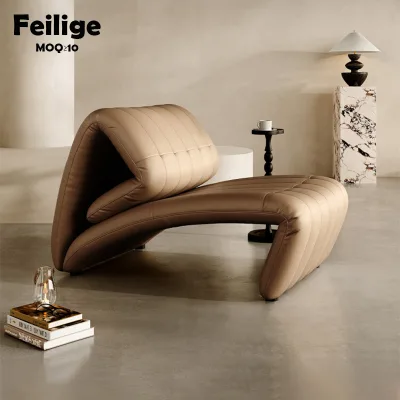


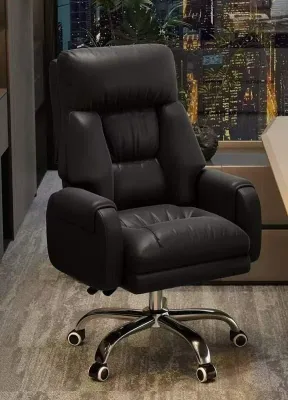
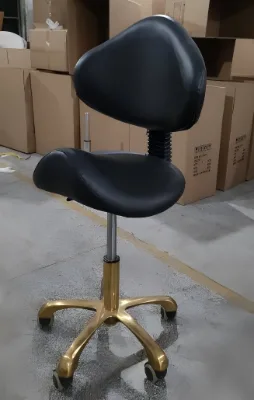
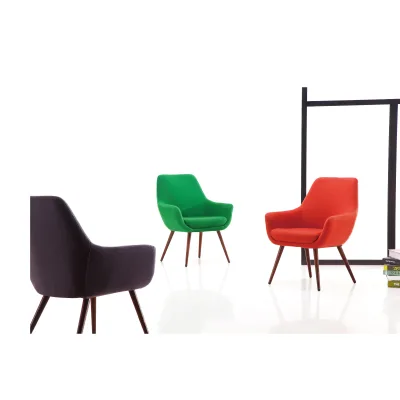
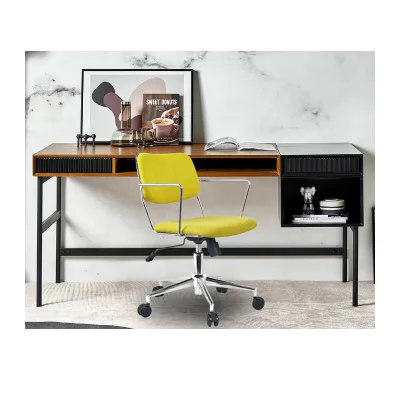
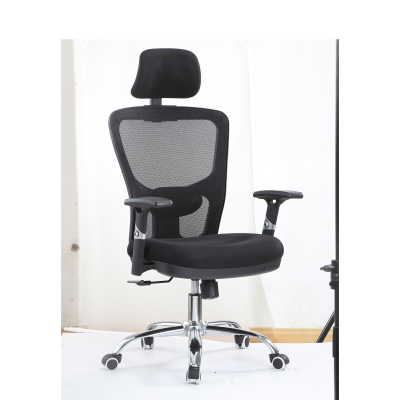
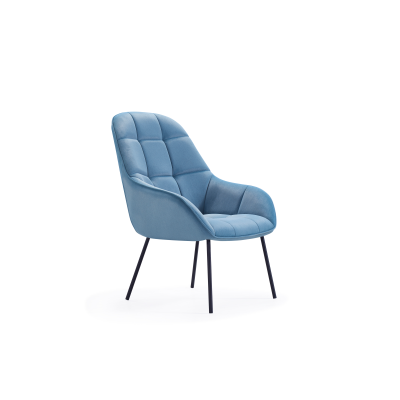
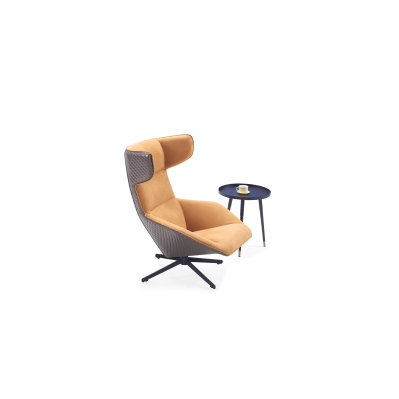
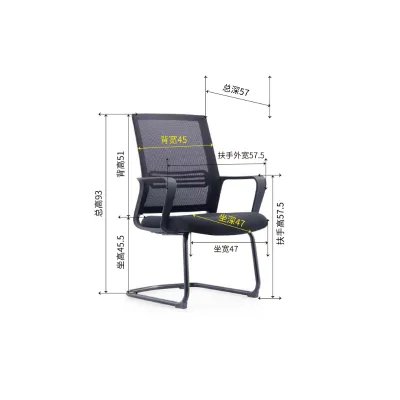


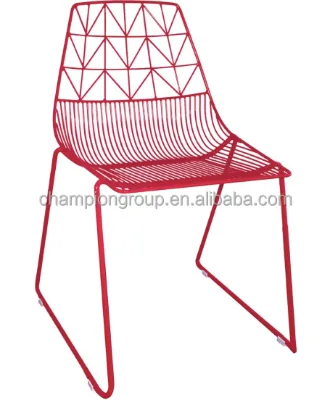
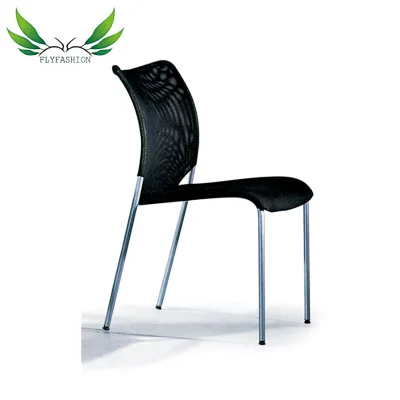
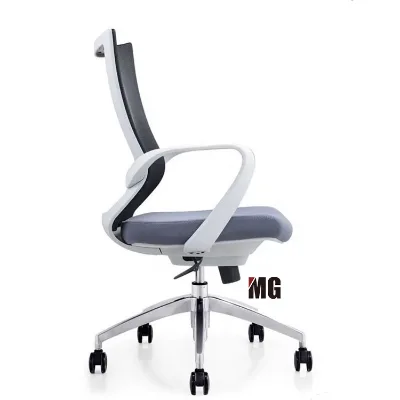


Comprehensive Sourcing Guide
Modern Cooling Mesh Chair Sourcing Guide
Sourcing modern cooling mesh chairs requires a nuanced understanding of material science and ergonomic design, particularly when balancing breathability with structural durability. The current market offers a diverse array of options, ranging from high-elastic mesh configurations with lumbar support to traditional fabric or PU leather alternatives. Buyers must carefully distinguish between products that prioritize thermal regulation through open-weave mesh and those that rely on foam filling for comfort, as the latter may not provide the same cooling benefits. Observing the specific use cases, such as living rooms, home offices, or outdoor settings, helps in selecting the appropriate material composition. The presence of features like adjustable armrests, swivel mechanisms, and headrests further complicates the selection process, necessitating a clear definition of functional requirements before engaging with suppliers.
Verification of product attributes is critical, as listings often mix specifications from different models. For instance, some products are described with modern aesthetics and specific dimensions like 7150111cm, while others may have different standard sizes such as 660345600 or 793765. It is essential to confirm whether the chair utilizes a nylon base, chrome frame, or other materials, as these impact both weight capacity and aesthetic appeal. Additionally, the gas lift class, whether Class 2 or Class 3, directly influences safety and longevity. Buyers should request detailed technical drawings and material certificates to ensure that the "cooling" aspect is achieved through genuine mesh construction rather than superficial design elements, ensuring the product meets the intended ergonomic and thermal performance standards.
Product Scope and Observed Listing Signals
The observed product landscape reveals a wide spectrum of chair types, with prices ranging from $12.6 to $745 USD, indicating significant variation in quality and component specifications. Minimum order quantities (MOQs) typically span from 1 to 100 units, offering flexibility for both small-scale procurement and larger commercial orders. Many listings highlight customization options, allowing buyers to tailor seat colors, frame finishes, and armrest functions to specific brand identities or interior design schemes. The presence of features like rotary mechanisms, adjustable armrests with PU pads, and various caster sizes (50mm, 60mm, or larger) suggests a focus on ergonomic adaptability. However, buyers must scrutinize these claims, as some products may list multiple incompatible specifications, such as different gas lift classes or base materials, within the same description.
Applications for these chairs extend across multiple environments, including living rooms, bedrooms, dining areas, hotels, and home offices. This versatility is often supported by features like tilting functions, reclining capabilities, and high-back designs with adjustable headrests. Some products are explicitly marketed for leisure use, while others emphasize office functionality with anti-explosion mechanisms and self-adapting features. The material composition varies significantly, with options including fabric, PU, sponge filling, and high-elastic mesh. Buyers should note that not all listed products are electric, and many are designed for manual adjustment. Understanding the specific application context is crucial, as a chair suitable for a hotel lobby may differ substantially in durability and aesthetic requirements from one intended for a home office environment.
Technical Specifications to Verify
When evaluating technical specifications, buyers must prioritize the verification of structural components and ergonomic features. The frame material, whether nylon, chrome, or a combination, plays a pivotal role in the chair's stability and weight capacity. Gas lift mechanisms should be confirmed for their class, with Class 3 offering higher durability and safety standards compared to Class 2. The base material, often nylon, must be compatible with the caster size, which can range from 50mm to 60mm or larger, depending on the floor surface and mobility requirements. Additionally, the mechanism type, such as a 2-lever or one-lever system, dictates the range of motion and locking capabilities, which are essential for user comfort and posture support.
Seat construction is another critical area for verification, with options including shaped foam, dust-proof bottom shells, and high-elastic mesh. The presence of lumbar support and adjustable headrests, such as 2D or 3D variants, significantly enhances ergonomic value. Buyers should also check the armrest functionality, which may include adjustable PU pads or fixed designs. The product dimensions, such as 7150111cm or 734064cm, must align with the intended user demographics and space constraints. Furthermore, the packing size, often around 634063cm, impacts logistics and storage efficiency. Ensuring that all these specifications are accurately documented and consistent across supplier communications is vital to avoid discrepancies in the final delivered product.
Compliance and Safety Documentation
Compliance with international safety and quality standards is non-negotiable for modern office and leisure chairs. Buyers should request certifications such as ISO9001, BIFMA, and EN-1335, which validate the manufacturer's adherence to rigorous quality management and ergonomic testing protocols. These certifications ensure that the chair meets specific performance criteria, including stability, durability, and safety under load. Additionally, patents and other intellectual property rights should be verified to avoid potential legal issues related to design infringement. The gas lift mechanism, in particular, must be certified to prevent explosion risks, with Class 3 lifts offering enhanced safety features. Buyers should also inquire about any additional regional certifications required for their specific market, such as CE or UL marks.
Documentation should also include detailed test reports for materials and components. This includes tensile strength tests for mesh fabrics, compression tests for foam filling, and wear tests for casters and armrests. The anti-explosion mechanism should be backed by third-party testing results to ensure reliability. Buyers must also verify that the product meets environmental standards, particularly if using recycled materials or low-VOC finishes. Clear communication regarding compliance documentation is essential, as suppliers may not always provide complete or up-to-date certificates. Establishing a requirement for these documents in the purchase agreement ensures that the supplier is accountable for maintaining these standards throughout the production process.
Cost Drivers and Commercial Terms
Cost variations in modern cooling mesh chairs are driven by several key factors, including material quality, component specifications, and customization levels. High-elastic mesh, chrome frames, and Class 3 gas lifts typically command higher prices compared to standard fabric and Class 2 lifts. The inclusion of advanced ergonomic features, such as 3D adjustable armrests and multi-position locking mechanisms, also increases the unit cost. Customization options, such as specific seat colors, frame finishes, or logo printing, add to the overall expense due to the setup and production adjustments required. Buyers should analyze the cost breakdown to understand where value is added and identify potential areas for cost optimization without compromising quality.
Commercial terms, including MOQs, lead times, and payment conditions, significantly impact the procurement strategy. While MOQs can range from 1 to 100 units, larger orders may offer better pricing tiers. Lead times vary based on production complexity and customization requirements, with standard models typically having shorter turnaround times. Buyers should negotiate clear payment terms, such as a deposit followed by balance upon shipment, to mitigate financial risk. Additionally, understanding the packing specifications, such as carton dimensions and weight, is crucial for calculating logistics costs. Transparent communication regarding these commercial terms helps in building a sustainable supply chain relationship and ensures that the total cost of ownership is accurately assessed.
Supplier Qualification and Quality Control
Supplier qualification is a critical step in ensuring the reliability and consistency of modern cooling mesh chairs. Buyers should verify the supplier's manufacturing capabilities, including their production capacity, quality control processes, and experience in exporting to target markets. Factory audits, either on-site or virtual, provide insights into the production environment, equipment, and workforce training. Suppliers with a history of producing chairs for reputable brands or meeting international standards are generally more reliable. Additionally, checking the supplier's responsiveness and communication skills is essential for smooth collaboration and issue resolution. Buyers should also assess the supplier's ability to handle customization requests and provide timely updates on production progress.
Quality control measures should be established before production begins, including pre-production samples and in-line inspections. Buyers should define clear acceptance criteria for materials, dimensions, and functional features, such as the smoothness of the swivel mechanism and the stability of the gas lift. Third-party inspection services can be engaged to conduct pre-shipment inspections, ensuring that the products meet the agreed-upon specifications. Feedback loops should be established to address any defects or discrepancies promptly. By implementing robust quality control protocols, buyers can minimize the risk of receiving substandard products and maintain high customer satisfaction levels. Consistent quality assurance also helps in building long-term trust with the supplier.
Long-Term Procurement Checks
Long-term procurement success depends on continuous monitoring of supplier performance and product quality. Buyers should establish key performance indicators (KPIs) to track metrics such as on-time delivery, defect rates, and responsiveness to issues. Regular reviews of these metrics help in identifying trends and addressing potential problems before they escalate. Additionally, maintaining open communication with the supplier fosters a collaborative relationship, enabling joint problem-solving and continuous improvement. Buyers should also stay informed about industry trends and technological advancements in chair design, ensuring that their procurement strategy remains competitive and relevant. Periodic re-evaluation of supplier qualifications and product specifications helps in adapting to changing market demands and customer preferences.
Sustainability and ethical sourcing practices are increasingly important in long-term procurement strategies. Buyers should inquire about the supplier's environmental policies, waste management practices, and labor standards. Ensuring that the supply chain adheres to ethical guidelines not only mitigates reputational risk but also aligns with growing consumer demand for responsible products. Buyers should also consider the end-of-life disposal of chairs, exploring options for recycling or upcycling materials. By integrating sustainability into their procurement process, buyers can contribute to a more responsible and resilient supply chain. Regular audits and certifications can help verify the supplier's commitment to these values, ensuring long-term alignment with corporate social responsibility goals.
FAQs
How is the Modern Cooling Mesh Chair adjusted for comfort?
The chair offers adjustable armrests with PU pads, a 2D adjustable headrest, and a reclining swivel function with locking mechanisms. You can tilt the seat back and lock it at preferred angles, while the gas lift changes seat height. Adjust each component separately to match your posture, and test the settings before finalizing your preferred working position throughout the day.
What materials are used in the frame and seat of this chair?
The chair combines fabric and mesh upholstery with a shaped foam seat over a dust-proof bottom shell, and sponge is used as filling material. The frame uses nylon, with some models pairing chrome and nylon components. The base is nylon with 50 mm or 60 mm casters, and the gas lift is Class 3 electroplated for height adjustment.
Which certifications does the Modern Cooling Mesh Chair hold?
Listed models reference patents, ISO9001, BIFMA, and EN-1335 certification. These cover quality management, furniture safety testing, and ergonomic seating standards in respective markets. Certifications can vary by specific model, so confirm which certificates apply to the exact product you intend to order and request supporting documentation from the manufacturer before placing a bulk purchase.
Can the chair be customized in color and configuration?
Yes, customization is available. Seat color can be ordered in black, gray, or customized options, and the frame is offered in black or grey. Manufacturers state they accept custom demands and welcome factory-direct customization requests. When ordering, specify your preferred seat color, frame finish, and any functional changes, and confirm feasibility and lead time with the supplier in writing.
What is the packing method and carton size for this chair?
The chair ships in carton packing, not mail packing. A listed packing size is 63 by 40 by 63 centimeters, with product dimensions of 71 by 50 by 111 centimeters for one model and 79 by 37 by 65 centimeters for another. Flat-pack cartons reduce shipping volume, so confirm whether assembly is required on arrival and how many units fit per carton.
Where are these chairs produced and what is the product origin?
The listed products originate from China, with one model specifically noted as coming from Guangdong province. Guangdong is a major furniture manufacturing region with many office chair factories. When sourcing, verify the actual production location of your chosen supplier, since origin can affect shipping costs, transit times, and import documentation requirements for your destination market.
How does the swivel and tilting mechanism work on this leisure chair?
The chair is a rotary swivel design with tilting support, using either a two-lever or one-lever mechanism, and one model lists an anti-explosion three-locking self-adaption mechanism. The levers control seat height and tilt tension or lock positions. The three-locking system lets you fix the backrest at multiple recline angles, and the swivel base rotates freely on nylon casters.