Source Modern Corner Sectional Sofa for Hotels Offices and Showrooms
Explore 30 listings for the Modern Corner Sectional Sofa featuring wood frames, leather or fabric options, and various customization choices. Buyers can compare models like Simpson and G8002C with differing specifications, warranties, and delivery times to find suitable commercial furniture.
Key considerations
Products List


New Design Modern Furniture Living Room Leather Sofa Modular Corner Sofa
$1000.00 - $20000.00
MOQ: 1 Pieces


$280.00 - $290.00
MOQ: 5 Sets

Modern Design Corner Assembly Couch Sofa L Shape Sectional Fabric Living Room Sofas
$1500.00 - $2800.00
MOQ: 1 Sets

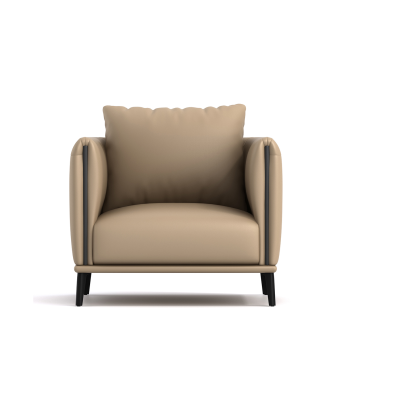


Hotel Furniture Home Sofa Modern Sofa Luxury Modern Sofa Living Room Sofa
$982.00 - $1171.00
MOQ: 1 Pieces


Home Furniture Living Room Sofa Living Room Sofa for Hotels and Home Living Rooms
$835.00 - $1039.00
MOQ: 1 Pieces

Living Room Sofa Home Furniture Living Room Furniture Luxury Modern Sofas
$876.00 - $1322.00
MOQ: 1 Pieces

Comprehensive Sourcing Guide
Strategic Sourcing Guide for Modern Corner Sectional Sofas
Understanding Technical Specifications and Construction Standards
When sourcing a Modern Corner Sectional Sofa, the primary objective is to align technical specifications with the intended commercial or residential application. The market offers a diverse range of configurations, but the core structural integrity relies heavily on the frame material and the density of the cushioning. Based on observed product attributes, the most robust options utilize a dried solid wood frame, often reinforced with metal powder-coated legs. This combination ensures stability and longevity, particularly for high-traffic commercial environments where durability is paramount.
The frame material is a critical differentiator. While some listings indicate a general "Wood" category, specific high-performance models specify "Dried Solid Wood Frame." This distinction is vital because dried wood resists warping and cracking better than green or composite woods, ensuring the sofa maintains its geometric shape over years of use. The legs, typically described as "Metal Powder Coated," provide a modern aesthetic while offering superior load-bearing capacity compared to standard plastic or untreated wood feet.
Cushioning technology is equally significant. The standard for comfort in modern designs often involves "High Density Foam" or "Sponge" padding. High-density foam is preferred for commercial settings as it retains its shape and resists sagging under constant use. The cover material presents another layer of complexity; buyers must navigate between "Fabric/PU Leather" and "Genuine Leather" options. While genuine leather offers a premium feel, PU leather provides a cost-effective alternative that is easier to maintain in certain environments. The fabric weight, such as the observed "180g Polyester," also influences durability and texture, serving as a tangible metric for quality assessment during the selection process.
Compliance, Certification, and Safety Standards
Navigating the regulatory landscape is essential for international procurement, particularly when dealing with furniture that may be subject to fire safety regulations or chemical emission standards. The supply chain for modern corner sectional sofas often includes specific certifications that validate safety and environmental compliance. One notable certification observed in the market is "CARB" (California Air Resources Board), which regulates formaldehyde emissions from composite wood products. Ensuring that a supplier provides CARB-compliant products is a prudent step for buyers targeting markets with strict indoor air quality regulations.
Fire safety is another critical area of compliance. While specific test results vary by region, the market includes products adhering to standards such as "BS" (British Standards) for fire retardancy. Buyers must verify that the foam and fabric treatments meet the specific fire codes of their destination country. The presence of a "Fire Retardant Standard" label indicates that the materials have undergone testing, but the exact classification (e.g., BS 5852, CAL 117) must be confirmed with the supplier. Relying on general claims without specific documentation can lead to compliance failures at customs or during safety inspections.
Additionally, the condition of the product is a fundamental requirement. All observed listings specify "New" condition, which is the baseline expectation for commercial procurement. However, buyers should also verify the "Warranty" terms, which range from 2 to 3 years in the observed data. A warranty period of three years suggests a higher confidence in the product's durability and the manufacturer's commitment to after-sales support. It is crucial to understand that warranty terms are not uniform; they are specific to the supplier and the product model, requiring careful review of the contract before finalizing the order.
Cost Drivers and Pricing Dynamics
The pricing of modern corner sectional sofas is influenced by a complex interplay of material quality, customization options, and logistical factors. The observed price range in the market spans from $89 to $20,000 USD, reflecting the vast spectrum from basic commercial units to high-end, fully customized luxury pieces. This wide variance underscores the importance of defining the budget and quality requirements early in the sourcing process.
Material costs are the most significant driver. A sofa constructed with "Genuine Leather" and a "Dried Solid Wood Frame" will inherently command a higher price point than one using "Fabric/PU Leather" and standard wood composites. The density of the foam padding also impacts cost; high-density foam is more expensive but offers superior longevity. Furthermore, the "Customization" factor plays a substantial role. While some models are "Non-Customized," others offer "Custom Size, Color, Shape," and up to "40 Color Options." Customization introduces additional engineering and labor costs, which are reflected in the final price.
Logistics and packaging also contribute to the total cost of ownership. The "Standard Exported Package" or "Ultra Strong Export Package" mentioned in product attributes is designed to prevent damage during transit, but the volume and weight of the packaging affect shipping costs. The observed shipping volumes, ranging from 3.8 to 5 CBM (Cubic Meters), indicate that corner sectionals are bulky items. Buyers must factor in freight charges, which can be substantial depending on the destination and the chosen shipping method. The "MOQ" (Minimum Order Quantity) also influences unit pricing; while some suppliers offer an MOQ of just "1 Set," larger orders may secure better per-unit rates, though the specific discount structure varies by supplier.
Typical Applications and Usage Scenarios
Modern corner sectional sofas are versatile pieces designed for a variety of applications, ranging from high-end residential living rooms to commercial hospitality spaces. The "General Use" category often specifies "Commercial Furniture," indicating that many models are engineered to withstand the rigors of public use. These include hotels, lobbies, conference centers, and waiting areas where furniture must endure constant foot traffic and frequent rearrangement.
For commercial applications, the "Style" of the sofa is a key consideration. The "Modern" and "Simple" styles observed in the market are particularly popular for their clean lines and ability to blend with various interior design themes. The "Medium Back" height is a common feature that provides adequate support without obstructing sightlines in open-plan spaces. Additionally, the "With Armrest" configuration is standard, offering comfort and structural support, while the "Non Inflatable" nature of these sofas ensures they are ready for immediate use without the need for setup or inflation.
The "Usage" attribute also highlights specific environmental considerations. While most models are designed for indoor use, some listings mention "Outdoor" usage, suggesting the use of weather-resistant materials. However, buyers must exercise caution when selecting outdoor furniture, as standard "Fabric" or "Leather" may degrade if not specifically treated for UV resistance and moisture. The "Washable" attribute is another critical factor; most observed products are "Non Washable," meaning they require professional cleaning or spot treatment. This limitation should be factored into the maintenance plan, especially for high-traffic commercial environments where spills are common.
Supplier Evaluation and Quality Control Protocols
Evaluating suppliers for modern corner sectional sofas requires a rigorous approach to quality control and verification of capabilities. The "prod_origin" of many products is listed as "Guangdong China (Mainland)" or simply "China," indicating a concentration of manufacturing in specific industrial hubs. Buyers should verify the supplier's production capacity and their ability to meet specific quality standards. The "Process" attribute, such as "Powder Coated" frame finishing, is a visible indicator of the manufacturing techniques employed. Powder coating provides a durable, scratch-resistant finish that is superior to standard painting, and its presence suggests a commitment to quality.
Quality control should extend beyond the visual inspection of the finished product. Buyers must verify the consistency of the "Inner Frame" construction, ensuring that the "Dried Solid Wood Frame" is assembled correctly and that the joints are secure. The "Sponge" density and the "Cover Material" quality should be checked against the specifications provided. For instance, if a supplier claims "High Density Foam," the buyer should request density measurements or samples to verify the claim. The "Custom Made" capabilities also require a thorough review of the supplier's design and prototyping processes to ensure that custom requests can be executed accurately.
The "Delivery" lead time is another critical metric for supplier evaluation. The observed range of "Within 7-15 Days" suggests a relatively quick turnaround for standard orders. However, for customized orders, the lead time may extend significantly. Buyers should confirm the specific lead time for their order and include buffer periods for potential delays. The "prod_packing" standard, whether "Standard Exported Package" or "Ultra Strong Export Package," should be reviewed to ensure it meets the requirements for safe transport. A robust packaging strategy minimizes the risk of damage during transit, which is a common issue with large furniture items.
Long-Term Procurement and Lifecycle Management
Sourcing modern corner sectional sofas is not merely a transactional activity but a strategic decision that impacts long-term operational costs and brand image. The "Warranty" period, ranging from 2 to 3 years, serves as a baseline for the expected lifespan of the product. However, buyers should consider the total cost of ownership, which includes maintenance, cleaning, and potential replacement costs. The "Non Washable" nature of most fabrics necessitates a proactive maintenance plan, including regular vacuuming and professional cleaning services to extend the life of the upholstery.
The "Customization" options offer a pathway to future-proofing the procurement strategy. By selecting "Custom Size, Color, Shape," buyers can ensure that the furniture fits their specific spatial requirements and design aesthetic, reducing the need for future replacements. The availability of "up to 40 Color Options" allows for flexibility in matching interior design trends or rebranding efforts. However, buyers must balance this flexibility with the complexity of managing multiple SKUs and the potential for longer lead times for custom orders.
Finally, the "Type" of the sofa, often listed as "Combination," suggests modularity. This modularity is a significant advantage for long-term procurement, as it allows for reconfiguration of the seating arrangement to suit changing space needs or event requirements. The "Folded" status, typically "Unfolded," indicates that these are permanent fixtures rather than temporary solutions. Buyers should plan for the logistics of reconfiguration, ensuring that the "Metal Powder Coated" legs and frame connections remain secure over time. By focusing on these long-term considerations, buyers can maximize the value and utility of their Modern Corner Sectional Sofa investments.
FAQs
What frame material is used for modern corner sectional sofas?
Most models utilize a dried solid wood frame for structural integrity. Some listings also specify wood as the general frame material, ensuring stability for commercial and residential use.
Which certifications are available for these sofa products?
Some products carry CARB certification to regulate formaldehyde emissions. Buyers should verify fire retardant standards like BS compliance for specific regional safety requirements.
Can I get custom sizes and colors for this sofa?
Yes, custom options include size, color, and shape variations. Suppliers often offer up to 40 color choices, though lead times may vary for custom orders.
What is the typical delivery time for these sofas?
Delivery typically occurs within 7 to 15 days for standard orders. Prompt delivery is common, but custom specifications might require additional processing time.
How long is the warranty period for these sofas?
Warranty periods generally range from 2 to 3 years depending on the supplier. A three-year warranty suggests higher confidence in product durability and after-sales support.
What cushioning material is used in the sofa seats?
High density foam is commonly used for the padding to ensure comfort. Some listings also mention sponge as the padding material for the seat cushions.
Are these sofas suitable for commercial furniture use?
Yes, they are categorized as commercial furniture suitable for high-traffic areas. The sturdy construction with metal powder-coated legs supports heavy daily usage.
What is the minimum order quantity for these sofas?
The minimum order quantity can be as low as 1 set for some suppliers. However, other listings may specify different MOQs, so checking specific product details is necessary.