Source Modern Customized Necklace Box for Food, Cosmetics, Apparel
Find 30 options for a Modern Customized Necklace Box designed for food, cosmetics, and apparel packaging. Buyers can compare specifications like size, material, and lead times to select the right supplier for their needs.
Key considerations
Products List

Customized Luxury Jewelry Packaging Box Earring Ring Necklace Bracelet Box
$0.20 - $0.30
MOQ: 1000 Pieces


Jewelry Box Home Ring Box Earrings Necklace Earrings Storage Jewelry Box
$1.67 - $1.91
MOQ: 100 Pieces


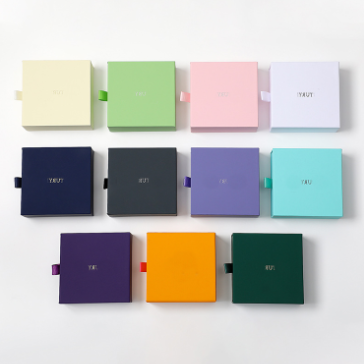


Custom Luxury Jewellery Romantic Gift Packaging Jewelry Ring Pendant Necklace Box
$0.12 - $0.56
MOQ: 500 Pieces


Luxury Custom Bracelet Jewelry Necklace Boxes Packaging Boxes for Jewelry
$0.40 - $5.00
MOQ: 500 Pieces


Comprehensive Sourcing Guide
Strategic Sourcing Guide for Modern Customized Necklace Boxes
The global demand for premium packaging has elevated the customized necklace box from a simple container to a critical component of brand identity and product protection. For B2B procurement professionals, sourcing a "Modern Customized Necklace Box" requires a nuanced understanding of material science, manufacturing capabilities, and supply chain logistics. This guide synthesizes observed market data and technical specifications to provide a disciplined framework for evaluating suppliers and defining product requirements. The focus remains on evidence-based criteria, ensuring that procurement decisions are grounded in verifiable facts rather than marketing assertions.
Defining Technical Specifications and Material Composition
The foundation of a successful necklace box procurement lies in precise technical definition. Modern designs prioritize durability, aesthetic appeal, and functional utility. Based on observed product attributes, the primary material for these boxes is consistently identified as Paper or Card Board. This material choice offers a balance between structural integrity and the ability to undergo various surface treatments. Buyers must verify the specific grammage and density of the paper board, as this directly influences the box's rigidity and its ability to protect delicate jewelry items during transit.
The structural design of the box is equally critical. Observed data indicates that the "Open Way" can vary significantly, with common mechanisms including "Clamshell" and "Pull-out" styles. A clamshell design typically offers a secure, snap-fit closure that protects the contents from dust and accidental opening, while a pull-out mechanism provides a luxurious unboxing experience often associated with high-end jewelry. The shape is frequently specified as "Square," though custom dimensions are available. The "Size" attribute ranges from "Small" to "Medium," and in many cases, dimensions are listed as "as Your Requirement," suggesting a high degree of flexibility in the manufacturing process.
Furthermore, the internal configuration is a key differentiator. The "Insert" is noted as customizable, allowing for the integration of velvet, foam, or plastic trays to hold specific necklace types securely. The "Inside Lid" material is often specified as "Paper/PP or as Request," indicating that buyers can opt for polypropylene (PP) liners for enhanced moisture resistance or standard paper for cost efficiency. The "Printing Page" is typically "Single," meaning the primary branding and design are applied to one side, though complex multi-page designs may be possible depending on the supplier's capability.
Compliance, Certification, and Regulatory Standards
In the B2B sector, compliance is not merely a formality but a prerequisite for market access and brand safety. When sourcing customized jewelry boxes, buyers must scrutinize the supplier's adherence to international standards. Observed product data lists several specific standards, including "SGS," "BV," "ISO," "ROHS," and "cutomized" (customized) standards. These acronyms represent third-party verification bodies and regulatory frameworks that ensure the product meets safety and quality benchmarks.
The "ROHS" standard is particularly relevant for packaging that may come into direct contact with metal jewelry, as it restricts the use of hazardous substances. Similarly, "SGS" and "BV" refer to inspection and certification bodies that verify product quality and compliance. While background knowledge often references "FSC" (Forest Stewardship Council) or "ISO 9001" for quality management, the supplied data does not explicitly confirm these certifications for every listed product. Therefore, procurement teams must treat these as verification points rather than assumed attributes. Buyers should explicitly request current certification documents to confirm that the paper board is sourced sustainably and that the manufacturing process adheres to quality management systems.
The "prod_standard" field in the data varies, ranging from specific dimensions like "10104" or "505040mm" to general "customized" labels. This inconsistency highlights the need for buyers to define their own technical standards clearly in the purchase order. Relying on a supplier's generic "customized" label without specific dimensional tolerances can lead to production errors. The "prod_model" codes, such as "CP20180412002" or "JY-JB24," serve as internal references but do not replace the need for detailed engineering drawings.
Cost Drivers and Pricing Dynamics
Understanding the cost structure of customized necklace boxes is essential for budgeting and negotiation. The observed price range in the market is noted as 0.01 to 5 USD per unit. This wide variance is driven by several factors, including material quality, customization complexity, order volume, and finishing techniques. The "MOQ" (Minimum Order Quantity) ranges from 1 to 5000 units, indicating that suppliers cater to both prototyping needs and large-scale production runs.
The primary cost drivers include the "Logo Craft" methods applied to the box. The observed data lists "Hot Stamping," "Silk Screen," "Embossed," and "UV Printing" as available techniques. Hot stamping and embossing add significant value through tactile and visual appeal but increase production costs and lead times. UV printing offers high-definition graphics but requires specialized equipment. The "Color" of the box, such as the observed "Red" option, can also influence cost if custom dyeing is required versus using standard stock colors.
Additionally, the "prod_packing" method affects the final landed cost. Options range from "Normal" packing to "Packed by Master Carton/Kraft Paper/with Pallet" or specific dimensions like "404040cm." Bulk packaging that optimizes container space reduces shipping costs, while individual protective packaging increases the unit price. The "Lead Time" is another critical cost factor, with "Samples Lead Time" typically at 3-5 days and "Bulk Lead Time" ranging from 10-20 days or confirmed by quantity. Rush orders often incur premium charges, so planning for the standard 10-20 day window is advisable for cost-effective procurement.
Typical Applications and Usage Scenarios
The versatility of modern customized necklace boxes allows them to serve a broad spectrum of applications. The "Application" field in the data lists "Food, Electronic, Apparel, Cosmetics, Household," demonstrating that the same manufacturing capabilities can be adapted for various industries. However, the specific "Usage" for these boxes is predominantly "Packing, Storage, Collection, Gift." The "Style" is often described as "Luxury," targeting the high-end jewelry market where packaging is an integral part of the product value proposition.
For jewelry retailers, the box serves as a storage solution that preserves the item's condition and prevents tarnishing. The "Type" is frequently identified as "Jewelry Set Box" or "necklace box," designed to hold multiple items or specific configurations. The "Boxes" are noted as "Customized," allowing brands to align the packaging with their specific collection themes. The "Item" description, "Accept Custom Made Printed Durable File Boxes," suggests that these boxes can also be repurposed for storing documents or accessories, adding utility beyond the initial sale.
The "Open Way" and "Shape" contribute to the user experience. A "Square" shape with a "Pull-out" mechanism creates a sense of anticipation and luxury, ideal for gift-giving occasions. Conversely, a "Clamshell" design with a "Small" size might be more practical for retail display or bulk storage. The "Insert" customization ensures that the necklace is held securely, preventing movement that could cause scratches or damage. This attention to detail is crucial for maintaining the brand's reputation for quality.
Supplier Evaluation and Logistics Management
Selecting the right supplier requires a rigorous evaluation of their capabilities and logistical reliability. The "prod_origin" is consistently listed as "China," with specific locations including "Shanghai," "Guangdong," and "Fuzhou." These regions are known for their robust manufacturing ecosystems, but buyers should verify the specific factory location to assess proximity to ports and potential logistics advantages. The "Shipping" and "Shipment" options include "Sea," "Air," and "Courier," offering flexibility based on urgency and budget.
When evaluating suppliers, buyers should compare their "prod_packing" standards. Some suppliers offer "Master Carton" and "Pallet" packing, which is essential for international shipping to prevent damage during transit. Others may use "Cardboard Packaging" or "Normal" packing, which might be sufficient for domestic distribution but risky for long-haul ocean freight. The "Lead Time" consistency is also a key metric; while samples are quick (3-5 days), bulk production times of 10-20 days must be factored into the supply chain schedule.
The "Customization" availability is a major differentiator. The data confirms that "Customization" is "Available" and "Custom" is "Yes," meaning suppliers are willing to adapt designs. However, the "Standard" field varies, with some products adhering to "SGS BV ISO" and others to "cutomized" or specific dimensions. Buyers should prioritize suppliers who can demonstrate a clear process for handling custom requests, including the ability to produce samples and adjust designs based on feedback. The "prod_model" codes can be used to track specific product lines, but the focus should remain on the supplier's ability to meet the buyer's unique specifications.
Quality Control and Long-Term Procurement Considerations
Ensuring consistent quality is paramount in long-term procurement relationships. The "prod_standard" field, which includes "ROHS" and "ISO," provides a baseline for quality assurance. However, buyers must implement their own quality control protocols, such as pre-shipment inspections and random sampling. The "Logistics" aspect, including "Sea or Air" shipping, requires careful planning to ensure that the boxes arrive in pristine condition. The "Inside Lid" material, whether "Paper/PP," must be verified for durability and resistance to environmental factors like humidity.
Long-term considerations also involve the scalability of the supplier. The "MOQ" range of 1 to 5000 units suggests that suppliers can accommodate growth, but buyers should confirm the supplier's capacity to handle larger volumes without compromising quality or lead times. The "Bulk Lead Time" being "Will Be Confirmed by Quantity" indicates that production schedules may shift based on order size, necessitating clear communication and contract terms.
Finally, the "Style" and "Usage" of the box should align with the brand's long-term vision. A "Luxury" style may require higher-quality materials and more intricate finishing, which could impact the cost structure over time. Buyers should consider the total cost of ownership, including packaging waste, shipping efficiency, and the potential for reusing the boxes for storage or collection. By focusing on these strategic elements, procurement teams can build a resilient supply chain that supports their brand's growth and reputation in the competitive jewelry market.
FAQs
What materials are used for modern customized necklace boxes?
Modern customized necklace boxes are primarily made from Paper or Card Board. These materials offer structural integrity while allowing for various surface treatments like hot stamping or UV printing to enhance brand identity.
Can I customize the size and shape of the necklace box?
Yes, customization is available for size and shape, with options ranging from Small to Medium or specific dimensions as your requirement. The shape is often Square, but internal inserts can be customized to hold specific jewelry types securely.
What are the typical lead times for sample and bulk orders?
Sample lead times are typically 3-5 days, while bulk production takes 10-20 days depending on the quantity. Specific bulk lead times will be confirmed by the supplier based on the final order volume and customization complexity.
Which certifications should I look for in a supplier?
Suppliers often adhere to standards such as SGS, BV, ISO, and ROHS to ensure product safety and quality. Buyers should verify these certifications explicitly, as they confirm compliance with hazardous substance restrictions and quality management systems.
How are the boxes typically packed for shipping?
Boxes are packed in Master Cartons, Kraft Paper, or with Pallets to ensure safety during transit. Some options include Normal packing or specific dimensions like 40*40*40cm, depending on the supplier's standard and the order requirements.
What printing methods are available for the logo and design?
Available logo craft methods include Hot Stamping, Silk Screen, Embossed, and UV Printing. These techniques allow for durable and high-definition branding on the single printing page, enhancing the luxury style of the jewelry packaging.