Source Modern Customized Makeup Sales Stand for shops, supermarkets, and exhibitions
Find 30 options for a Modern Customized Makeup Sales Stand designed for retail environments. Buyers can compare specifications like material, dimensions, and customization features to select the ideal display solution for cosmetics, documents, or general merchandise.
Key considerations
Products List


Makeup Store Customized Cosmetic Shop Standing Display Shelf Showcase
$586.00 - $1049.00
MOQ: 2 Pieces


Modern Cosmetic Island Display Showcase and Makeup Rack Stand for Mall
$586.00 - $1245.00
MOQ: 2 Pieces


Skincare Products Display Showcase Cosmetic Display Makeup Stands for Store
$409.00 - $682.00
MOQ: 2 Pieces


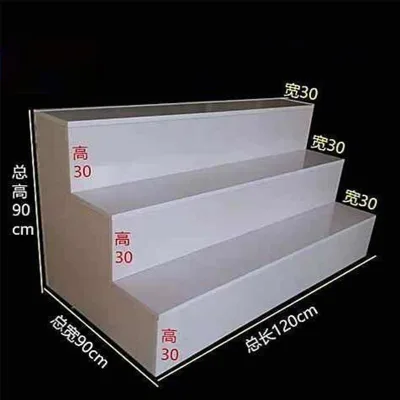


Comprehensive Sourcing Guide
Modern Customized Makeup Sales Stand Sourcing Guide
Sourcing a Modern Customized Makeup Sales Stand requires a strategic balance between aesthetic appeal, functional durability, and supply chain reliability. These fixtures are critical for brand visibility in high-traffic retail environments, serving as both storage solutions and interactive display units for cosmetics. Buyers must navigate a market where materials range from standard plastics to high-clarity acrylics, each offering distinct advantages in terms of cost, weight, and visual impact. The decision to customize is often driven by the need to align the fixture with specific brand identities, ensuring that the display stand reinforces marketing messages while providing practical utility for sales staff and customers.
The procurement process involves evaluating a wide array of product attributes, from side configurations and rotary mechanisms to specific dimensional standards. Observed market data indicates a significant variance in pricing and minimum order quantities, reflecting the complexity of customization options available. Buyers should approach this category with a clear understanding of their operational needs, such as whether the stand is intended for indoor exhibition shows, specialty stores, or general supermarket environments. By focusing on verified specifications and trusted supplier capabilities, purchasers can mitigate risks associated with quality inconsistencies and delivery delays, ensuring that the final product meets both functional and aesthetic expectations.
Product Scope and Observed Listing Signals
The current market for makeup display stands features a diverse range of products designed for various retail applications, including convenience stores, supermarkets, and home use. Listings frequently highlight features such as double-sided configurations, fixed rotary mechanisms, and lightweight construction, which facilitate easy installation and mobility within retail spaces. Materials observed in the market include both plastic and acrylic, with acrylic often specified for its clarity and premium appearance, particularly when used in cosmetic displays. The presence of features like acrylic mirrors and decorative mirror sheets suggests a strong emphasis on enhancing the visual experience for customers interacting with makeup products.
Pricing signals in the market vary widely, with observed ranges extending from low-cost basic units to higher-end customized solutions. Minimum order quantities (MOQs) typically range from single units to larger batches, allowing buyers to scale their procurement based on immediate needs or long-term inventory strategies. Delivery times for small orders are often cited within fifteen days, indicating a responsive supply chain for urgent restocking or promotional events. Buyers should note that while some products are described as "new" and "light weight," others may involve more complex assembly or heavier materials, necessitating careful review of individual product specifications before placing orders.
Technical Specifications to Verify
When evaluating technical specifications, buyers must prioritize dimensions, material thickness, and structural integrity to ensure the stand meets their spatial and load-bearing requirements. Common model numbers such as Vg-Mu11, PB-A001, and PB-P006-C indicate specific design iterations, each with unique dimensions like 406220380mm or 360MM heights. Thickness specifications, such as 3mm acrylic, are critical for determining durability and resistance to warping or breakage under typical retail conditions. Buyers should verify these measurements against their store layouts to ensure proper fit and accessibility, particularly for stands intended for makeup shops or cosmetic stores where product visibility is paramount.
Additional technical considerations include the type of packaging and origin, which impact shipping costs and product safety during transit. Products originating from regions like Zhejiang and Ningbo often utilize bubble bags, EPE foam, and cartons to protect fragile acrylic components during air or sea freight. The HS code 3926909090 provides a standardized classification for customs purposes, aiding in accurate duty calculation and import compliance. Buyers should also confirm whether the stand is designed for indoor use and whether it includes features like antitheft mechanisms, although many cosmetic displays are noted as not being antitheft, relying instead on strategic placement and staff supervision for security.
Compliance and Safety Documentation
Compliance and safety documentation are essential for ensuring that makeup display stands meet regulatory standards in target markets, particularly regarding material safety and fire resistance. While specific certifications are not universally listed, buyers should request material safety data sheets (MSDS) and fire retardancy test results, especially for acrylic and plastic components used in indoor retail environments. The use of acrylic, a common material for cosmetic displays, requires verification of its compliance with local building and fire codes, which may mandate specific flame spread ratings or smoke density levels. Buyers must ensure that suppliers can provide documentation proving that materials are free from harmful substances, aligning with international standards for consumer product safety.
Furthermore, buyers should verify that the manufacturing processes adhere to quality management systems, such as ISO 9001, to ensure consistent product quality and reliability. Although not all suppliers explicitly state their compliance status, requesting evidence of quality control procedures can help mitigate risks associated with defective products. Documentation should also cover the origin of materials, ensuring that suppliers are transparent about their supply chain and can trace components back to reputable sources. This level of due diligence is crucial for maintaining brand reputation and avoiding potential legal issues related to product liability or non-compliance with local regulations.
Cost Drivers and Commercial Terms
Cost drivers for modern customized makeup sales stands include material selection, customization complexity, and order volume. Acrylic stands, while offering superior aesthetic appeal, typically command higher prices than their plastic counterparts due to material costs and processing requirements. Customization options, such as specific dimensions, colors, or branding elements, can further increase costs, as they require additional manufacturing steps and tooling. Buyers should analyze the total cost of ownership, including shipping and handling, which can be significant for bulky or fragile items. Understanding these cost drivers allows buyers to make informed decisions about where to allocate budget for maximum impact.
Commercial terms, including payment methods, delivery times, and return policies, play a crucial role in the procurement process. Suppliers often offer flexible payment terms for repeat customers or large orders, while small orders may require upfront payment. Delivery times, typically within fifteen days for small orders, should be factored into inventory planning to avoid stockouts. Buyers should also negotiate clear terms for damages or defects, ensuring that they are protected in case of shipping issues or manufacturing errors. Establishing strong commercial relationships with suppliers can lead to better pricing and more favorable terms over time, enhancing overall procurement efficiency.
Supplier Qualification and Quality Control
Supplier qualification is a critical step in ensuring the reliability and quality of modern customized makeup sales stands. Buyers should assess suppliers based on their production capacity, technological capabilities, and track record in the industry. Suppliers that accept OEM orders and offer customization services demonstrate flexibility and a commitment to meeting specific buyer requirements. Quality control measures, such as pre-shipment inspections and material testing, are essential for identifying and rectifying defects before products leave the factory. Buyers should request samples to evaluate product quality firsthand, checking for issues like surface imperfections, structural stability, and accurate dimensions.
Building a robust quality control process involves establishing clear acceptance criteria and conducting regular audits of supplier facilities. Buyers should work closely with suppliers to define quality standards and monitor production processes to ensure consistency. Implementing a system for tracking and resolving quality issues can help maintain high standards and improve supplier performance over time. Additionally, buyers should consider the supplier’s ability to scale production to meet increasing demand, ensuring that they can rely on the supplier for long-term partnership. By prioritizing supplier qualification and quality control, buyers can minimize risks and ensure that their makeup display stands meet the highest standards of quality and performance.
Long-Term Procurement Checks
Long-term procurement checks involve continuous monitoring of supplier performance, market trends, and product innovation. Buyers should regularly review supplier metrics, such as on-time delivery rates, defect rates, and responsiveness to issues, to identify areas for improvement. Staying informed about market trends, such as new materials or design innovations, can help buyers remain competitive and offer cutting-edge solutions to their customers. Engaging in regular communication with suppliers can foster collaboration and lead to joint improvements in product quality and efficiency. By maintaining a proactive approach to supplier management, buyers can build resilient supply chains that adapt to changing market conditions.
Additionally, buyers should periodically reassess their procurement strategies to ensure alignment with business goals and customer needs. This may involve exploring new suppliers, negotiating better terms, or investing in technology to streamline the procurement process. Regularly updating product specifications and requirements based on feedback from sales teams and customers can help ensure that makeup display stands continue to meet evolving market demands. By committing to long-term procurement checks, buyers can drive continuous improvement and maintain a competitive edge in the retail industry.
FAQs
Can I customize the acrylic makeup display stand?
Yes, customization is available for these acrylic cosmetic display units. Buyers can request specific dimensions, such as the 406*220*380mm standard size, or other tailored specifications. The product supports OEM services and allows for custom branding or structural adjustments to fit unique retail needs effectively.
What is the typical delivery time for small orders?
Small orders are typically delivered within 15 days. This lead time applies to standard production runs for acrylic cosmetic stands. Buyers should confirm exact timelines with suppliers, as production schedules may vary based on order volume and specific customization requirements for the display units.
What material is used for these cosmetic display stands?
These stands are primarily made from acrylic and plastic materials. The acrylic construction provides a clear, mirror-like finish suitable for showcasing cosmetics. Some variants may include plastic components, ensuring durability while maintaining a lightweight profile for easy handling and installation in various retail environments.
Where are these acrylic display stands manufactured?
These products originate from manufacturing hubs in Zhejiang and Ningbo, China. Suppliers in these regions specialize in acrylic fabrication and plastic molding. Buyers can source directly from factories in these locations, ensuring access to established supply chains for high-quality cosmetic display solutions and efficient logistics.
What is the minimum order quantity for these stands?
The minimum order quantity ranges from 1 to 1000 units, depending on the supplier and product model. This flexibility allows both small retailers and large chains to procure acrylic cosmetic displays. Buyers should verify specific MOQ requirements with individual vendors to align with their inventory and budget constraints.
How are the acrylic stands packaged for shipping?
Packaging typically includes bubble bags, EPE foam, and cartons to protect the acrylic surfaces. Some suppliers use air or sea freight methods with bubble bag protection. This secure packaging ensures the mirror-finish acrylic stands arrive without scratches or damage, maintaining their premium appearance for retail display purposes.