Source Modern Customized Dining Chair for Hotels, Homes, and Restaurants
Explore 30 options for a Modern Customized Dining Chair suitable for hotels, homes, and restaurants. Compare materials like wood, fabric, and metal, along with specifications such as armrests and folding features, to find the right fit for your sourcing needs.
Key considerations
Products List


Modern Customized Dining Chair Comfort and Style for Contemporary Dining Spaces
$500.00 - $1500.00
MOQ: 1 Pieces


Sleek Dining Chair with Adjustable Height for Modern Dining Experiences
$10.00 - $18.00
MOQ: 100 Pieces




Comprehensive Sourcing Guide
Modern Customized Dining Chair Sourcing Guide
Sourcing modern customized dining chairs requires a strategic balance between aesthetic alignment and functional durability. Buyers must first define the specific design language, such as minimalist lines or contemporary curves, while ensuring the customization options meet their volume requirements. The market offers a wide spectrum of materials, from solid wood frames to metal constructions, each presenting distinct maintenance and cost profiles. Understanding these material differences is crucial for selecting chairs that withstand high-traffic environments like hotels, restaurants, and private dining rooms.
Procurement teams should also evaluate the structural integrity and ergonomic features of the proposed designs. Key considerations include the presence or absence of armrests, the stability of the base, and the comfort of the seating surface. Customization extends beyond aesthetics to include dimensions and upholstery choices, allowing for tailored solutions that fit specific spatial constraints. By prioritizing these technical and aesthetic details early in the sourcing process, buyers can mitigate risks associated with mismatched expectations and ensure that the final product aligns with their brand identity and operational needs.
Product Scope and Observed Listing Signals
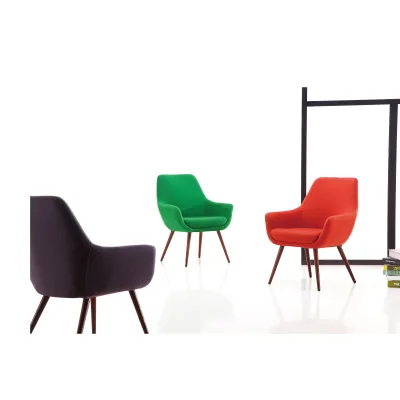
The current market landscape for modern dining chairs reveals a diverse array of options tailored to various interior styles and functional requirements. Listings frequently highlight modern aesthetics, with white finishes and clean lines being prominent features. Buyers will encounter products ranging from simple, armless designs to more complex leisure chairs with armrests, catering to different seating preferences. The observed product range includes items made from wood, fabric, and metal, indicating a versatile supply base capable of meeting varied material specifications. This diversity allows buyers to select chairs that complement specific decor themes, from contemporary living rooms to formal dining areas.
Observed listing signals also point to significant variability in customization capabilities and minimum order quantities. Some suppliers offer fully customized solutions with flexible MOQs starting from a single piece, while others require bulk orders of hundreds of units per color. This disparity necessitates careful alignment between buyer volume needs and supplier capabilities. Additionally, the presence of folded and unfolded variants suggests attention to logistics and storage efficiency. Buyers should scrutinize these signals to determine which suppliers can accommodate their specific order sizes and customization demands without compromising on quality or delivery timelines.
Technical Specifications to Verify
Verifying technical specifications is paramount to ensuring the dining chairs meet functional and spatial requirements. Buyers must confirm exact dimensions, such as standard sizes like 590550840mm or 600600730mm, to ensure compatibility with existing table sets and room layouts. The choice between fixed and rotary bases, as well as the inclusion or exclusion of armrests, significantly impacts user comfort and space utilization. Additionally, the weight of the chairs, ranging from 5kg to 15kg, affects ease of movement and stacking capabilities, which is crucial for venues requiring flexible seating arrangements.
Material composition and construction quality are equally critical technical aspects to verify. Wooden frames offer a classic, sturdy feel, while metal constructions provide modern durability and sleek aesthetics. Fabric upholstery adds comfort but requires specific care instructions. Buyers should request detailed material specifications, including wood type, metal gauge, and fabric density, to assess longevity and maintenance needs. Furthermore, confirming the structural integrity of joints and the stability of the base under load is essential to prevent safety hazards and ensure long-term satisfaction with the purchase.
Compliance and Safety Documentation
Compliance with safety and quality standards is non-negotiable for dining chairs, especially those intended for commercial use. Buyers should insist on relevant certifications, such as TUV, which indicate that the products have undergone rigorous testing for structural integrity and material safety. These certifications provide assurance that the chairs meet international safety benchmarks, reducing liability risks for hospitality and retail clients. Additionally, verifying compliance with fire retardancy standards for upholstery materials is crucial, particularly in public spaces where fire safety regulations are strictly enforced.
Beyond product-specific certifications, buyers must ensure that suppliers adhere to broader environmental and labor standards. While some suppliers may claim FSC certification for wood sourcing, buyers should verify the authenticity of such claims through independent audits or documentation. This due diligence supports corporate social responsibility goals and appeals to environmentally conscious consumers. Furthermore, understanding the warranty terms, which may range from one to five years, provides insight into the supplier’s confidence in their product’s durability. Clear warranty policies protect buyers from premature failures and ensure long-term value for their investment.
Cost Drivers and Commercial Terms
Understanding the cost drivers behind modern customized dining chairs helps buyers negotiate better terms and budget effectively. Material costs, such as the type of wood, metal, or fabric used, significantly influence the final price. Customization options, including bespoke dimensions, colors, and upholstery patterns, add to the production complexity and cost. Buyers should also consider the impact of minimum order quantities on pricing, as larger orders often benefit from economies of scale. Additionally, packaging requirements, such as standard export cartons with wooden frames, contribute to shipping costs and must be factored into the total landed cost.
Commercial terms, including payment methods and delivery times, play a crucial role in the procurement process. Suppliers may offer flexible payment terms like T/T or PayPal, but buyers should negotiate favorable conditions based on order volume and relationship history. Delivery times, typically ranging from 25 to 45 days, vary depending on customization levels and production capacity. Buyers must align these timelines with their project schedules to avoid delays. Furthermore, understanding the aftersale service offerings, such as replacement parts or repair services, can mitigate long-term maintenance costs and enhance the overall value proposition of the purchase.
Supplier Qualification and Quality Control
Supplier qualification is a critical step in ensuring the reliability and consistency of modern customized dining chairs. Buyers should conduct thorough due diligence, including verifying business licenses, production capabilities, and past performance records. Assessing the supplier’s quality control processes, from raw material inspection to final product testing, is essential to maintain high standards. Suppliers with robust QC systems are more likely to deliver products that meet specified requirements consistently, reducing the risk of defects and returns. Additionally, evaluating the supplier’s responsiveness and communication skills can indicate their ability to handle customization requests and resolve issues promptly.
Implementing a rigorous quality control plan, including pre-shipment inspections and third-party audits, further mitigates risks. Buyers should define clear acceptance criteria for dimensions, finish quality, and structural integrity before production begins. Regular communication with the supplier during the production phase allows for early detection and correction of potential issues. Furthermore, establishing a clear protocol for handling non-conforming products, including replacements or refunds, protects the buyer’s interests. By prioritizing supplier qualification and active quality control, buyers can build a reliable supply chain that supports their brand reputation and customer satisfaction.
Long-Term Procurement Checks
Long-term procurement success depends on continuous monitoring and evaluation of supplier performance and product quality. Buyers should establish key performance indicators, such as on-time delivery rates, defect rates, and responsiveness to issues, to track supplier reliability over time. Regular reviews of these metrics help identify areas for improvement and foster a collaborative relationship with suppliers. Additionally, staying updated on market trends and material innovations allows buyers to make informed decisions about future purchases, ensuring their dining chair selections remain relevant and competitive.
Sustainability and ethical sourcing practices should also be part of long-term procurement strategies. Buyers should periodically audit suppliers to ensure compliance with environmental and labor standards, reinforcing their commitment to responsible business practices. Engaging in open dialogue about sustainability goals can drive continuous improvement and innovation within the supply chain. Furthermore, maintaining a diversified supplier base reduces dependency on single sources and enhances resilience against supply chain disruptions. By focusing on long-term relationships and continuous improvement, buyers can secure a stable supply of high-quality modern customized dining chairs that meet their evolving needs.
FAQs
Can modern customized dining chairs be folded for storage?
Yes, certain models are designed to be folded, offering space-saving benefits for homes and hotels. Other variants remain unfolded with fixed rotary structures. Buyers should verify the specific folded status and armrest configuration when selecting chairs for compact living areas or multi-purpose dining rooms.
What materials are used for modern customized dining chairs?
Manufacturers typically use wood, fabric, or metal for these chairs. Wooden frames provide a classic modern look, while fabric upholstery adds comfort. Metal options offer durability for high-traffic restaurants. The choice depends on the desired aesthetic and functional requirements for dining rooms, kitchens, or cafes.
What is the typical lead time for customized orders?
Production usually takes between 25 to 45 days after order confirmation. This timeframe allows for customization of dimensions, colors, and materials. Buyers should plan their procurement schedule accordingly to ensure timely delivery for hotel projects or home renovations, considering the standard export carton packaging.
Are certifications available for these dining chairs?
Yes, some products carry TUV certification, ensuring safety and quality standards. Buyers requiring specific compliance for international markets should request documentation during the inquiry phase. High-quality materials and construction processes support these certifications, providing assurance for commercial and residential installations.
What is the minimum order quantity for customization?
MOQs vary, with some suppliers accepting just one piece for samples or small projects. Others may require 30 sets or 100 pieces per color for full customization. Buyers should clarify MOQ requirements early to align with their budget and volume needs for dining room or hotel furniture.
How are modern dining chairs packaged for shipping?
Chairs are typically packed in standard export cartons with wooden frames for protection. Some metal or fabric models may use simple box packaging. This secure method prevents damage during transit, ensuring products arrive in new condition for immediate installation in homes, hotels, or commercial dining spaces.