Source Modern Durable Metal Trim for Edge Lines and Decor
Find 30 listings for Modern Durable Metal Trim suitable for office building interiors, decorative tile trims, and edge lines. Compare stainless steel profiles with various surface treatments and certifications to identify the right solution for your project needs.
Key considerations
Products List


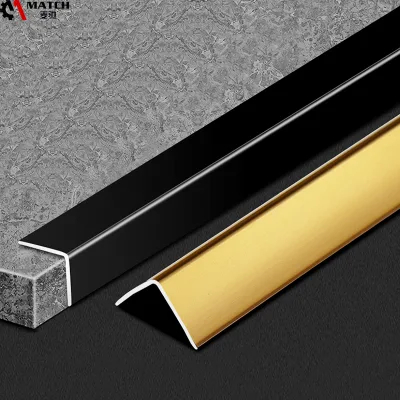


Factory on Sale Aluminum J Trim with Competitive Price with Soffit/Siding Use
$1.10 - $1.15
MOQ: 3000 Pieces


3/8inch 26gauge Colorful Aluminum J Trim with Soffit /Sidind for USA/Canada Market
$1.15 - $1.25
MOQ: 3000 Pieces




Comprehensive Sourcing Guide
Modern Durable Metal Trim Sourcing Guide
Sourcing Modern Durable Metal Trim requires a disciplined approach that balances aesthetic precision with structural integrity. Buyers must recognize that "metal trim" is not a monolithic category but a diverse group of components serving distinct functions, ranging from decorative edge lines for interior tiles to heavy-duty parts for metal processing machinery. The observed market data indicates a wide variance in product attributes, with materials primarily centered around stainless steel, yet applications spanning from simple decorative trims to complex industrial machinery parts. This divergence means that a one-size-fits-all procurement strategy will fail; instead, buyers must segment their requirements based on whether the end-use is architectural, decorative, or industrial.
The decision-making process begins with defining the specific role of the trim within the final assembly or installation. For instance, if the goal is to enhance the visual appeal of interior spaces, the focus shifts toward surface finishes, color consistency, and ease of installation. Conversely, if the trim is intended for use in metal casting or forging machinery, the priority moves toward material grade, tolerance precision, and resistance to mechanical stress. Understanding this fundamental distinction allows procurement teams to filter suppliers effectively, ensuring that they engage with vendors who possess the specific manufacturing capabilities required for their particular application, rather than settling for generic solutions that may lack the necessary durability or aesthetic quality.
Product Scope and Observed Listing Signals
The current market landscape for metal trim reveals a significant overlap between decorative architectural elements and industrial machinery components. Observed listings highlight products such as stainless steel tile trim profiles designed for edge lines and interior decoration, which emphasize features like waterproofing, moisture-proofing, and easy installation. These products are often marketed with specific design styles, such as modern or industrial aesthetics, and come in various finishes including polished, brushed, or powder-coated surfaces. The presence of these decorative trims suggests a strong demand for high-grade materials that can withstand environmental factors while maintaining a sleek, contemporary appearance suitable for office buildings and residential interiors.
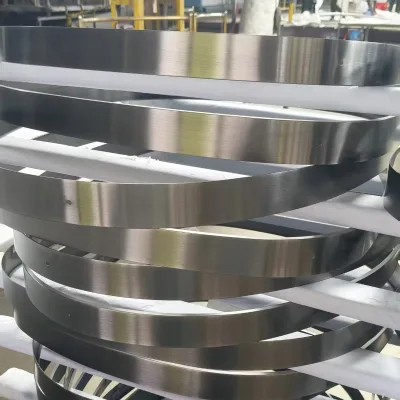
Simultaneously, the market includes suppliers offering parts for metal processing machinery, such as cutting, spinning, and straightening equipment. These industrial-grade trims are characterized by their functional role in supporting heavy-duty operations and are often subject to stricter tolerance requirements, such as +/-0.2mm. The coexistence of these two distinct product types in the same sourcing environment underscores the importance of precise keyword targeting and specification verification. Buyers must carefully distinguish between decorative trims, which prioritize visual appeal and surface treatment, and industrial components, which prioritize mechanical performance and dimensional accuracy, to avoid misalignment between supplier capabilities and project needs.
Technical Specifications to Verify
Dimensional accuracy and material composition are the primary technical factors that determine the suitability of metal trim for any given application. For decorative trims, thickness variations are common, with observed ranges extending from 0.4mm to 3mm, allowing for customization based on structural requirements. Buyers should verify the specific grade of stainless steel used, as "high grade" is a broad term that can encompass various alloys with different corrosion resistance and strength properties. Additionally, surface treatments such as polishing, brushing, powder coating, or anodizing play a crucial role in both the aesthetic appeal and the longevity of the trim, particularly in environments exposed to moisture or frequent handling.
Tolerance levels are another critical specification that must be rigorously verified, especially for industrial applications. While decorative trims may allow for some flexibility in dimensions, machinery parts often require tight tolerances, such as +/-0.2mm, to ensure proper fit and function within larger assemblies. Buyers should request detailed technical drawings or specifications from suppliers to confirm that the product meets these precise requirements. Furthermore, the customization options available, including OEM and ODM services, should be evaluated to ensure that the supplier can adapt the trim to specific design needs, whether that involves unique shapes, colors, or functional modifications.
Compliance and Safety Documentation
Certification standards serve as a vital indicator of a supplier’s commitment to quality and regulatory compliance. Many observed listings highlight certifications such as ISO9001, ISO14001, and CE, which demonstrate adherence to international quality management and environmental standards. These certifications are particularly important for buyers operating in regulated markets or those who require assurance that their suppliers follow consistent manufacturing processes. However, buyers should not assume that all listed certifications apply to every product; instead, they should verify which specific certifications are relevant to the type of trim being sourced, whether it is for decorative or industrial use.
In addition to general certifications, buyers should inquire about specific standards that may apply to their industry, such as GB or EN standards for metal products. While some listings mention standards like EN 10025 or EN 10219, these are often background references and may not be explicitly confirmed for every product. Therefore, it is essential to request documentation that explicitly states compliance with the relevant standards for the specific material and application. This due diligence helps mitigate risks associated with non-compliance and ensures that the sourced metal trim meets the necessary safety and performance criteria for its intended use.
Cost Drivers and Commercial Terms
Pricing in the metal trim market is influenced by a variety of factors, including material costs, customization requirements, and order volume. The observed price range is extensive, spanning from low-cost decorative items to high-value industrial components, reflecting the diversity of products available. Buyers should be aware that customization, such as specific surface finishes or unique shapes, can significantly impact the final cost. Additionally, the minimum order quantity (MOQ) varies widely, from as low as one unit to as high as 15,000 units, which can affect the unit price and overall procurement strategy.
Lead times and payment terms are also critical commercial considerations that can impact project timelines and cash flow. Observed delivery times typically range from 15 to 30 days, but this can vary depending on the complexity of the order and the supplier’s current production capacity. Buyers should negotiate clear lead time commitments and include penalties for delays in their contracts to ensure timely delivery. Furthermore, understanding the supplier’s sample policy is crucial, as many offer samples to verify quality before committing to large orders. This step allows buyers to assess the product’s physical attributes and ensure it meets their expectations before finalizing the purchase.
Supplier Qualification and Quality Control
Evaluating a supplier’s manufacturing capabilities and quality control processes is essential for ensuring consistent product quality. Buyers should assess whether the supplier has the necessary equipment and expertise to produce the specific type of metal trim required, whether it is a decorative profile or an industrial machinery part. The availability of customization services, such as graphic design or 3D model design, can be a valuable indicator of a supplier’s flexibility and ability to meet unique project requirements. Additionally, suppliers that offer online technical support and comprehensive after-sales service demonstrate a commitment to customer satisfaction and long-term partnership.
Quality control measures should be clearly defined and agreed upon before placing an order. Buyers should inquire about the supplier’s inspection processes, including in-process checks and final product inspections, to ensure that the metal trim meets the specified tolerances and surface finish requirements. Requesting third-party inspection reports or certifications can provide additional assurance of quality. Furthermore, establishing a clear communication channel for addressing any issues or discrepancies is crucial for maintaining a smooth procurement process and resolving any potential problems promptly.
Long-Term Procurement Checks
Building a sustainable supply chain for metal trim requires ongoing monitoring and evaluation of supplier performance. Buyers should regularly review key performance indicators such as delivery times, product quality, and responsiveness to issues to ensure that the supplier continues to meet their expectations. Establishing a feedback loop with the supplier can help identify areas for improvement and foster a collaborative relationship that benefits both parties. Additionally, staying informed about market trends and technological advancements in metal trim manufacturing can help buyers make informed decisions and stay competitive.
Finally, buyers should consider the long-term implications of their sourcing decisions, including the environmental impact and sustainability of the materials used. Suppliers that adhere to environmental standards such as ISO14001 are often more committed to sustainable practices, which can align with broader corporate sustainability goals. By prioritizing suppliers with strong environmental and social governance practices, buyers can contribute to a more responsible and resilient supply chain. Regularly reassessing supplier qualifications and market conditions ensures that the procurement strategy remains aligned with the organization’s evolving needs and values.
FAQs
What certifications do the metal trim products hold?
The products hold ISO9001, ISO14001, CE, and SGS certifications. These standards ensure quality management and environmental compliance for industrial applications like metal casting and processing machinery parts.
Can I request custom specifications for the metal trim?
Yes, customization is available for the metal trim profiles. Buyers can specify dimensions such as thickness ranging from 0.4mm to 3mm, and the standard can be adjusted to meet specific project requirements.
How long is the delivery time for these metal trims?
The standard delivery time is between 15 to 30 days. This lead time applies to orders placed with suppliers located in China, including those in Foshan and Guangdong regions.
What materials are used to manufacture the metal trim?
The primary material used is stainless steel, ensuring durability and resistance to corrosion. This material is suitable for various applications including metal coating, drawing, and straightening machinery parts.
Is sample support available for testing the metal trim quality?
Samples are supported for buyers to verify product quality before bulk orders. The single package size for samples varies, with some measuring 100x3x10cm or 12x5x5cm depending on the specific profile type.
What surface treatments are offered for the metal trim?
Surface treatments include polished, brushed, powder coating, and anodized finishes. These options provide an elegant surface suitable for decorative tile trims and interior decoration projects requiring moisture-proof features.
Which packaging methods are used for shipping the metal trim?
Products are packed in cartons, wooden cases, or cardboard boxes. This packaging ensures safe transport for items like gypsum lines and stainless steel tile trim profiles during international shipping.