Source Modern Durable Side Table for Living Room, Bedroom, Hotel
Find a Modern Durable Side Table from 30 verified listings. Compare options featuring solid wood, metal frames, and MDF tops with customizable sizes for living rooms, bedrooms, and hotels.
Key considerations
Products List




Comprehensive Sourcing Guide
Modern Durable Side Table Sourcing Guide
Sourcing modern durable side tables requires a careful balance between aesthetic alignment and structural integrity, particularly when targeting B2B clients in hospitality, residential, or commercial sectors. The current market landscape indicates a strong preference for designs that merge contemporary styling with robust material compositions, such as solid wood paired with metal frames or fiberboard tops supported by steel shelving. Buyers must navigate a diverse range of product listings that vary significantly in origin, customization capabilities, and technical specifications. Understanding these variations is critical for ensuring that the final procurement aligns with both brand identity and functional requirements.
This guide provides a structured approach to evaluating side table suppliers, focusing on the key attributes that define durability and modern design. By examining product scope, technical specifications, compliance requirements, cost drivers, supplier qualifications, and long-term procurement checks, buyers can make informed decisions that mitigate risk and enhance value. The following sections detail the essential considerations for sourcing high-quality side tables that meet the demands of modern interior environments.
Product Scope and Observed Listing Signals
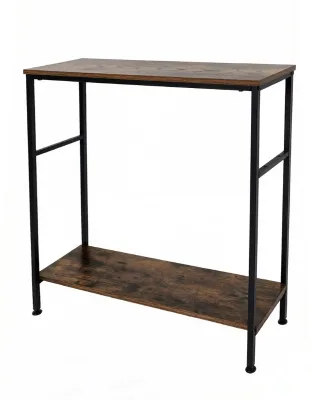
The observed product listings reveal a wide spectrum of side table configurations, ranging from simple round designs to multifunctional units with storage capabilities. Key attributes frequently highlighted include modern and European styles, with materials spanning solid wood, fiberboard (MDF), and metal components. For instance, some listings specify a brown wood-grain tabletop with black steel shelves, while others emphasize solid wood construction with metal frames. These variations suggest that buyers should clearly define their aesthetic and functional needs before engaging with suppliers, as the market offers diverse options to suit different interior themes.
Customization is a prevalent feature in the current market, with many suppliers accepting OEM designs and customer logos. This flexibility allows buyers to tailor products to specific brand identities or project requirements. However, it also necessitates careful verification of customization limits, such as size tolerances and material options. Listings often indicate that sizes can be customized, with some specifying standard dimensions like 802380cm or D40*H45cm, while others allow for fully bespoke dimensions. Buyers should leverage this customization potential to ensure that the side tables fit seamlessly into their intended spaces, whether living rooms, bedrooms, hotels, or study areas.
Technical Specifications to Verify
When evaluating technical specifications, buyers should prioritize the verification of material composition and structural stability. The presence of metal frames or steel shelves often contributes to the durability of side tables, particularly in high-traffic environments. It is essential to confirm the type and thickness of metal used, as well as the quality of the tabletop material, whether it is solid wood, MDF, or another composite. Additionally, the finish and edge banding, such as paint or wood grain effects, should be assessed for their resistance to wear and tear, ensuring that the tables maintain their aesthetic appeal over time.
Dimensional accuracy and tolerance are also critical factors that impact the fit and functionality of side tables. Listings may specify dimensional tolerances, such as <±2cm, which buyers should consider when planning installations or inventory management. Furthermore, the weight and single volume of the products are important for logistics and shipping calculations. Buyers should request detailed specifications for each product variant, including weight, dimensions, and packaging details, to ensure that the products meet their operational and spatial requirements.
Compliance and Safety Documentation
Compliance with safety and quality standards is paramount when sourcing side tables, especially for commercial applications. Buyers should verify that suppliers adhere to relevant industry standards for furniture safety, including stability, flammability, and chemical emissions. While specific certifications may not be explicitly listed in all product descriptions, buyers should proactively request documentation to confirm compliance with local and international regulations. This due diligence helps mitigate risks associated with product liability and ensures that the side tables are safe for end-users.
Additionally, buyers should inquire about the warranty terms provided by suppliers, as this can serve as an indicator of product quality and supplier confidence. A standard one-year warranty, as observed in some listings, offers a baseline level of protection, but buyers may negotiate extended warranty periods for larger orders or critical projects. Understanding the warranty coverage, including what is included and excluded, is essential for managing long-term maintenance costs and ensuring customer satisfaction.
Cost Drivers and Commercial Terms
Cost drivers for modern durable side tables include material costs, customization complexity, and production volume. Suppliers often set minimum order quantities (MOQs) that can range from 100 pieces to higher thresholds, influencing the unit price and overall procurement budget. Buyers should analyze the cost implications of different MOQs and customization options to determine the most cost-effective strategy for their needs. Additionally, factors such as packaging standards and shipping terms, such as FOB Qingdao, can impact the total landed cost, requiring careful negotiation and planning.
Commercial terms, including payment methods, delivery cycles, and return policies, also play a significant role in the procurement process. Delivery cycles, which may extend to 35-40 days, should be factored into project timelines to avoid delays. Buyers should establish clear communication channels with suppliers to monitor production progress and address any issues promptly. Understanding the full scope of commercial terms helps buyers manage expectations and maintain control over the procurement process.
Supplier Qualification and Quality Control
Supplier qualification is a critical step in ensuring the reliability and consistency of side table supplies. Buyers should assess suppliers based on their production capabilities, quality control processes, and track record in the industry. Visiting manufacturing facilities or requesting third-party audits can provide valuable insights into the supplier's operations and commitment to quality. Additionally, buyers should evaluate the supplier's ability to meet customization requests and maintain consistent product quality across batches.
Quality control measures, such as pre-shipment inspections and sample approvals, are essential for verifying that the delivered products meet the specified standards. Buyers should establish clear quality criteria and inspection protocols in their contracts with suppliers. Regular communication and feedback loops can help identify and address quality issues early in the production process, reducing the risk of defects and ensuring that the final products meet the buyer's expectations.
Long-Term Procurement Checks
Long-term procurement checks involve ongoing monitoring of supplier performance and product quality to ensure sustained value and reliability. Buyers should establish key performance indicators (KPIs) to track metrics such as delivery times, defect rates, and customer satisfaction. Regular reviews of these metrics can help identify areas for improvement and strengthen the supplier relationship over time. Additionally, buyers should stay informed about market trends and technological advancements in side table design and manufacturing to remain competitive.
Furthermore, buyers should consider the environmental and social impact of their procurement decisions, seeking suppliers who demonstrate commitment to sustainability and ethical practices. This may include verifying the source of materials, assessing labor conditions, and evaluating waste management practices. By integrating these long-term checks into their procurement strategy, buyers can build a resilient and responsible supply chain that supports their business goals and values.
FAQs
Can I customize the size of the Modern Durable Side Table?
Yes, the size is fully customizable to meet your specific requirements. The product page confirms that dimensions can be adjusted, with a standard dimensional tolerance of less than plus or minus 2 centimeters for precision.
What is the minimum order quantity for these side tables?
The minimum order quantity is 100 pieces for this product line. This MOQ applies to the Modern Durable Side Table models listed, ensuring efficient production runs for bulk buyers.
How long is the delivery cycle for these tables?
The standard delivery cycle ranges from 35 to 40 days after order confirmation. This lead time accounts for manufacturing and export standard packing procedures required for international shipping.
Which materials are used to construct the Modern Durable Side Table?
The tables are constructed using solid wood and fiberboard for the tabletop, often supported by a metal frame. Some variants also feature steel shelving units to ensure structural integrity and durability.
Can the supplier accept custom logos on the product?
Yes, the supplier accepts customer logos as part of their customization services. This OEM design capability allows buyers to brand the Modern Durable Side Table according to their specific corporate identity.
What warranty is provided for the Modern Durable Side Table?
A one-year warranty is provided for the product to cover manufacturing defects. This warranty ensures that the Modern Durable Side Table remains functional and reliable for the buyer during the initial usage period.