Source Modern Durable Travertine Stair Nosing for Villas, Homes, and Offices
Compare 30 listings for Modern Durable Travertine Stair Nosing from verified Chinese suppliers. Buyers can evaluate specifications like thickness, finish, and customization options for villa, home, and office applications; compare the available evidence and request quotations based on your requirements.
Key considerations
Products List


Elegant Appearance Stair Parts Anti-Slip Stair Nosing for Home Decoration
$0.50 - $10.00
MOQ: 100 Meters


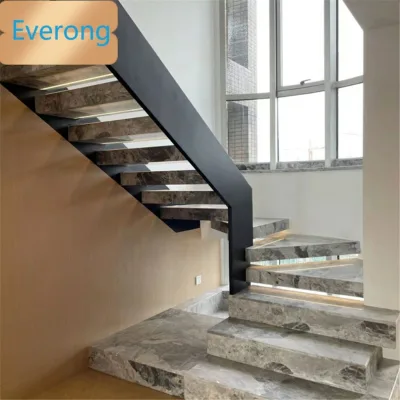


Starstone Natural Stone Marble Travertine Fluted Marble Travertine Tile
$15.90 - $25.90
MOQ: 100 Square Meters

Starstone Classic Beige Travertine Custom Size Shape Stairs Cream Honed Stair Steps
$26.95 - $40.95
MOQ: 10 Square Meters


Natural Stone Granite Marble Sandstone Travertine Step Stairs Tile
$35.00 - $75.00
MOQ: 200 Square Meters

White Travertine Filled and Honed Travertine Fireplace Outside Wall Cladding Flooring Stepping
$22.00 - $36.00
MOQ: 300 Square Meters


Building Material Popular White Travertine Stone Travertine Tile for Flooring
$28.00 - $48.00
MOQ: 100 Square Meters

Super White Travertine in Honed Filled for Wall Cladding Tile/Step Nosing Tread
$15.00 - $500.00
MOQ: 10 Square Meters

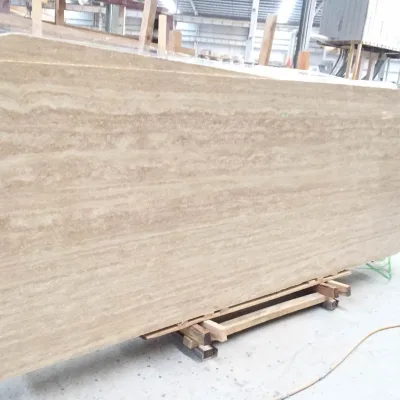


Lightweight Travertine Flexible Stone Panels for Building Wall Covering
$7.10 - $8.30
MOQ: 200 Square Meters


$40.00 - $100.00
MOQ: 30 Square Meters

Comprehensive Sourcing Guide
Modern Durable Travertine Stair Nosing Sourcing Guide
Procuring Modern Durable Travertine Stair Nosing requires balancing aesthetic elegance with rigorous safety performance, particularly for high-traffic residential and commercial environments. Buyers must distinguish between solid stone units and metal-trimmed solutions, as the supplied data indicates a market offering both aluminum alloy profiles and cut-to-size marble floating stairs. The decision hinges on whether the project demands the natural texture of Dolomite marble or the structural consistency of brushed metal finishes designed to integrate with tile systems.
Sourcing strategies should prioritize suppliers who explicitly offer customization for size and shape, as standard dimensions rarely fit complex stair geometries. The observed product range includes specific models like HG404 and HG410, alongside custom Italian marble designs, suggesting that flexibility in manufacturing is a critical selection criterion. Buyers should verify if the supplier provides total project solutions, including 3D model design, to ensure the nosing aligns perfectly with the overall architectural style, whether it be Modern, Classic, or European.
Product Scope and Observed Listing Signals
The current market presents a diverse array of stair accessories, ranging from functional metal treads to decorative stone elements, which necessitates careful filtering to find the specific durable travertine solution required. Listings frequently highlight attributes such as "Stone Travertine" and "Spanish Beige Travertine Marble," indicating that natural stone is a primary category, yet many entries also feature aluminum alloy materials with brushed finishes. This duality means buyers must scrutinize product descriptions to confirm the core material is indeed stone rather than a metal composite, as the durability and maintenance profiles differ significantly between these two distinct material classes.
Observations of the product listings reveal that "Various Sizes" and "Cutomsize" options are standard, allowing for tailored installation in villas, bedrooms, and living rooms. However, the presence of "Tile Accessory Type" attributes suggests that some products are designed specifically as trim pieces for tile installations rather than standalone stone treads. Buyers should look for explicit mentions of "marble floating stairs" or "Dolomite" to ensure the product matches the intended aesthetic, while also checking for protective films and specific finishes like polished or brushed surfaces that affect the final visual impact.
Technical Specifications to Verify
Technical verification must begin with thickness and dimensional accuracy, as the data shows a wide variance from 0.8mm metal profiles to 20mm stone slabs. For travertine applications, the 20mm thickness is a critical benchmark for structural integrity and slip resistance, whereas thinner metal nosings serve different functional roles. Buyers should explicitly request mill certificates or physical samples to confirm the actual thickness, ensuring it meets the load-bearing requirements of the specific stair application, whether it is a residential villa or a commercial public space.
Surface finish and anti-slip properties are equally vital, with listings citing "Ba Brushed" finishes for metal and "Polished" finishes for stone. The functional requirement for "Non-slip" performance must be validated against the specific finish chosen, as a polished stone surface may require additional treatment to meet safety standards in wet areas. Additionally, the presence of "Various Punched Holes" in metal variants indicates potential mounting options that must align with the stair stringer design, requiring precise coordination between the supplier's standard hole patterns and the installer's structural constraints.
Compliance and Safety Documentation
Compliance verification is essential when sourcing materials that claim to meet international standards, as the provided facts mention ASTM standards alongside ISO certifications. Buyers should demand proof of these certifications specifically for the travertine or metal components being purchased, ensuring that the product has undergone rigorous testing for durability and safety. The distinction between a general "ISO" certification and specific material standards like ASTM is crucial, as it dictates the level of quality control and material consistency the supplier maintains throughout the production process.
Safety documentation must also address the installation and long-term maintenance requirements, particularly for products used in indoor environments like bathrooms and living rooms. The availability of "Online Technical Support" and "Onsite Installation" services suggests that the supplier offers guidance on proper fitting, which is a key component of safety compliance. Buyers should verify that the supplier provides clear instructions on handling the "Protective Film" and ensuring the "Non-slip" function remains effective over time, as improper installation can compromise the safety features of the stair nosing.
Cost Drivers and Commercial Terms
Cost structures for Modern Durable Travertine Stair Nosing are heavily influenced by material type, customization levels, and the complexity of the finishing process. The observed price range of 0.5 to 2800 USD reflects the vast difference between standard metal trim pieces and custom-cut, polished marble units. Buyers should anticipate higher costs for "Cut-To-Size" stone products that require specialized machinery and labor, whereas standard aluminum alloy profiles with "Various Shapes" may offer more economical solutions for large-scale projects.
Commercial terms such as Minimum Order Quantity (MOQ) and packaging requirements significantly impact the total procurement cost, with observed MOQs ranging from 1 to 500 units. The data indicates that products are often shipped on "Pallets" or in "Single package size" configurations, which affects logistics and handling expenses. Buyers must negotiate clear terms regarding "Return and Replacement" policies and "Warranty" periods, which are listed as "More Than 5 Years" for some stone products, to mitigate financial risks associated with potential defects or shipping damage.
Supplier Qualification and Quality Control
Supplier qualification should focus on verifying their capability to deliver consistent quality across different material types, from aluminum alloys to natural marble. The presence of "Project Solution Capability" including graphic design and 3D modeling indicates that advanced suppliers can offer comprehensive support, ensuring the nosing fits the architectural vision perfectly. Buyers should prioritize suppliers who demonstrate experience with "Chinese" origins and specific regions like "Guangdong," known for their manufacturing expertise in stone and metal processing, while also checking for "OEM Is Acceptable" status to ensure brand flexibility.
Quality control processes must be rigorously assessed, particularly regarding the "Finished" state of the product, whether it is polished stone or brushed metal. The "After-sale Service" offerings, such as "Onsite Inspection" and "Onsite Training," are strong indicators of a supplier's confidence in their product quality and their commitment to customer satisfaction. Buyers should request references or case studies to confirm that the supplier has successfully delivered projects with similar specifications, ensuring that the "Eco-Friendly" claims and material integrity are maintained from production to final installation.
Long-Term Procurement Checks
Long-term procurement success depends on establishing a reliable supply chain that can consistently meet evolving project demands and quality expectations. Buyers should monitor the supplier's ability to maintain "Customized" production capabilities over time, ensuring that future orders match the initial samples in terms of color, texture, and dimensions. The "Warranty" of more than five years for stone products suggests a long-term commitment, but buyers must verify the specific terms and conditions to understand what constitutes a valid claim and how replacements are handled.
Regular performance reviews are necessary to ensure that the "Non-slip" and "Decoration" functions remain effective throughout the product's lifecycle. Buyers should track the supplier's response to any quality issues, leveraging the "Online Technical Support" and "Return and Replacement" services to resolve problems quickly. By maintaining open communication and setting clear performance benchmarks, buyers can ensure that the Modern Durable Travertine Stair Nosing continues to meet safety and aesthetic standards, supporting the longevity and value of the built environment.
FAQs
What materials are used for modern durable stair nosing?
Modern durable stair nosing is typically crafted from aluminum alloy or metal to ensure longevity and resistance to wear. These materials provide a robust structure that withstands heavy foot traffic while maintaining a sleek appearance. The aluminum alloy construction offers a lightweight yet strong solution for both residential and commercial applications, ensuring safety and aesthetic appeal over time.
Can I customize the size and shape of stair nosing?
Yes, customization is available for stair nosing to fit specific project requirements. Buyers can select from various sizes and shapes, including cut-to-size options for stone or marble applications. This flexibility allows for precise installation on different stair configurations, ensuring a seamless look that matches the overall design style, whether modern, classic, or European.
What certifications do these stair nosing products hold?
These stair nosing products hold ISO certification, ensuring they meet international quality and safety standards. The aluminum alloy materials are processed to meet ASTM standards, providing reliability for commercial and residential use. This certification guarantees that the products undergo rigorous testing for durability and performance, giving buyers confidence in the quality and consistency of the supplied materials.
How thick are the aluminum alloy stair nosing profiles?
The aluminum alloy stair nosing profiles are available in thicknesses of 0.8mm and 1.0mm. These specific dimensions provide a balance between structural integrity and aesthetic slimness. The 0.8mm option offers a lightweight solution, while the 1.0mm variant provides enhanced durability for high-traffic areas, ensuring the nosing remains secure and functional over extended periods of use.
What finish options are available for metal stair nosing?
Metal stair nosing is available with a Ba brushed finish, providing a sophisticated and modern aesthetic. This finish enhances the visual appeal while offering practical benefits such as reduced visibility of fingerprints and minor scratches. The brushed texture complements various design styles, from contemporary to classic, ensuring the stair nosing integrates seamlessly with the surrounding architectural elements and flooring materials.
Is installation of stair nosing difficult for contractors?
Installation of stair nosing is designed to be easy for contractors and DIY enthusiasts. The products feature pre-punched holes and standardized dimensions that simplify the mounting process. This ease of installation reduces labor time and costs, allowing for quick and secure attachment to stair treads. The straightforward design ensures a professional finish without requiring specialized tools or extensive technical expertise.