Source modern eco-friendly bamboo shoe bench for Living Room, Hallway, Bedroom
Compare 30 listings for the modern eco-friendly bamboo shoe bench available from Chinese manufacturers. Buyers can review specifications like freestanding installation, custom logos, and varied dimensions to find the right storage solution for their home.
Key considerations
Products List
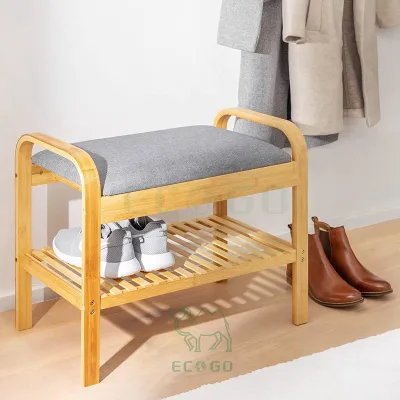
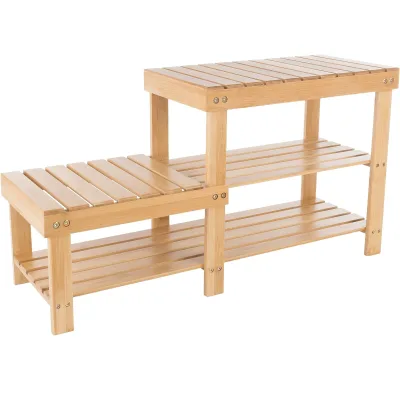
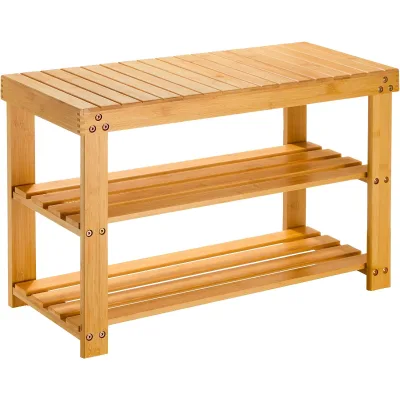
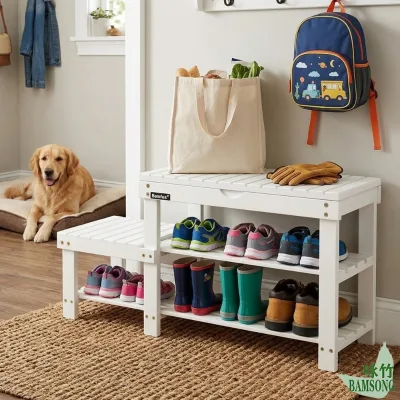
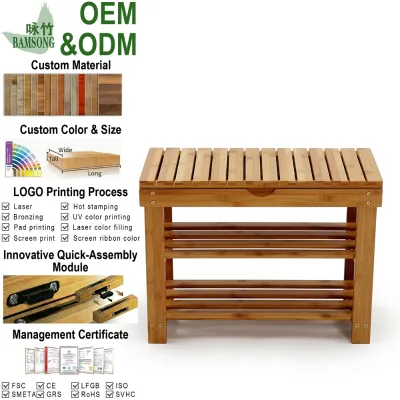
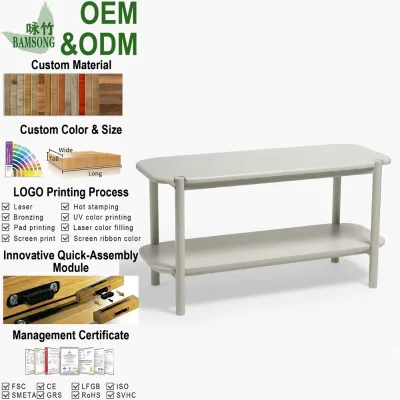
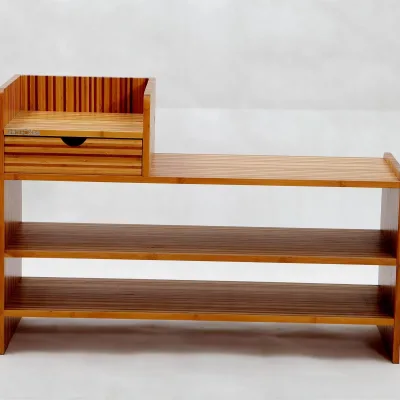
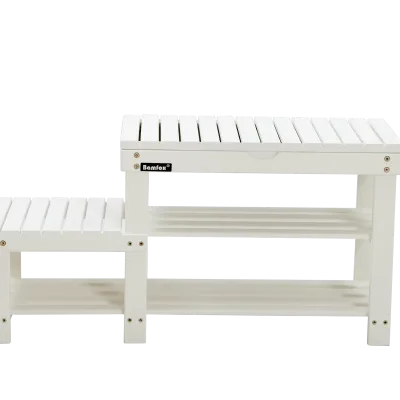
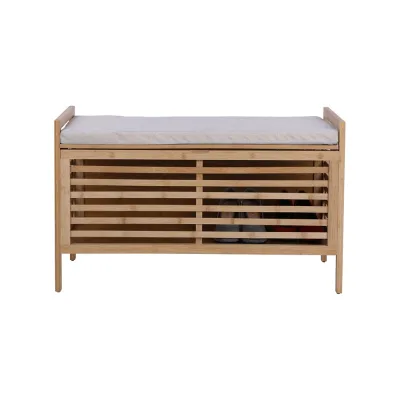
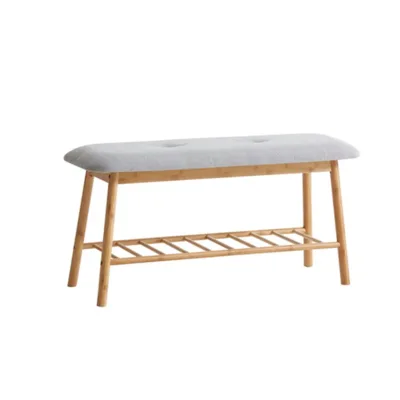
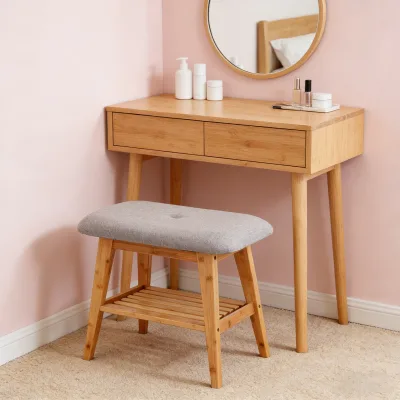
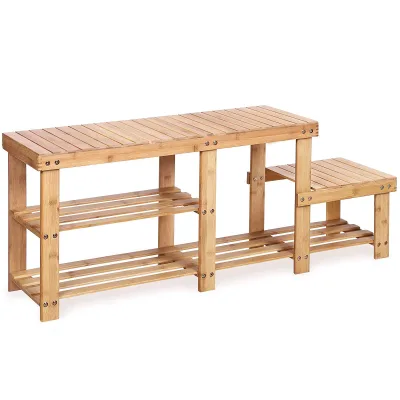
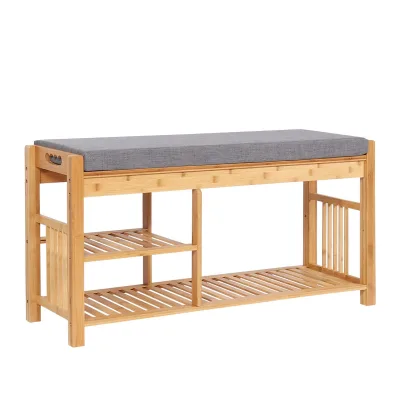
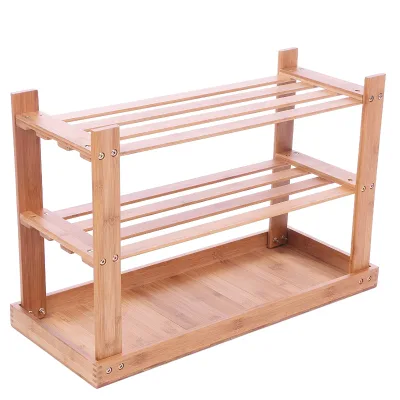
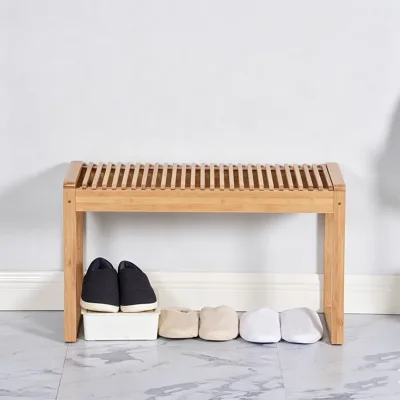
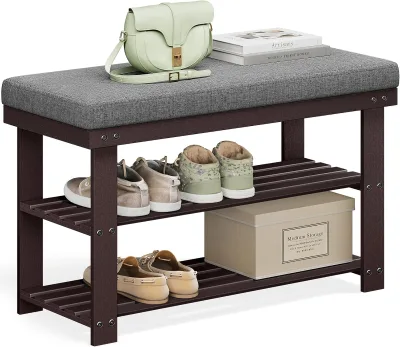


Wholesale Bamboo Hallway Shoe Bench Shoe Storage Bench Wooden Change Shoe Stool
$10.23 - $14.68
MOQ: 500 Pieces

3 Tier Bamboo Shoe Rack Bench with Soft Cushion Entryway Bench Shoe Organizer
$9.98 - $11.42
MOQ: 500 Pieces


Comprehensive Sourcing Guide
Strategic Sourcing Guide for Modern Eco-Friendly Bamboo Shoe Benches
Understanding Product Attributes and Material Composition
When sourcing a modern eco-friendly bamboo shoe bench, buyers must first distinguish between the specific material properties and the functional design elements that define this category. The core product observed in the current market landscape is often identified by its primary construction material, which is bamboo. This natural grass offers a unique combination of durability and aesthetic appeal, aligning with the growing demand for sustainable furniture solutions. The specific product variations available include models explicitly named "Organic Bamboo Shoe Bench Shoe Rack," which feature a distinct "Light Brown" color profile that highlights the natural grain of the material.
The design philosophy for these units typically centers on a "Modern" appearance with a "Free Standing" installation type. This freestanding nature is a critical technical specification, as it allows for flexible placement in various entryways without requiring wall mounting or permanent fixtures. The structural configuration often includes a "Double" tier or "2" shelves, providing ample storage capacity for footwear while maintaining a compact footprint. The shape of these units is frequently described as "Polygon," suggesting a geometric, contemporary silhouette that fits well within modern interior design schemes.
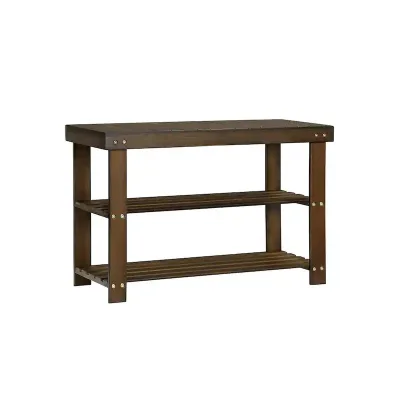
It is essential for procurement teams to note that while bamboo is the primary material for the eco-friendly segment, the market also presents wooden frame alternatives. Some listings describe a "wooden frame" with a "Lacquer" technics finish, indicating a different material composition that may require separate quality verification. The distinction between pure bamboo construction and wood-frame hybrids is vital for buyers targeting specific sustainability claims. Furthermore, the "folded" attribute is a significant functional feature for certain models, allowing for space-saving storage when the unit is not in use. This collapsibility is often paired with specific packaging dimensions, such as a single package size of 50x50x50 cm, which directly impacts logistics planning.
Technical Specifications and Dimensional Standards
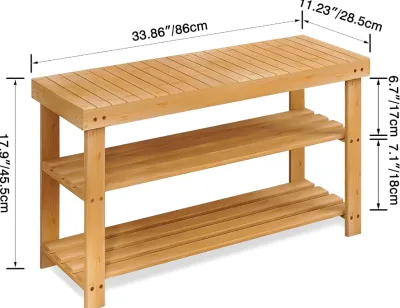
Technical due diligence requires a granular examination of the physical specifications provided by potential suppliers. The dimensional data for these units varies significantly across different product lines. One observed specification set lists a size of 85x25.4x46.4 cm, with a corresponding thickness of 5 Wire. Another set of data indicates a single package size of 90x30x52 cm. These discrepancies highlight the necessity for buyers to verify exact dimensions against their spatial requirements before placing orders. The "dimensional tolerance" is a critical quality metric, with some specifications citing a tolerance of less than ±1mm, ensuring that the finished product meets precise manufacturing standards.
The weight and volume of the product are equally important for freight calculations. Observed data points to a single gross weight of 100.000 kg for specific units, though this figure may represent a batch weight or a specific heavy-duty model rather than a single unit. The "Single package size" and "Single gross weight" must be cross-referenced with the "Selling Units" metric, which is often listed as a "Single item." This ensures that the buyer understands whether the quoted dimensions and weights apply to a single bench or a larger palletized shipment.
Packaging is another technical area requiring attention. The "mail packing" attribute is marked as "Y" for certain models, suggesting a specific method of protection during transit. The "packaging" count is often listed as "1," indicating a single unit per package. However, the "model number" varies, with examples like "EG - Bamboo shoe rack" and "HS-24Z999," which serve as unique identifiers for the specific configuration of shelves, dimensions, and materials. Buyers should maintain a clear mapping between these model numbers and the physical specifications to avoid receiving incorrect inventory.
Compliance, Certification, and Sustainability Verification
Sourcing eco-friendly furniture necessitates a rigorous approach to compliance and certification verification. While the product category is marketed as "sustainable," the actual certification status must be validated through direct supplier inquiry rather than assumed from product titles. The provided context mentions "FSC" (Forest Stewardship Council) as a low-confidence background fact, which implies that while FSC certification is a relevant standard for bamboo sourcing, it cannot be confirmed as a universal attribute for all listed products without further evidence.
Buyers should explicitly request proof of sustainability claims from suppliers. This includes verifying the origin of the bamboo and ensuring that harvesting practices align with international environmental standards. The "place of origin" for these products is frequently listed as "Fujian, China" or "Shandong, China," regions known for bamboo and wood processing. However, the geographic location of the factory does not automatically guarantee compliance with specific environmental protocols. The "OEM/ODM" capability is highly welcomed in this sector, allowing buyers to customize the product to meet their specific compliance needs, including the addition of "Customized Logo" and specific color options.
The "color" attribute is listed as "custom" in some instances, which offers flexibility but requires clear communication to ensure the final product matches the desired aesthetic. The "technics" applied to the wood or bamboo, such as "Lacquer," must also be scrutinized for environmental compliance, particularly regarding volatile organic compounds (VOCs). Buyers should verify that the finishing processes used do not introduce hazardous substances that would violate the eco-friendly positioning of the product.
Cost Drivers and Pricing Dynamics
The pricing structure for modern bamboo shoe benches is influenced by several key variables, including material quality, customization levels, and order volume. The observed listed price range in the market spans from 3 to 79.99 USD. This wide variance suggests that the final cost is heavily dependent on the specific model selected, the complexity of the design, and the quantity ordered. The "MOQ" (Minimum Order Quantity) is a significant cost driver, with observed ranges from 1 to 1000 units. Specific high-volume listings indicate an MOQ of 500pcs for certain bamboo models, while others may require 300pcs.
Understanding the relationship between MOQ and unit price is crucial for budgeting. Higher order volumes typically result in lower per-unit costs, but the initial capital outlay increases. The "Sample time" is another factor affecting the overall procurement timeline and cost. Observed sample times range from 7 to 10 days or 7 to 15 days, depending on the supplier's current workload and the complexity of the customization requested. Buyers should factor in the cost of samples and the time required for approval before committing to a full production run.
The "Delivery Time" is a critical component of the total cost of ownership. Lead times observed in the market range from 30 to 45 days. This duration includes production, quality control, and shipping preparation. Delays in this window can impact inventory planning and sales cycles. Additionally, the "general use" of the product as "Home Furniture" or "Living Room Furniture" may influence the perceived value and pricing, as items designed for high-traffic areas often command a premium due to the need for enhanced durability.
Typical Applications and Spatial Integration
The versatility of modern bamboo shoe benches makes them suitable for a wide range of residential and commercial applications. The "application" is frequently listed as "Living Room," but the "specific use" extends to "Shoe Rack" functionality in various parts of the home. The "applicable space" includes "Bathroom," "Bedroom," "Hallway," and "Living Room," demonstrating the product's adaptability to different interior environments. The "use" is defined as "Neatening/Storage," emphasizing the functional role of the bench in organizing footwear and maintaining a tidy entryway.
The "Style" is consistently described as "Free Standing Shoe Bench," which allows for easy integration into existing layouts without structural modifications. The "installation" type is "Freestanding," reinforcing the non-permanent nature of the product. This feature is particularly valuable for renters or those who frequently rearrange their living spaces. The "Number of shelves" being "2" or "Double" provides a balance between storage capacity and visual lightness, preventing the unit from appearing too bulky in smaller spaces.
In commercial settings, such as hotels or offices, the "Modern" appearance and "sustainable" material composition align well with contemporary design trends. The "Color" options, ranging from natural "Light Brown" to "custom" finishes, allow for customization to match specific interior design themes. The "folded" attribute adds another layer of utility, making these units ideal for temporary setups or spaces where storage is needed only seasonally.
Supplier Evaluation and Quality Control Protocols
Evaluating suppliers for bamboo shoe benches requires a multi-faceted approach that goes beyond price comparisons. The "brand name" associated with these products varies, with examples including "ECO GO" and "HS," indicating that buyers may encounter both established brands and generic manufacturers. The "OEM" and "ODM" capabilities are "Acceptable" or "Highly Welcomed," suggesting that many suppliers are open to customization. However, the ability to deliver on these promises must be verified through past performance and client references.
Quality control should focus on the "technics" used, such as "Lacquer" finishes, and the structural integrity of the "Wood" or "Bamboo" materials. The "dimensional tolerance" of <±1mm is a high standard that buyers should request as a baseline for quality assurance. Inspections should verify that the "Single package size" and "Single gross weight" match the specifications provided to ensure that the product is not damaged during transit. The "mail packing" status should be confirmed to ensure adequate protection against moisture and impact.
Buyers should also assess the supplier's responsiveness regarding "Sample time" and "Delivery Time." A supplier that consistently meets the 7-10 day sample window and the 30-45 day delivery window demonstrates reliability. The "model number" system should be robust, allowing for easy tracking of specific configurations. Finally, the "Logo" customization process should be clear and efficient, ensuring that branding efforts are executed without compromising the product's structural integrity or aesthetic appeal.
Long-Term Procurement and Market Considerations
Long-term procurement strategies for bamboo shoe benches must account for market trends and supply chain resilience. The "sustainable" attribute is a growing demand driver, and suppliers who can consistently verify their environmental claims will likely maintain a competitive advantage. The "custom" color and size options offer a pathway for differentiation, allowing buyers to create unique product lines that stand out in the market. However, customization increases complexity and requires careful management of the "Sample time" and "Delivery Time" to avoid delays.
The "place of origin" in China, specifically Fujian and Shandong, provides access to a mature supply chain for bamboo and wood products. However, buyers should remain vigilant regarding potential supply chain disruptions, such as port congestion or raw material shortages. The "MOQ" flexibility, ranging from 1 to 1000 units, allows for a phased approach to inventory management, enabling buyers to test the market with smaller orders before scaling up.
As the market for eco-friendly furniture continues to evolve, the ability to adapt to changing consumer preferences will be crucial. The "Modern" style and "Free Standing" design are likely to remain relevant, but buyers should stay informed about emerging trends in materials and finishes. Regular quality audits and supplier performance reviews will ensure that the long-term partnership remains productive and that the product quality meets the high standards expected of eco-friendly furniture.
FAQs
What is the minimum order quantity for these bamboo shoe benches?
The minimum order quantity is 300 pieces for some models and 500 pieces for others. Buyers should verify the specific MOQ required by the manufacturer before placing an order to ensure compliance with their purchasing limits.
How long does it take to receive samples of the product?
Sample delivery typically takes between 7 to 15 days depending on the supplier. This timeframe allows for the preparation and shipment of the prototype units for quality verification before committing to a full production run.
Can the product be customized with a specific logo or color?
Yes, customized logos and colors are acceptable for this product line. Buyers can request specific branding or finish options to align with their brand identity while maintaining the core sustainable bamboo material composition.
Where are these bamboo shoe benches manufactured?
These units are manufactured in Fujian and Shandong provinces in China. The geographic origin influences the supply chain logistics and potential shipping costs associated with importing the furniture to international markets.
What are the standard dimensions for the single package?
Single package sizes vary, with common dimensions being 50x50x50 cm or 90x30x52 cm. Buyers must confirm the exact package size for their specific model to accurately calculate shipping volume and freight costs.
What is the typical delivery time for a full order?
The standard delivery time ranges from 30 to 45 days after order confirmation. This period covers production, quality control checks, and preparation for shipment to ensure the furniture meets the required specifications.