Source Modern Easy Clean Restaurant Table and Chair for Hotels, Homes, and Cafes
Explore 30 listings for a Modern Easy Clean Restaurant Table and Chair designed for dining rooms, kitchens, and commercial spaces. Buyers can compare metal and wood options with customizable dimensions, CE and ISO certifications, and delivery times ranging from 15 to 25 days.
Key considerations
Products List


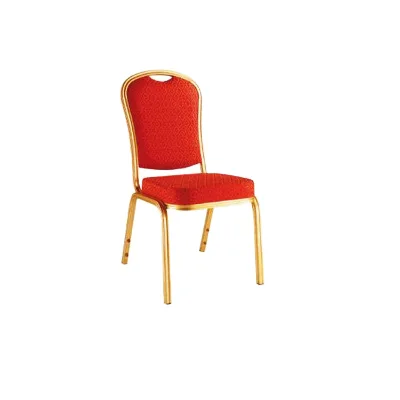


Modern Furniture Restaurant Table Round Dining Tables Round Table and Chairs
$60.00 - $100.00
MOQ: 10 Pieces


Australia Popular Modern Professional Dining Chair Restaurant Tables and Chairs
$80.00 - $100.00
MOQ: 1 Pieces


Sleek Restaurant Chair and Table Set for Modern Hospitality Environments
$200.00 - $280.00
MOQ: 2 Pieces


Comprehensive Sourcing Guide
Sourcing Modern Easy-Clean Restaurant Tables and Chairs
The global hospitality sector increasingly demands furniture that balances aesthetic appeal with rigorous hygiene standards and operational durability. For buyers searching for "modern easy-clean restaurant table and chair" solutions, the procurement landscape is defined by a specific set of material properties, manufacturing origins, and compliance requirements. The current market offers a diverse array of options, primarily originating from Guangdong, China, with a concentration of suppliers in Guangzhou. These products are engineered to serve high-traffic environments such as dining rooms, cafes, restaurants, and fast-food establishments. Understanding the nuanced specifications and verifying the actual attributes of listed inventory is critical for making informed B2B purchasing decisions.
Technical Specifications and Material Composition
When evaluating modern restaurant furniture, the primary technical differentiator lies in the material composition and structural design. The available product data indicates a split in material offerings, with significant inventory listed as Metal and a substantial portion categorized as Wood. This distinction is vital for buyers prioritizing specific cleaning protocols. Metal frames often provide the structural rigidity required for heavy-duty commercial use, while wooden components may be selected for aesthetic warmth, provided they are treated for moisture resistance.
The physical attributes of these units are highly standardized for the commercial sector. The prevailing shape is Rectangle, a configuration that maximizes seating capacity and facilitates efficient space planning in dining rooms and kitchens. A critical feature for the "easy-clean" requirement is the surface treatment. Buyers should verify that the surface is Scratch Resistant, a specific attribute observed in the product listings, which ensures longevity despite frequent wiping and the movement of cutlery or dishes.
Structural stability is another key specification. The data highlights a Fixed rotary mechanism for certain chair models, ensuring that the seat does not rotate unexpectedly during use, which is a safety priority in busy dining environments. Conversely, some listings note an Unfixed status, which may refer to the assembly state or specific modular configurations. The weight of these units typically ranges from 5kg to 15kg, a range that suggests a balance between portability for cleaning crews and the stability needed to prevent tipping. The height is often listed as Customizable, allowing buyers to match specific ergonomic standards or interior design requirements.
Compliance, Certification, and Safety Standards
In the commercial furniture sector, compliance is not merely a formality but a prerequisite for liability protection and operational safety. The supplied product facts reveal a mix of certifications, with CE appearing frequently as a standard for European market compliance. Additionally, ISO9001 is cited as a quality management certification, indicating that the manufacturing processes adhere to international standards for consistency. Some listings also reference ISOCCC and SGS, suggesting third-party verification of product safety and material quality.
However, buyers must exercise caution when interpreting these certifications. The data presents some entries where certification status is listed as "ISOCondition:New" or combined with other text, which requires direct verification with the supplier to ensure the certificate is current and applicable to the specific model. For instance, while EN 1335 and EN 1021-1-20 are mentioned in background contexts as relevant standards for office and seating, they are not explicitly confirmed as the primary standard for every item in the current inventory. Therefore, procurement teams should request valid, up-to-date certification documents for the specific batch being ordered rather than relying on general category claims.
The Standard of production varies, with some items listed as Customized and others as Standard. This distinction impacts the supply chain; customized items may require specific tooling or design approvals, whereas standard items like the FOH-HTR01 or FOH-RBA03 models are likely off-the-shelf solutions. Buyers should confirm that the Standard Export Carton or KD Packing (Knock-Down) used for shipping aligns with their logistics requirements to minimize damage during transit.
Cost Drivers and Pricing Dynamics
The pricing for modern restaurant furniture is influenced by a complex interplay of material costs, customization levels, and order volume. The observed price range in the market spans from 10 to 500 USD, a wide variance that reflects the difference between basic metal frames and premium wooden or fully customized units. The MOQ (Minimum Order Quantity) is a significant cost driver, with observed ranges from 1 to 100 units. Many suppliers list an MOQ of 10 PCS, which allows for smaller initial orders but may result in a higher unit cost compared to bulk purchases.
Customization is a primary factor that escalates costs. The data confirms that Customization is available, and the Customized attribute is prevalent. When a buyer requests specific colors, dimensions, or branding (such as the INEO or Foh brands mentioned), the production process shifts from mass manufacturing to bespoke fabrication. This shift increases the lead time, which is typically observed between 15 and 25 days. Buyers must factor this duration into their inventory planning, especially for new restaurant openings or seasonal renovations.
The Warranty period is another financial consideration. A 5-Year warranty is a notable feature in the product listings, suggesting a high level of confidence in the product's durability. This long-term coverage can reduce the total cost of ownership by mitigating the risk of premature replacement. However, the terms of the warranty, such as what constitutes normal wear and tear versus manufacturing defects, must be clearly defined in the purchase agreement.
Typical Applications and Usage Scenarios
The versatility of modern restaurant furniture allows it to be deployed across a wide spectrum of commercial environments. The primary usage categories identified include Hotel, Home, Restaurant, Cafe, Dining Room, and Kitchen. The specific application is often dictated by the aesthetic and functional requirements of the venue. For example, Fast Food and Canteen furniture requires extreme durability and ease of cleaning, often favoring metal or high-pressure laminate surfaces. In contrast, Cafe and Dining Room settings may prioritize the Modern style and Wood materials to create a more inviting atmosphere.
The Specific Use data explicitly mentions Cafe/Restaurant/Fast Food/Canteen Furniture, confirming that these products are engineered for high-traffic commercial use. The Folded status is listed as Unfolded, indicating that the furniture is typically delivered in its ready-to-use state, though some models may offer folding capabilities for storage efficiency. The Color options are described as "Almost all the colors are available," providing buyers with the flexibility to match brand identity or interior design themes. This customization extends to the Shape, with Rectangle being the dominant form factor, though other shapes may be available upon request.
Supplier Evaluation and Origin Verification
Geographic origin plays a crucial role in the sourcing strategy for restaurant furniture. The supplied facts consistently point to China as the place of origin, with specific hubs in Guangdong and Guangzhou. These regions are established manufacturing centers known for their supply chain efficiency and capacity for mass production. However, the presence of multiple origin locations (e.g., Guangdong vs. Guangzhou) suggests a fragmented supply chain where different factories may operate under the same regional umbrella.
When evaluating suppliers, buyers should verify the Brand Name and Brand attributes. Listings mention INEO and Foh, but the presence of these names does not guarantee that every product in the catalog is from a single manufacturer. It is essential to confirm the actual manufacturer behind the brand to ensure consistency in quality control. The Selling Units are typically listed as Single item, which implies that the supplier is willing to sell individual pieces, though bulk discounts are likely available for larger orders.
Buyers must also scrutinize the Packing details. The data mentions Box, Kd Packing, and Standard Export Carton. KD Packing is particularly important for international shipping as it reduces volume and shipping costs, but it requires on-site assembly. Buyers should assess their internal labor capabilities to determine if KD Packing is suitable for their operation.
Quality Control and Long-Term Procurement Considerations
Ensuring the quality of restaurant furniture requires a proactive approach to quality control. The Warranty of 5 Years is a strong indicator of expected product life, but it should be backed by a robust quality assurance process. Buyers should request pre-shipment inspection reports, particularly for the Scratch Resistant feature and the structural integrity of the Metal or Wood components. The Certification status, such as CE and ISO9001, should be verified against the specific batch number to ensure that the products shipped match the certified samples.
Long-term procurement considerations extend beyond the initial purchase. The Customized nature of many items means that reordering identical units in the future may require re-verification of specifications, especially if the supplier changes materials or production methods. The Lead Time of 15-25 days should be accounted for in inventory management to prevent stockouts. Additionally, the Sample availability is a critical step in the procurement process. Most suppliers Accept samples, allowing buyers to physically inspect the Weight, Finish, and Assembly quality before committing to a large order.
In conclusion, sourcing modern easy-clean restaurant tables and chairs involves a careful balance of technical specifications, compliance verification, and logistical planning. By focusing on the verified attributes of Metal and Wood materials, Rectangle shapes, and Customizable features, buyers can select products that meet the rigorous demands of the hospitality industry. The wide price range and flexible MOQs offer opportunities for both small startups and large chains, provided that due diligence is applied to supplier evaluation and quality control. The ultimate goal is to secure furniture that not only enhances the dining experience but also withstands the daily rigors of commercial use while maintaining a modern aesthetic.
FAQs
What certifications do Modern Easy Clean Restaurant Table and Chair products have?
Many units carry CE and ISO9001 certifications for safety and quality management. Some listings also reference SGS or ISOCCC standards. Buyers should verify current certificates for specific batches rather than assuming all items share the same compliance status.
Can I customize the color and dimensions of these restaurant tables?
Yes, customization is available for colors and dimensions like height. Almost all colors are available to match brand identity. Customized orders typically require a lead time of 15 to 25 days compared to standard stock items.
What is the minimum order quantity for Modern Easy Clean Restaurant Table and Chair?
The minimum order quantity ranges from 1 to 100 units depending on the supplier. Many vendors set a standard MOQ of 10 pieces for initial orders. Smaller quantities may be accepted but could affect the unit price significantly.
Where are these commercial furniture products manufactured?
Products originate from China, with specific hubs in Guangdong and Guangzhou. These regions offer established supply chains for mass production. Buyers should confirm the exact factory location as different items may ship from varying sites within the province.
How long is the warranty period for these restaurant furniture units?
A five-year warranty is a notable feature for many listed products. This coverage suggests high durability for commercial environments. Terms regarding normal wear and tear versus defects must be clearly defined in the purchase agreement before ordering.
What materials are used for Modern Easy Clean Restaurant Table and Chair?
Inventory includes both metal and wood material options for structural and aesthetic needs. Metal frames provide rigidity for heavy-duty use while wood offers warmth. The specific material for a model must be verified as offerings vary across the catalog.
What is the typical weight range for these dining room furniture items?
The weight typically ranges from 5kg to 15kg per unit. This balance ensures stability against tipping while allowing portability for cleaning crews. The exact weight depends on the specific model and material composition selected.