Source Modern Eco-Friendly Ceramic Dinner Plate for Hotels, Restaurants, and Gifts
Find 30 listings for the modern eco-friendly ceramic dinner plate designed for kitchen, hotel, and restaurant use. Buyers can compare customization options, sizes, and specifications to find the right supplier for promotional or everyday dining needs.
Key considerations
Products List

Eco-Friendly Porcelain Tableware White Rectangular Plate Ceramic Dinner Plate
$0.60 - $1.50
MOQ: 5000 Pieces


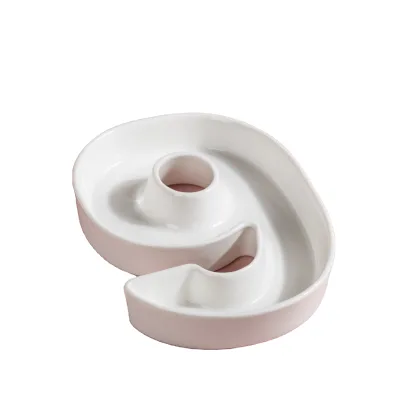


Eco-Friendly Dinner Dessert Plate Pad Printing Porcelain Ceramic Plate Tableware
$0.25 - $0.90
MOQ: 5000 Pieces


Comprehensive Sourcing Guide
Strategic Sourcing Guide for Modern Eco-Friendly Ceramic Dinner Plates
The global demand for sustainable tableware has elevated the profile of ceramic dinner plates, particularly those marketed as modern and eco-friendly. For procurement professionals, navigating this sector requires a rigorous understanding of material science, supply chain logistics, and compliance frameworks. The following guide synthesizes available market data to provide a disciplined approach to sourcing ceramic dinnerware that balances aesthetic innovation with operational reliability. Buyers must distinguish between marketing claims and verifiable product attributes to ensure that procurement decisions align with both brand values and functional requirements.
Understanding Material Composition and Physical Attributes
The foundation of any ceramic dinner plate lies in its raw material composition and the resulting physical properties. In the current market, the primary material observed is ceramic, specifically categorized as ceramic and porcelain. This distinction is critical because the firing temperature and clay composition dictate the plate's durability, thermal shock resistance, and aesthetic finish. Procurement teams should verify that the "Using Materials" are explicitly listed as ceramic stoneware or high-quality porcelain, as these materials offer the necessary density for commercial use.
A key observation in the current product landscape is the availability of customization in both shape and design. While traditional dinnerware often adheres to standard circular or oval forms, modern sourcing opportunities include irregular shapes and vintage-style designs. The "shape" attribute frequently lists "Irregular," indicating a trend toward artistic, handcrafted aesthetics that differentiate a brand's table setting. Furthermore, the "technique" applied to these plates, such as "On-glazed" finishes, is a vital technical specification. This process ensures that the decorative layer is fused with the body of the plate, enhancing scratch resistance and food safety.
Buyers must also scrutinize the dimensional specifications. Market data indicates a wide range of standard sizes, with specific length measurements such as L19.7cm, L21.9cm, and L27cm appearing in product listings. Additionally, diameter specifications like 10 inches are common for standard dinner plates. However, the "prod_standard" field also notes that dimensions can be "customized" to meet specific client requirements. This flexibility allows buyers to tailor the plate size to specific serving portions, whether for a fine dining experience or a casual market setting. The "Single package size" of 30x30x30 cm and a "Single gross weight" of 3.000 kg provide essential data for logistics planning, though these figures may vary based on the specific model number, such as PL110 or PL103.
Compliance, Certification, and Safety Standards
In the B2B food service sector, compliance is not merely a regulatory hurdle but a prerequisite for market access. When sourcing ceramic dinnerware, buyers must demand verification of specific certifications that attest to the safety and quality of the product. The observed product attributes list "CE/EU," "FDA," and "CIQ" as available certifications. These represent distinct regulatory frameworks: the CE mark indicates conformity with health, safety, and environmental protection standards for products sold within the European Economic Area; the FDA designation suggests compliance with United States food contact material regulations; and CIQ refers to China Inspection and Quarantine, a critical export control for Chinese manufacturers.
It is important to note that while these certifications are listed as available attributes, they are not guaranteed for every single SKU in a supplier's catalog. Buyers should treat these as potential capabilities rather than universal defaults. The "Quality Standard" is often described as "According to Your Requirements," which implies a high degree of flexibility but also places the burden of specification on the buyer. To mitigate risk, procurement teams must request third-party test reports that validate the absence of heavy metals like lead and cadmium in the glaze, particularly for plates intended for microwave and oven use.
The "Special Feature" list includes "Microwave," "Oven," and "Dishwasher Safe." These functional claims require rigorous verification. A ceramic plate marketed as oven-safe must withstand thermal shock without cracking, while dishwasher safety requires the glaze to be resistant to harsh detergents and high-temperature water cycles. Buyers should not rely solely on the product description but should request specific test data confirming that the glaze meets food safety migration limits under simulated use conditions. The "Standard" ISO 6486 is mentioned in background contexts regarding ceramic tableware, but buyers should verify if specific batches meet this or equivalent international standards before finalizing orders.
Cost Drivers and Economic Considerations
The pricing structure for modern ceramic dinner plates is influenced by a complex interplay of material costs, customization levels, and order volume. The observed price range in the market is vast, spanning from $0.25 to $10,000. This extreme variance reflects the difference between basic, mass-produced items and high-end, fully customized sets. The "MOQ" (Minimum Order Quantity) also varies significantly, ranging from 1 unit to 5,000 units, with some listings indicating a specific MOQ of 25 tons for bulk industrial orders.
For buyers considering customization, the cost drivers shift from simple unit pricing to tooling and design fees. The "Customization" attribute is listed as "Available," and the "Logo" can be "Customized." This implies that adding a brand logo or altering the shape requires a separate production run, which increases the per-unit cost and potentially the lead time. The "Design" attribute explicitly welcomes "ODM and OEM," meaning suppliers are equipped to handle both Original Equipment Manufacturing (making products to a buyer's design) and Original Design Manufacturing (using the supplier's designs).
The "Product Name" often includes terms like "Decorative number custom dinnerware," suggesting that specific design elements, such as numerical patterns or unique shapes, may carry a premium. Additionally, the "Feature" of being "Eco-Friendly" can influence pricing if the production process involves sustainable practices or if the packaging is made from recycled materials. The "prod_packing" is typically "Cardboard Boxes and Wooden Frames," which adds to the overall cost but is essential for protecting fragile ceramic items during international shipping. Buyers must balance the desire for customization against the budget constraints, understanding that lower MOQs often result in higher per-unit costs due to the inefficiencies of smaller production runs.
Typical Applications and Usage Scenarios
Modern ceramic dinner plates are versatile and designed to serve a wide array of applications. The "Application Scenario" list includes Kitchen, Hotel, Restaurant, Market, Gift, and Promotion. This broad applicability means that a single product line can often serve multiple business units or client segments. For instance, a plate designed for a "Hotel Restaurant" might also be suitable for "Kitchen Tableware Home" use, provided the durability specifications are met.
The "Usage" attributes further refine these applications, specifying "Salad plate, dinner plate, snack plate, sushi plate." This indicates that the product line is not limited to a single course but can be part of a comprehensive table setting. The "Occasion" of "Giveaways" suggests that these plates are also used for corporate branding and promotional events, where the "Logo" customization becomes a key value driver. The "Style" is noted as "Vintage style dinnerware are welcomed," indicating a market trend toward retro aesthetics that appeal to both residential and commercial diners.
The "Type" is categorized as "Hotel Restaurant Home Dinnerware Set," reinforcing the dual-purpose nature of the product. Whether for a high-volume commercial kitchen requiring stackable, durable plates or a boutique hotel seeking unique, irregular-shaped plates for a premium dining experience, the sourcing strategy must align with the specific operational needs. The "Age" attribute of "All People" confirms that the product is suitable for general consumption, but buyers should ensure that the design does not inadvertently exclude specific demographics, such as children or the elderly, through impractical shapes or sizes.
Supplier Evaluation and Quality Control Protocols
Selecting the right supplier is as critical as selecting the product itself. The "prod_origin" is consistently listed as "China," with specific locations including "Fuzhou" and "Fujian." These regions are known for their ceramic manufacturing clusters, offering a concentration of expertise and supply chain efficiency. However, the "brand name" "BRT ceramic" and various model numbers like "PL110" and "BRT-K2024012414" highlight the importance of verifying the specific manufacturer behind the product.
Buyers should evaluate suppliers based on their ability to meet the "Quality Standard" of "According to Your Requirements." This requires a clear communication of specifications, including dimensions, glaze composition, and packaging standards. The "Single gross weight" of 3.000 kg and "Single package size" of 30x30x30 cm are critical for calculating shipping costs and warehouse capacity. Suppliers should be able to provide a breakdown of these metrics for each model to ensure accurate logistics planning.
Quality control protocols must be established before production begins. Given the "Non-Disposable" nature of the product, durability is paramount. Buyers should implement a rigorous inspection process that checks for cracks, glaze defects, and dimensional accuracy. The "Feature" of being "Eco-Friendly" should be verified through documentation regarding the sourcing of raw materials and the manufacturing process. Additionally, the "Customized" attribute requires a pre-production sample approval process to ensure that the final product matches the design intent. The "Keyword" "Number Plate" suggests that some products may feature specific numerical designs, which must be printed or molded with precision to avoid quality issues.
Long-Term Procurement and Supply Chain Resilience
Sourcing ceramic dinnerware is a long-term commitment that requires consideration of supply chain resilience and scalability. The "MOQ" range of 1 to 5,000 units offers flexibility, but buyers must plan for the "lead time" associated with customized orders. While specific lead times are not provided in the data, the complexity of "Customization" and "ODM/OEM" services typically extends the production timeline compared to stock items. The "feature" of "Stocked" items indicates that some products are available for immediate shipment, which can be a strategic advantage for urgent needs.
Buyers should also consider the "Product Name" variations, such as "Porcelain Dinner Plate" versus "Decorative number custom dinnerware," as these may have different supply chain dynamics. Stocked items generally have shorter lead times and more stable pricing, while customized items require a dedicated production schedule. The "Color" options, ranging from "White" to "Multicolor" and "White serving plate or customized," offer variety but may require separate production runs, impacting inventory management.
Finally, the "Application" of the plates in "Kitchen Tableware Home Restaurant Hotel" suggests that buyers should plan for repeat orders and potential product line expansions. The "Design" flexibility allows for future adaptations to market trends, such as new shapes or colors. By maintaining a strong relationship with suppliers who offer "Customization Service Provided," buyers can ensure a steady supply of high-quality, eco-friendly ceramic dinnerware that meets their evolving business needs. The "Location" of "Fuzhou, China" and "Fujian, China" provides a geographic anchor for logistics planning, but buyers should always verify the specific factory location to ensure transparency and accountability in the supply chain.
FAQs
What certifications are available for these ceramic dinner plates?
Available certifications include CE/EU, FDA, and CIQ for compliance with international safety standards. These marks indicate conformity with health and environmental regulations for products sold in the European Economic Area and the United States. Buyers should verify specific test reports for heavy metals before finalizing orders.
Can the product be customized with a logo or specific design?
Yes, customization is available including logo printing and design alterations like irregular shapes. Suppliers welcome ODM and OEM requests to meet specific client requirements. This flexibility allows for tailored dimensions and decorative patterns such as vintage styles or numerical designs.
Which materials are used to manufacture these dinner plates?
The primary materials used are ceramic and porcelain, specifically categorized as ceramic stoneware. These materials provide the necessary density and durability for commercial use in kitchens and hotels. The on-glazed technique ensures the decorative layer is fused with the body for scratch resistance.
What are the standard dimensions and size options for these plates?
Standard sizes include lengths of 19.7cm, 21.9cm, and 27cm, with a common diameter of 10 inches. Dimensions can also be customized to meet specific client requirements for serving portions. Packaging typically measures 30x30x30 cm with a gross weight of 3.000 kg per single item.
Where are these ceramic dinner plates manufactured and shipped from?
Products originate from China, with specific manufacturing locations in Fuzhou and Fujian. These regions offer a concentration of ceramic expertise and supply chain efficiency. Buyers should confirm the exact place of origin to ensure accurate logistics planning and shipping cost calculations.
What is the minimum order quantity for bulk purchasing?
The minimum order quantity ranges from 1 unit to 5000 units depending on the supplier. Some bulk industrial orders may have a specific MOQ of 25 tons. Lower order volumes often result in higher per-unit costs due to production run inefficiencies.
Are these plates safe for use in microwaves and dishwashers?
Yes, the plates are designed to be microwave, oven, and dishwasher safe. These functional claims require rigorous verification to ensure the glaze withstands thermal shock and harsh detergents. Buyers should request specific test data confirming the glaze meets food safety migration limits under simulated use conditions.