Source Modern Fabric Queen Chair for Office, Hotel, and Dining
Find and compare 30 Modern Fabric Queen Chair options from China. Evaluate durable designs, contemporary styles, and various applications including home office, hotel, and dining room settings to find the right commercial furniture for your needs.
Key considerations
Products List
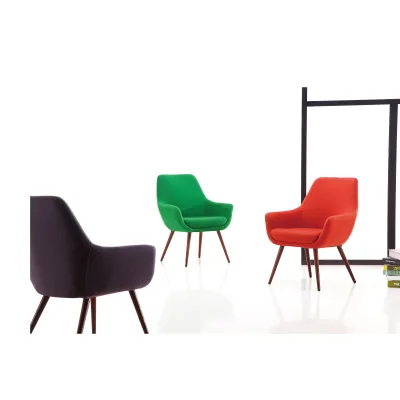


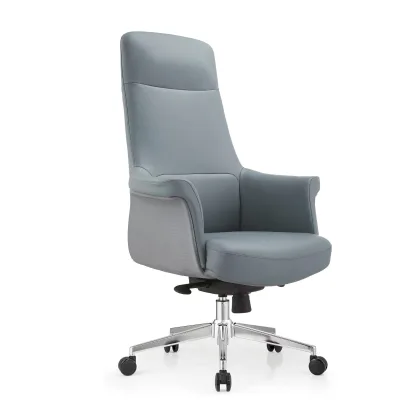
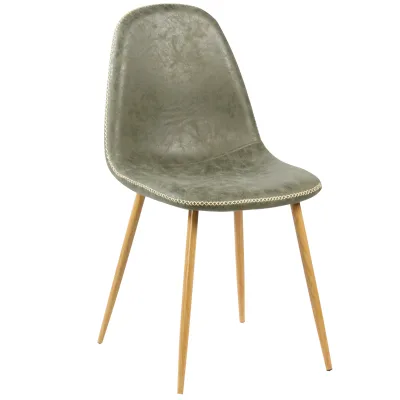

Comprehensive Sourcing Guide
Modern Fabric Queen Chair Sourcing Guide
Sourcing modern fabric queen chairs requires a nuanced understanding of the intersection between residential comfort and commercial durability. The term "queen chair" in this context often refers to a substantial, single-seater armchair designed to accommodate larger body types or provide extended seating comfort, rather than a bed-sized piece of furniture. Buyers must distinguish between true residential lounge chairs and commercial-grade seating that mimics residential aesthetics. The observed market data indicates a strong presence of products labeled as "Modern" and "Contemporary" in design, originating primarily from Guangdong, China. These items are frequently marketed for dual-use scenarios, including home offices, living rooms, and hotel dining areas, suggesting a versatile design language that prioritizes clean lines and functional simplicity.
The procurement landscape for these chairs is characterized by a wide variance in specifications and supplier capabilities. While the core keyword suggests a specific aesthetic and size, the actual listings reveal a mix of materials, including fabric and metal constructions, with varying structural configurations. Some products are explicitly described as "Leisure Chairs" with fixed rotary mechanisms and no armrests, while others are categorized under general office or commercial furniture. This diversity means that buyers cannot rely solely on the product title; they must scrutinize the detailed attributes to ensure the selected chair meets the specific ergonomic and aesthetic requirements of their project. The presence of both "Non-Customized" and "Customized" options further complicates the sourcing process, requiring clear communication of brand and design expectations.
Product Scope and Observed Listing Signals
The current market signals indicate a strong emphasis on modern and contemporary design styles, with a significant portion of listings featuring fabric upholstery. These chairs are often positioned for use in home living rooms, dining rooms, and bedrooms, as well as commercial settings like hotels and offices. The observed product attributes highlight a preference for square or rectangular shapes, with colors ranging from grey to black, catering to minimalist and professional interior schemes. The "Durable" attribute is frequently cited, suggesting that manufacturers are targeting buyers who require furniture that can withstand frequent use without significant wear. This durability is often achieved through the selection of robust frame materials, such as metal, combined with high-quality fabric covers that resist tearing and staining.
However, buyers must be cautious of inconsistent product descriptions and overlapping model numbers. The data shows multiple model numbers, such as GR9017, 8065, DC6315, and TT610VE-P, associated with similar product types but potentially different specifications. Some listings indicate a size of 66x66x85 cm, which is a standard dimension for a large armchair, while others do not provide explicit dimensions. The "Folded" attribute is listed as "No" or "Unfolded," indicating that these are rigid, non-folding structures, which is typical for permanent seating solutions. Additionally, the "Mail Packing" attribute is marked as "N," suggesting that these items are shipped in bulk cartons rather than individual retail packaging, which impacts logistics and handling requirements for the buyer.
Technical Specifications to Verify
When evaluating modern fabric queen chairs, the first technical aspect to verify is the structural integrity and material composition. The observed listings mention both fabric and metal materials, which implies a hybrid construction where a metal frame provides support and a fabric cover offers comfort. Buyers should request detailed specifications regarding the type of metal used, such as steel or aluminum, and the thickness of the tubing, as this directly affects the chair's load-bearing capacity and longevity. Furthermore, the fabric type should be clarified, including its weight, weave density, and resistance to abrasion, especially if the chair is intended for high-traffic commercial environments. The "Fixed" rotary attribute suggests that the chair does not swivel, which is a critical detail for buyers who require static seating for dining or office tasks.
Another crucial technical specification is the chair's dimensions and weight capacity. While some listings provide a size of 66x66x85 cm, buyers must confirm whether these dimensions include armrests and whether the seat depth and height are suitable for their target users. The "Without Armrest" attribute in some listings indicates a minimalist design, which may be preferred for space-saving but could compromise comfort for larger users. Additionally, the "Self-Contained" installation method suggests that the chairs arrive fully assembled or require minimal setup, which is a significant advantage for large orders. Buyers should also verify the packing configuration, such as "1PC/CTN" or "4PCS/CTN," as this affects shipping volume and cost efficiency.
Compliance and Safety Documentation
Compliance with safety and quality standards is paramount when sourcing furniture for both residential and commercial use. Buyers should ensure that the chairs meet relevant flammability standards, such as CAL 117 in the United States or BS 5852 in the United Kingdom, particularly if the fabric is used in public spaces like hotels or offices. Although specific certification statuses are not provided in the observed data, buyers must request test reports from the supplier to verify that the materials and construction meet these regulatory requirements. This is especially important for fabric-covered chairs, as the upholstery material must be treated or selected to resist ignition and slow flame spread.
In addition to flammability, buyers should inquire about the structural safety of the chair, including its stability and load-bearing capacity. The "Durable" attribute is a marketing claim that must be substantiated by engineering data or third-party testing. Buyers should ask for proof of stress testing, such as cycle tests for the seat and backrest, and static load tests for the frame. This documentation ensures that the chair can safely support the intended weight without risk of collapse or failure. Furthermore, if the chair is intended for use in specific regions, buyers must verify that it complies with local furniture safety regulations, including restrictions on hazardous substances in the fabric and foam.
Cost Drivers and Commercial Terms
The cost of modern fabric queen chairs is influenced by several factors, including material quality, design complexity, and order volume. The observed price range of 12-900 USD indicates a significant variance, likely driven by differences in fabric type, frame construction, and brand positioning. Buyers should understand that lower prices may correspond to basic fabric and standard metal frames, while higher prices may reflect premium upholstery, ergonomic design features, or custom branding options. The "Customization" attribute being available suggests that buyers can modify colors, fabrics, or logos, which typically incurs additional costs and may affect the minimum order quantity (MOQ).
Commercial terms such as MOQ and lead time are critical for budgeting and planning. The observed MOQ ranges from 0 to 200 pieces, with some listings specifying 100 pieces per color, indicating that suppliers may have different thresholds for standard versus customized orders. Lead times vary from 15-30 days to 25-35 days, depending on the order size and customization requirements. Buyers should negotiate clear delivery schedules and penalty clauses for delays, as these can impact project timelines. Additionally, the "Small Orders: Accepted" attribute suggests that some suppliers are flexible with order sizes, which can be beneficial for smaller buyers or trial orders, but may come with higher per-unit costs.
Supplier Qualification and Quality Control
Selecting a reliable supplier is essential to ensure consistent quality and timely delivery of modern fabric queen chairs. Buyers should conduct thorough due diligence on potential suppliers, verifying their business licenses, manufacturing capabilities, and export experience. The observed data indicates that suppliers are located in Guangdong, China, a major hub for furniture manufacturing, which suggests a mature supply chain and competitive pricing. However, buyers should visit the factory or hire a third-party inspection agency to assess the production environment, quality control processes, and workforce skills. This on-site verification helps identify potential risks related to production capacity and quality consistency.
Quality control measures should be established before production begins, including the approval of samples and the definition of acceptance criteria. Buyers should request pre-production samples to evaluate the fabric quality, stitching, frame stability, and overall finish. These samples should be tested for durability and comfort to ensure they meet the project requirements. During production, buyers should implement in-process inspections to monitor key quality indicators, such as frame welding, fabric tension, and assembly accuracy. Final random inspections should be conducted before shipment to verify that the products meet the agreed-upon specifications and packaging standards, minimizing the risk of receiving defective goods.
Long-Term Procurement Checks
Long-term procurement success depends on establishing a robust relationship with suppliers and implementing continuous improvement strategies. Buyers should regularly review supplier performance metrics, such as on-time delivery rates, defect rates, and responsiveness to issues. This data-driven approach helps identify reliable partners and areas for improvement in the supply chain. Additionally, buyers should stay informed about market trends and technological advancements in furniture manufacturing, such as new fabric technologies or ergonomic design innovations, to ensure their product offerings remain competitive.
Sustainability and ethical sourcing are increasingly important considerations for modern buyers. Buyers should inquire about the supplier's environmental policies, including the use of eco-friendly materials, waste reduction practices, and energy-efficient manufacturing processes. Verifying that the supplier adheres to ethical labor standards is also crucial, as it mitigates reputational risks and aligns with corporate social responsibility goals. By integrating these long-term checks into their procurement strategy, buyers can build a resilient and sustainable supply chain that supports their business objectives and customer expectations.
FAQs
What is the typical MOQ for modern fabric queen chairs?
The typical minimum order quantity is 100 pieces per color for this product category. Some listings indicate an MOQ of 0, while others require 200 units. Buyers should verify the specific supplier's requirement before placing an order.
Where are these modern fabric queen chairs manufactured?
These chairs are manufactured in Guangdong, China. The product origin is listed as China for all observed items. This location is a common hub for commercial and home office furniture production.
Can I find modern fabric queen chairs with customization options?
Yes, customization is available for some models in this category. While some items are listed as non-customized, other specific models explicitly offer customization services. Buyers must check the specific product details to confirm availability.
What is the delivery time for modern fabric queen chairs?
The standard delivery time ranges from 15 to 35 days depending on the supplier. Some listings specify 25 to 35 days, while others indicate a faster 15 to 30-day window. Lead times vary by manufacturer capacity.
Which materials are used for modern fabric queen chairs?
The primary material used is fabric, though some models incorporate metal components. The product type is classified as office furniture or leisure chairs. Buyers should verify the specific material composition for each model.
Are small orders accepted for modern fabric queen chairs?
Yes, small orders are accepted for certain listings in this category. While standard MOQs exist, some suppliers explicitly state they accept smaller quantities. This flexibility allows buyers to test the market with lower initial volumes.