Find Modern Fabric Task Chair with BIFMA Gaslift for offices, homes, and studios
Source 28 Modern Fabric Task Chair with BIFMA Gaslift options featuring adjustable mechanisms and mesh or fabric seats. Compare specifications, prices, and customization details from verified Chinese manufacturers for office, home, and studio use.
Key considerations
Products List


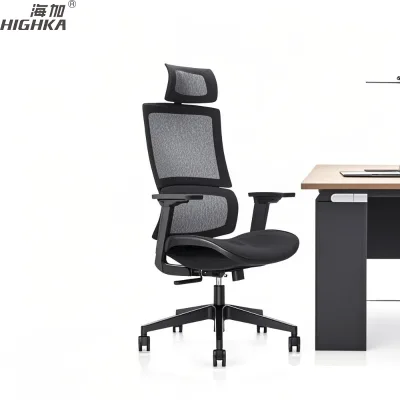
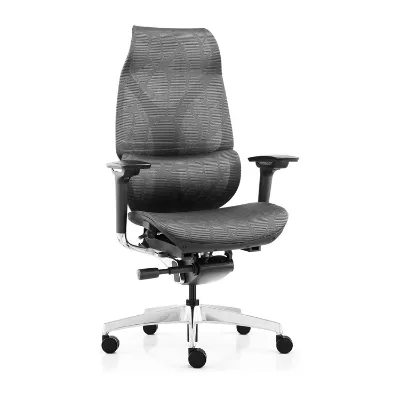
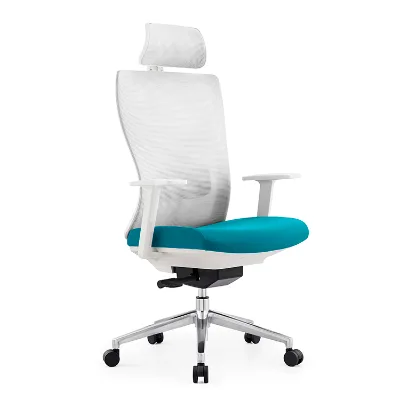
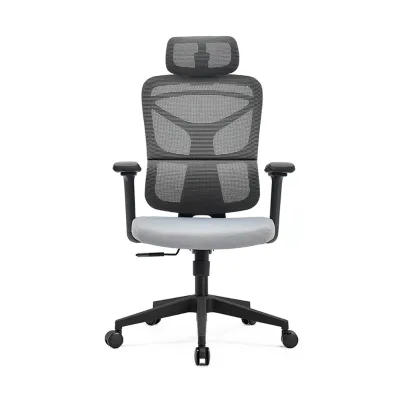
Mesh Ergonomic Swivel Executive Chair with BIFMA Certified Safe Gas Lift Wheel
$44.00 - $45.50
MOQ: 1 Pieces
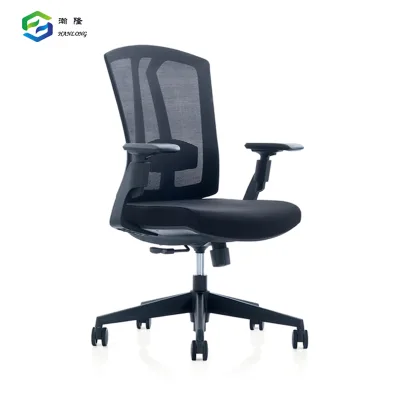
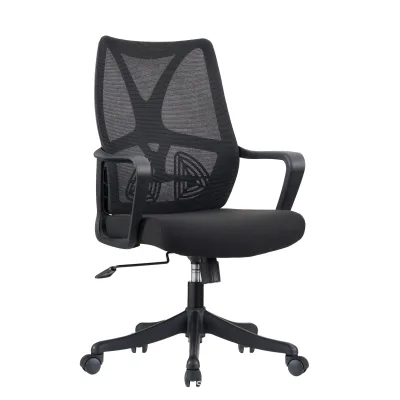
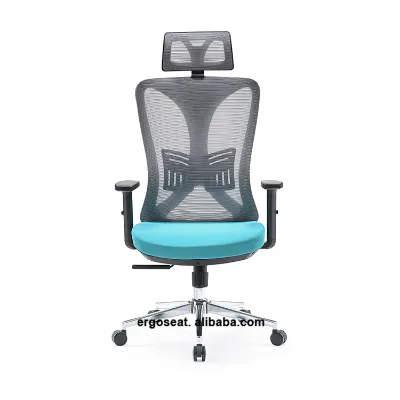
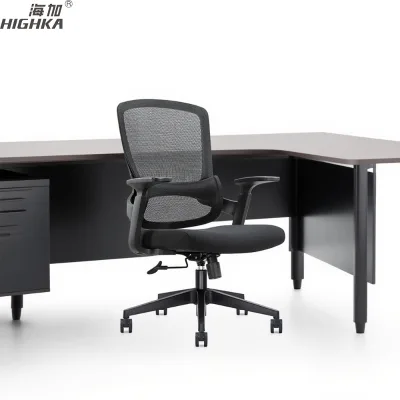
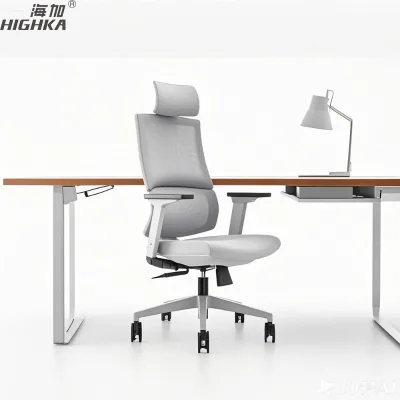
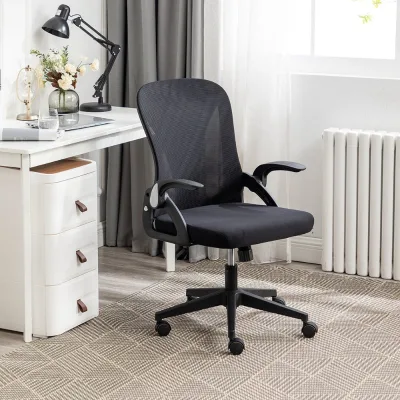
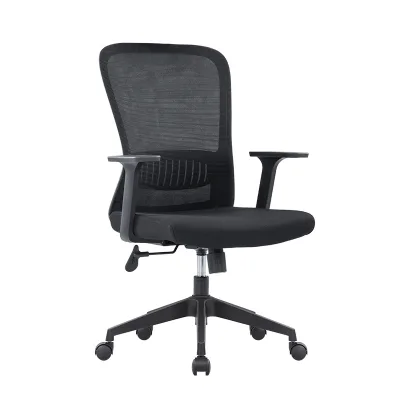
Modern Office Chair Designer Ergonomic Office Chair Office Ergonomic Chair
$46.62 - $62.16
MOQ: 2 pieces

Comprehensive Sourcing Guide
Modern Fabric Task Chair with BIFMA Gaslift Sourcing Guide
Sourcing a modern fabric task chair equipped with a BIFMA-passed gaslift requires a disciplined approach to balancing aesthetic flexibility with rigorous mechanical reliability. The current market landscape presents a diverse array of options, ranging from minimalist designs without armrests to fully adjustable models with lumbar support. Buyers must navigate this variety by focusing on the core components that define longevity and user comfort, specifically the interaction between the seat material, the base structure, and the critical lift mechanism. The presence of a BIFMA-certified gaslift is a primary indicator of safety and durability, serving as a non-negotiable baseline for office environments where frequent height adjustments are expected.
This guide provides a structured framework for evaluating suppliers and products based on observed market signals and technical requirements. It emphasizes the verification of material compositions, such as mesh fabric combined with nylon plastic frames, and the assessment of mechanical features like one-lock mechanisms versus simple mechanisms. By adhering to the evidence-based criteria outlined below, procurement teams can mitigate risks associated with premature failure, non-compliant components, and inconsistent manufacturing quality. The objective is to transform raw product data into actionable procurement strategies that ensure the selected chairs meet both ergonomic standards and commercial viability.
Product Scope and Observed Listing Signals
The observed product range for modern fabric task chairs exhibits significant variation in design philosophy and component specification, reflecting different target segments within the office furniture market. Listings indicate a price range from approximately $2.43 to $205 USD, with minimum order quantities (MOQs) varying between 1 and 200 units. This wide spectrum suggests that buyers can find options suitable for both small-scale pilot purchases and large-scale corporate deployments. However, the price disparity often correlates with differences in material quality, such as the distinction between basic fabric and foam combinations versus more complex mesh and nylon constructions. Buyers should interpret these signals as indicators of tiered product lines rather than direct value judgments, requiring deeper technical verification before making selection decisions.
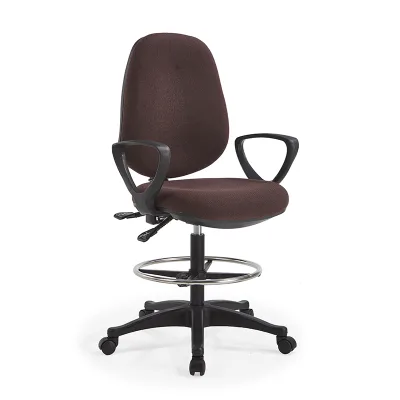
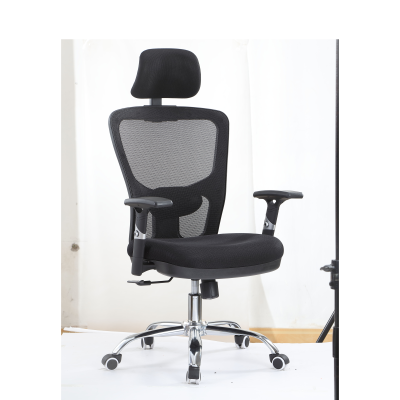
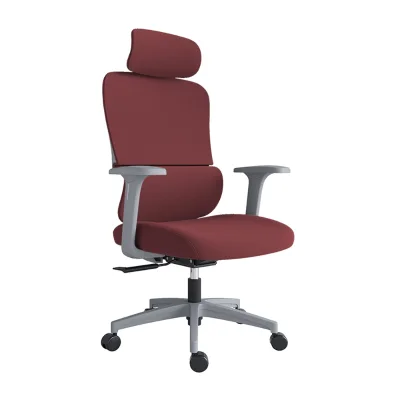
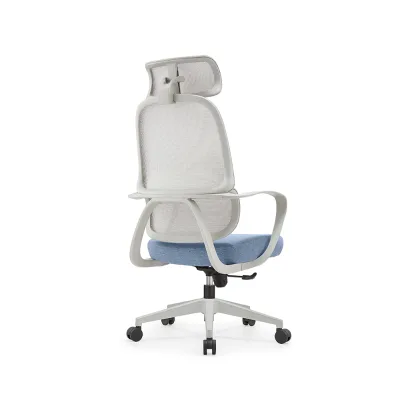
Specific product models highlight distinct feature sets that influence the final user experience and procurement strategy. For instance, the SM01bar Chair is characterized by a modern style, a mesh fabric and nylon plastic frame back, and a one-lock mechanism, offering a streamlined aesthetic without armrests. In contrast, the Smart Office Chair and the New Design B30 models feature armrests, different base diameters, and varying gaslift specifications, catering to users who require additional support and adjustability. The availability of customization options, including color choices like black, grey, green, and pink, allows for brand alignment in corporate settings. Procurement teams must map these specific attributes to their ergonomic requirements, ensuring that the chosen model supports the intended usage patterns, whether for short-term task work or extended daily use.
Technical Specifications to Verify
Verifying the technical specifications of the gaslift and base assembly is critical for ensuring the structural integrity and safety of the task chair. The gaslift is a high-risk component due to its role in supporting the user's weight during height adjustments; therefore, confirmation of a Class 3 BIFMA-passed gaslift is essential. Buyers should request documentation that explicitly states the gaslift class and certification status, as lower classes may not withstand the dynamic loads associated with frequent use. Additionally, the base diameter and material composition, such as a 680mm nylon base or a 310mm nylon base, directly impact stability. A larger base diameter generally provides a wider stability footprint, reducing the risk of tipping during lateral movements, which is a key consideration for active office environments.
The seat and backrest construction significantly influence long-term comfort and durability, requiring close inspection of material layers and mechanical mechanisms. The seat material often consists of a composite of fabric, foam, and mesh, designed to balance breathability with cushioning support. The back material, frequently a combination of mesh fabric and a nylon plastic frame, offers flexibility and lumbar support but must be evaluated for tension consistency and frame rigidity. The mechanism type, whether a one-lock mechanism or a simple mechanism, dictates the range of motion and locking precision. Buyers should verify that the mechanism allows for smooth operation and secure locking at desired positions, as faulty mechanisms can lead to sudden height drops or unstable seating positions, posing safety hazards.
Compliance and Safety Documentation
Compliance with recognized safety standards is a fundamental requirement for office chairs, particularly regarding the gaslift and overall structural stability. The BIFMA (Business and Institutional Furniture Manufacturers Association) standards are widely accepted benchmarks for durability and safety in the North American and global markets. Buyers must ensure that the supplier provides valid certification documents for the gaslift, confirming that it has passed the relevant BIFMA tests for pressure, cycle life, and stability. This documentation serves as proof that the component meets rigorous engineering standards, reducing the liability risk for the buyer. Without explicit certification evidence, the chair may not meet corporate health and safety policies or local regulatory requirements, potentially leading to rejection during the procurement approval process.
Beyond the gaslift, other components such as the castors and base must also adhere to safety and performance norms. The castors, typically made of PU or nylon, should be evaluated for their rolling smoothness and floor protection capabilities, with sizes ranging from 50mm to 60mm being common. While specific standards like EN 1335 are mentioned in background contexts, buyers should prioritize the BIFMA certification for the gaslift as the primary compliance marker, given its direct impact on user safety. It is advisable to request a comprehensive compliance dossier from the supplier, which may include test reports for the base, mechanism, and overall chair assembly. This holistic approach to documentation ensures that all critical components meet the necessary safety thresholds, providing a defensible basis for the procurement decision.
Cost Drivers and Commercial Terms
The total cost of ownership for modern fabric task chairs is influenced by several key drivers, including material selection, customization options, and packaging efficiency. The use of premium materials such as high-density foam, durable mesh fabric, and certified BIFMA gaslifts inherently increases the unit cost compared to basic alternatives. Customization features, such as specific color schemes or logo embroidery, add to the production complexity and cost. Additionally, the packing method, whether completely knocked down (CKD) in individual cartons or packed in bulk, affects shipping volume and logistics costs. Buyers should analyze these factors to determine the most cost-effective configuration for their volume requirements, balancing upfront unit price with long-term shipping and assembly expenses.
Commercial terms and payment structures play a crucial role in managing cash flow and mitigating financial risk during the procurement process. Standard terms often include a deposit, such as 30% before production, with the balance paid before shipment. This structure aligns the interests of both parties, ensuring commitment from the supplier while protecting the buyer from non-delivery risks. Buyers should also consider the implications of MOQs, which can range from 1 to 200 units, on their inventory management and budgeting. Negotiating flexible payment terms or volume discounts can enhance the overall value proposition. Understanding these commercial dynamics allows procurement teams to structure deals that are financially sustainable and aligned with organizational procurement policies.
Supplier Qualification and Quality Control
Supplier qualification is a critical step in ensuring the reliability and consistency of the supplied task chairs. Buyers should conduct thorough due diligence on potential suppliers, verifying their manufacturing capabilities, quality control processes, and track record. This includes assessing their ability to produce chairs with specific features, such as the one-lock mechanism or BIFMA-passed gaslifts, and their capacity to handle customization requests. Requesting samples is an essential part of this process, allowing buyers to physically inspect the build quality, material feel, and mechanical operation. Suppliers who are transparent about their production processes and willing to provide detailed product specifications are generally more reliable partners.
Quality control measures must be integrated into the procurement workflow to prevent defects and ensure consistency across batches. Buyers should establish clear acceptance criteria based on the verified technical specifications, including checks for gaslift certification, base stability, and seat comfort. Implementing pre-shipment inspections can help identify any deviations from the agreed standards before the goods leave the factory. Additionally, establishing a clear warranty policy, such as a 3-year warranty, provides a safety net for potential issues that may arise after delivery. By combining rigorous supplier qualification with proactive quality control, buyers can minimize the risk of receiving substandard products and ensure a positive user experience for the end consumers.
Long-Term Procurement Checks
Long-term procurement success depends on continuous monitoring of product performance and supplier reliability. Buyers should establish feedback loops with end-users to gather insights on the comfort, durability, and functionality of the task chairs in real-world conditions. This feedback can inform future purchasing decisions, highlighting areas for improvement or confirming the suitability of specific models. Regularly reviewing supplier performance metrics, such as on-time delivery rates and defect rates, helps maintain high standards of supply chain management. Proactive engagement with suppliers regarding any emerging issues or product updates ensures that the procurement strategy remains aligned with evolving business needs and market trends.
Sustainability and lifecycle management are increasingly important considerations in modern procurement. Buyers should evaluate the environmental impact of the materials used, such as the recyclability of the nylon base and the durability of the fabric components. Understanding the product's lifecycle, from manufacturing to disposal, can help in making more responsible sourcing decisions. Additionally, staying informed about changes in industry standards and regulations ensures ongoing compliance and relevance. By adopting a forward-looking approach to procurement, organizations can build a resilient supply chain that supports both current operational requirements and future strategic goals, ensuring that the investment in modern fabric task chairs delivers sustained value.
FAQs
What customization options are available for this chair?
Customization is available for this Modern Fabric Task Chair with BIFMA Gaslift. Buyers can select from multiple colors including black, grey, green, and pink, or choose specific configurations like armrests or back materials to match their office needs.
Which certification does the gaslift mechanism hold?
The gaslift mechanism holds BIFMA certification, ensuring safety and durability standards are met. This Class 3 BIFMA passed gaslift is a key feature of the product, providing reliable height adjustment for users in various office environments.
How is the chair packed for shipping?
The chair is packed completely knocked down in one carton per unit. This packaging method ensures efficient shipping and reduces damage risks during transit, making it suitable for bulk orders and international delivery to various locations.
What is the warranty period for the product?
The product comes with a 3-year warranty covering manufacturing defects. This warranty applies to the Modern Fabric Task Chair with BIFMA Gaslift, providing buyers with assurance regarding the longevity and quality of the office furniture components.
Can I find chairs with armrests in this collection?
Yes, chairs with armrests are available in this collection alongside models without armrests. Buyers can choose between different styles, including modern designs with mesh fabric and nylon plastic frames, to suit specific ergonomic requirements.
What are the standard dimensions of the chair?
Standard dimensions vary by model, with one version measuring W49*D52*H117-139cm. Another model is sized at W50*D50*H76-86cm, offering flexibility in height and width to accommodate different user preferences and office space constraints.
Where is the product manufactured?
The product is manufactured in China. This origin information is consistent across the listed items, indicating the production location for the Modern Fabric Task Chair with BIFMA Gaslift and other related office furniture models.