Source Digital Coin Operated Pinball Machine for Game Centers, Malls, and Plazas
Explore 30 Digital Coin Operated Pinball Machine listings featuring manual and automatic modes, LED lighting, and metal or wooden construction. Buyers can compare specifications, certifications, and customization options for amusement parks and shopping centers.
Key considerations
Products List


Coin Operated Arcade Classic Electronic Pinball Machine Flippers Mini Pinball Machine
$3300.00 - $3800.00
MOQ: 1 Pieces


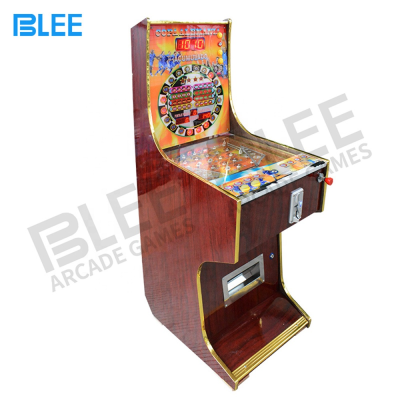
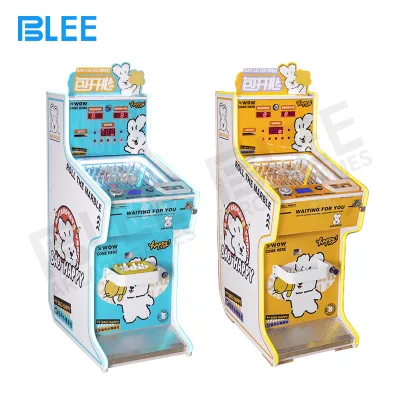
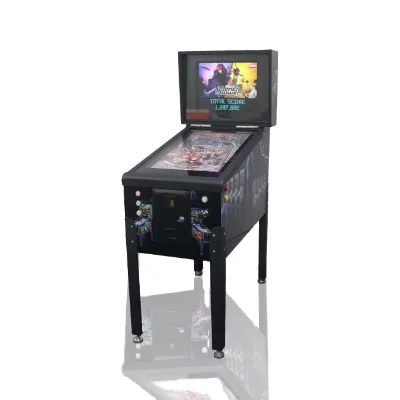


Coin Operated Arcade Pinball Game Machine Carnival Pinball Machine for Kids
$254.00 - $313.76
MOQ: 1 pieces

Coin Operated Arcade Pinball Game Machine Carnival Pinball Machine for Kids
$254.00 - $313.76
MOQ: 1 pieces


Comprehensive Sourcing Guide
Strategic Sourcing Guide for Digital Coin Operated Pinball Machines
Understanding the Technical Architecture and Operational Modes
When sourcing digital coin-operated pinball machines, buyers must first distinguish between the specific operational architectures available in the current market. The product landscape reveals a bifurcation between manual operation systems and automatic modes, each serving distinct venue requirements. Manual operation units typically require direct physical interaction from the player to control flippers and plunger mechanisms, offering a tactile experience that appeals to traditional arcade enthusiasts. In contrast, automatic mode variants are designed to streamline the user experience, potentially reducing the skill barrier for younger demographics or high-traffic environments where throughput is critical.
The core electronic architecture of these machines relies heavily on digital sound effects, which are a standard feature across the observed product range. These audio systems are integral to the immersive experience, providing feedback loops that enhance gameplay engagement. The power consumption for these units is generally optimized, with specific models operating at 30W, indicating a focus on energy efficiency for venues with multiple units. The voltage requirements are flexible, supporting a broad range of 110V to 220V, which is essential for international procurement where electrical infrastructure varies significantly. Furthermore, the plug types are often designed to be universal or adaptable, ensuring that the machine can be deployed in various regions without immediate hardware modification.
The physical construction of the machine is equally critical. The material composition varies, with some units utilizing a combination of wooden boxes, acrylic, and metal, while others rely on plastic or metal cabinets. The choice of material impacts durability, aesthetic appeal, and the overall weight of the unit. For instance, metal cabinets offer superior resistance to vandalism and heavy usage, making them preferable for public spaces like shopping malls and plazas. The dimensions of these machines also vary significantly, ranging from compact mini versions to large-scale arcade units. Buyers must verify the exact standard dimensions of any specific model, as sizes can range from approximately 25cm in width to over 1.5 meters in height, directly influencing floor space planning and logistics.
Compliance, Certification, and Safety Standards
Navigating the regulatory landscape is a non-negotiable aspect of sourcing digital coin-operated pinball machines. The primary certification observed in the market is the CE mark, which indicates conformity with health, safety, and environmental protection standards for products sold within the European Economic Area. Some suppliers may also provide CCC certification, which is mandatory for products sold in China. It is imperative for buyers to verify that the specific unit they intend to purchase carries the relevant certifications for their target market. Relying on a single certification without cross-referencing local regulations can lead to compliance failures and potential legal liabilities.
Safety standards extend beyond electrical certification to include mechanical integrity and material safety. The machines are often designed for age groups starting from over three years up to over six years, necessitating strict adherence to safety protocols regarding small parts, pinch points, and electrical safety. The production standards, such as specific dimensional tolerances (e.g., 40cm66cm112cm or 1550860490mm), serve as benchmarks for quality control. Buyers should request documentation that confirms the machine meets these dimensional and structural standards. Additionally, the warranty terms, often cited as one year, provide a baseline for expected product longevity and manufacturer support. However, some advanced models may offer extended warranties or lifetime technology support, which should be explicitly confirmed in the contract.
Cost Drivers and Pricing Variables
The pricing for digital coin-operated pinball machines is highly variable, with observed ranges spanning from $9 to $3,840 USD. This wide disparity is driven by several key factors, including the complexity of the digital sound system, the quality of materials used, and the level of customization. Basic units constructed primarily of plastic or simple metal cabinets will occupy the lower end of the price spectrum. Conversely, premium models featuring custom logos, advanced lighting effects, and robust metal construction will command higher prices. The inclusion of LED lighting effects is a common feature that adds to the visual appeal and cost of the unit.
The Minimum Order Quantity (MOQ) is another significant cost driver, with observed ranges between 1 and 24 units. Buyers purchasing single units for testing or small venues may face higher per-unit costs compared to those placing bulk orders. The customization options also play a crucial role in pricing. Customized logos, specific color schemes, and tailored packaging (such as foam and wooden frames versus standard color boxes) incur additional charges. The coin capacity, which can range from several hundred to a couple of thousand coins, and the currency detection capabilities that support multiple currencies, are functional features that may influence the final cost. Buyers must evaluate the total cost of ownership, including shipping, installation, and potential maintenance, rather than focusing solely on the initial purchase price.
Typical Applications and Venue Suitability
Digital coin-operated pinball machines are versatile assets designed for a wide array of commercial environments. The primary applications include amusement game centers, shopping centers, plazas, and game zones. These venues benefit from the machines' ability to attract foot traffic and generate revenue through coin operation. The suitability of a specific machine depends on the target demographic and the physical constraints of the venue. For instance, units with an age recommendation of over three years are ideal for family-oriented shopping malls, while those suitable for over six years might be better placed in dedicated arcades or entertainment complexes.
The user interaction mode also dictates venue suitability. Manual operation machines are often preferred in settings where players seek a competitive, skill-based experience. Automatic mode machines, on the other hand, are advantageous in high-traffic areas where quick turnover is necessary, or where the user base includes younger children who may not yet possess the coordination required for manual play. The language support, typically available in English and Spanish, further expands the applicability of these machines to international markets. Buyers should assess the specific needs of their venue, considering factors such as expected daily usage, the age range of their customers, and the available floor space, to select the most appropriate model.
Supplier Evaluation and Quality Assurance Protocols
Evaluating suppliers requires a rigorous approach to ensure the reliability and quality of the digital coin-operated pinball machines. Buyers should prioritize suppliers who provide transparent information regarding their production standards and origin. The majority of the observed products originate from Guangdong and Guangzhou, China, regions known for their manufacturing capabilities in amusement equipment. However, the origin alone is not a guarantee of quality. Buyers must verify the supplier's ability to meet specific customization requests, such as OEM and ODM services, and their capacity to produce units with specific certifications like CE or CCC.
Quality control should be a central component of the procurement process. Buyers should request detailed specifications on the materials used, such as the distinction between metal cabinets and plastic components, and verify the durability of the digital sound effects and LED lighting systems. The packaging standards, whether customized with logos and foam or standard color boxes, are also indicators of the supplier's attention to detail. A reputable supplier will provide clear information on the warranty terms, which typically cover one year, and may offer additional support such as lifetime technology assistance. It is essential to establish a clear communication channel with the supplier to address any potential issues regarding performance, maintenance, or spare parts availability.
Long-Term Procurement and Maintenance Considerations
Sourcing digital coin-operated pinball machines is not merely a one-time transaction but a long-term investment that requires careful planning for maintenance and scalability. The warranty period, often one year, serves as a critical benchmark for the expected lifespan of the machine. However, buyers should also consider the availability of spare parts and the technical support offered by the supplier. Some suppliers provide lifetime technology support, which can significantly reduce long-term operational costs and downtime. The coin capacity and currency detection features are also vital for long-term viability, as they determine the machine's ability to generate revenue in diverse markets.
Scalability is another important consideration. As a business grows, the need for additional units or upgrades may arise. Buyers should evaluate the supplier's capacity to fulfill larger orders and their ability to provide consistent quality across multiple units. The customization options, such as the ability to add specific logos or adjust the color schemes, allow businesses to maintain a consistent brand identity across their venues. Furthermore, the flexibility of the power and voltage requirements ensures that the machines can be easily deployed in different locations without extensive retrofitting. By focusing on these long-term factors, buyers can ensure a sustainable and profitable investment in digital coin-operated pinball machines.
Comparative Analysis of Key Specifications
To facilitate informed decision-making, the following table summarizes the key specifications observed in the market for digital coin-operated pinball machines. This comparison highlights the variations in model numbers, dimensions, materials, and operational modes that buyers should consider during the sourcing process.
| Feature Category | Observation A | Observation B | Observation C |
|---|---|---|---|
| Product Model | ZM-Pinball-04 | ZM-Pinball-02 | SPKDL856 |
| User Interaction | Manual Operation | Automatic Mode | Manual Operation |
| Material Type | Metal, Wooden Box, Acrylic | Metal Cabinet | Plastic |
| Dimensions (Approx.) | 40cm66cm112cm | 1550860490mm | 128150283cm |
| Power Consumption | 30W | 30W | Variable |
| Voltage | 110V-220V | 110V-220V | 110V-220V |
| Certification | CE | CE, CCC | CE |
| Sound Effects | Digital Sound Effects | Digital Sound Effects | Digital Sound Effects |
| Lighting | LED Lighting | LED Lighting | LED Lighting |
| Warranty | 1 Year | 1 Year and Life Time Support | 1 Year |
| Age Group | >6 Years | >3 Years | >6 Years |
| Origin | Guangdong, China | Guangzhou, China | China |
This comparative view underscores the importance of aligning specific technical requirements with the intended application. Buyers must carefully review these attributes to ensure the selected machine meets the operational, safety, and aesthetic needs of their specific venue. By adhering to these evidence-based guidelines, procurement professionals can navigate the complex landscape of digital coin-operated pinball machines with confidence and precision.
FAQs
What certifications do digital coin operated pinball machines have?
Most units carry CE certification for European safety compliance, while some models also include CCC certification for the Chinese market. Buyers must verify the specific certification for their target region before purchasing to ensure legal operation.
How much power do these machines consume during operation?
Typical models operate at 30W power consumption, which supports energy efficiency for venues with multiple units. The voltage range is flexible, accepting 110V to 220V to accommodate different international electrical infrastructures.
Which materials are used for the cabinet construction?
Cabinets are constructed from metal, plastic, or a combination of wooden boxes, acrylic, and metal depending on the model. Metal cabinets offer superior durability for high-traffic areas like shopping malls and plazas.
Can buyers request custom logos and packaging for orders?
Yes, customization is available including custom logos and specialized packaging with foam and wooden frames. Standard color boxes are also an option, but tailored packaging incurs additional charges based on the specific requirements.
What is the typical minimum order quantity for these machines?
The minimum order quantity ranges from 1 to 24 units depending on the supplier and customization level. Bulk orders often result in lower per-unit costs compared to purchasing single units for testing or small venues.
Where are these pinball machines typically manufactured?
The majority of these machines originate from Guangdong and Guangzhou in China, regions known for amusement equipment manufacturing. Buyers should confirm the specific origin to ensure quality standards and logistics planning.
What warranty terms are standard for these products?
Standard warranty terms typically cover one year of operation, though some advanced models offer lifetime technology support. Buyers should explicitly confirm the warranty duration and scope in the contract before finalizing the purchase.