Source Modern Fixed Restaurant Sofa for Cafe, Hotel, and Lounge
Find 30 Modern Fixed Restaurant Sofa options tailored for commercial dining spaces. Compare specifications including frame materials, upholstery types, and dimensions to select the ideal seating solution for your venue.
Key considerations
Products List


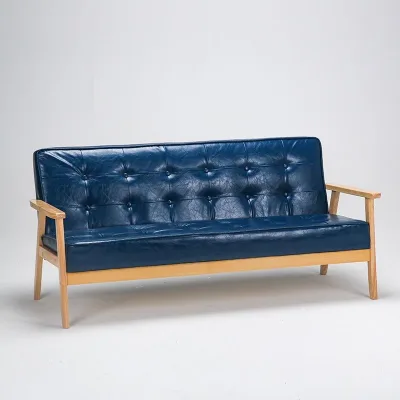


Modern Comfortable Leather Cafe Tea Shop Restaurant Booth Sofa with Armrest Low Back
$126.00 - $149.00
MOQ: 10 Pieces


Wholesale Modern Restaurant Furniture Cafe Fast Food Booth Seating Sofa
$100.00 - $300.00
MOQ: 10 Pieces


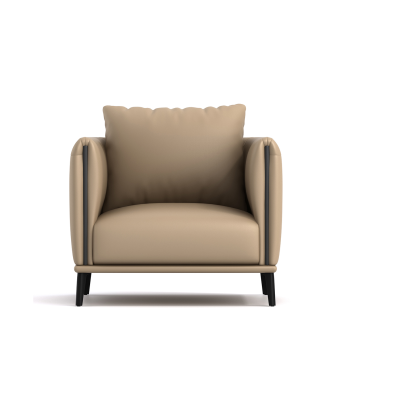


High Quality Customized Leather Sofa Restaurant Furniture for Restaurant
$85.00 - $129.00
MOQ: 10 pieces


Comprehensive Sourcing Guide
Modern Fixed Restaurant Sofa Sourcing Guide
Sourcing modern fixed restaurant sofas requires a disciplined approach that balances aesthetic alignment with the rigorous demands of commercial hospitality environments. Unlike residential furniture, commercial seating must withstand high-frequency use, frequent cleaning cycles, and strict fire safety regulations. The term "fixed" indicates a non-reclining, stationary design, which simplifies mechanical maintenance but places greater emphasis on structural integrity and material durability. Buyers must prioritize suppliers who specialize in commercial-grade construction, ensuring that the frame, upholstery, and cushioning are engineered for longevity rather than temporary comfort.
The procurement process involves navigating a diverse market of manufacturers, primarily concentrated in regions like Guangdong, China, which offers a robust supply chain for furniture production. Observed listings reveal a wide variance in pricing, ranging from approximately $60 to nearly $2,500 USD, reflecting differences in material quality, frame construction, and customization options. This price disparity underscores the importance of defining clear technical specifications before engaging with suppliers. A thorough understanding of the product scope, including frame materials, cover fabrics, and dimensional standards, is essential to avoid misalignment between procurement expectations and delivered goods.
Product Scope and Observed Listing Signals
The market for modern fixed restaurant sofas encompasses a variety of styles, with "Modern" being the predominant aesthetic observed in current listings. These designs often feature clean lines, minimalist profiles, and versatile color palettes that include white, black, yellow, brown, and various shades of green and blue. The "Fixed" attribute confirms that these units are stationary, lacking the mechanical components found in reclining or modular sectional sofas. This simplicity is advantageous for high-traffic areas such as cafes, coffee shops, and casual dining restaurants, where ease of cleaning and reduced maintenance costs are critical operational factors.
Material composition varies significantly across suppliers, with options ranging from genuine leather and synthetic leather to fabric and PU leather combinations. The inner frame is frequently constructed from dried solid wood, providing a sturdy foundation that resists warping over time, while legs are often made from metal with powder-coated finishes for added durability and corrosion resistance. Some listings highlight the use of high-density foam for cushioning, which is vital for maintaining shape and comfort under heavy use. Buyers should carefully review the specific material claims for each SKU, as attributes like "Leather" or "Synthetic Leather" may apply to different models within the same supplier’s catalog.
Technical Specifications to Verify
Dimensional accuracy is a critical technical parameter that directly impacts seating capacity and floor space planning. Standard dimensions observed in the market include configurations such as 35502300700mm and W2300D950H700mm, catering to both large combination units and smaller single-seat arrangements. Buyers must verify these measurements against their specific floor plans, accounting for clearance around tables and walkways. The "Combination" type suggests that some units may be designed to interlock or form larger seating clusters, which requires precise alignment of edge profiles and leg placements to ensure a cohesive look and stable structure.
Cushioning and upholstery specifications must be scrutinized to ensure they meet the intended use case. High-density foam is a preferred choice for commercial applications due to its resilience and ability to recover from compression. The cover material, whether it is fabric, PU leather, or oil-wax skin, must be evaluated for stain resistance, abrasion tolerance, and ease of maintenance. Additionally, the "Fixed" nature of the sofa means that the attachment of the seat cushion to the frame is permanent; buyers should confirm whether the covers are removable for cleaning or if they are fixed, as this affects long-term upkeep strategies.
Compliance and Safety Documentation
Fire safety is a non-negotiable aspect of commercial furniture procurement, particularly in restaurants and hospitality venues. Buyers must request and verify fire retardancy certifications that comply with local regulations, such as California Technical Bulletin 117 or equivalent international standards. While some listings mention certifications like CE or ISO, these often relate to general manufacturing quality or electrical components rather than specific fire safety performance. It is imperative to ask for detailed test reports from accredited laboratories that confirm the flame spread, smoke density, and ignition resistance of both the upholstery fabric and the internal foam materials.
Structural stability and load-bearing capacity are also key compliance areas. The inner frame, typically made from dried solid wood, must be tested for durability under dynamic loads. Buyers should inquire about the testing protocols used to validate the frame’s strength, including cycle tests that simulate years of use. Additionally, the finish on metal legs and other hardware should be checked for compliance with environmental standards regarding volatile organic compounds (VOCs) and heavy metals, ensuring that the furniture does not off-gas harmful substances in enclosed dining spaces.
Cost Drivers and Commercial Terms
Pricing for modern fixed restaurant sofas is influenced by several key factors, including the type of frame material, the quality of the upholstery, and the level of customization required. Listings show a broad price range, with basic models starting around $60 and more complex, high-end configurations reaching up to $2,478. This variance reflects differences in material sourcing, such as the use of genuine leather versus synthetic alternatives, and the complexity of the design, such as combination units versus single seats. Buyers should request detailed breakdowns of costs to understand where value is being added, particularly in areas like frame construction and cushion density.
Minimum Order Quantities (MOQ) and lead times are significant commercial considerations that affect inventory planning and cash flow. Observed MOQs range from 1 to 30 units, offering flexibility for smaller establishments or trial orders. Lead times typically span 15-20 days, though this can vary based on customization requests and production schedules. Buyers should also consider packaging standards, with options like "Standard Exported Package" or "Carton" affecting shipping costs and the risk of damage during transit. Clear communication regarding these terms is essential to avoid unexpected delays or additional expenses.
Supplier Qualification and Quality Control
Evaluating supplier qualifications is crucial to ensuring consistent quality and reliable delivery. Buyers should prioritize manufacturers with a proven track record in commercial furniture production, particularly those specializing in restaurant and cafe seating. Verification of production capabilities, including factory audits and quality management systems, can provide insight into the supplier’s ability to maintain consistent standards. The presence of certifications like ISOCCC may indicate a commitment to quality management, but buyers should also assess the supplier’s experience with export markets and their ability to handle logistics and documentation efficiently.
Quality control processes should be clearly defined and agreed upon before production begins. This includes pre-production sample approvals, in-process inspections, and final random inspections before shipment. Buyers should specify acceptance criteria for defects, such as stitching errors, frame instability, or fabric imperfections, and establish a protocol for handling non-conforming goods. The "New" condition of the products is standard, but buyers should also verify that the items are free from cosmetic damage and that all components, including legs and cushions, are securely attached and functional.
Long-Term Procurement Checks
Sustainability and lifecycle management are increasingly important factors in furniture procurement. Buyers should inquire about the recyclability of materials, such as the wood frame and metal legs, and the availability of replacement parts for upholstery or cushions. The "3 Years" warranty observed in some listings provides a baseline for expected product lifespan, but buyers should negotiate terms that cover structural failures and material degradation. Understanding the supplier’s policy on warranty claims and after-sales support is essential for minimizing downtime and replacement costs.
Continuous improvement and feedback loops are vital for maintaining a high-quality supply chain. Buyers should establish regular communication channels with suppliers to discuss performance data, customer feedback, and potential design improvements. This collaborative approach can lead to better product iterations and more responsive service. Additionally, staying informed about industry trends and regulatory changes ensures that procurement strategies remain aligned with market expectations and legal requirements, securing a competitive advantage in the hospitality sector.
FAQs
What materials are used for the frame and upholstery?
The frames are constructed from dried solid wood, while the upholstery options include leather, fabric, or PU leather. Some models feature synthetic leather covers with high-density foam sponges for comfort and durability in commercial settings.
Can I find modern fixed restaurant sofas with CE certification?
Yes, certain models are available with CE and ISOCCC certifications to ensure safety and quality standards. These certified units are suitable for commercial applications like restaurants, cafes, and coffee shops requiring verified product compliance.
What is the typical lead time for ordering these sofas?
The standard lead time for production and delivery ranges from 15 to 20 days after order confirmation. This duration applies to standard export packages and may vary slightly depending on specific customization requests or order volume.
Which warranty periods are offered for commercial furniture?
Warranty periods vary by model, with options including one year or three years of coverage. Buyers should verify the specific warranty terms for each product listing to ensure adequate protection for their commercial furniture investment.
How are these sofas packaged for international shipping?
Products are typically packed in standard export packages or cartons to ensure safe transit. This packaging method protects the furniture during shipping and is designed to meet the requirements of international logistics and handling procedures.
Are there options for customizing the sofa dimensions?
Customization is available for specific models, allowing buyers to tailor dimensions or features to their needs. However, some listings also offer non-customized fixed options with standard specifications like W2300*D950*H700mm for immediate procurement.
What is the minimum order quantity for these items?
The minimum order quantity ranges from one to thirty units depending on the specific product listing. Buyers can often source single items or larger batches, making these options flexible for various commercial furniture procurement needs.