Source Modern Flexible Rubber Wall Base for Floors, Walls, and Carpets
Explore 30 listings for Modern Flexible Rubber Wall Base options sourced from Zhejiang, China. Compare PVC and vinyl profiles with cove designs, available in grey and white, featuring eco-friendly materials and easy installation for flooring and wall applications; compare the available evidence and request quotations based on your requirements.
Key considerations
Products List
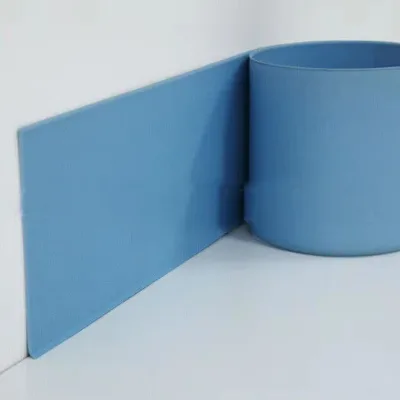
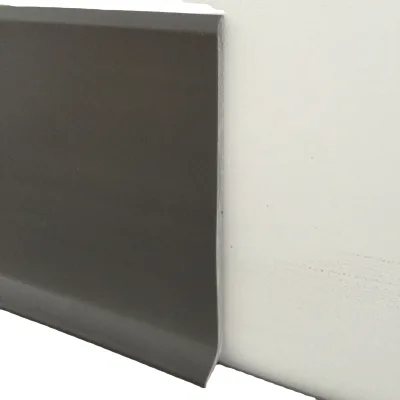
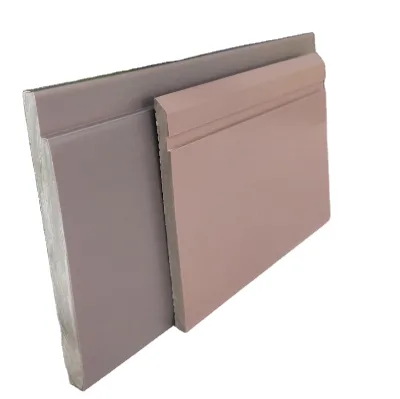


Durable Rubber Base for Sign Plate Rubber Base Weight Recycled Rubber Base
$8.80 - $10.00
MOQ: 500 Pieces


$7.00 - $8.50
MOQ: 100 Pieces


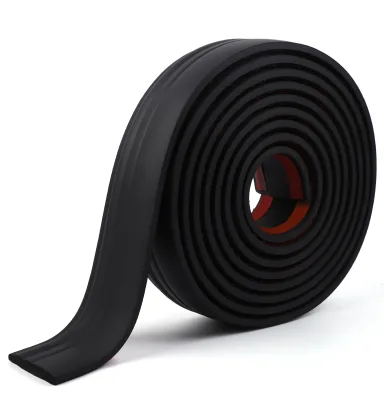
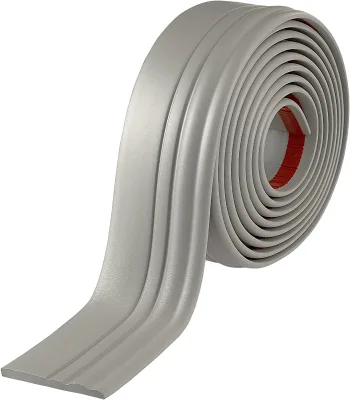
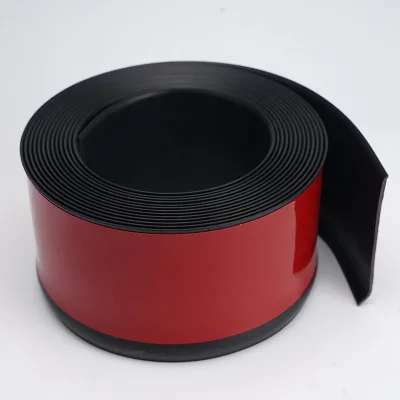


Versatile Rubber Sheet Roll, Waterproof & Shock-Absorbing Base for Various Flooring Projects
$15.00 - $30.00
MOQ: 100 Square Meters


Best Quality Contact Adjustable PVC Plastic Ground Base for Sell Ground Support
$4.00 - $8.00
MOQ: 500 Pieces


Comprehensive Sourcing Guide
Modern Flexible Rubber Wall Base Sourcing Guide
Procuring Modern Flexible Rubber Wall Base requires distinguishing between rigid vinyl profiles and true flexible cove bases designed for curved architectural elements. The observed market data indicates a strong prevalence of PVC and vinyl compositions, often marketed as flexible trim profiles suitable for both floor and wall applications. Buyers must verify that the product explicitly supports the "cove" or "skirting" use case, as generic baseboards may lack the necessary pliability for seamless transitions around corners.
The product landscape includes items labeled as "Grey Rubber Moulding" or "Flexible Base Moulding," which often feature a soft or flexible hardness rating to accommodate uneven surfaces. While some listings suggest a "Modern" design style, others reference "Traditional" or "Contemporary" aesthetics, requiring careful selection to match the specific project's visual intent. Understanding these material distinctions is critical before engaging with suppliers to ensure the selected profile meets the functional demands of the installation environment.
Product Scope and Observed Listing Signals
Buyers should scrutinize listing attributes to confirm the item is a true flexible cove base rather than a standard rigid trim. The available data highlights specific model numbers like "Cove Base" and "Rubber Wall Base," alongside descriptions emphasizing "Flexible Trim Profile" and "Flexible Base Moulding." These signals indicate a product capable of bending around obstacles, which is essential for commercial and high-traffic residential spaces where durability and aesthetic continuity are paramount.
Observations of the product range reveal a diverse array of surface treatments, including brushed, wood grain, polished, and matte finishes, alongside color options like grey and white. The "After-sale Service" often includes free spare parts, suggesting a supply chain prepared for long-term maintenance needs. However, the "Selling Units" are frequently listed as single items, which may complicate bulk procurement logistics if the supplier does not offer consolidated packaging for large-scale projects.
Technical Specifications to Verify
Verification of thickness is a primary technical requirement, as the observed range spans from 0.8mm to 5mm, significantly impacting durability and installation ease. Thinner profiles may be suitable for light-duty residential use, while thicker sections are generally preferred for commercial environments subject to heavy foot traffic and cleaning equipment. Buyers must explicitly request the exact thickness specification for their order to ensure the product aligns with the structural requirements of the specific flooring system.
The material composition is another critical verification point, with listings citing vinyl, PVC, UPVC, and plastic as primary components. While "Rubber" is frequently mentioned in product titles, the underlying material is often a flexible vinyl compound designed to mimic rubber properties. Confirming the specific polymer blend ensures the product will not degrade under UV exposure or chemical cleaning agents, and verifying the "Hardness" as flexible or soft confirms the profile can be installed without pre-cutting or heating.
Compliance and Safety Documentation
Safety and environmental compliance are essential for interior applications, particularly in schools, hospitals, and public buildings. The observed data includes references to "Green Standards" and "Eco-Friendly" features, which should be substantiated by specific test reports rather than generic marketing claims. Buyers must request documentation proving the material meets relevant indoor air quality standards and does not emit harmful volatile organic compounds (VOCs) during or after installation.
While specific certification statuses like ISO9001 are noted in the product listings, these primarily attest to the manufacturer's quality management systems rather than the product's specific safety performance. Procurement teams should verify if the supplier holds additional certifications relevant to fire safety, slip resistance, or chemical resistance, as these are often required by local building codes. Relying solely on the presence of a general ISO certificate without product-specific safety data can leave a project vulnerable to compliance failures.
Cost Drivers and Commercial Terms
The observed price range of 0.1 to 100 USD per unit suggests significant variability based on material quality, thickness, and order volume. Lower-priced items often correspond to thinner profiles or standard colors, while premium finishes like wood grain or custom colors likely command higher unit costs. Buyers should analyze the cost per linear meter rather than per unit to accurately compare value across different suppliers and product specifications.
Minimum Order Quantities (MOQ) observed in the market range from 1 to 2000 units, creating a barrier for small projects or sample acquisitions. Suppliers with high MOQs may offer better unit pricing, but this requires careful inventory planning to avoid overstocking. Additionally, the "Project Solution Capability" for 3D model design is a value-added service that can reduce installation errors, potentially offsetting higher material costs through reduced labor and waste during the construction phase.
Supplier Qualification and Quality Control
Supplier qualification should extend beyond basic business registration to include an assessment of their manufacturing consistency and after-sales support. The presence of "Free Spare Parts" in the service offerings indicates a supplier confident in their product longevity and willing to support long-term maintenance. Buyers should verify the supplier's capacity to fulfill large orders within the stated lead times and their ability to provide consistent color matching across different production batches.
Quality control processes must be validated through on-site audits or third-party inspection reports, focusing on the flexibility and durability of the final product. Since the material is described as "Flexible Trim," testing for resistance to tearing and ability to return to shape after bending is crucial. Buyers should also confirm the supplier's adherence to the "ISO9001" standard mentioned in listings, ensuring that their internal quality checks are systematic and documented.
Long-Term Procurement Checks
Long-term procurement success depends on verifying the warranty terms and the supplier's commitment to product consistency over time. The observed warranty period of "More Than 5 Years" is a strong indicator of expected product lifespan, but buyers must clarify the specific conditions under which this warranty applies, such as proper installation and maintenance protocols. Understanding these terms helps in calculating the total cost of ownership and mitigating the risk of premature failure.
Finally, buyers should establish a protocol for periodic re-evaluation of the supply chain to ensure the product continues to meet evolving project standards. As design trends shift between "Modern" and "Traditional" styles, the supplier must demonstrate the agility to provide updated profiles without compromising on the core flexible properties. Maintaining a relationship with a supplier who offers customization and 3D design support ensures the procurement strategy remains adaptable to future architectural requirements.
FAQs
What material is used for Modern Flexible Rubber Wall Base?
The product is manufactured from vinyl, PVC, or UPVC materials. These compositions provide the necessary flexibility for easy installation along floors and walls. The material choice ensures durability while maintaining a soft, pliable structure suitable for various interior design applications.
Can the flexible baseboard be customized for specific projects?
Yes, customization is available for this flexible baseboard. Buyers can request specific designs or dimensions to suit their unique project requirements. The supplier offers project solution capabilities, including 3D model design assistance, to ensure the final product meets exact specifications.
What certifications does the flexible wall base hold?
The product holds ISO9001 certification, indicating adherence to quality management standards. This certification ensures consistent manufacturing processes and product reliability. Buyers can rely on this verified quality assurance when sourcing flexible wall bases for commercial or residential flooring projects.
How thick is the flexible cove base molding?
The thickness of the flexible cove base molding ranges from 0.8mm to 5mm. This variation allows for different aesthetic and functional requirements. Buyers can select the appropriate thickness based on their specific flooring needs and design preferences for a seamless finish.
What after-sale service is provided for the flexible trim?
Free spare parts are provided as part of the after-sale service. This support ensures long-term maintenance and repair capabilities for the installed flexible trim. Buyers benefit from this service commitment, which enhances the overall value and reliability of the purchased flooring accessories.
Where is the flexible rubber wall base manufactured?
The product originates from Zhejiang, China. This location is a known hub for manufacturing various building materials and flooring accessories. Buyers sourcing from this region can expect established supply chains and competitive production capabilities for flexible wall base products.