Source Modern Insulated Cabin for Offices, Dorms, and Hotels
Find 30 Modern Insulated Cabin options for temporary offices, dormitories, and hotels. Buyers can compare specifications, materials, and prices to select the right solution for their needs.
Key considerations
Products List


Mobile Insulated Office Cabin with Adjustable Shelving and Storage Compartments
$2899.00 - $3199.00
MOQ: 5 Pieces


Double-Layer Insulated Container Dormitory Extreme Cold Region Staff Housing Cabin
$899.00 - $1850.00
MOQ: 4 Pieces


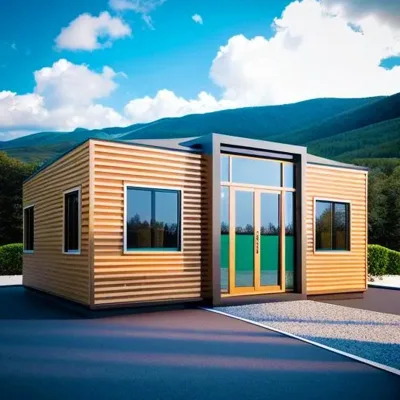


High-Quality Mobile Cabin with Durable Steel for Contemporary Living
$1399.00 - $1499.00
MOQ: 1 Pieces

High-Quality Mobile Cabin for Comfortable and Versatile Living Space
$1399.00 - $1499.00
MOQ: 1 Pieces


Comprehensive Sourcing Guide
Sourcing Modern Insulated Cabins for B2B Operations
The global demand for modular and temporary structures has surged, driven by the need for rapid deployment in construction, hospitality, and emergency response sectors. Among these solutions, the Modern Insulated Cabin stands out as a versatile asset capable of serving as temporary offices, dormitories, workshops, and even residential hostels. For procurement professionals, sourcing these units requires a disciplined approach that balances technical specifications, regulatory compliance, and total cost of ownership. This guide provides a structured framework for evaluating suppliers and selecting the right insulated cabin solutions based on verified market data and industry standards.
Technical Specifications and Structural Integrity
When evaluating modern insulated cabins, the primary focus must be on the structural framework and the composition of the wall materials. The market offers a diverse range of configurations, from aluminum alloy structures to heavy-duty steel frameworks. Buyers should verify the specific material composition of the unit they intend to purchase. For instance, some units utilize an aluminum alloy structure, which offers a balance of strength and weight reduction, while others rely on a galvanized steel structure combined with sandwich panels for enhanced durability.
The dimensions of the cabin are critical for logistical planning and site preparation. Standardized models often adhere to specific length, width, and height ratios, such as 1538mm by 1220mm by 2248mm, or larger configurations like 9000mm by 6240mm by 2200mm. However, customization is a prevalent feature in this sector, with many suppliers offering the ability to tailor sizes to specific project requirements. The weight of the unit is another vital specification; observed data indicates weights ranging from approximately 300kg to 455kg, depending on the model and material density.
Insulation and environmental resistance are paramount for modern insulated cabins. The core material often consists of sandwich panels designed to provide thermal insulation, moisture proofing, and wind resistance. High-performance units claim features such as earthquake resistance up to Grade 8, ensuring safety in seismic zones. Additionally, waterproofing capabilities are frequently highlighted, with some specifications citing non-absorbent properties or high percentages of water resistance. The overall lifespan of these structures is a key differentiator, with observed ranges extending from 20 to 30 years, and in some cases, exceeding 30 years for premium models.
Compliance, Certification, and Safety Standards
Navigating the regulatory landscape is essential for B2B procurement to ensure that purchased units meet international and local safety standards. Certification acts as a proxy for quality assurance and compliance. Buyers should look for units that carry recognized certifications such as CE and ISO, which indicate adherence to specific safety and quality management protocols. The presence of these certifications suggests that the manufacturing process has undergone rigorous scrutiny regarding structural integrity and material safety.
Beyond general certifications, specific performance attributes must be verified against the intended application. For example, units designated for residential or hostel use should demonstrate sound insulation properties, with observed benchmarks suggesting a rating of at least 30dB to ensure occupant comfort. Fire safety, while not explicitly detailed in all product listings, is an implicit requirement for structures used as dormitories or offices. Buyers must request test reports or compliance documentation regarding fire resistance ratings, as this is a critical safety metric often governed by local building codes.
The structural standard of the cabin also plays a role in compliance. Units are often built to specific dimensional standards that facilitate stacking, shipping, and on-site assembly. The "Combination Structure" attribute observed in the market suggests that these cabins are designed for modular expansion, allowing multiple units to be joined seamlessly. This modularity must be validated to ensure that the connection points maintain the structural integrity and weatherproofing of the entire assembly.
Cost Drivers and Pricing Dynamics
Understanding the cost drivers of modern insulated cabins is crucial for budgeting and negotiation. The price range in the market is vast, spanning from $5 to $6,600, reflecting the diversity in size, material quality, and customization levels. Several factors influence the final cost. The primary material used, such as aluminum alloy versus galvanized steel, significantly impacts the base price. Similarly, the thickness and type of sandwich panel insulation affect both the thermal performance and the cost.
Customization is another major cost variable. While some models are available in standard configurations with fixed dimensions, others offer "Any Size" customization options. Custom orders typically incur higher costs due to the need for specialized tooling, non-standard material cutting, and unique assembly processes. The packaging method also influences logistics costs; units shipped in a "Flat Pack" configuration may offer savings on freight volume compared to those shipped in a "Wooden Package" or fully assembled state.
Minimum Order Quantity (MOQ) requirements can also affect the unit economics. The observed MOQ range spans from 1 to 26 units. Buyers purchasing a single unit for a pilot project may face a higher per-unit cost compared to those placing an order for a larger fleet. Lead times and shipping logistics, particularly for international orders originating from regions like Shandong or Dongying in China, should be factored into the total cost of ownership. Buyers should request detailed breakdowns of costs to understand how much of the price is attributed to materials, labor, certification, and logistics.
Typical Applications and Usage Scenarios
Modern insulated cabins are highly adaptable and serve a wide array of applications across various industries. The versatility of these units makes them suitable for temporary offices, workshops, and dormitories. In the construction sector, they are frequently deployed as on-site administrative hubs or worker housing. The "Temporary Offices" and "Workshop" usage tags indicate their utility in environments where permanent infrastructure is not yet available or is too costly to build.
The hospitality and residential sectors also present significant opportunities for these structures. Units designed with features like sound insulation and multi-bedroom configurations (ranging from 1 to 4 bedrooms) are ideal for hotels, apartments, and residential hostels. The "Apple Cabin" model, for instance, is specifically noted for its application in residential contexts, offering a compact yet functional living space. The ability to combine units flexibly allows for the creation of larger complexes that can accommodate growing teams or expanding guest lists.
Furthermore, the "Fast Installation" attribute highlights the suitability of these cabins for emergency response scenarios or rapid project rollouts. In situations where time is of the essence, such as disaster relief or temporary housing for displaced workers, the quick assembly capability of these insulated cabins provides a critical advantage. The "Eco-Friendliness" and "Easily Movable" features further support their use in sustainable development projects or temporary sites that require minimal environmental impact.
Supplier Evaluation and Quality Control
Selecting the right supplier requires a thorough evaluation of their capabilities, reputation, and quality control processes. Buyers should prioritize suppliers who provide clear documentation regarding their manufacturing standards and material sourcing. The origin of the product, such as China, Shandong, or Dongying, can provide context regarding the supply chain, but it should not be the sole determinant of quality. Instead, focus on the supplier's ability to meet specific technical requirements and their track record in delivering compliant units.
Quality control should be a central part of the procurement strategy. Buyers must verify that the units undergo rigorous testing for waterproofing, wind resistance, and structural stability. The "Waterproof" attribute, with claims of 99.9999% resistance in some cases, should be backed by third-party test results. Similarly, the "Earthquake Resistance" claim of Grade 8 must be validated through engineering assessments. Inspecting the "prod_packing" method is also essential; whether the unit is packed in a wooden crate or a flat pack, the packaging must ensure that the cabin arrives without damage.
Warranty terms are another critical factor in supplier evaluation. A standard warranty of 1 Year is common, but buyers should negotiate for extended coverage, particularly for critical components like the structural frame and insulation panels. The "Life Span" of 20-30 years should be supported by the manufacturer's guarantee of durability. Buyers should also inquire about the availability of spare parts and the supplier's after-sales support network to ensure long-term maintenance is feasible.
Long-Term Procurement Considerations
Sourcing modern insulated cabins is not merely a transactional purchase but a strategic investment in infrastructure. Long-term considerations include the total cost of ownership, which encompasses not only the initial purchase price but also maintenance, energy efficiency, and potential relocation costs. The "Lifespan" of the unit, ranging from 20 to over 30 years, suggests that these cabins can serve as long-term assets if properly maintained. However, the actual longevity depends on the quality of materials and the environmental conditions of the deployment site.
Sustainability is increasingly becoming a priority in B2B procurement. The "Eco-Friendliness" feature of these cabins aligns with corporate sustainability goals, particularly if the units are designed for reusability and minimal waste. The "Easily Movable" attribute supports a circular economy approach, allowing units to be repurposed for different projects rather than being discarded. Buyers should evaluate the recyclability of the materials used, such as aluminum and steel, to ensure that the end-of-life disposal of the cabin aligns with environmental regulations.
Finally, scalability is a key consideration for organizations planning to expand their operations. The "Combination Structure" and "Customized" attributes indicate that these cabins can be scaled up or down as needed. Buyers should assess the supplier's capacity to handle large-scale orders and the flexibility to modify designs as project requirements evolve. By focusing on these long-term factors, organizations can ensure that their investment in modern insulated cabins delivers value over the entire lifecycle of the asset.
Summary of Key Specifications
To assist in the decision-making process, the following table summarizes the key technical and operational specifications observed in the market for modern insulated cabins.
| Feature Category | Observed Specifications & Attributes |
|---|---|
| Materials | Aluminum Alloy, Steel Structure, Galvanized Steel + Sandwich Panel |
| Dimensions | Standard: 153812202248mm; Large: 900062402200mm; Customizable |
| Weight | Approx. 300kg to 455kg |
| Certifications | CE, ISO |
| Applications | Temporary Offices, Dormitories, Workshops, Hotels, Apartments, Hostels |
| Performance | Earthquake Resistance (Grade 8), Sound Insulation (≥30dB), Waterproof |
| Lifespan | 20 to 30+ Years |
| Installation | Fast Installation, Combination Structure, Flat Pack Shipping |
| Warranty | 1 Year (Standard) |
| Origin | China (Shandong, Dongying) |
By adhering to these guidelines and focusing on verified data, procurement professionals can navigate the complex market of modern insulated cabins with confidence, ensuring that the selected solutions meet the rigorous demands of their specific operational needs.
FAQs
What certifications do modern insulated cabins typically hold?
These cabins often carry CE and ISO certifications to ensure safety and quality compliance. Buyers should verify specific documents for structural integrity and material safety before procurement.
How long is the expected lifespan of these structures?
The lifespan typically ranges from 20 to 30 years, with some premium models lasting over 30 years. Longevity depends on material quality and proper maintenance of the steel or aluminum frame.
Can these cabins be customized to specific sizes?
Yes, many models offer customization for any size to meet project requirements. Standard dimensions exist, but flexible combination structures allow for tailored configurations in length and width.
What is the minimum order quantity for purchasing units?
The minimum order quantity varies from 1 to 26 units depending on the supplier and model. Single-unit purchases are possible but may affect the per-unit cost compared to bulk orders.
Which materials are used for the main structure?
Main structures utilize aluminum alloy, galvanized steel, or sandwich panels for durability. Some units combine galvanized steel frames with sandwich panels to enhance wind and earthquake resistance.
How are these cabins packaged for shipping?
Packaging options include wooden packages, standard packing, or flat pack shipping configurations. The method chosen impacts logistics costs and on-site assembly speed for the buyer.
What is the price range for modern insulated cabins?
Prices range from 5 to 6600 USD based on size, material, and customization levels. Cost drivers include the structural material type, insulation thickness, and specific dimensional requirements.