Source Modern Large Jewelry Organizer for Storage and Display
Find a Modern Large Jewelry Organizer from 30 verified listings. Compare materials like wood and velvet, check dimensions, and review customization options for rings, necklaces, and general storage needs.
Key considerations
Products List



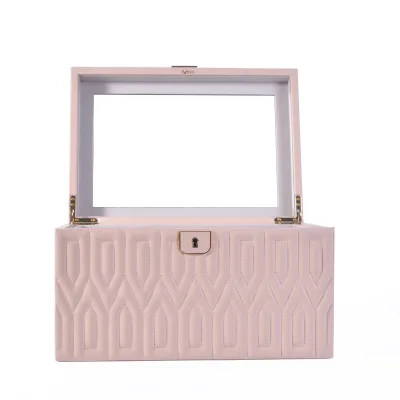
Dark Green Velvet Double Layer Jewelry Box Large Capacity Storage Organizer
$2.90 - $3.50
MOQ: 1000 Pieces




Comprehensive Sourcing Guide
Modern Large Jewelry Organizer Sourcing Guide
Sourcing a Modern Large Jewelry Organizer requires a nuanced understanding of material diversity, structural integrity, and aesthetic alignment with contemporary interior design trends. Buyers must navigate a market where "modern" often implies clean lines, minimalist hardware, and functional compartmentalization, while "large" suggests capacity for extensive collections including necklaces, rings, bracelets, and watches. The procurement process begins with defining the specific use case, whether for retail display, personal luxury storage, or wholesale distribution. Understanding the distinction between rigid wooden structures, flexible fabric organizers, and composite material boxes is critical for selecting the right supplier and product type.
This guide provides evidence-based procurement strategies for sourcing these items, focusing on verified product attributes, technical specifications, and commercial terms observed in current market listings. By adhering to the facts provided and applying trusted category knowledge, buyers can mitigate risks associated with quality inconsistencies, hidden costs, and compliance gaps. The following sections detail how to evaluate suppliers, verify specifications, and structure commercial agreements to ensure a successful procurement outcome for modern large jewelry organizers.
Product Scope and Observed Listing Signals
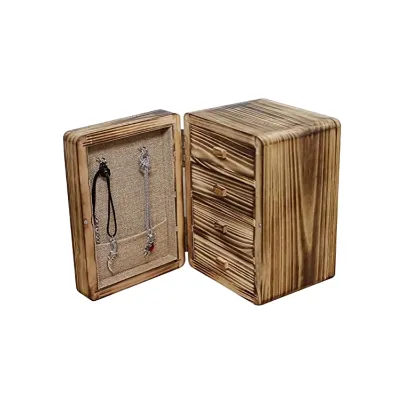
The current market for jewelry organizers exhibits significant variation in materials, ranging from solid wood and velvet-lined interiors to plastic components and cardboard-based structures. Observed listings indicate that wood remains a dominant material for premium organizers, often paired with velvet or fabric linings to protect delicate items. For instance, specific models are identified as "Wood Jewelry Box" or "Multipurpose Wooden Gift Box," highlighting the preference for natural materials that convey luxury and durability. These wooden units often feature multi-layer designs, allowing for efficient vertical storage and organized separation of different jewelry types, which is a key selling point for large-capacity organizers.
In contrast, other segments of the market offer lighter, more portable options using plastic or cardboard materials. Some listings describe products as "Storage Bags" or "Luxury Jewelry Box" with single-layer functionality, catering to buyers who prioritize portability or cost-efficiency over permanent storage solutions. The shape and form factor also vary, with rectangular and square designs being prevalent. Buyers should note that while some products are marketed as "folded," this attribute typically applies to packaging or collapsible storage bags rather than rigid wooden boxes. Understanding these material and structural distinctions is essential for aligning product selection with the intended end-use, whether it be high-end retail display or everyday personal storage.
Technical Specifications to Verify
When evaluating technical specifications, buyers must pay close attention to dimensions, weight, and internal configuration to ensure the organizer meets their capacity and spatial requirements. Observed standard sizes for larger organizers include dimensions such as 23.5x18x9cm and 16x11.5x5cm, with some products offering custom sizing options. Weight is another critical factor, with listings indicating weights both above and below 0.5 kg, suggesting a wide range of product densities. For wooden organizers, the weight often correlates with the thickness of the wood and the complexity of the internal structure, which can impact shipping costs and handling requirements.
Internal features such as the number of layers, the presence of specific compartments for rings or necklaces, and the type of closure mechanism are also vital verification points. Products are described with attributes like "Multi-layer" or "Single Layer," which directly influence the organization efficiency. Additionally, surface handling techniques, such as offset printing, may be used for branding or decorative purposes on cardboard or wooden surfaces. Buyers should request detailed internal diagrams or photos to verify the layout of compartments, ensuring that the organizer can accommodate the specific types and quantities of jewelry they intend to store. Customization options for size and internal layout should be confirmed with the supplier to avoid mismatches between expectation and delivery.
Compliance and Safety Documentation
Compliance and safety documentation are paramount, especially when jewelry organizers are intended for use in retail environments or for consumers with specific safety concerns. While specific certification statuses like ISO 27001 are mentioned in background data, buyers should primarily focus on product-specific safety standards, such as those related to material toxicity, flammability, and structural stability. For wooden organizers, verifying that the wood is treated with non-toxic finishes and that any adhesives used are compliant with relevant chemical regulations is essential. Similarly, for products containing plastic or cardboard components, ensuring that these materials meet safety standards for consumer goods is crucial.
Buyers should also consider the safety implications of the organizer's design, particularly for products with small parts or sharp edges. For instance, organizers with multiple small compartments for rings or earrings must ensure that these compartments are securely constructed to prevent accidental release of small items, which could pose a choking hazard. Additionally, if the organizer includes mirrors or glass elements, these should be made from safety glass or properly tempered to prevent injury in case of breakage. Requesting test reports or compliance certificates from the supplier for these specific aspects is a recommended due diligence step to mitigate liability and ensure consumer safety.
Cost Drivers and Commercial Terms
The cost of modern large jewelry organizers is influenced by several key drivers, including material quality, customization level, and order volume. Observed price ranges in the market span from $0.21 to $499, reflecting the vast difference between simple cardboard storage bags and high-end wooden organizers with intricate designs. Minimum Order Quantities (MOQs) also vary significantly, ranging from 1 to 3000 pieces, with some suppliers offering an MOQ of 200 pieces for customized orders. Buyers should carefully evaluate the trade-off between unit price and MOQ, considering whether the lower price per unit justifies the higher initial investment and storage requirements associated with larger orders.
Customization is another major cost driver, with options for customized logos, packaging, and even product dimensions. While customization allows for brand alignment and unique product offerings, it often incurs additional setup fees and may increase the lead time. Buyers should also consider the packaging method, as products are shipped in cartons, PE bags, or custom packaging, each with different cost implications. Freight costs, which depend on the weight and volume of the shipment, should be factored into the total landed cost. Negotiating clear commercial terms, including payment methods, warranty policies, and return procedures, is essential to protect the buyer's interests and ensure a smooth transaction.
Supplier Qualification and Quality Control
Supplier qualification is a critical step in the sourcing process, requiring a thorough assessment of the supplier's capabilities, reputation, and quality control systems. Buyers should verify the supplier's location, with many jewelry organizer manufacturers based in regions like Shandong and Zhejiang in China, which are known for their manufacturing expertise. Assessing the supplier's experience in producing similar products, their ability to handle OEM/ODM requests, and their track record for professional service can provide insights into their reliability. Requesting samples before placing a bulk order is a recommended practice to evaluate the actual quality of materials, craftsmanship, and functionality.
Quality control measures should be clearly defined and agreed upon with the supplier. This includes establishing acceptance criteria for defects, such as scratches, misalignments, or material imperfections, and determining the acceptable quality limit (AQL) for inspections. Buyers should also inquire about the supplier's internal quality control processes, including raw material inspection, in-process checks, and final product testing. For customized orders, ensuring that the supplier has a robust process for managing design changes and maintaining consistency across production batches is vital. Regular communication and clear documentation of quality expectations can help prevent disputes and ensure that the delivered products meet the buyer's standards.
Long-Term Procurement Checks
Long-term procurement success depends on establishing a sustainable relationship with suppliers and continuously monitoring performance metrics. Buyers should implement a system for tracking key performance indicators (KPIs) such as on-time delivery rates, product defect rates, and responsiveness to issues. Regular reviews of supplier performance can help identify areas for improvement and facilitate proactive problem-solving. Additionally, staying informed about market trends and technological advancements in jewelry organizer design can help buyers remain competitive and meet evolving customer demands.
Building a diversified supplier base can mitigate risks associated with supply chain disruptions, such as raw material shortages or geopolitical issues. Buyers should consider developing relationships with multiple suppliers for different product types or price points to ensure flexibility and resilience. Furthermore, maintaining open lines of communication with suppliers regarding future product development and potential collaborations can foster innovation and mutual growth. By focusing on long-term partnership rather than transactional relationships, buyers can secure better pricing, priority service, and access to exclusive products, ultimately enhancing their competitive position in the market.
FAQs
What materials are used for modern large jewelry organizers?
Modern large jewelry organizers are typically crafted from wood, velvet, or plastic. Wood provides a sturdy and classic aesthetic, while velvet interiors offer soft protection for delicate items. Plastic options are also available for lightweight storage. These materials ensure durability and style, catering to various preferences for organizing rings, necklaces, and other accessories effectively.
Can I customize the logo on a jewelry organizer?
Yes, customized logos are acceptable for many modern large jewelry organizers. Suppliers often offer OEM and ODM services to allow branding. This customization helps businesses create unique products for their clients. You can typically request specific designs or text to be printed or embossed on the box, enhancing brand visibility and product appeal in the market.
What is the typical MOQ for these organizers?
The typical minimum order quantity for these organizers is around 200 pieces. Some suppliers may accept orders as low as 1 piece, while others require up to 3000 pieces. This range allows flexibility for both small businesses and large retailers. Buyers should check specific supplier requirements to ensure their order volume meets the minimum threshold for production.
How are these jewelry boxes packed for shipping?
These jewelry boxes are commonly packed in cartons or PE bags. The choice of packaging depends on the supplier and product type. Carton packing offers robust protection for bulk shipments, while PE bags are suitable for individual items. Proper packaging ensures the products arrive in good condition, preventing damage during transit and handling by logistics providers.
What are the standard dimensions for these organizers?
Standard dimensions vary, with some models measuring approximately 13.78 x 5.12 x 1.18 inches. Others may be around 16 x 11.5 x 5 cm. Custom sizes are also available to meet specific needs. Buyers should verify the exact dimensions of the product model they are interested in to ensure it fits their storage requirements and display space.
Are these organizers suitable for displaying jewelry?
Yes, these organizers are designed for jewelry display and storage. They often feature multi-layer or single-layer designs to showcase rings, necklaces, and other items. The simplicity and functionality make them ideal for retail displays or personal use. Their aesthetic appeal helps highlight the jewelry, making them a practical choice for both home organization and commercial presentation.