Source Modern Leather Elephant Leg Chair for Office, Hotel, Bedroom
Compare 30 listings for the Modern Leather Elephant Leg Chair suitable for office buildings, hotels, and bedrooms. These contemporary designs feature durable fabric or synthetic leather with adjustable heights and revolving options for commercial and home office applications.
Key considerations
Products List
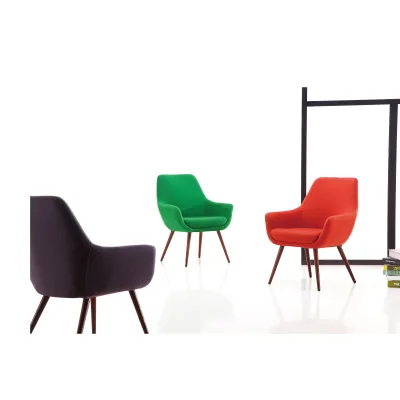
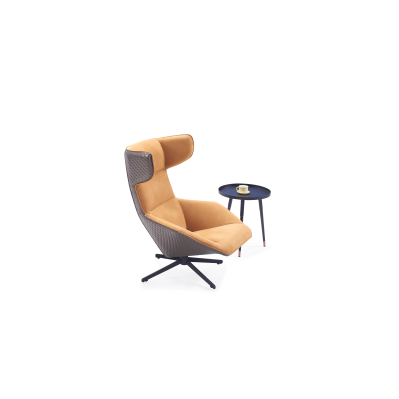


Modern Lounge Chair with Comfortable Upholstered Seat and Wooden Legs
$500.00 - $1500.00
MOQ: 1 Pieces


Comprehensive Sourcing Guide
Sourcing Guide for Modern Leather Elephant Leg Chairs
Understanding the Product Category and Design Language
The Modern Leather Elephant Leg Chair represents a specific intersection of contemporary design aesthetics and functional durability. In the current B2B market, this furniture category is characterized by a distinct silhouette where the base features robust, often sculpted legs that provide a stable foundation, reminiscent of the sturdy stance of an elephant. The primary material composition for this specific segment often involves synthetic leather or fabric, offering a balance between the luxurious appearance of genuine leather and the practicality required for high-traffic commercial environments. The design style is consistently described as contemporary or modern, aligning with the needs of office buildings, hotels, and residential living spaces that prioritize clean lines and functional elegance.
When evaluating products under this keyword, buyers must recognize that "elephant leg" refers to the structural base design rather than a specific standardized industry term. The visual impact is achieved through the thickness and curvature of the legs, which often support the seat and backrest in a way that suggests permanence and strength. The application scope for these chairs is broad, ranging from home offices to commercial furniture settings. The market data indicates that these items are frequently categorized under general use as commercial furniture, yet they also serve well in leisure and residential contexts such as bedrooms and living rooms. The appearance is typically modern, with a focus on high-quality finishes that resist wear and tear.
Technical Specifications and Material Composition
A critical aspect of sourcing these chairs involves a deep dive into technical specifications, particularly regarding dimensions, materials, and structural integrity. The supplied data reveals a variety of size configurations, indicating that buyers should expect significant variance in dimensions depending on the specific model. For instance, certain models feature dimensions around 660mm in length and width with a height of 850mm, while others may present a depth of 880mm, width of 760mm, and a height of 1120mm. These variations suggest that the "elephant leg" design is adaptable to different seating heights and seat depths, catering to both standard office ergonomics and lounge-style comfort.
Material selection is another pivotal factor. The observed product attributes highlight the use of synthetic leather and fabric as primary upholstery materials. Synthetic leather is often preferred in commercial settings due to its ease of cleaning and resistance to staining, which is essential for hotel and dining room applications. The structural frame is frequently constructed from wood, providing the necessary rigidity to support the heavy-duty leg design. The combination of a wooden frame with synthetic leather or fabric upholstery creates a product that is both durable and aesthetically pleasing. Buyers should verify the specific type of wood and the density of the synthetic leather to ensure longevity.
Furthermore, the folding status of these chairs varies. Some models are designed as fixed, non-folding units, which is typical for heavy-duty office or dining chairs where stability is paramount. Others may be listed as unfolded or folded, indicating potential storage capabilities or specific shipping configurations. The single gross weight for certain models is recorded at 16.400 kg, which underscores the substantial nature of the construction. This weight is a direct result of the dense materials used in the frame and the robust leg design. When evaluating technical specs, procurement teams must ensure that the dimensions and weight align with the intended space and logistical capabilities of the destination.
Compliance, Certification, and Quality Standards
In the realm of B2B procurement, compliance and certification are non-negotiable elements that validate the safety and quality of the product. The supplied context explicitly mentions the TUV certification for certain models, which serves as a high-confidence indicator of quality and safety compliance. TUV is a recognized international testing and certification body, and its presence on a product suggests that the chair has undergone rigorous testing for structural integrity and material safety. Buyers should prioritize suppliers who can provide valid TUV certificates for the specific models they intend to purchase.
While other standards such as ISO 9001, ISO 14001, and ISO 45001 are mentioned in the background context, they are classified as low-confidence and should not be assumed as standard for every product without verification. Instead, buyers should treat these as potential areas for inquiry. When engaging with suppliers, procurement teams must request documentation to confirm whether these ISO standards apply to the manufacturing facility or the specific product line. The absence of a specific certification in the provided data does not imply non-compliance, but it does necessitate a proactive verification process.
Quality assurance is further reinforced by the "High Quality" attribute observed in the product listings. This qualitative claim should be backed by tangible evidence, such as warranty terms and aftersale service availability. The data indicates a warranty period of 3 years for certain models, which is a strong signal of the manufacturer's confidence in their product's durability. Additionally, the availability of aftersale service suggests that the supplier is committed to long-term support, which is crucial for commercial clients who cannot afford downtime due to furniture failure. Buyers must ensure that the warranty terms are clearly defined in the contract, covering specific aspects such as frame integrity, upholstery wear, and leg stability.
Cost Drivers and Procurement Economics
The economic landscape of sourcing modern leather elephant leg chairs is influenced by several key cost drivers, including material costs, manufacturing complexity, and logistics. The observed price range in the market spans from 1 to 1500 USD, a wide spectrum that reflects the diversity in product quality, material grade, and customization options. Lower-priced items may utilize basic synthetic leather and standard wooden frames, while higher-priced models likely incorporate premium materials, advanced ergonomic features, and more intricate design elements.
Minimum Order Quantity (MOQ) is another significant factor affecting procurement costs. The data shows an MOQ range from 1 piece to 200 pieces. This flexibility allows buyers to scale their orders based on their immediate needs and budget constraints. For small businesses or pilot projects, an MOQ of 1 piece enables low-risk testing of the product. Conversely, larger commercial orders can leverage economies of scale by ordering in bulk, potentially reducing the unit cost. However, buyers must balance the benefits of bulk ordering against the storage and cash flow implications of holding large inventory.
Customization is a notable cost driver in this category. The availability of customization options allows buyers to tailor the chairs to their specific branding or functional requirements. Customization can involve changes to the upholstery color, leg finish, or even the dimensions of the chair. While customization adds value, it also increases the lead time and potentially the unit cost. The production lead time for these chairs is typically between 30 to 45 days, which buyers must factor into their supply chain planning. Payment terms, such as T/T and Paypal, also influence the financial dynamics of the transaction, with different terms potentially affecting the overall cost of capital.
Typical Applications and Usage Scenarios
The versatility of modern leather elephant leg chairs makes them suitable for a wide array of applications. The primary usage scenarios identified include home offices, office buildings, hotels, dining rooms, and bedrooms. In a home office setting, these chairs provide a blend of comfort and style, supporting long hours of work while maintaining a professional appearance. The contemporary design ensures they fit seamlessly into modern residential interiors.
For commercial environments such as office buildings, the durability and ease of maintenance of synthetic leather make these chairs an ideal choice. The robust elephant leg design offers the stability required for high-traffic areas, while the modern aesthetic contributes to a professional corporate image. In the hospitality sector, including hotels and dining rooms, these chairs serve as both functional seating and design statements. The ability to customize the appearance allows hoteliers to align the furniture with their specific brand identity and interior design themes.
Additionally, the chairs are well-suited for leisure and residential applications. In living rooms and bedrooms, the combination of fabric or synthetic leather with a wooden frame creates a cozy yet sophisticated atmosphere. The "Kind" attribute of "Leisure Chair" further supports their use in relaxation areas. Buyers should consider the specific requirements of each application when selecting the appropriate model. For instance, a chair intended for a hotel dining room may require a higher weight capacity and more durable upholstery than one intended for a home office.
Supplier Evaluation and Quality Control Protocols
Selecting the right supplier is a critical step in the procurement process. Buyers should evaluate potential suppliers based on their ability to meet the technical specifications, provide necessary certifications, and offer reliable aftersale support. The presence of a 3-year warranty and positive aftersale service ratings are strong indicators of a reputable supplier. Buyers should also verify the supplier's location, with Guangdong, China, being a common origin for these products. This location is known for its robust manufacturing infrastructure and expertise in furniture production.
Quality control protocols are essential to ensure that the final product meets the expected standards. Buyers should request samples before placing large orders to verify the quality of materials, the finish of the legs, and the overall construction. The "High Quality" attribute observed in the listings should be validated through physical inspection. Key areas to focus on include the stability of the elephant legs, the durability of the upholstery, and the integrity of the wooden frame. Additionally, buyers should confirm that the packaging, such as cartons with wood frames, is sufficient to protect the product during transit.
When evaluating suppliers, it is important to avoid relying solely on marketing claims. Instead, buyers should demand evidence of compliance with relevant standards and certifications. The TUV certification mentioned in the data should be verified with the issuing body. Furthermore, buyers should inquire about the supplier's quality control processes, including in-line inspections and final product testing. A supplier with a transparent and rigorous quality control system is more likely to deliver consistent and reliable products.
Long-Term Procurement Considerations and Sustainability
Long-term procurement considerations extend beyond the initial purchase price and include factors such as maintenance, replacement cycles, and sustainability. The 3-year warranty provides a baseline for the expected lifespan of the product, but buyers should also consider the long-term maintenance requirements. Synthetic leather and fabric upholstery may require specific cleaning agents and care routines to maintain their appearance and extend their lifespan. Buyers should ensure that their maintenance protocols align with the manufacturer's recommendations.
Sustainability is an increasingly important factor in B2B procurement. While the provided data does not explicitly detail the environmental impact of the materials used, buyers should inquire about the sustainability of the synthetic leather and wood sources. The use of recycled materials or sustainably sourced wood can enhance the environmental profile of the product. Additionally, the packaging, which includes cartons with wood frames, should be evaluated for its recyclability and environmental impact.
Finally, buyers should consider the scalability of their procurement strategy. As business needs evolve, the ability to source additional units or customize new models becomes crucial. A supplier with a flexible production capacity and a commitment to continuous improvement can support long-term growth. By focusing on quality, compliance, and sustainability, buyers can build a resilient supply chain that delivers value over the long term. The Modern Leather Elephant Leg Chair, with its blend of style and functionality, represents a strategic investment for businesses looking to enhance their interior environments while maintaining high standards of quality and durability.
FAQs
What materials are used for modern leather elephant leg chairs?
These chairs typically use synthetic leather or fabric for upholstery combined with a wooden frame. The synthetic leather offers durability and ease of cleaning suitable for commercial environments, while the wood provides structural rigidity for the heavy-duty leg design.
Can I customize the dimensions of these office chairs?
Customization is available for specific models to meet unique branding or functional requirements. Buyers can request changes to upholstery colors or leg finishes, though this may increase the lead time and unit cost compared to standard configurations.
Which certifications validate the safety of these furniture pieces?
Certain models carry TUV certification, which indicates rigorous testing for structural integrity and material safety. While other standards like ISO are mentioned in background data, TUV is the specific high-confidence certification observed for verified quality compliance in this product line.
How long is the delivery time for bulk orders?
The standard delivery time ranges from 30 to 45 days for production and shipping. This lead time accounts for manufacturing complexity and customization requests, so buyers should factor this duration into their supply chain planning and inventory management strategies.
What is the minimum order quantity for purchasing these chairs?
The minimum order quantity can be as low as one piece for single item purchases. However, bulk orders may require higher quantities, with observed ranges extending up to 200 pieces depending on the specific supplier and model configuration selected.
Where are these modern chairs manufactured and shipped from?
The primary place of origin for these products is Guangdong, China. This region is known for its robust manufacturing infrastructure, and buyers should expect shipping logistics to originate from this specific location when sourcing from the listed suppliers.