Source Modern MDF Clothing Store Counter for Supermarket, Hotel, Bank
Find 30 options for a Modern MDF Clothing Store Counter designed for retail environments. Buyers can compare specifications, materials like painted MDF and powder-coated iron, and customization options from suppliers in China.
Key considerations
Products List


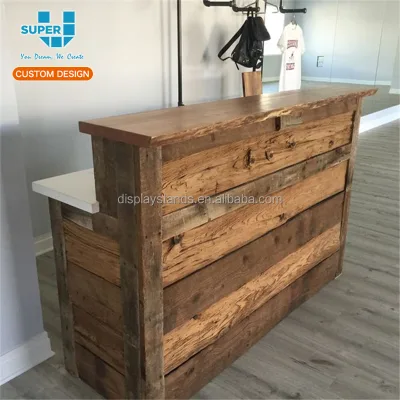


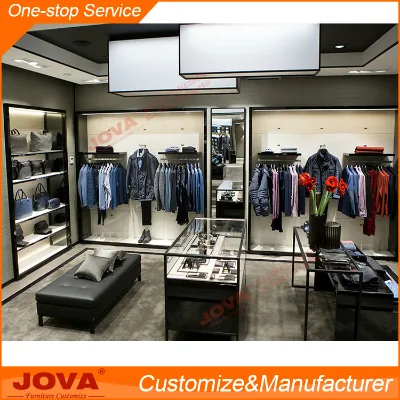
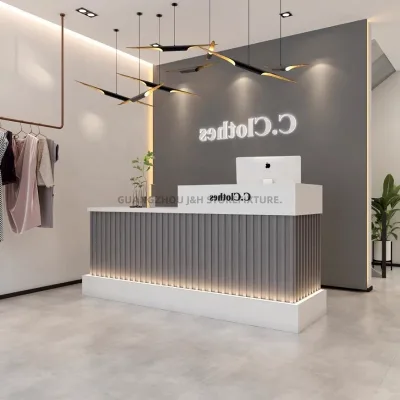


MDF Retail Cashier Checkout Counter with Display Shelves for Supermarket
$60.00 - $298.00
MOQ: 1 Pieces

Modern LED Cashier Counter for Retail Store Custom Cashier Counter for Shops
$60.00 - $298.00
MOQ: 1 Pieces


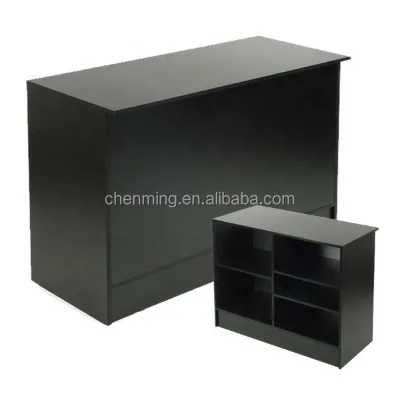

Comprehensive Sourcing Guide
Modern MDF Clothing Store Counter Sourcing Guide
Sourcing modern MDF clothing store counters requires a strategic balance between aesthetic flexibility, structural durability, and commercial viability. These fixtures serve as the primary interface between merchandise and the consumer, influencing brand perception and operational efficiency. The core keyword "Modern MDF Clothing Store Counter" reflects a market segment that prioritizes clean lines, customizable finishes, and modular functionality. Buyers must navigate a landscape where materials like Medium Density Fiberboard (MDF) are combined with metal frameworks and tempered glass to achieve a contemporary look. Understanding the specific construction methods and material compositions is essential for ensuring that the counters withstand the rigors of high-traffic retail environments while maintaining their visual appeal.
The procurement process involves evaluating suppliers who offer both OEM and ODM capabilities, allowing for tailored designs that align with specific brand identities. Many manufacturers provide customized dimensions and surface treatments, ranging from painted finishes to powder-coated metal accents. This flexibility is crucial for retailers aiming to create cohesive store layouts that accommodate various product categories, from men’s suits to women’s dresses and footwear. However, this customization introduces complexity in quality control and logistics, requiring buyers to establish clear specifications and verification protocols before committing to large orders.
Product Scope and Observed Listing Signals
The observed market signals indicate a diverse range of counter designs, with prices ranging from approximately $45 to over $1,200 USD, reflecting variations in size, material quality, and customization levels. The minimum order quantities (MOQ) typically span from 1 to 200 units, suggesting that suppliers cater to both small boutique retailers and large chain stores. Products are frequently described with attributes such as "fashion" style, "double-sided" configurations, and specific models like SH-BD-015 or HBE-CC-27. These listings often highlight the use of materials such as painted or veneered MDF, powder-coated iron, and tempered glass, which contribute to the modern aesthetic and structural integrity of the fixtures.
Applications for these counters extend beyond clothing stores to include supermarkets, drug stores, hotels, and banks, indicating a versatile design language that can be adapted to various retail contexts. The observed specifications include standard dimensions such as 1800x380x1010mm and 2000x800x850mm, with some models offering fully customized sizes. Packaging methods vary, with options including wooden crates, export cartons, and palletized arrangements, which directly impact shipping costs and product protection during transit. Buyers should carefully review these listing signals to identify suppliers who align with their specific volume requirements and logistical constraints.
Technical Specifications to Verify
Verifying technical specifications is critical to ensuring that the counters meet the functional and aesthetic requirements of the retail space. Key attributes to confirm include the exact material composition, such as the grade of MDF used and the thickness of the powder-coated metal components. The surface treatment processes, including painting, powder coating, and tempering, should be documented to assess durability and resistance to wear and tear. Additionally, the structural design, whether fixed or rotary, and the side configuration, such as single or double-sided, must align with the intended store layout and customer flow patterns.
Dimensional accuracy is another vital aspect, with models like CLS-S005 and HBE-SR offering specific size options that may need to be customized. Buyers should request detailed technical drawings and material samples to verify the quality of finishes and the stability of the construction. The single package size and gross weight, such as 100x45x150 cm and 50 kg respectively, are important for calculating shipping volumes and handling requirements. Ensuring that these specifications are clearly defined in the purchase agreement helps prevent discrepancies between the ordered product and the delivered goods.
Compliance and Safety Documentation
Compliance with safety and quality standards is essential for retail fixtures, particularly those used in public spaces. Buyers should verify that suppliers adhere to relevant international standards, such as CE and SGS certifications, which indicate adherence to safety and quality management systems. These certifications provide assurance that the materials and manufacturing processes meet specific regulatory requirements, reducing the risk of product failures or safety hazards. Documentation should include test reports for structural integrity, fire resistance, and chemical emissions, ensuring that the counters are safe for both customers and staff.
In addition to certifications, buyers should request material safety data sheets (MSDS) for any coatings or finishes used on the MDF and metal components. This information is crucial for assessing the environmental impact and health safety of the products, especially in enclosed retail environments. Suppliers should also provide evidence of their quality control processes, including inspection protocols and defect rates. By prioritizing compliance and safety documentation, buyers can mitigate risks associated with product liability and ensure a positive shopping experience for their customers.
Cost Drivers and Commercial Terms
The cost of modern MDF clothing store counters is influenced by several factors, including material costs, customization levels, and order volume. The observed price range of $45 to $1,222.21 USD reflects the variability in design complexity and material quality. Customization options, such as tailored dimensions and unique finishes, typically increase the unit price due to the additional labor and material waste involved. Buyers should negotiate clear commercial terms, including payment schedules, warranty periods, and return policies, to protect their investment.
Shipping and logistics costs are significant components of the total procurement expense, particularly for heavy and bulky items. The observed packaging methods, such as wooden crates and export cartons, are designed to protect the products during transit but may add to the overall weight and volume. Buyers should consider the port of dispatch, such as Guangzhou or Shenzhen, and the supplier’s location, such as Changshu or Guangdong, when calculating freight costs. Establishing a comprehensive cost model that includes all variables helps in making informed purchasing decisions and optimizing the total cost of ownership.
Supplier Qualification and Quality Control
Qualifying suppliers is a critical step in the sourcing process, requiring a thorough evaluation of their manufacturing capabilities and quality control systems. Buyers should assess the supplier’s business model, whether they operate as a factory or a trading company, as this impacts their ability to control production quality and pricing. Factories typically offer more direct control over the manufacturing process, while trading companies may provide greater flexibility in sourcing materials and managing logistics. Verifying the supplier’s supply ability, such as 5000 sets per month, ensures that they can meet the buyer’s volume requirements without compromising quality.
Quality control measures should be established before production begins, including pre-production samples, in-process inspections, and final random inspections. Buyers should define clear acceptance criteria for defects, such as surface scratches, structural weaknesses, or dimensional inaccuracies. Regular communication with the supplier during the production phase helps identify and resolve issues early, reducing the risk of costly rework or delays. By implementing robust quality control protocols, buyers can ensure that the delivered counters meet their expectations and maintain brand integrity.
Long-Term Procurement Checks
Long-term procurement success depends on establishing a sustainable relationship with suppliers and continuously monitoring performance. Buyers should conduct periodic audits of the supplier’s facilities and quality management systems to ensure ongoing compliance with agreed-upon standards. Feedback from store managers and customers regarding the durability and functionality of the counters should be collected and shared with the supplier to drive continuous improvement. This collaborative approach helps in identifying areas for enhancement and fosters a partnership focused on mutual growth and success.
Additionally, buyers should stay informed about industry trends and technological advancements in retail fixture design. This includes exploring new materials, finishes, and modular configurations that can enhance the shopping experience and operational efficiency. By maintaining a proactive approach to procurement, buyers can adapt to changing market conditions and customer preferences, ensuring that their retail spaces remain competitive and appealing. Regular review of supplier performance and market dynamics helps in making strategic decisions that support long-term business objectives.
FAQs
Can I get a customized Modern MDF Clothing Store Counter?
Yes, customization is available for these counters. The product page confirms that OEM, ODM, and tailor-made designs are offered to meet specific business needs and space requirements.
What materials are used for the Modern MDF Clothing Store Counter?
The counters are constructed from painted or veneered MDF, powder-coated iron, and tempered glass. Some models also feature metal components alongside the wood structure for durability.
Which specifications are available for the Modern MDF Clothing Store Counter?
Standard sizes include dimensions like 1800x380x1010mm and 2000x800x850mm. Customized sizes are also available, with over 80 model options to suit different store layouts.
How is the Modern MDF Clothing Store Counter packaged for shipping?
Products are packed in export cartons, wooden cases, or crates with pallets. The packaging details indicate a single gross weight of 50 kg per item to ensure safe transport.
What is the supply capacity for the Modern MDF Clothing Store Counter?
The supplier has a monthly supply ability of 5000 sets. This capacity supports large orders while maintaining the ability to handle custom design requests efficiently.
Can the Modern MDF Clothing Store Counter be used in supermarkets?
Yes, these counters are suitable for supermarkets, convenience stores, and drug stores. They are also designed for use in hotels, restaurants, and banks as well as garment shops.
What is the origin location for the Modern MDF Clothing Store Counter?
The products originate from China, specifically from locations like Changshu and Guangdong. The port of dispatch is typically Guangzhou or Shenzhen for international shipments.