Source Modern Medium Back Upholstered Sofa for Home, Office, Commercial
Compare 30 listings of Modern Medium Back Upholstered Sofa with wood frames, fabric or synthetic leather, and sponge padding. Buyers can evaluate dimensions, armrest options, and FSC or REACH certifications for home, office, and commercial applications.
Key considerations
Products List


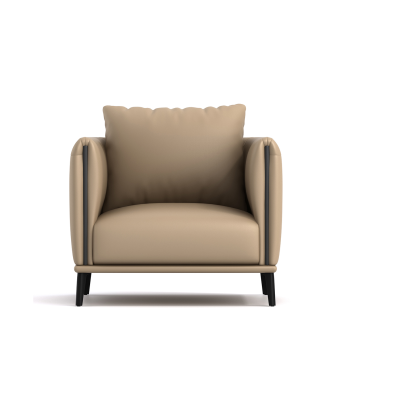


Hotel Furniture Home Sofa Modern Sofa Luxury Modern Sofa Living Room Sofa
$982.00 - $1171.00
MOQ: 1 Pieces


Home Furniture Living Room Sofa Living Room Sofa for Hotels and Home Living Rooms
$835.00 - $1039.00
MOQ: 1 Pieces

Living Room Sofa Home Furniture Living Room Furniture Luxury Modern Sofas
$876.00 - $1322.00
MOQ: 1 Pieces


Comprehensive Sourcing Guide
Strategic Sourcing Guide for Modern Medium Back Upholstered Sofas
Defining Technical Specifications and Design Parameters
When sourcing a Modern Medium Back Upholstered Sofa, the primary objective is to align technical specifications with the intended functional environment. The "modern" designation in this context typically implies a design style that is contemporary, characterized by clean lines and a lack of ornate detailing. Based on observed market data, these units frequently feature a medium back height, which offers a balance between ergonomic support and a sleek, unobtrusive profile suitable for both residential and commercial settings.
The structural integrity of these sofas is often anchored by a wood frame, a material choice that provides necessary rigidity and longevity. The upholstery material varies significantly across listings, ranging from fabric to synthetic leather. Buyers must verify the specific material composition for each unit, as this dictates the maintenance requirements and aesthetic finish. For instance, some models are explicitly described as having a fabric construction, while others utilize synthetic leather to achieve a specific look or durability profile.
Padding is a critical component of comfort and is frequently specified as sponge. The density of this sponge is a key performance indicator; observed data points to a density range of 28-30, which suggests a firmness level suitable for high-traffic areas or extended sitting periods. The configuration of the sofa also varies, with options including sets that combine single and double units (1+2 style) or standalone pieces. Armrest configurations are another variable; while many modern designs include armrests, specific models are available without them, offering a more minimalist aesthetic.
Dimensions are highly specific and vary by model. Observed standard sizes include configurations such as 220cm x 105cm x 65cm, 213cm x 100cm x 82cm, and larger sectional arrangements reaching up to 402cm in length. Smaller, more compact units may measure around 170cm x 122cm x 61cm. When evaluating a supplier, buyers should cross-reference these dimensions against their floor plans to ensure proper fit. The packing method is also a technical specification, with common practices involving nylon bags combined with kraft paper cartons, or standard cartons designed to protect the upholstery during transit.
Compliance, Certification, and Safety Standards
Navigating the compliance landscape is essential for B2B procurement, particularly when sourcing furniture for commercial buildings or office environments. Safety standards and material certifications serve as proxies for quality and regulatory adherence. In the context of modern medium back sofas, fire retardancy is a primary concern. One observed standard references a "BS Frame Material: Wood" designation, indicating that the product may meet specific British Standards regarding fire safety, though the exact standard number requires verification against the specific product datasheet.
Certification plays a vital role in validating the sustainability and chemical safety of the materials used. The Forest Stewardship Council (FSC) certification is a notable attribute observed in the supply chain, ensuring that the wood used in the frame comes from responsibly managed forests. This is increasingly important for corporate sustainability goals and green building certifications. Additionally, chemical safety is addressed through REACH certification, which confirms that the materials comply with European Union regulations on the Registration, Evaluation, Authorization, and Restriction of Chemicals. This is particularly relevant for synthetic leather and foam components that may contain volatile organic compounds.
Buyers must exercise caution when interpreting these certifications. The presence of an FSC or REACH label on a listing indicates that the specific item or the manufacturing batch has undergone the relevant assessment. However, these attributes should not be assumed to apply universally to every SKU within a supplier's catalog. Verification should be requested on a per-item basis, ensuring that the documentation provided matches the specific model number being procured.
Cost Drivers and Pricing Dynamics
The pricing of modern medium back upholstered sofas is influenced by a complex interplay of material costs, labor, and logistical factors. The observed price range in the market spans from approximately $108.94 to $2,478 USD. This wide variance is not merely a reflection of brand premium but is driven by distinct cost drivers inherent to the product construction.
The primary driver of cost is the upholstery material. Sofas upholstered in high-grade synthetic leather or specialized fabrics will command a higher price point compared to those using standard fabric blends. The density of the sponge padding also contributes to the cost; a density of 28-30 indicates a higher quality foam that resists sagging, which adds to the manufacturing expense. The complexity of the design, such as the inclusion of armrests or the configuration of a multi-piece set (e.g., 1+2 style), further influences the final price.
Logistics and packaging represent another significant cost component. The origin of the products is predominantly Foshan, Guangdong, China, a major hub for furniture manufacturing. While this location offers competitive labor and material costs, the distance to international markets impacts the landed cost. The packing method, whether it involves simple cartons or more robust nylon bag and kraft paper combinations, affects the volume and weight of the shipment, thereby influencing freight charges.
Minimum Order Quantity (MOQ) is a critical factor in the total cost of ownership. The observed MOQ range spans from 1 to 30 units. For buyers seeking to test the market or outfit a single office space, a low MOQ of 1 allows for flexibility without significant capital commitment. However, for larger deployments, negotiating a higher volume order can reduce the unit price. Buyers should calculate the total cost per unit, including shipping and duties, rather than focusing solely on the base price listed.
Typical Applications and Functional Environments
Modern medium back upholstered sofas are versatile assets designed for a variety of commercial and residential applications. The "modern" and "contemporary" design styles make them suitable for environments that prioritize a clean, professional aesthetic. Common applications include home offices, corporate office buildings, and general commercial furniture settings.
In an office environment, these sofas serve as lounge furniture or waiting area seating. The specific use case is often categorized as "Office Sofa," indicating that the design is optimized for professional settings. The dimensions of the sofas, ranging from compact single units to large sectional sets, allow them to fit into diverse spatial layouts. For instance, a model measuring 270cm x 94cm x 76cm might be ideal for a reception area, while a smaller unit of 170cm x 122cm x 61cm could serve as a side seating option in a meeting room.
The material choice also dictates the application. Synthetic leather options are often preferred in high-traffic commercial areas due to their ease of cleaning and resistance to wear. Fabric options, while potentially less durable in extreme conditions, may be selected for more relaxed, residential-style office environments or private executive lounges. The "General Use" classification as commercial furniture suggests that these units are built to withstand the rigors of daily professional use, though the specific durability should be confirmed through testing or warranty terms.
Supplier Evaluation and Origin Verification
Evaluating suppliers for modern medium back upholstered sofas requires a focus on origin, consistency, and transparency. The vast majority of the observed supply originates from Foshan, Guangdong, China, a region renowned for its furniture manufacturing ecosystem. Sourcing from this location offers access to a mature supply chain with specialized expertise in wood framing and upholstery.
When evaluating a supplier, buyers should verify the specific model numbers associated with their requests. The market features distinct models such as HD044, HD047, HD046, HD034, HD030, 8846, CS26002, CS26021, and gr652. Each model corresponds to specific dimensions and configurations. A reliable supplier will provide clear documentation linking the model number to the exact specifications, including the frame material, padding density, and dimensions.
Transparency regarding the brand name and product origin is also crucial. Some listings reference specific brand names like "greenfieldworkplace," while others may be unbranded or generic. Buyers should ensure that the "Place of Origin" listed on the invoice matches the actual manufacturing location to avoid discrepancies in customs clearance or quality expectations. Additionally, the condition of the product is consistently listed as "New," which is a standard expectation but should be explicitly confirmed in the purchase agreement to avoid receiving refurbished or damaged goods.
Quality Control and Inspection Protocols
Implementing a robust quality control (QC) protocol is essential to ensure that the delivered sofas meet the required standards. Given the variability in materials and construction, a standardized inspection checklist should be developed for every shipment. The inspection should begin with a visual check of the upholstery for any tears, discoloration, or stitching errors. The frame material, typically wood, should be inspected for structural soundness, ensuring there are no cracks or signs of warping.
The padding density is a critical quality metric. Buyers should verify that the sponge density matches the specified range of 28-30. This can be done through compression testing or by requesting third-party test reports from the supplier. The dimensions of the sofa must also be measured against the standard specifications, such as 220cm x 105cm x 65cm or 213cm x 100cm x 82cm, to ensure they fit the intended space.
Packaging integrity is another area of focus. The observed packing methods, including nylon bags and kraft paper cartons, must be intact upon arrival. Any damage to the packaging should be documented immediately, as it may indicate damage to the product inside. For orders involving multiple units, a random sampling approach can be used to inspect a percentage of the shipment, ensuring consistency across the entire batch.
Long-Term Procurement Considerations
Sourcing modern medium back upholstered sofas is not just a one-time transaction but a strategic decision that impacts long-term operational costs and brand image. Buyers should consider the lifecycle of the product, including maintenance requirements and potential replacement cycles. The choice between fabric and synthetic leather will significantly influence the long-term maintenance budget. Synthetic leather generally requires less frequent deep cleaning but may be prone to cracking over time, whereas fabric may require more frequent professional cleaning to maintain its appearance.
Warranty and after-sales support are critical components of long-term procurement. While specific warranty terms were not observed in the provided data, buyers should negotiate clear terms regarding structural defects and material degradation. The availability of replacement parts, such as armrests or cushions, should also be confirmed to extend the lifespan of the furniture.
Finally, scalability is a key consideration. As business needs evolve, the ability to source additional units that match the original design and quality is essential. Maintaining a relationship with a supplier who can consistently provide the same model numbers and specifications ensures that the office environment remains cohesive. Buyers should also stay informed about changes in regulations, such as updates to fire retardant standards or chemical safety requirements, to ensure ongoing compliance as the furniture ages. By focusing on these long-term factors, organizations can make procurement decisions that deliver value beyond the initial purchase price.
FAQs
What materials are used for the frame and upholstery?
The frame is constructed from wood, while upholstery options include fabric and synthetic leather. Buyers should verify the specific material composition for each model, as this dictates maintenance requirements and aesthetic finish for the intended environment.
Which certifications ensure safety and sustainability?
Products may carry FSC certification for responsibly managed wood and REACH certification for chemical safety. These attributes validate compliance with sustainability goals and European regulations, though verification should be requested on a per-item basis.
How does sponge density affect comfort and durability?
Observed sponge density ranges from 28 to 30, indicating a firmness level suitable for high-traffic areas. This density helps resist sagging during extended sitting periods, making the sofa appropriate for both residential and commercial applications.
Can I find sofas with or without armrests?
Yes, configurations vary with options including models with armrests and others without them. This allows buyers to select a minimalist aesthetic or a more traditional profile depending on the specific design style required for the space.
What are the typical dimensions for these sofas?
Standard sizes vary by model, with examples ranging from 220cm by 105cm to larger sectional arrangements up to 402cm in length. Buyers must cross-reference these specific dimensions against their floor plans to ensure a proper fit.
Where are these products typically manufactured?
The vast majority of supply originates from Foshan, Guangdong, China, a major furniture manufacturing hub. Sourcing from this location offers access to a mature supply chain with specialized expertise in wood framing and upholstery construction.
What is the minimum order quantity for these items?
The observed minimum order quantity ranges from 1 to 30 units, providing flexibility for testing markets or outfitting single spaces. Buyers should calculate the total cost per unit, including shipping, rather than focusing solely on the base price.
How are these sofas packaged for shipping?
Common packing methods involve nylon bags combined with kraft paper cartons or standard cartons designed to protect the upholstery. Packaging integrity is a critical inspection point to ensure the product arrives without damage during transit.