Source Hand Made Natural Raccoon Statue for Home Garden Gift
Compare 30 listings of Hand Made Natural Raccoon Statue options crafted from stone, resin, or steel. Buyers can evaluate customization, dimensions, and packaging details to find suitable pieces for home decoration, garden display, or business gifting.
Key considerations
Products List


Natural Stone Pure White Marble Hand Carved Animal Statue for Decoration
$1000.00 - $2000.00
MOQ: 1 Pieces


Hand Carved Stone Peacock Statue Natural Marble Peacock Sculpture Outdoor
$600.00 - $1500.00
MOQ: 1 Pieces


Outdoor Decoration Animal Statue Natural Marble Lions Stone Sculpture
$600.00 - $2000.00
MOQ: 1 Pieces


Decorative Hand Carved Western Style Animal Sculpture Natural White Marble Dragon Statue
$1200.00 - $4500.00
MOQ: 1 Pieces




Comprehensive Sourcing Guide
Sourcing Guide for Hand-Made Natural Raccoon Statues
Understanding Product Variations and Material Composition
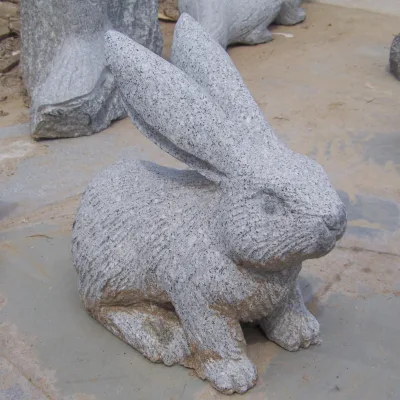
When sourcing a hand-made natural raccoon statue, buyers must first navigate the significant diversity in material composition and fabrication techniques available in the global market. The term "natural" in this context often refers to the realistic depiction of the animal rather than the material itself, as true natural raccoon statues do not exist as finished products. The supplied product data indicates a wide spectrum of materials, ranging from traditional stone to modern composites. Stone remains a primary category, with specific references to marble and general stone types originating from regions like Quyang, Hebei, and Sichuan Zigong. These stone statues are characterized by a "Hand-Made" processing method and often feature "Polishing" or "Full Round Carving" techniques to achieve a lifelike appearance.
In contrast, the market also offers statues constructed from industrial materials such as steel, fiberglass, rubber, and resin. These alternatives are frequently described as having "Handmade" and "Assemblage" techniques, suggesting a hybrid approach where components are crafted individually and then joined. A critical distinction for buyers is the presence or absence of lighting. While some stone and figure statues are listed with "No" lighting, other entries specify power requirements of 110-220V at 50-60Hz with custom plug options, indicating that some "natural" raccoon statues may include integrated illumination for evening display. The color palette varies significantly; while some stone options are noted as "Yellow" or "White," composite materials often allow for colors "as Picture or Custom," providing greater flexibility for matching specific landscape or interior design schemes.
| Material Category | Typical Processing | Key Attributes | Common Origin Regions |
|---|---|---|---|
| Stone (Marble/General) | Hand-Made, Polishing, Full Round Carving | Durable, Antique Style, Low Maintenance | Quyang, Hebei; Sichuan Zigong |
| Composite (Steel, Fiberglass, Resin) | Handmade, Assemblage, Waterproof | Customizable Color, Integrated Lighting Options | Xiamen, China |
| Mixed Media | Assemblage | Custom Size, Variable Weight | Various |
Buyers should verify the specific material composition before ordering, as the weight, weather resistance, and maintenance requirements differ drastically between a carved marble raccoon and a resin composite figure. The "Natural" aspect of the design is heavily dependent on the "Carving Technique," with "Full Round Carving" offering the most three-dimensional realism for stone, while "Polishing" enhances the surface texture to mimic fur or skin.
Technical Specifications and Customization Parameters
The technical specifications for hand-made raccoon statues are rarely standardized, as the "Hand-Made" nature of the product implies a high degree of customization. The supplied data reveals that "Customization" is a widely available attribute, with many suppliers offering "Customized" standards rather than fixed catalog items. For stone statues, dimensions are often provided as specific ranges or examples, such as L: 130xW: 55xH: 110cm or L: 160xH: 120xD: 45cm. However, other entries indicate that size can be "as Picture or Custom," allowing buyers to request specific dimensions to fit unique architectural or garden spaces.
The "Type" of the statue is a crucial technical detail. While some listings specify "Animal" or "Figure," the specific model numbers (e.g., T-5254, G1241, T-9043, T-5956, GENGU-A-28) suggest that raccoon designs are often part of broader animal or figure collections. Buyers must confirm that the specific model selected depicts a raccoon, as the generic "Animal" or "Figure" classification does not guarantee the subject matter. Furthermore, the "Surface Treatment" is a key technical specification; "Polished" surfaces are common for stone, which affects both the aesthetic and the tactile experience. For composite materials, the "Technics" include "Waterproof" properties, which is a vital technical specification for outdoor installations.
Packaging is another critical technical specification that impacts logistics. The data consistently points to "Wooden Crate" or "Wooden Case" as the standard packaging method, with some options for "Simple Packaging." This heavy-duty packaging is necessary to protect the fragile nature of stone carvings and the delicate details of hand-made figures during transit. The "Port of Loading" is frequently cited as Xiamen, which is a major hub for stone and sculpture exports from China. Buyers should verify the specific port of loading for their order, as this influences shipping costs and transit times. Additionally, the "Condition" is listed as "New," but buyers should ensure that the "Hand-Made" process does not result in minor cosmetic variations that are acceptable for custom work but might be flagged as defects in a rigid quality control context.
Compliance, Certification, and Safety Standards
Navigating the compliance landscape for hand-made statues requires careful attention to the certifications and standards listed in supplier profiles. The supplied data indicates that various certifications are available, including CE, GS, ISO (specifically ISOTUV), UL, and TUV. These certifications are particularly relevant for statues that incorporate electrical components, such as those with integrated lighting systems requiring 110-220V power. The presence of CE and UL markings suggests compliance with European and North American safety standards for electrical equipment, which is essential for imported goods.
For stone and composite statues without electrical components, the focus shifts to material safety and structural integrity. The "ISO9001: 2008" standard is mentioned in the context of quality management systems, indicating that the supplier adheres to international quality control protocols. While specific material safety standards for lead or heavy metals in paints (for composite statues) are not explicitly detailed in the provided text, the presence of "GS" (Geprüfte Sicherheit) and "TUV" certifications often implies rigorous testing for material safety and chemical composition. Buyers should verify that the "Customized" nature of the product does not bypass these safety checks, as custom orders sometimes operate under different compliance frameworks than mass-produced items.
The "Standard" field in the data shows a mix of specific dimensions and general availability statements like "all are available." This ambiguity underscores the need for buyers to explicitly request compliance documentation for their specific order. For instance, if a raccoon statue is intended for a commercial space or a public garden, local building codes may require specific fire ratings or structural stability certifications that go beyond the general "CE" or "ISO" marks. The "Quality Warranty Period" is listed as 24 months for certain composite products, which serves as a proxy for the manufacturer's confidence in their product's durability and compliance with expected performance standards. Buyers should ensure that this warranty covers the specific risks associated with the statue's location, such as weathering for outdoor stone or UV degradation for resin figures.
Cost Drivers and Pricing Dynamics
The pricing for hand-made natural raccoon statues is influenced by a complex interplay of factors, including material cost, labor intensity, customization level, and logistics. The observed price range in the market spans from $5 to $10,000, reflecting the vast difference between small, simple resin figures and large, intricate marble sculptures. The "Hand-Made" attribute is a primary cost driver, as labor-intensive carving and assembly processes command higher prices than machine-molded alternatives. The "Customized" nature of the product further escalates costs, as bespoke designs require unique tooling, additional design time, and specialized craftsmanship.
Material selection plays a significant role in the final price. Stone statues, particularly those made from marble or high-quality granite, involve heavy raw material costs and expensive shipping due to weight. The "Wooden Crate" packaging adds to the overall cost but is necessary for protection. In contrast, composite materials like fiberglass and resin may offer a lower entry price point, but the cost increases with the complexity of the "Full Round Carving" or the inclusion of electrical components. The "OEM" (Original Equipment Manufacturer) capability mentioned in the data suggests that buyers can request private labeling or specific branding, which may incur additional setup fees.
The "MOQ" (Minimum Order Quantity) range of 1 to 500 units indicates that suppliers are flexible, catering to both individual collectors and large-scale commercial projects. For custom orders, the MOQ might be higher, or the unit price might increase due to the lack of economies of scale. The "Lead Time" is described as "Depending on Order Quantity," which implies that larger or more complex orders will take longer to produce. Buyers should factor in these lead times when planning procurement, especially for time-sensitive projects like garden openings or holiday displays. Additionally, the "Port of Loading" being Xiamen suggests that freight costs will be calculated from this location, and buyers should consider the impact of current shipping rates and fuel surcharges on the total landed cost.
Typical Applications and Usage Scenarios
Hand-made natural raccoon statues serve diverse functions across various environments, as indicated by the "Usage" attributes in the product data. The primary applications include "Home Decoration," "Garden Decoration," and "Business Gift." In a residential setting, these statues can act as focal points in a garden, adding a touch of nature and whimsy to outdoor spaces. The "Antique" style mentioned in the data suggests that some designs are intended to blend with traditional or classical architecture, while others may feature a more modern or realistic aesthetic suitable for contemporary landscapes.
For commercial applications, the "Business Gift" usage highlights the potential for these statues to be used as corporate gifts or promotional items. The "Customized" attribute allows businesses to brand these statues with logos or specific messages, making them unique marketing tools. The "Art & Collection" usage indicates that high-quality stone or composite raccoon statues are also valued as collectible art pieces, suitable for galleries, museums, or private collections. The "Waterproof" feature of composite materials makes them particularly suitable for outdoor commercial spaces, such as hotel entrances, shopping malls, or public parks, where they must withstand exposure to the elements.
The "Type" of the statue, whether "Animal" or "Figure," influences its placement and function. An "Animal" statue like a raccoon is often placed in naturalistic settings, such as near water features or under trees, to enhance the sense of a living habitat. A "Figure" style might be more versatile, allowing for placement in indoor lobbies or reception areas. The "Lighting" attribute is crucial for evening applications; statues with integrated lighting can serve as both decorative and functional elements, illuminating pathways or highlighting specific garden features after dark. Buyers should consider the intended environment when selecting a statue, ensuring that the material and finish are appropriate for the exposure to sunlight, rain, and temperature fluctuations.
Supplier Evaluation and Quality Control Protocols
Evaluating suppliers for hand-made natural raccoon statues requires a rigorous approach to quality control and verification of capabilities. The "Hand-Made" and "Assemblage" processes mean that consistency can vary between units, making supplier reputation and quality assurance protocols paramount. Buyers should verify the supplier's "Certification" status, looking for valid CE, GS, ISO, UL, and TUV marks, especially for products with electrical components. The "Quality Warranty Period" of 24 months for certain products is a strong indicator of a supplier's confidence in their workmanship and material durability.
The "Origin" of the product is another critical factor in supplier evaluation. The data points to specific regions like Quyang, Hebei, and Sichuan Zigong, which are known hubs for stone carving and sculpture production in China. Suppliers from these regions may have established expertise in specific techniques, such as "Full Round Carving" or "Polishing." Buyers should request photos or videos of the actual production process to verify the "Hand-Made" claim and ensure that the craftsmanship meets their standards. The "Customized" nature of the product means that buyers should also review the supplier's ability to handle custom requests, including the "OEM" capability and the flexibility to adjust "Size" and "Color" as needed.
Quality control should extend to the packaging and shipping process. The consistent use of "Wooden Crate" packaging suggests that suppliers understand the fragility of their products. However, buyers should specify packaging requirements in the purchase order to ensure that the crates are robust enough to prevent damage during transit. The "Port of Loading" being Xiamen is a common practice, but buyers should verify that the supplier has experience with international shipping and can provide necessary documentation, such as bills of lading and certificates of origin. Finally, buyers should establish clear communication channels to address any issues that may arise during production or delivery, ensuring that the final product matches the agreed-upon specifications and design expectations.
Long-Term Procurement and Maintenance Considerations
Long-term procurement of hand-made natural raccoon statues involves considerations beyond the initial purchase, including maintenance requirements, durability, and lifecycle management. The "Maintenance Requirement" is listed as "Low" for stone statues, which is a significant advantage for buyers looking for long-lasting decorative elements. Stone materials like marble and granite are naturally resistant to weathering, though they may require periodic cleaning to remove dirt or biological growth. For composite materials, the "Waterproof" feature ensures resistance to moisture, but buyers should verify the UV stability of the resin or fiberglass to prevent fading or cracking over time.
The "Condition" of the statue is listed as "New," but buyers should plan for potential wear and tear, especially for statues placed in high-traffic areas or exposed to harsh weather. The "Quality Warranty Period" of 24 months provides a safety net for manufacturing defects, but it may not cover damage caused by external factors. Buyers should consider the availability of replacement parts or repair services, particularly for statues with integrated lighting or complex mechanical components. The "Customized" nature of the product means that spare parts may not be readily available, so buyers should discuss repair protocols with the supplier before placing the order.
Sustainability is another long-term consideration. The "Hand-Made" process often implies a lower carbon footprint compared to mass-produced, machine-molded items, but the environmental impact of material extraction and transportation should be evaluated. Buyers can inquire about the sourcing of raw materials and the supplier's environmental policies to ensure alignment with their corporate sustainability goals. Finally, the "Lead Time" and "Delivery Detail" being dependent on order quantity means that buyers should plan their procurement cycles carefully to avoid delays, especially for custom orders that may require additional production time. By addressing these long-term factors, buyers can ensure that their investment in hand-made natural raccoon statues remains valuable and aesthetically pleasing for years to come.
FAQs
Can I customize the size and color of a Hand Made Natural Raccoon Statue?
Yes, customization is widely available for size and color. Buyers can request dimensions as picture or custom, and colors may be selected as shown or customized to match specific design schemes.
What materials are used to make hand made natural raccoon statues?
Statues are crafted from stone, marble, steel, fiberglass, rubber, or resin. Stone options often feature hand-made polishing or full round carving, while composite materials may include waterproof and assemblage techniques.
How are hand made natural raccoon statues packaged for shipping?
Products are typically packed in wooden crates or wooden cases to ensure safety during transit. Some options may offer simple packaging, but heavy-duty crates are standard for protecting fragile stone carvings.
What certifications do hand made natural raccoon statues meet?
Many products carry CE, GS, ISO, UL, and TUV certifications. These marks indicate compliance with safety standards, particularly for statues with integrated lighting or electrical components requiring specific power inputs.
Where are hand made natural raccoon statues manufactured and shipped from?
Manufacturing origins include Quyang, Hebei, Sichuan Zigong, and Xiamen in China. The primary port of loading for these exports is often Xiamen, facilitating global distribution to various international destinations.
What is the warranty period for hand made natural raccoon statues?
A quality warranty period of 24 months is available for certain composite products. This warranty reflects the manufacturer's confidence in the durability of the materials and craftsmanship used in the statue.