Source Modern Outdoor Hanging Pendant Light for Patios, Gardens, and Walkways
Explore 30 listings for the Modern Outdoor Hanging Pendant Light suitable for patios, gardens, and walkways. Buyers can compare specifications like IP ratings, materials, and lighting solutions from verified suppliers; compare the available evidence and request quotations based on your requirements.
Updated
Key considerations
Products List


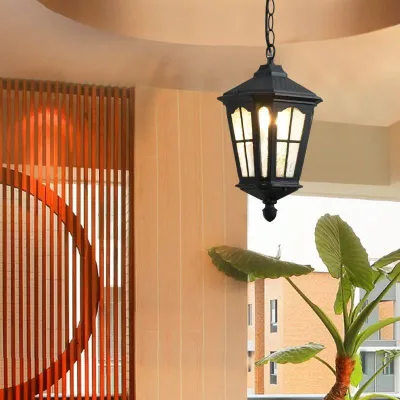


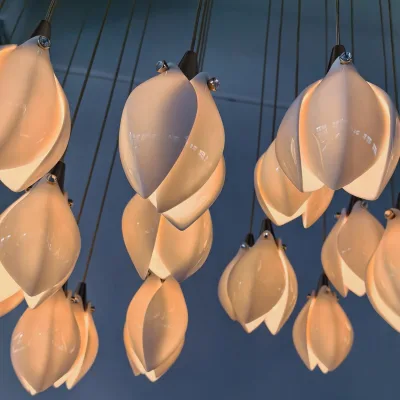
Ceramic Decorative Pendant Flower Hanging Light Modern Led Chandelier
$1483.2665 - $2244.8289
MOQ: 2 Minimum


Modern Crystal Hanging Chandelier Pendant Light for Project Decoration
$89.00 - $189.00
MOQ: 30 Pieces


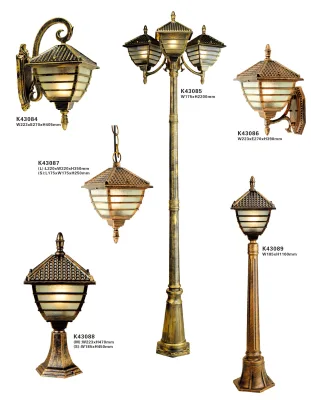
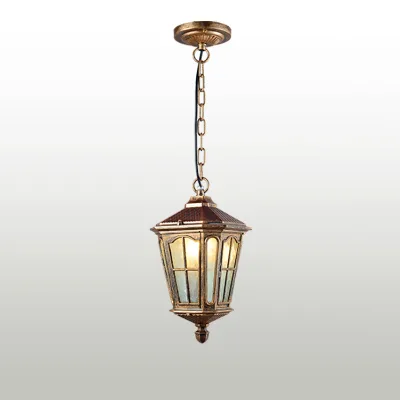
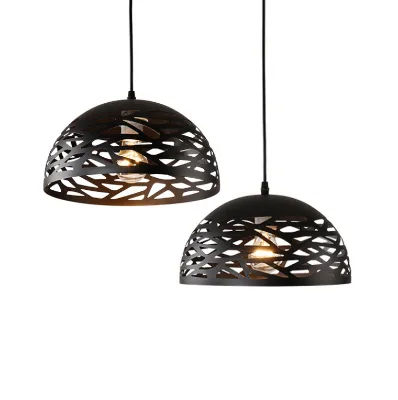
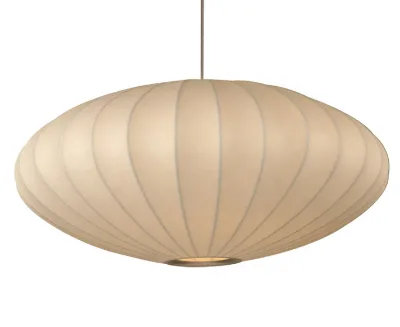
2020 Modern White Fabric Shade Chinese Lanternindoor Hanging Pendant Lamps for Outdoor
$20.4404 - $32.4489
MOQ: 5 pieces
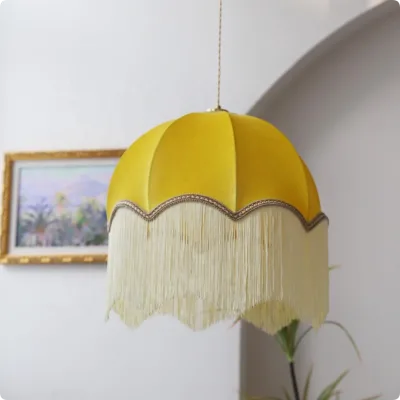
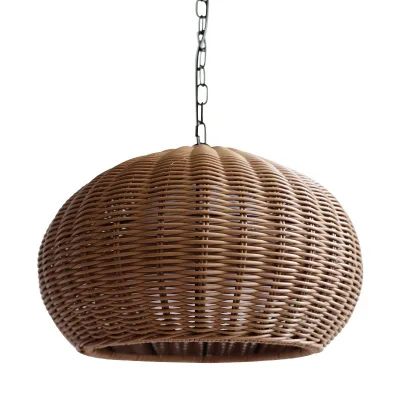
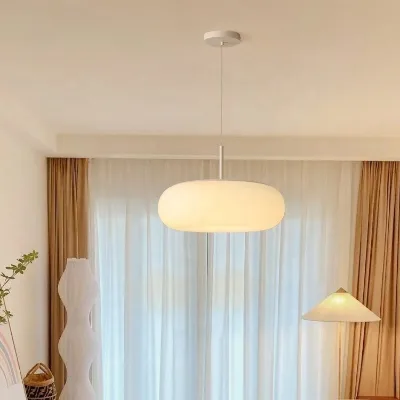
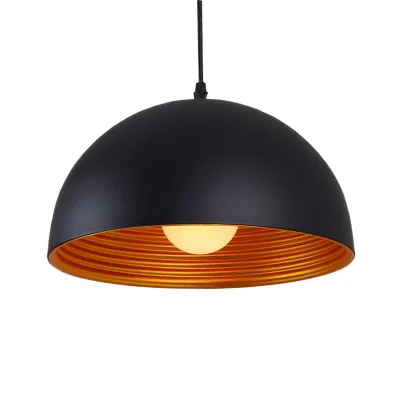


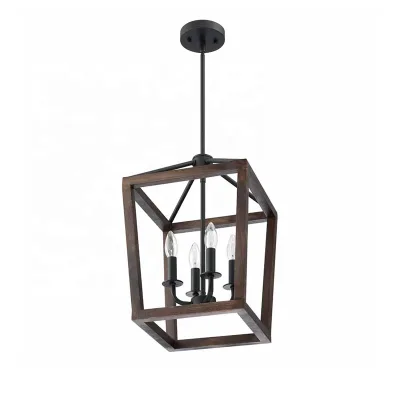
Classical Outdoor Chandeliers Lamp Pendant Light Garden Light Hanging Light 4-light Wood LED
$27.5336 - $40.7893
MOQ: 10 pieces
Comprehensive Sourcing Guide
Modern Outdoor Hanging Pendant Light Sourcing Guide
Sourcing modern outdoor hanging pendant lights requires careful alignment of aesthetic intent with environmental durability. Buyers must distinguish between indoor decorative fixtures and true outdoor-rated luminaires, as material choices like aluminum alloy or iron significantly impact longevity. The observed market includes models with CE and RoHS certifications, indicating baseline compliance for electrical safety and hazardous substance restrictions. However, certification alone does not guarantee outdoor suitability, making it essential to verify specific ingress protection ratings before finalizing orders.
Procurement teams should evaluate the intended installation environment to determine necessary technical specifications. While some listed products feature LED light sources and support dimming, others may lack integrated lighting or require separate drivers. The presence of customization options allows for tailored solutions, but buyers must confirm lead times and minimum order quantities early in the process. Understanding the distinction between standard stock items and OEM/ODM services helps in budgeting for tooling or design modifications, ensuring that the final product meets both functional and branding requirements.
Product Scope and Observed Listing Signals
The current market landscape for modern hanging lights reveals a diverse range of styles, from European designs to contemporary geometric shapes. Observed listings include products with square, round, oval, and rectangular forms, often finished in black, white, or sandy black with brass accents. These aesthetic variations cater to different interior and exterior design themes, allowing buyers to select fixtures that complement specific architectural styles. The availability of both folded and unfolded configurations suggests flexibility in shipping and storage, which can influence logistics planning for large-scale projects.
Lighting performance attributes vary significantly across suppliers, with some models offering high color rendering indices and specific color temperatures like 3500K warm white. Buyers should note that while some products are marketed for living rooms or bedrooms, others are specified for kitchens, restaurants, or corridors. The distinction between indoor and outdoor applications is critical, as many listed items may not possess the necessary weatherproofing for exterior use. Verifying the actual IP grade, such as IP20, is essential to prevent premature failure due to moisture or dust ingress in exposed environments.
Technical Specifications to Verify
Electrical compatibility and control mechanisms are primary technical considerations for modern pendant lights. Buyers must verify voltage requirements and ensure that the fixture supports the desired control modes, such as switch, remote, voice, or app control. Some models support dimming, which enhances ambiance but requires compatible dimmers to function correctly. The power consumption, observed at levels like 20W, should be balanced against lumen output to ensure adequate illumination for the target space. Confirming the light source type, whether integrated LED or separate, affects maintenance and replacement costs over the product's lifecycle.
Physical dimensions and mounting requirements dictate installation feasibility and spatial planning. Standard sizes and carton dimensions, such as H22W22L92cm or specific model dimensions, help in calculating shipping volume and warehouse storage needs. Buyers should assess the weight of the fixture, which can range from lightweight aluminum to heavier iron constructions, to ensure that mounting hardware can support the load. The inclusion of detailed packing information, like plastic bags and master boxes, aids in protecting the product during transit and simplifies inventory management upon arrival.
Compliance and Safety Documentation
Regulatory compliance is non-negotiable for electrical products entering international markets. Buyers must request valid certification documents, such as CE and RoHS marks, to verify adherence to European safety and environmental standards. These certifications confirm that the product meets essential requirements for electrical safety, electromagnetic compatibility, and the restriction of hazardous substances. However, buyers should be aware that certifications may apply to specific models or batches, so it is crucial to ensure that the ordered units carry the same valid documentation.
Beyond basic certifications, additional safety standards may be required depending on the destination market and application. For outdoor use, ingress protection ratings like IP65 or higher are often necessary to resist water and dust. Buyers should verify if the supplier provides test reports from accredited laboratories for electrical safety, thermal performance, and material durability. Understanding the scope of the provided certifications helps in avoiding customs delays and ensures that the product can be legally installed and operated in the target region without regulatory penalties.
Cost Drivers and Commercial Terms
Pricing in the modern lighting market is influenced by material quality, design complexity, and order volume. Observed price ranges vary widely, reflecting differences in component quality and brand positioning. Buyers should analyze the cost breakdown to understand the value proposition, noting that lower prices may correlate with reduced durability or simpler features. Minimum order quantities (MOQs) typically start at low volumes, allowing for trial orders, but larger quantities often unlock better pricing tiers. Understanding these commercial terms helps in negotiating favorable deals and managing cash flow effectively.
Shipping and packaging costs are significant components of the total landed cost. The use of robust packaging, such as inner boxes and master cartons, protects the product but adds weight and volume. Buyers should calculate freight costs based on carton dimensions and weight, considering both air and sea freight options. Lead times can vary based on customization requirements and production schedules, so early communication with suppliers is essential to align delivery dates with project timelines. Clear agreement on Incoterms and payment terms reduces financial risk and ensures smooth transaction processing.
Supplier Qualification and Quality Control
Evaluating supplier capabilities is crucial for ensuring consistent product quality and reliable service. Buyers should assess the supplier’s manufacturing capacity, quality management systems, and experience in producing modern lighting fixtures. Requesting samples allows for hands-on inspection of build quality, finish, and electrical performance before committing to large orders. Suppliers offering OEM/ODM services should demonstrate strong design and engineering capabilities to support custom requirements. Verifying the supplier’s track record and client references provides additional confidence in their reliability and professionalism.
Quality control processes should be clearly defined and agreed upon before production begins. Buyers should specify inspection criteria, including visual checks, electrical testing, and packaging integrity. Implementing pre-shipment inspections helps identify defects early, reducing the risk of receiving non-conforming goods. Clear communication of quality expectations and providing detailed specifications or samples ensures that the supplier understands the required standards. Establishing a robust quality control framework minimizes disputes and ensures that the delivered products meet the buyer’s expectations for performance and aesthetics.
Long-Term Procurement Checks
Sustainable sourcing practices and supply chain resilience are key considerations for long-term procurement success. Buyers should evaluate the supplier’s commitment to environmental standards and ethical manufacturing practices. Ensuring that materials, such as aluminum alloy or iron, are sourced responsibly contributes to the overall sustainability profile of the product. Regularly reviewing supplier performance metrics, including on-time delivery and defect rates, helps in maintaining high standards and identifying areas for improvement. Building strong relationships with suppliers fosters collaboration and innovation, leading to better product offerings over time.
After-sales support and warranty terms are critical for managing product lifecycle costs. Buyers should clarify the warranty period, coverage details, and return policies for defective items. Reliable after-sales support ensures that any issues are resolved promptly, minimizing downtime and customer dissatisfaction. Monitoring market trends and technological advancements in lighting technology helps in staying competitive and offering up-to-date products. Continuous evaluation of the procurement strategy allows for adjustments in response to changing market conditions and customer preferences, ensuring long-term business success.
FAQs
What certifications are available for Modern Outdoor Hanging Pendant Light?
CE and RoHS certifications are available for these fixtures. These standards ensure compliance with safety and environmental regulations for international trade. Buyers should verify specific documentation with suppliers to confirm that the listed models meet the required regional compliance criteria for their target markets.
Can I customize the design of Modern Outdoor Hanging Pendant Light?
Customization is available for these lighting products. Buyers can request specific modifications to suit their project requirements. This service allows for tailored solutions, ensuring the final product aligns with unique aesthetic or functional needs while maintaining the core structural integrity of the fixture.
What is the typical MOQ for Modern Outdoor Hanging Pendant Light?
The minimum order quantity ranges from 1 to 100 units. This flexible range accommodates both small trial orders and larger bulk purchases. Buyers can select quantities that fit their inventory strategy, with lower MOQs allowing for easier testing of product quality and market response.
Where are Modern Outdoor Hanging Pendant Light products manufactured?
These products originate from China, specifically Guangdong province. This region is known for its robust manufacturing infrastructure and supply chain efficiency. Buyers sourcing from this location benefit from established production capabilities and access to a wide variety of lighting design options and materials.
What materials are used in Modern Outdoor Hanging Pendant Light frames?
Frames are constructed from aluminum alloy and metal. These materials provide durability and resistance to environmental factors. The use of high-quality alloys ensures longevity and structural stability, making them suitable for various installation environments while maintaining a sleek and modern aesthetic appearance for buyers.