Modern Camel Handicraft Christmas Decoration Suppliers and Manufacturers
Explore 31 verified options for Modern Camel Handicraft Christmas Decoration from China Anhui and Guangdong. Compare response times, lead times, certifications like BSCI and ISO 9001, and pricing to source efficiently. Contact suppliers directly to request samples; review the available evidence before requesting comparable quotations from suitable candidates.
Updated
Suppliers List

Hefei Sublime International Co., Ltd
- Verified by BV
- Trading Company,Manufacturer/Factory
- China Anhui
- Lead time30 days
- Avg. response≤ 5h
Main productsParty Favour Items, Wooden Decoration, DIY Hobby, Paper Stationery, Wooden Crafts, Paper Crafts, Wooden Gifts, Honeycomb Ball, Tissue Pompon, Paper Bags
Main marketsSouth America,Eastern Europe,Mid East,North America,Eastern Asia,Oceania,Western Europe

- Combined
- China Guangdong
- Lead time45 days
- Avg. response≤ 1h
Main productsResin Craft, Baby Doll, Christmas Tree, Christmas Wreath, Christmas Garland, Christmas Decoration, Artificial Flower, Artificial Plant, Artificial Tree, Christmas Ornaments
Main marketsSouth America,Europe,North America


$0.10 - $1.00
MOQ: 1 Pieces

Handcrafted Porcelain Crafts: Elegant Home Decoration Christmas Decoration
$0.10 - $0.50
MOQ: 600 Pieces


$1.00 - $2.00
MOQ: 1 Pieces
- Verified by SGS Group
- Trading Company
- Lead time3 days
- Avg. response≤ 2h
Main productsEducational Toys; Montessori Teaching AIDS; Household Items; Kids Furniture; Stationery
Main marketsNorth America(25%), Western Europe(20%), Southeast Asia(10%)
Heze Kite Handicrafts Co., Ltd.
- Manufacturer, Trading Company
- Shandong, China
- Lead time30 days
- Avg. response≤ 8h
Main productsPlush Animal Toys,Christmas Animal Decorations,Party Animal Decorations,Hunting Decoy,Simulated Animal Crafts
Main marketsDomestic Market(100.00%), South Asia(100.00%), Oceania(100.00%), Africa(100.00%), Eastern Asia(100.00%), North America(50.00%), Western Europe(15.00%), Northern Europe(10.00%), South America(5.00%), Eastern Europe(5.00%), Central America(5.00%), Southern Europe(4.00%), Mid East(3.00%), Southeast Asia(3.00%)
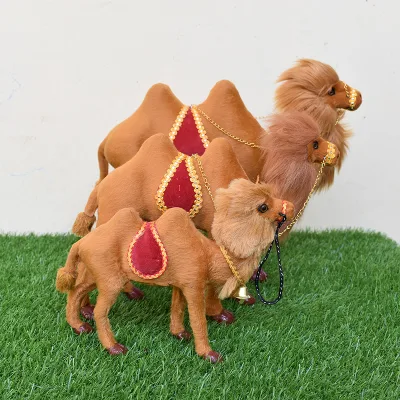
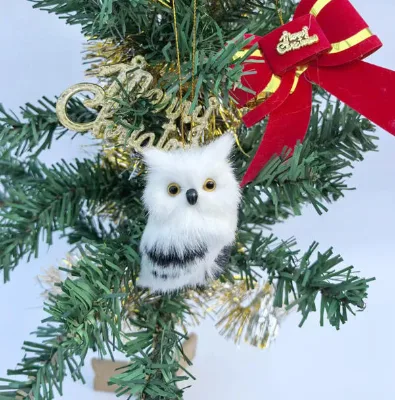
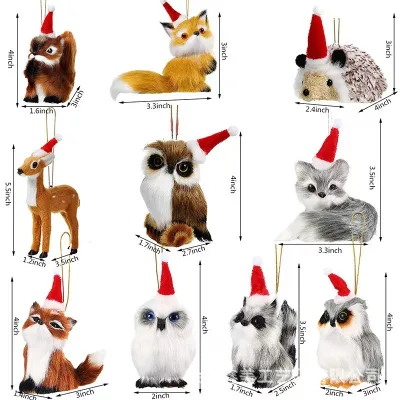
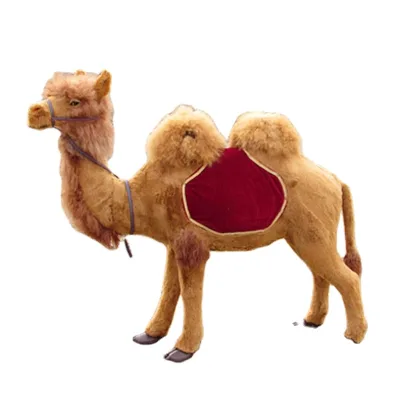
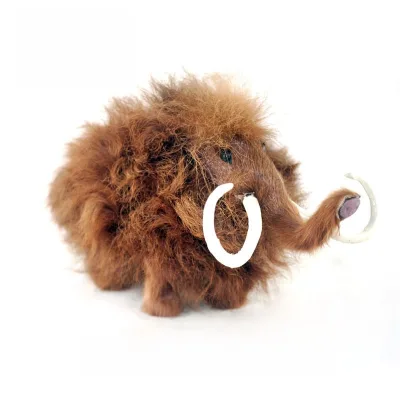
Handicrafts Simulation Animal Baby Elephant Home Decoration Mammoth Model Ornaments
$6.78 - $8.67
MOQ: 100 pieces
- Verified by SGS Group
- Trading Company
- Lead time15 days
- Avg. response≤ 4h
Main productsHome Decorations, Musical Instruments, Christmas and Party Supplies, Music Box, Garden Decorations
Main marketsNorth America(20%), Western Europe(20%), Southeast Asia(15%)

Yiwu Shuangyuan Christmas Artware Co., Ltd.
- Verified by TUVRHEINLAND
- Combined
- China Zhejiang
- Lead time30 days
- Avg. response≤ 6h
Main productsChristmas Decoration, Christmas Tree, Christmas Ball, Christmas Santa, Christmas Ornament, Christmas Gift, Christmas Wreath
Main marketsOthers(foreignTradeCapacity.exportBusinessCapacityMarketOther)


Animal Christmas Decorations Animated Christmas Decor Plush Christmas Stuffed Animals
$3.10 - $3.50
MOQ: 100 Pieces


PIN INTERNATIONAL (NINGBO) LTD.
- Verified by TUVRHEINLAND
- Manufacturer/Factory
- China Zhejiang
- Lead time90 days
- Avg. response≤ 2h
Main productsWooden Toys Kids Toys Educational Toys, Arts and Crafts, Stem Toys, DIY Products, Subscription Box for Kids
Main marketsSouth America,Eastern Europe,North America,Eastern Asia,Western Europe


Christmas Small Ornaments Christmas Wooden Decorations Painted Wooden Crafts
$0.45 - $0.48
MOQ: 500 Pieces
Taizhou Shengjia Carfts Co., Ltd.
- Trading Company
- Zhejiang, China
- Lead time60 days
- Avg. response≤ 3h
Main productsChristmas decorations,Wooden pendant,Festive lighting,Home decoration,Festive gWedding lighting
Main marketsSouth America(50.00%), North America(50.00%)

PEIDA MACHINERY GROUP CO., LTD.
- Verified by BV
- Manufacturer/Factory
- China Anhui
- Lead time90 days
- Avg. response≤ 8h
Main productsBarge, Tugboat, Oil Tanker Ship, Cargo Ship, Tug Boat, Floating Crane Barge, Passenger Ship, Passenger Boat, Deck Barge, Oil Barge
Main marketsSouth America,North America,Southeast Asia,Western Europe,Africa

Jinjiang Jiayi Supply Chain Management Co., Ltd.
- Verified by BV
- Trading Company
- China Fujian
- Lead time30 days
- Avg. response≤ 2h
Main productsGift, Shoe, Garment, Machine
Main marketsDomestic
- Verified by TüVRheinland
- Manufacturer, Trading Company
- Lead time65 days
- Avg. response≤ 7h
Main productsCoffee Talble And Cabinet, Chopping Blocks, Storage Holders And Racks, Wall Hangings, Serving Tray
Main marketsNorth America(65%), Western Europe(15%), South America(10%)
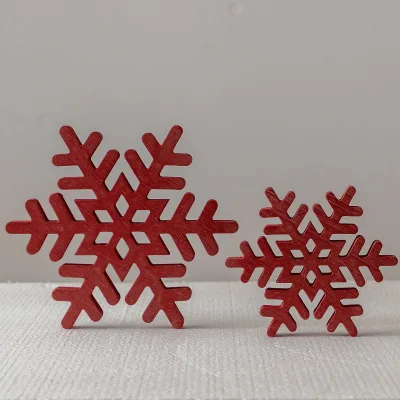
Wooden Snowflake Decorations Christmas Decorations Country Decorations Wooden Crafts
$2.6125 - $6.7245
MOQ: 50 pieces
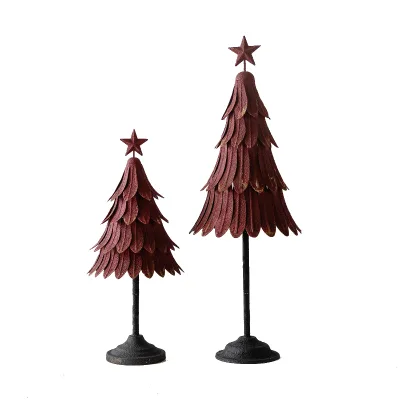
Hot Sale Ornaments Christmas Tree Decorations Festive Home Table Christmas Table Decorations
$14.60 - $18.60
MOQ: 50 pieces
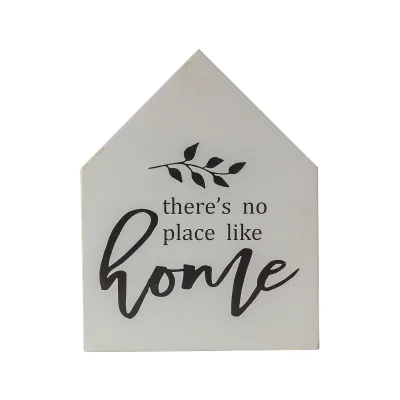
Shenzhen Hatty Craft Products Co., Ltd.
- Verified by SGS Group
- Manufacturer, Trading Company
- Lead time25 days
- Avg. response≤ 2h
Main productsChristmas Candycane, Christmas Ball, Christmas Tree and Wreath Garland, Christmas Glass Ornament, Christmas Santa and Angel Bear
Main marketsDomestic Market(80%), South America(7%), North America(6%)
Shandong Best G And G Enterprise Co., Ltd.
- Trading Company
- Shandong, China
- Lead time0 days
- Avg. response≤ 4h
Main productsMusic Box,Kalimba,Pan Drum,Tongue Drum,Garden Tool
Main marketsSouth America(20.00%), Central America(20.00%), North America(20.00%), Eastern Europe(10.00%), Southeast Asia(10.00%), Northern Europe(10.00%), Mid East(5.00%), South Asia(5.00%)
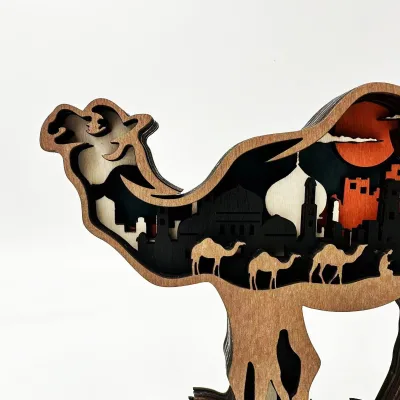
New Wooden Desert Camel Figurine Creative Home Decoration Office Holiday Gift Handicraft
$2.8507 - $3.0364
MOQ: 100 Minimum
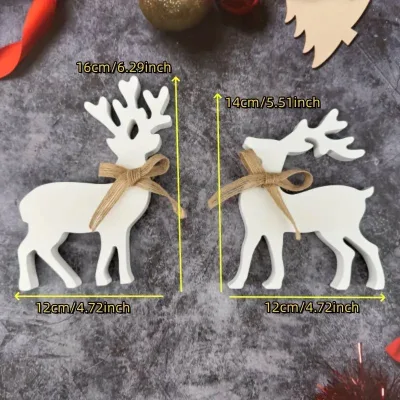
Christmas Elk Decorations White Reindeer Other Home Decor Christmas Decoration Supplies Wood Crafts
$1.34 - $1.38
MOQ: 100 pieces
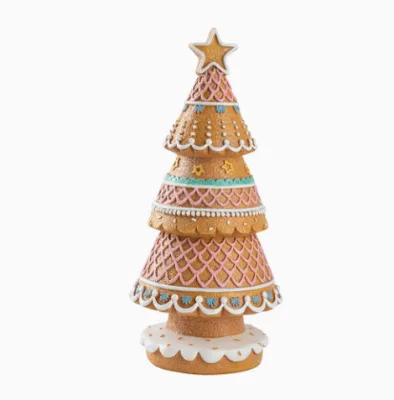

- Verified by TUVRHEINLAND
- Trading Company
- China Zhejiang
- Lead time15 days
- Avg. response≤ 13h
Main productsWooden Toy, Outdoor Product, Kitchen Item, Personal Care Tool, Painting Set, Disk Rack, Yoga, Garden
Main marketsSouth America,Europe,North America
Guangzhou JOJO Craft and Art Company Limited
- Verified by TüVRheinland
- Manufacturer, Trading Company
- Lead time7 days
- Avg. response≤ 6h
Main productsInvitation Card, Gift Box, Menu Card, Notebook, Acrylic Plaques
Main marketsNorth America(26%), Africa(18%), Eastern Europe(12%)

Zhuhai Duoleimi Technology Co., Ltd.
- Verified by SGS
- Manufacturer/Factory
- China Guangdong
- Lead time15 days
- Avg. response≤ 6h
Main productsCustom Christmas Glass Ornament, Tourist Souvenirs, Custom Mahjong, Custom Chess, Wooden Iitems, Christmas Decoration, Home Decor, Gift
Main marketsSouth America,Eastern Europe,Mid East,North America,Southeast Asia,Eastern Asia,Oceania,Western Europe,Africa

- Verified by SGS
- Trading Company
- China Zhejiang
- Lead time15 days
- Avg. response≤ 13h
Main productsChristmas Decoration, Christmas Tree, Christmas Gift, Party Decoration, Promotional Product, Festival Items, Gift, Valentine, Party Items, Halloween Decorations
Main marketsEurope,Australia


Christmas DIY Wooden Ornaments Christmas Tree Window Decoration Ornaments
$0.72 - $0.82
MOQ: 2000 Pieces


Best Christmas Stockings Decorations Elk Gift Bags Christmas Tree Pendants
$1.80 - $2.00
MOQ: 500 Pieces

Top Sales Emulational Christmas Elk Decorative Ornaments Holiday Decorations
$0.54 - $0.62
MOQ: 1620 Pieces

New Design Creative Santa Claus Home Christmas Resin Resin Crafts Ornaments
$0.34 - $0.35
MOQ: 1000 Pieces

Ningbo General Union Co., Ltd.
- Verified by BV
- Trading Company
- China Zhejiang
- Lead time30 days
- Avg. response≤ 10h
Main productsChristmas Tree, Party Supply, Christmas Ball, LED Light Strip, Halloween Product, Holiday Decoration, Santa Claus, Valentine's Day Product, Balloon Decoration, Birthday Decoration
Main marketsSouth America,Southeast Asia/ Mideast,Europe,North America

$0.69 - $0.74
MOQ: 500 Pieces

Hot Selling Christmas Decoration Lovely Ceramic Santa Claus for Christmas Home Decoration
$0.98 - $1.29
MOQ: 599 Pieces

Christmas Decoration Santa Claus Holiday Ornaments Party Supplies Xmas Tree Hanging Santa Claus
$1.00 - $1.50
MOQ: 299 Pieces

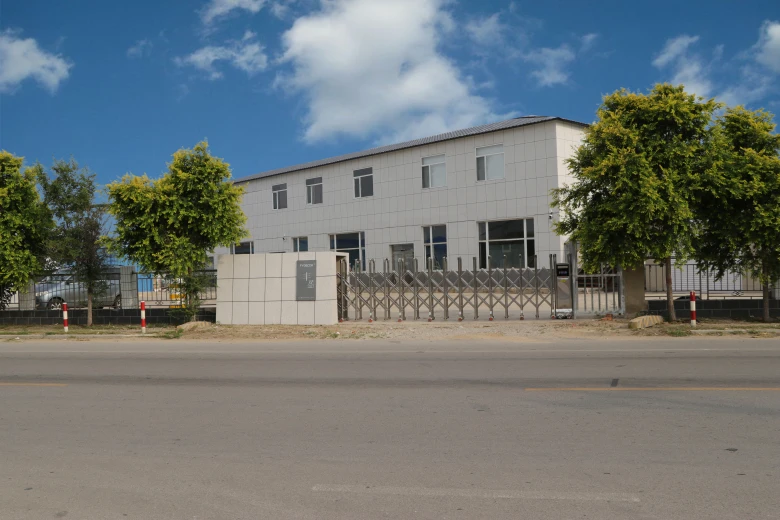
Taian Fengying Trade Co., Ltd.
- Trading Company
- Liaoning, China
- Lead time30 days
- Avg. response≤ 5h
Main productsChristmas Decorations,Home Decorations
Main marketsNorth America(70.00%), Western Europe(20.00%), South America(5.00%), Oceania(5.00%)
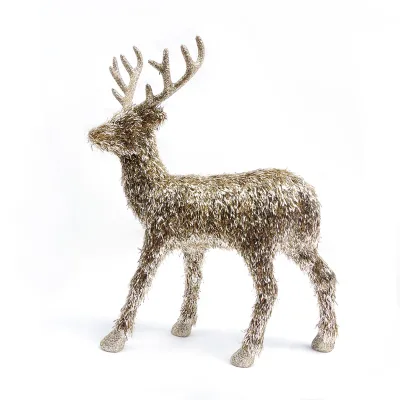
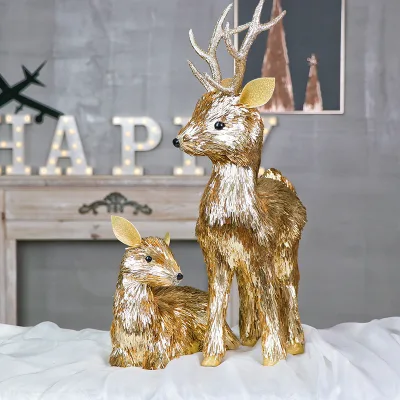
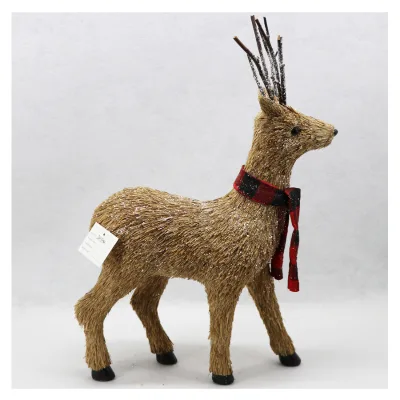
Factory Wholesale Christmas Reindeer Ornament Reindeer Family Xmas Decoration
$4.094 - $8.1881
MOQ: 100 Minimum
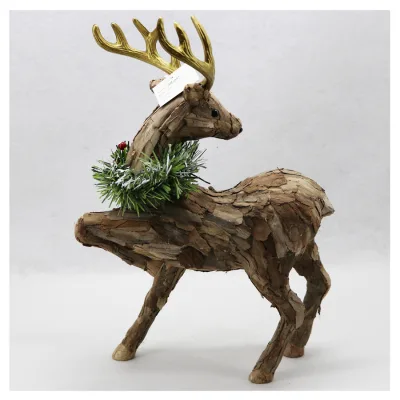
Creative Design Natural Beautiful Brown Deer Ornament for Holiday/Home Decor.
$8.1881 - $9.2651
MOQ: 100 Minimum

- Combined
- China Guangdong
- Lead time23 days
- Avg. response≤ 4h
Main productsPromotion Gift, Toy, Flashing Item, Free Gift, Business Gift, Novelty
Main marketsAfrica,Europe,North America


Christmas Bell Door Hanging, Christmas Tree Ornaments, Christmas Decorations
$0.89 - $1.39
MOQ: 500 Pieces
Yiwu Bairui House Festival Supplies Co., Ltd.
- Verified by Intertek
- Manufacturer, Trading Company
- Lead time30 days
- Avg. response≤ 8h
Main productsChristmas Ball, Christmas Decorations, Holiday Decorations, Easter Decorations, Halloween Decorations
Main marketsNorth America(50%), Western Europe(30%), Eastern Europe(15%)

- Verified by BV
- Trading Company
- China Zhejiang
- Lead time30 days
- Avg. response≤ 12h
Main productsHousehold Products, Recreation& Game Products, Outdoor Products, Garden Products, Pet Products, Car Products, Daily Use Products
Main marketsSouth America,Africa,Southeast Asia/ Mideast,East Asia(Japan/ South Korea),Europe,Australia,North America
- Manufacturer, Trading Company
- Shandong, China
- Lead time15 days
- Avg. response≤ 4h
Main productsScissors,Garden Tools,Kitchen Tools,Scales,Cable
Main marketsNorth America(30.00%), Northern Europe(10.00%), Western Europe(10.00%), Mid East(10.00%), Africa(10.00%), Southeast Asia(10.00%), Eastern Europe(10.00%), South America(10.00%)

Jinjiang Jiaxing Supply Management Co., Ltd.
- Verified by TUVRHEINLAND
- Trading Company
- China Fujian
- Lead time30 days
- Avg. response≤ 2h
Main productsEVA Clogs, Flip Flop, Shoe Charms, Shopping Bags, Wristbands, Gifts, Promotional Gifts, Slipper, Sport Cap, Ball
Main marketsNorth America

- Verified by BV
- Manufacturer/Factory
- China Hebei
- Lead time45 days
- Avg. response≤ 2h
Main productsChristmas Ball, Glass Christmas Balls/ Baubles/ Ornaments, Hand Painted Balls/ Baubles/ Ornaments, Hand Painted Christmas Ball Ornaments, Inside Hand Painted Christmas Ball Ornaments, Reverse Hand Painted Christmas Ball Ornaments, Hand Painted Christmas Tree Ornaments, Inside Painted Glass Balls/ Baubles/ Ornaments, Christmas Decoration Glass Crafts, Christmas/ Holiday Gifts/ Souvenirs/ Handicrafts
Main marketsSouth America,Eastern Europe,Mid East,North America,Southeast Asia,Eastern Asia,Oceania,Western Europe,Africa

Custom Inner Hand Painted Glass Christmas Ornament for Christmas Tree Decoration
$3.00 - $5.50
MOQ: 500 Pieces


$3.00 - $5.50
MOQ: 300 Pieces

High Quality Glass Christmas Ornament with Inside Hand Painting for Christmas Decoration
$3.00 - $5.50
MOQ: 500 Pieces

New Design Handmade Christmas Ornaments with Inner Reverse Hand Painting of Badger
$3.00 - $5.50
MOQ: 500 Pieces

Custom Inner Reverse Hand Painting Christmas Ornaments in Easter Rabbit Holiday Style
$3.00 - $5.50
MOQ: 500 Pieces
Xiamen Binyingxi Industrial Co., Ltd.
- Manufacturer, Trading Company, Distributor/Wholesaler
- Fujian, China
- Lead time35 days
- Avg. response≤ 1h
Main productsResin crafts,Christmas Ornaments,Resin Memorial stone,Resin Garden Statue,Metal wind chime
Main marketsSouth America(25.00%), North America(25.00%), Southeast Asia(10.00%), Northern Europe(10.00%), Western Europe(5.00%), South Asia(5.00%), Central America(5.00%), Eastern Europe(5.00%), Southern Europe(4.00%), Mid East(2.00%), Africa(2.00%), Domestic Market(1.00%), Oceania(1.00%)
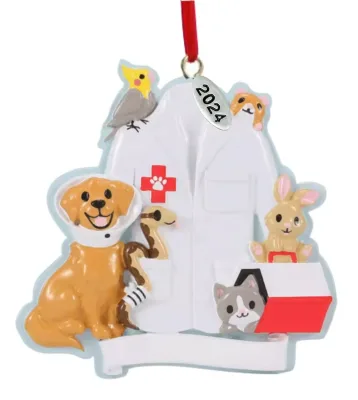
2024 Christmas Tree Ornaments,christmas Gifts,dog Christmas Tree Ornaments
$0.95 - $1.50
MOQ: 200 pieces

Shenzhen Wild Art Decoration Co.,Ltd.
- Verified by CTI
- Trading Company,Manufacturer/Factory
- China Guangdong
- Lead time23 days
- Avg. response≤ 12h
Main productsChristmas Decorations, Christmas Tree, Ramadan Decorations, Chinese New Year Lantern, Christmas Ornaments, LED Motif Light, Artificial Tree, Fiberglass Planter Pot, Fiberglass Seat, Fiberglass Sculpture
Main marketsSouth America,Eastern Europe,Mid East,North America,Southeast Asia,Eastern Asia,Oceania,Western Europe,Africa

$18.00 - $24.00
MOQ: 1 Pieces

Huizhou City Baiyitang Arts And Crafts Ltd.
- Manufacturer, Trading Company
- Guangdong, China
- Lead time45 days
- Avg. response≤ 2h
Main productsSnowman Christmas decorations,Fabric Christmas decorations,Wooden and metal Christmas decorations,Cloth Christmas decorations,Santa Claus
Main marketsNorth America(65.00%), Eastern Europe(20.00%), Western Europe(6.00%)
Chongqing Luo Bu Luo Technology Co., Ltd.
- Trading Company
- Chongqing, China
- Lead time30 days
- Avg. response≤ 2h
Main productskids toys,stuffed toys,outdoor toys,Custom toys,brain game
Main marketsNorth America(50.00%), Eastern Europe(30.00%), Western Europe(20.00%)

Dongguan Future Decorated Gifts Co., Ltd.
- Verified by TUVRHEINLAND
- Trading Company
- China Guangdong
- Lead time30 days
- Avg. response≤ 1h
Main productsChristmas Tree, Plastic Balls, Artificial Tree, Christmas Wreath, Christmas Garland
Main marketsSoutheast Asia/ Mideast
Fujian Dehua Liviceramic Co., Ltd
- Trading Company
- Fujian, China
- Lead time70 days
- Avg. response≤ 2h
Main productsCeramic home decor,Christmas decor item,Easter item,ceramic flower vase & pot,All season item
Main marketsWestern Europe(25.00%), Northern Europe(20.00%), Southern Europe(15.00%), Eastern Europe(15.00%), North America(10.00%), Oceania(10.00%), Domestic Market(5.00%)



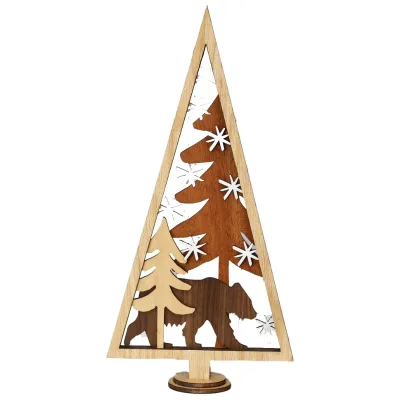
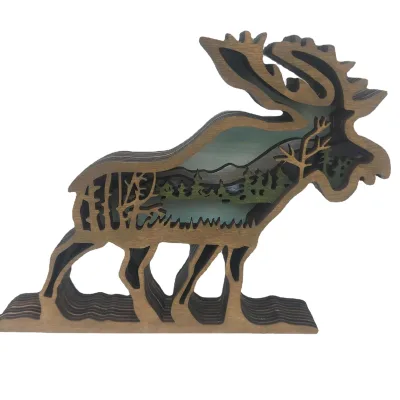
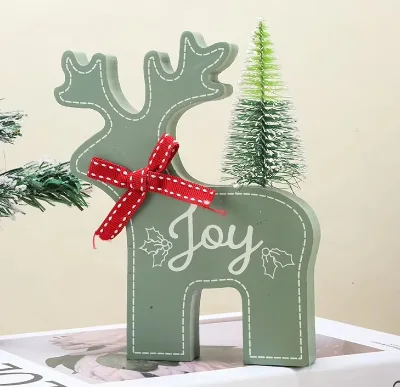
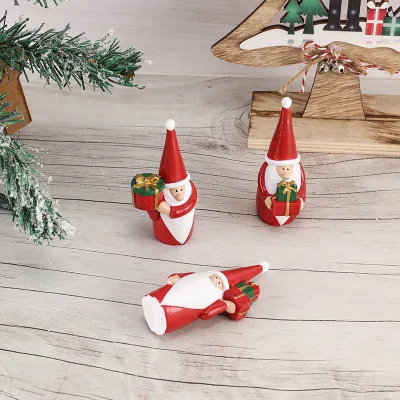













Comprehensive Sourcing Guide
Modern Camel Handicraft Christmas Decoration Supplier Concentration and Factory Types
The current supplier landscape for Modern Camel Handicraft Christmas Decoration reveals a concentration of manufacturing capabilities primarily within China, with specific operational hubs identified in Anhui and Guangdong provinces. Suppliers in these regions exhibit distinct structural profiles, ranging from pure trading companies to integrated manufacturing factories. In Anhui, the observed supplier base includes entities classified as both Trading Companies and Manufacturer/Factories, suggesting a mixed ecosystem where direct production capabilities coexist with sourcing intermediaries. This dual nature is critical for buyers to understand, as it influences pricing structures, communication channels, and quality control protocols. The presence of verified business verification (BV) status among these suppliers indicates a baseline level of operational legitimacy, though it does not guarantee specific product quality for niche items like camel figurines. Buyers must recognize that while the general category of Christmas decorations is well-represented, the specific sub-category of camel handicrafts may rely on the broader capabilities of these factories, which often produce a wide array of wooden, resin, and metal holiday items.
In contrast, suppliers located in Guangdong province present a different operational model, often categorized as Combined entities that blend manufacturing with trading functions. These suppliers demonstrate a strong focus on resin crafts, artificial plants, and various Christmas ornaments, indicating a versatile production environment capable of handling diverse material requirements. The response time metrics observed in this region are notably faster, with some suppliers showing response times under one hour, which suggests a high degree of operational readiness and customer service infrastructure. This speed advantage is particularly valuable for buyers seeking rapid prototyping or quick turnaround on custom camel designs. However, the lead times in this region can be longer, extending up to forty-five days, which contrasts with the thirty-day lead times observed in other locations. This discrepancy highlights the importance of aligning supplier location with project timelines, as Guangdong-based factories may prioritize complex, multi-material assemblies that require more extensive production cycles compared to simpler wooden or paper-based decorations found in other clusters.
How to Verify Modern Camel Handicraft Christmas Decoration Suppliers
Verifying the legitimacy and capability of suppliers for Modern Camel Handicraft Christmas Decoration requires a multi-layered approach that goes beyond basic company profiles. Buyers should prioritize suppliers who display third-party verification badges, such as BV verification, which serves as an initial indicator of business stability and legal compliance. However, verification status alone is insufficient for assessing product-specific quality. It is essential to cross-reference these badges with specific industry certifications that demonstrate adherence to international standards. The observed supplier base includes entities holding BSCI, ISO 14001, ISO 9001, and SEDEX certifications. These credentials are particularly relevant for Christmas decoration suppliers, as they indicate robust management systems for social responsibility, environmental impact, and quality control. Buyers should request copies of these certificates and verify their validity through the issuing bodies, ensuring that the certifications are current and cover the specific manufacturing facilities that will produce the camel handicrafts. This step is crucial for mitigating risks related to labor practices and environmental compliance, which are increasingly scrutinized by global retailers.
Beyond certifications, buyers must evaluate the supplier’s capacity for customization and original design manufacturing (ODM). The data indicates that many suppliers offer both OEM and ODM services, which is a positive sign for buyers seeking unique camel designs rather than generic stock items. However, the availability of these services does not guarantee the quality of the final output. Buyers should request detailed product portfolios that showcase previous work in wooden, resin, or metal crafts, specifically looking for examples of animal figurines or holiday-themed items. It is also advisable to assess the supplier’s response time as a proxy for their operational efficiency and communication reliability. Suppliers with faster response times, such as those under one hour, are often more responsive to queries regarding design specifications and production updates. Additionally, buyers should inquire about the supplier’s ability to provide samples, as physical evaluation is the only way to accurately assess the craftsmanship, material quality, and finish of the camel handicrafts before committing to a large order.
What to Compare Across Modern Camel Handicraft Christmas Decoration Suppliers
When evaluating multiple suppliers for Modern Camel Handicraft Christmas Decoration, buyers must systematically compare key operational metrics to identify the most suitable partner. One of the most critical factors is the minimum order quantity (MOQ), which varies significantly across the supplier base. For instance, some suppliers have an MOQ of 800 units, while others require 3,000 or even 1,000 units. This variation directly impacts the buyer’s inventory strategy and cash flow, especially for new product launches or smaller retailers. Buyers should align their order volume with the supplier’s MOQ requirements to avoid excessive inventory costs or production delays. Additionally, the price range for similar decorative items, such as wooden holiday table decorations or hanging ornaments, can vary from $0.10 to $2.00 per unit. While direct price comparisons for camel-specific items may not be explicitly listed, the pricing trends for comparable wooden and resin crafts provide a useful benchmark. Buyers should use these benchmarks to negotiate competitive rates, keeping in mind that lower prices may correlate with higher MOQs or reduced customization options.
Another vital dimension for comparison is the lead time and production capacity. Suppliers in different regions exhibit varying lead times, with some offering thirty-day turnaround times and others requiring up to forty-five days. This difference is often linked to the complexity of the product and the supplier’s location. Buyers should also consider the supplier’s response time, as faster communication can facilitate quicker resolution of design issues and production updates. The observed response times range from under one hour to several hours, indicating a disparity in customer service efficiency. Furthermore, buyers should assess the supplier’s main product focus to ensure alignment with their needs. Suppliers specializing in wooden crafts, resin figures, or metal decorations may have different strengths and weaknesses. For example, a supplier with a strong focus on wooden crafts may offer superior quality for camel figurines made from natural materials, while a resin-focused supplier might provide better durability for outdoor decorations. By comparing these factors holistically, buyers can make informed decisions that balance cost, quality, and delivery speed.
Common Modern Camel Handicraft Christmas Decoration Sourcing Risks
Sourcing Modern Camel Handicraft Christmas Decoration from international suppliers introduces several inherent risks that buyers must proactively manage. One significant risk is the potential for quality inconsistency, particularly when dealing with handmade or semi-handcrafted items. Camel figurines, whether made from wood, resin, or metal, require precise detailing and finishing to meet aesthetic standards. Variations in craftsmanship can lead to defects such as uneven paint application, structural weaknesses, or inaccurate proportions. This risk is heightened when working with suppliers who have high production volumes and limited quality control resources. Buyers should mitigate this risk by establishing clear quality specifications and requesting pre-production samples for approval. Additionally, it is crucial to verify the supplier’s quality assurance processes, including in-line inspections and final random inspections, to ensure that the delivered goods meet the agreed-upon standards. Failure to do so can result in costly returns, damaged brand reputation, and lost sales opportunities.
Another common risk is the discrepancy between the supplier’s stated capabilities and their actual performance. While suppliers may claim to offer OEM/ODM services and fast delivery, the reality may differ due to capacity constraints or logistical challenges. For instance, a supplier with a thirty-day lead time might experience delays due to raw material shortages or labor issues, particularly during peak holiday seasons. Buyers should be cautious of suppliers who provide overly optimistic timelines without a proven track record. Additionally, the risk of intellectual property infringement is a concern when working with custom designs. Buyers must ensure that their camel designs are protected through appropriate legal agreements and that the supplier has a history of respecting intellectual property rights. It is also important to verify the supplier’s financial stability and business longevity to avoid the risk of sudden closure or bankruptcy. By conducting thorough due diligence and maintaining open communication, buyers can minimize these risks and ensure a successful sourcing experience.
Modern Camel Handicraft Christmas Decoration Regional Sourcing and Logistics
The regional distribution of suppliers for Modern Camel Handicraft Christmas Decoration significantly impacts logistics, shipping costs, and delivery timelines. Suppliers located in China, particularly in Anhui and Guangdong provinces, offer distinct logistical advantages and challenges. Anhui-based suppliers, often situated in inland manufacturing hubs, may benefit from lower labor and operational costs, which can translate to more competitive pricing. However, their inland location might result in longer transit times to major ports, potentially increasing shipping durations. In contrast, Guangdong-based suppliers, located in a major coastal manufacturing region, have direct access to international shipping routes, which can facilitate faster export processes. This proximity to ports like Shenzhen and Guangzhou allows for more flexible shipping options, including air freight for urgent orders and sea freight for bulk shipments. Buyers should consider these logistical factors when selecting suppliers, as the choice of region can influence the overall cost structure and delivery reliability.
Logistics planning also involves understanding the packaging requirements and handling procedures for fragile or bulky items. Camel handicrafts, depending on the material, may require specialized packaging to prevent damage during transit. Wooden figurines might need cushioning to avoid chipping, while resin items may require sturdy boxes to prevent cracking. Buyers should inquire about the supplier’s packaging standards and request photos or samples of their packaging methods. Additionally, the supplier’s experience with international shipping and customs clearance is crucial. Suppliers with a history of exporting to the buyer’s target market will likely have established relationships with freight forwarders and a better understanding of import regulations. This expertise can help streamline the logistics process, reduce the risk of customs delays, and ensure that the goods arrive in optimal condition. By carefully evaluating the logistical capabilities of suppliers in different regions, buyers can optimize their supply chain and enhance customer satisfaction.
Modern Camel Handicraft Christmas Decoration Commercial Terms and Order Planning
Effective order planning for Modern Camel Handicraft Christmas Decoration requires a thorough understanding of commercial terms and payment structures. Buyers should negotiate clear payment terms that align with their cash flow management and risk tolerance. Common terms include a deposit upon order confirmation and the balance before shipment, but buyers may also explore options such as letters of credit or escrow services for added security. The observed supplier base includes entities with various response times and lead times, which should be factored into the order timeline. For instance, a supplier with a thirty-day lead time and a fast response rate may be suitable for planned inventory replenishment, while a supplier with a forty-five-day lead time might require earlier order placement to avoid stockouts. Buyers should also consider the impact of seasonal demand on production schedules, as Christmas decoration suppliers often experience peak periods that can affect availability and pricing.
In addition to payment terms, buyers must plan for post-order activities such as quality inspection and logistics coordination. Establishing a clear communication protocol with the supplier is essential for tracking production progress and addressing any issues promptly. Buyers should request regular updates, including production photos and shipping documents, to maintain visibility over the order. Furthermore, it is advisable to plan for potential contingencies, such as production delays or quality issues, by maintaining a buffer stock or identifying alternative suppliers. The observed price ranges for similar decorative items provide a basis for budgeting, but buyers should also account for additional costs such as shipping, insurance, and customs duties. By developing a comprehensive order plan that incorporates these commercial and logistical considerations, buyers can ensure a smooth and efficient sourcing process, ultimately leading to successful product launches and satisfied customers.
FAQs
What is the price range for wooden Christmas decorations?
Prices for wooden Christmas decorations typically range from $0.10 to $2.00 per unit. Specific items like hanging ornaments cost between $0.45 and $0.50, while table decorations are priced between $0.90 and $1.10. Final costs depend on customization, material quality, and order volume.
What are the minimum order quantities for these items?
Minimum order quantities vary by product type. Wooden crafts start at 200 units, while metal tree decorations require 1000 units. Hanging wooden ornaments have a higher MOQ of 3000 units. Buyers should check specific product listings to confirm the exact minimum order required for their needs.
How long does production take for custom orders?
Production lead times generally range from 30 to 45 days. Some suppliers offer delivery times around 20 to 35 days for specific items. Buyers should confirm exact timelines with suppliers, as custom designs and order volumes can impact the final production schedule and shipping dates.
Are these decorations suitable for indoor and outdoor use?
Many wooden and metal Christmas decorations are designed for both indoor and outdoor applications. Products like table decorations and hanging ornaments specify indoor and outdoor suitability. Buyers should verify material durability and weather resistance for specific items to ensure they meet their intended usage environment requirements.
Can I customize the logo and packaging for these items?
Customization is available for logos and packaging on many products. Suppliers offer customized logos and packaging options for wooden and metal decorations. Buyers can request specific designs, colors, and packing methods. Confirm customization details and any associated costs with the supplier before placing the order.
What certifications do these suppliers hold?
Suppliers in China Anhui hold certifications including BSCI, ISO 14001, ISO 9001, and SEDEX. These certifications indicate compliance with international standards for quality and social responsibility. Buyers should verify specific certification documents with suppliers to ensure they meet their procurement requirements and regulatory standards.