Folding Luminous LED Hand Fan Suppliers and Manufacturers
Explore 24 verified options for the Folding Luminous LED Hand Fan with details on location, lead times, and MOQs. Compare response times and certifications to select a suitable partner and request quotes today; review the available evidence before requesting comparable quotations from suitable candidates.
Updated
Suppliers List

Hunan Double Bulls Gifts Co., Ltd.
- Trading Company
- Hunan, China
- Lead time15 days
- Avg. response≤ 8h
Main productsSTATIONERY PRODUCT,SPORTS PRODUCTS,PLASTIC TOYS,PLASTIC PRODUCTS,CLOTHING PRODUCTS
Main marketsSoutheast Asia(20.00%), Eastern Europe(20.00%), South America(15.00%), North America(15.00%), Southern Europe(10.00%), Western Europe(10.00%), Oceania(2.00%), Africa(2.00%), Domestic Market(1.00%), South Asia(1.00%), Eastern Asia(1.00%), Northern Europe(1.00%), Central America(1.00%), Mid East(1.00%)
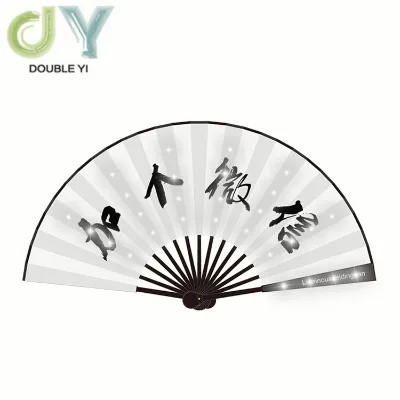
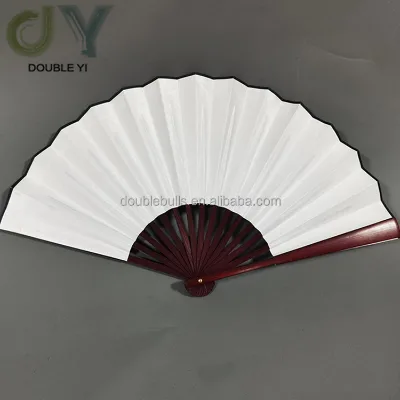
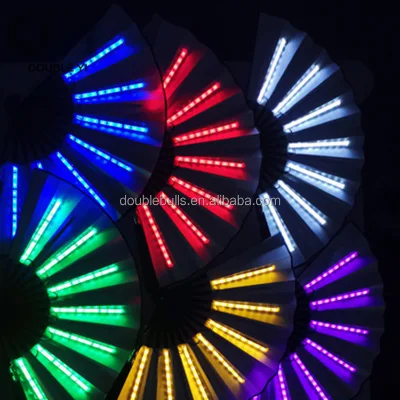
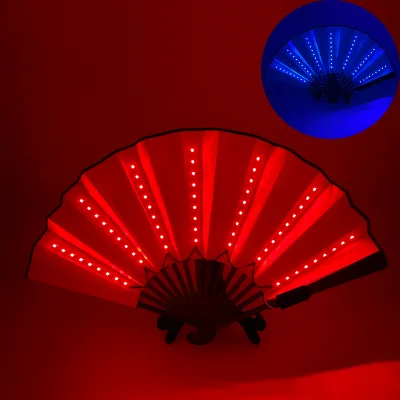
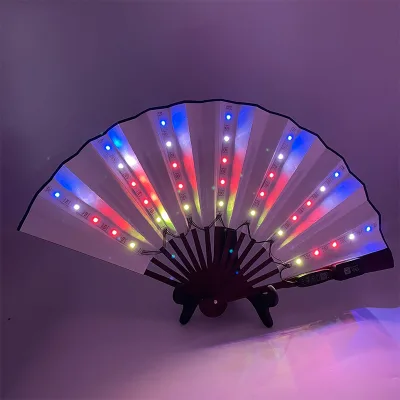
Luminous Nightclub Fan Trendy Party Performance Props LED Flashing Folding Hand Fan
$3.95 - $8.50
MOQ: 100 pieces
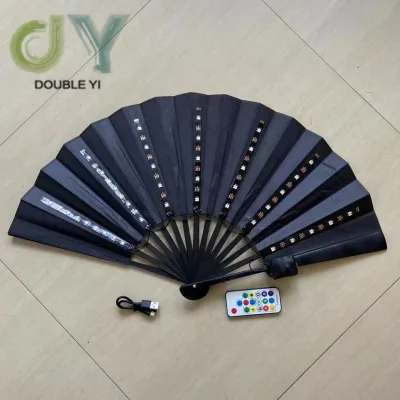
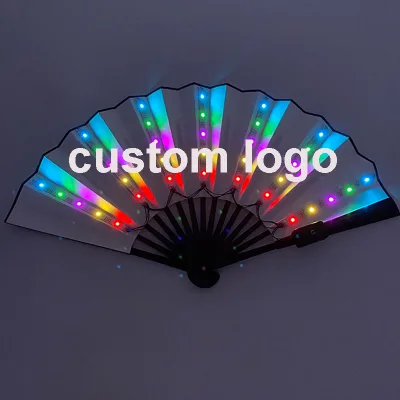
Custom Logo Re-chargeble LED Folding Fan With Remote Control Nightclub Hand Fan
$9.00 - $14.00
MOQ: 1000 Minimum

Sichuan Yelan International Trade Co., Ltd.
- Verified by TUVRHEINLAND
- Combined
- China Sichuan
- Lead time15 days
- Avg. response≤ 3h
Main productsMatches, Smart Phone, Grean Tea, Fan
Main marketsEurope,North America
Shenzhen Finegreen Lighting Co., Ltd.
- Verified by SGS Group
- Manufacturer, Trading Company
- Lead time10 days
- Avg. response≤ 4h
Main productsLED Cap, LED Bracelet, LED Glasses, LED Hand Fan, LED Cup
Main marketsNorth America(35%), Eastern Europe(10%), Western Europe(10%)

Changsha Qingyulan Homeware Co., Ltd.
- Trading Company
- China Hunan
- Lead time15 days
- Avg. response≤ 5h
Main productsPaper Fan, Bamboo Products, Spanish Wood Fan, Beach Straw Bag, Beach Towel, Japanese Ladies Hand Fans, Paper Lanterns, Oriental Hand Fans, Wedding Favor Gift Fans, Car DVR
Main marketsSoutheast Asia/ Mideast,Domestic,Europe,North America


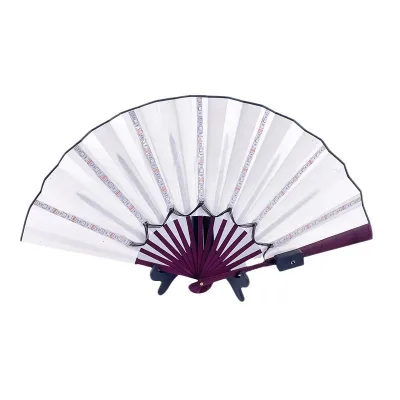
13inch LED Folding Fan with Remote Control LED Folding Hand Fan Bamboo Rave Fan for Party Hand Fan
$2.54 - $2.98
MOQ: 20 Pieces

Guangzhou Luminous Costumes Electronic Technology Co., Ltd.
- Manufacturer, Trading Company
- Guangdong, China
- Lead time7 days
- Avg. response≤ 5h
Main productsLight Message Digital Sign Board, Light Glasses, Luminous Clothes, Luminous Props, Luminous Wine Set
Main marketsDomestic Market(32.00%), North America(20.00%), South America(20.00%), Eastern Europe(20.00%), Africa(8.00%)

Yueyang Grand Arts and Crafts Co., Ltd.
- Combined
- China Hunan
- Lead time23 days
- Avg. response≤ 11h
Main productsHand Fans, Wooden Hand Fans, Large Hand Fans, Plastic Hand Fans, Lace Hand Fans, Custom Hand Fans, Print Hand Fans, Spanish Hand Fans
Main marketsSouth America,Southeast Asia/ Mideast,Europe,Australia,North America
Shenzhen Shenghuihuang Electronics Co., Ltd.
- Manufacturer, Trading Company
- Guangdong, China
- Lead time30 days
- Avg. response≤ 10h
Main productsFlashing Gift Series,Concert Series,Garland String Lights Series,Party Supplies,Holiday Supply
Main marketsEastern Asia(36.33%), North America(33.44%), Southeast Asia(10.00%), Oceania(9.00%), Africa(5.00%), Western Europe(2.43%), Mid East(2.00%), Central America(1.00%), Northern Europe(0.63%), Eastern Europe(0.17%)
Guangzhou Yuehui Lighting Technology Co., Ltd.
- Verified by Intertek
- Manufacturer, Trading Company
- Lead time7 days
- Avg. response≤ 8h
Main productsLight Up Cowboy Hat, LED Glasses, Luminous Mask, Luminous Fan, Performance Clothes
Main marketsWestern Europe(30%), South America(22%), North America(13%)
- Trading Company
- Guangdong, China
- Lead time15 days
- Avg. response≤ 5h
Main productsled Halloween mask,sound activated LED bracelet,LED glasses,LED necklace,LED headband
Main marketsNorth America(25.00%), Western Europe(24.00%), South America(18.00%), Eastern Europe(10.00%), Northern Europe(9.00%), Southern Europe(9.00%), Oceania(5.00%)
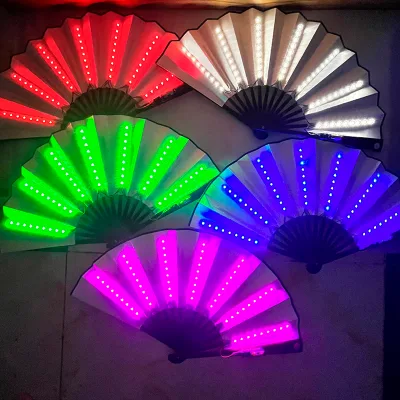
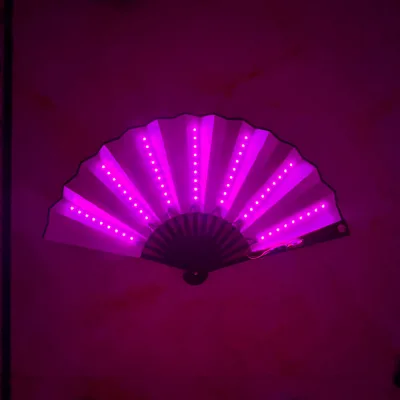
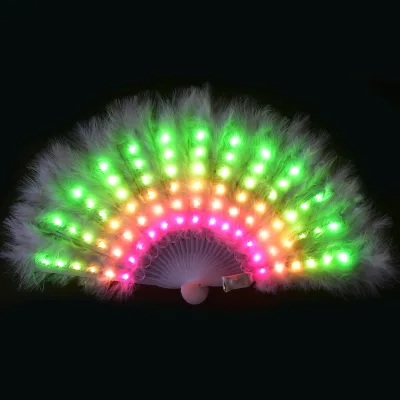
$26.1641 - $32.3208
MOQ: 10 pieces
Shenzhen Small Orders Co., Ltd.
- Manufacturer, Trading Company
- GuangDong, China
- Lead time0 days
- Avg. response≤ 2h
Main productsPromotional Gift,Gift Set,Keychain,Trophies Medals & Plaques,DVD
Main marketsNorth America(20.00%), Western Europe(20.00%), South Asia(10.00%), Africa(10.00%), Southeast Asia(5.00%), South America(5.00%), Northern Europe(5.00%), Central America(5.00%), Eastern Asia(5.00%), Eastern Europe(5.00%), Mid East(5.00%), Oceania(5.00%)
Shenzhen Starshining Technology Co., Ltd.
- Verified by SGS Group
- Manufacturer, Trading Company
- Lead time15 days
- Avg. response≤ 2h
Main productsEL Bottle Label, LED Bottle Light, LED Bottle Presenter, LED Light Stick, LED Strobe Baton
Main marketsNorth America(25%), Western Europe(25%), Eastern Europe(15%)
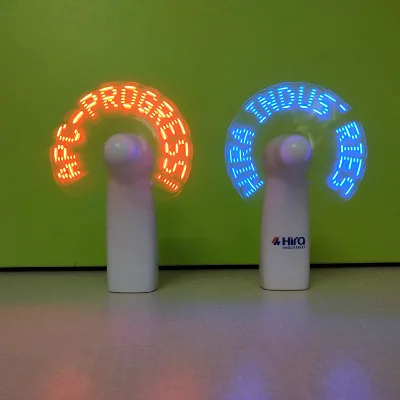
$0.79 - $0.98
MOQ: 1000 pieces
Shenzhen Lindsay Technology Co., Ltd.
- Verified by TüVRheinland
- Trading Company
- Lead time0 days
- Avg. response≤ 8h
Main productsWedding Umbrella, Hand Fan, LED Stick, Wedding Gift
Main marketsNorth America(25%), Oceania(15%), Western Europe(15%)
Xi'an Huaai Arts&crafts Co., Ltd.
- Trading Company
- Shaanxi, China
- Lead time15 days
- Avg. response≤ 2h
Main productshand fan,Terracotta Warriors,lantern,balloon,hat
Main marketsEastern Asia(15.00%), Southeast Asia(10.00%), South Asia(10.00%), Western Europe(10.00%), South America(8.00%), North America(8.00%), Mid East(8.00%), Central America(8.00%), Eastern Europe(5.00%), Southern Europe(5.00%), Northern Europe(5.00%), Domestic Market(5.00%), Africa(3.00%)

Jinjiang Jiaxing Supply Management Co., Ltd.
- Verified by TUVRHEINLAND
- Trading Company
- China Fujian
- Lead time30 days
- Avg. response≤ 2h
Main productsEVA Clogs, Flip Flop, Shoe Charms, Shopping Bags, Wristbands, Gifts, Promotional Gifts, Slipper, Sport Cap, Ball
Main marketsNorth America

Ganzhou Hongsheng Weaving Belts Co., Ltd.
- Verified by CTI
- Trading Company
- China Jiangxi
- Lead time15 days
- Avg. response≤ 7h
Main productsLanyard/Fabric Wristband/Silicone Bracelet
Main marketsSouth America,Africa,Southeast Asia/ Mideast,East Asia(Japan/ South Korea),Europe,Australia,North America
Shenzhen Goldshine Electronics Co.,ltd
- Verified by SGS Group
- Manufacturer, Trading Company
- Lead time20 days
- Avg. response≤ 3h
Main productsLED Glow Sticks, LED Bottle Sticker, LED Wristband, LED Cups, Party Suppliers
Main marketsEastern Asia(25%), Southeast Asia(20%), Domestic Market(18%)
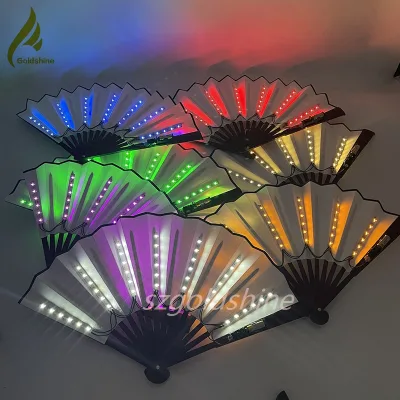
$2.4118 - $2.9256
MOQ: 100 pieces
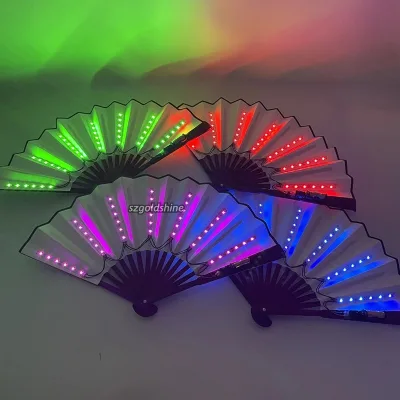
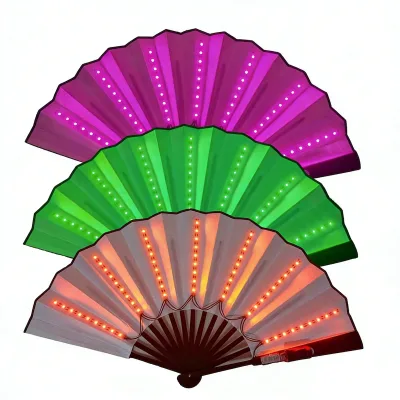
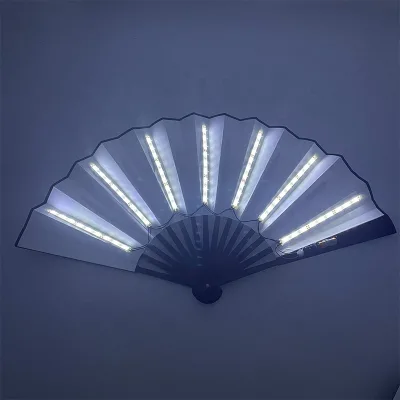
New Design LED Light-Up Hand Fan Bamboo Folding Decorative Flash Paper Fans for Party Decorations
$2.95 - $4.10
MOQ: 50 pieces
Shenzhen Jartown Trade Co., Ltd
- Manufacturer, Trading Company, Buying Office
- Guangdong, China
- Lead time15 days
- Avg. response≤ 3h
Main productsLED light,Gift& Crafts
Main marketsNorth America(35.00%), Eastern Europe(20.00%), Northern Europe(20.00%), Central America(10.00%), Western Europe(8.00%), South America(5.00%), South Asia(2.00%)

- Verified by TUVRHEINLAND
- Trading Company
- China Zhejiang
- Lead time15 days
- Avg. response≤ 3h
Main productsLanyard, Promotional Gift, Baseball Cap, Bags, T-Shirt, Ceramic Mug, Sport Water Bottle, PU Toys
Main marketsEurope,Australia,North America

DIY Paper Handfan, Bamboo Hand Fan, Paper Hand Fan, Hand Folding Fan, Promotional Gift Hand Fan
$0.30 - $0.35
MOQ: 3000 Pieces

Cute Bamboo Hand Fan, Advertising Hand Fan, Decoration Fan, Promotional Gift Hand Fan
$0.30 - $0.35
MOQ: 3000 Pieces
Shenzhen Xingdelong Technology Limited
- Manufacturer, Distributor/Wholesaler
- Guangdong, China
- Lead time15 days
- Avg. response≤ 3h
Main productsLED gift,LED pharmacy cross Display,LED car sign,LED sign,led license frame
Main marketsNorth America(50.00%), Western Europe(20.00%), South America(10.00%), Mid East(5.00%), Oceania(5.00%), Africa(5.00%), Eastern Asia(4.00%), Eastern Europe(1.00%)

- Combined
- China Guangdong
- Lead time23 days
- Avg. response≤ 4h
Main productsPromotion Gift, Toy, Flashing Item, Free Gift, Business Gift, Novelty
Main marketsAfrica,Europe,North America
Shenzhen Kapole Technology Co., Ltd.
- Manufacturer
- Guangdong, China
- Lead time3 days
- Avg. response≤ 2h
Main productscar phone/tablet holder,bike phone/tablet holder,desk phone/tablet holder,other kinds of phone/tablet holder,mobile phone accessories
Main marketsNorth America(15.00%), Northern Europe(11.00%), Eastern Europe(11.00%), Oceania(11.00%), Southern Europe(10.00%), Western Europe(10.00%), Eastern Asia(6.00%), South America(6.00%), Southeast Asia(5.00%), Domestic Market(5.00%), South Asia(5.00%), Central America(3.00%), Mid East(1.00%), Africa(1.00%)

- Verified by TUVRHEINLAND
- Trading Company,Manufacturer/Factory
- China Jiangsu
- Lead time23 days
- Avg. response≤ 4h
Main productsMedal, Coin, Lapel Pin, PVC Patch, Embroidery Patch, Keychain, Button Badge, Silicone Wristband, Lanyards, Gift
Main marketsSouth America,Eastern Europe,Mid East,North America,Oceania,Western Europe
- Manufacturer, Trading Company
- Lead time旺季: "1 - 1000":12,"1001 - 5000":15,"5001 - 10000":20,"> 10000":"To be negotiated", 淡季: "1 - 1000":12,"1001 - 5000":15,"5001 - 10000":20,"> 10000":"To be negotiated"
- Avg. response≤ 3h
Main productsCustom Flags And Banners, Promotion Gifts, Promotion Apparel And Accessories, Advertising Display, Fashion Accessories
Kunshan Krell Cultural Development Co., Ltd.
- Trading Company
- Lead time旺季: "1 - 50":31,"> 50":"To be negotiated", 淡季: "1 - 50":31,"> 50":"To be negotiated"
- Avg. response≤ 2h
Main productsEnamel Pin Badges


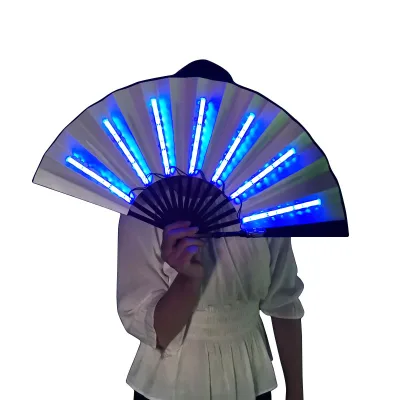
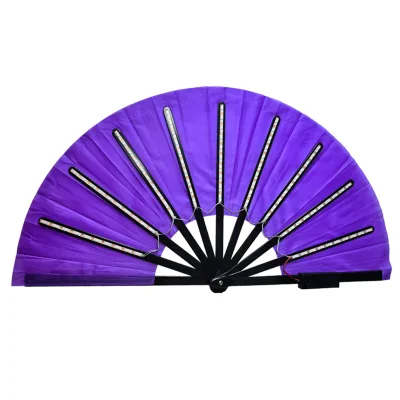
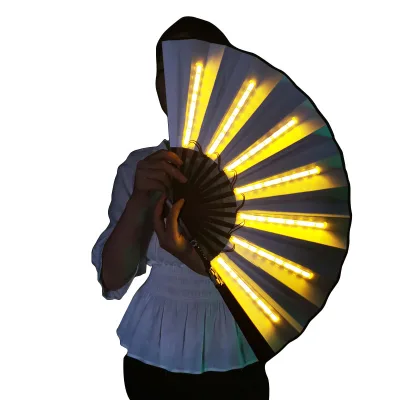
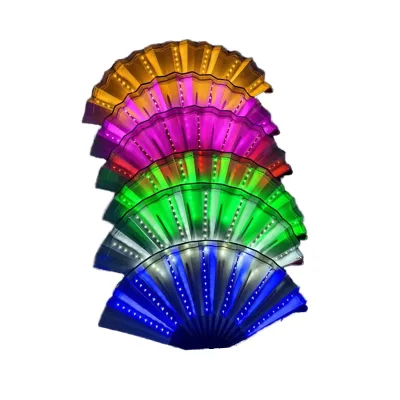



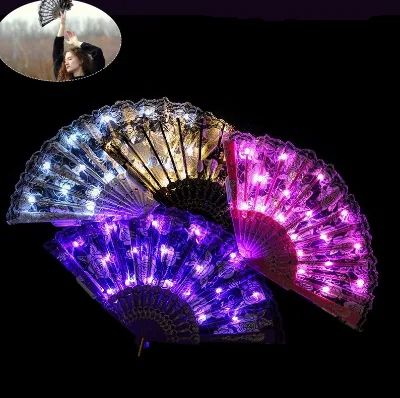
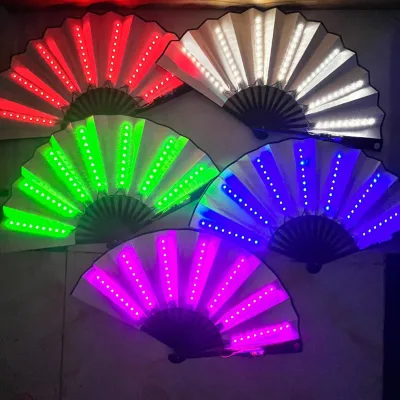
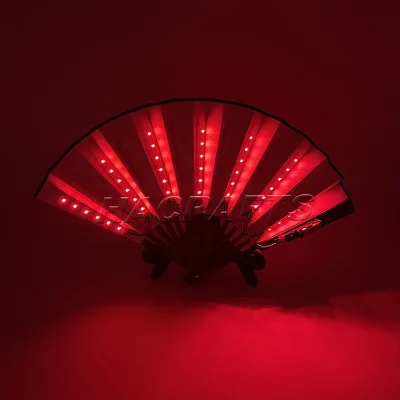
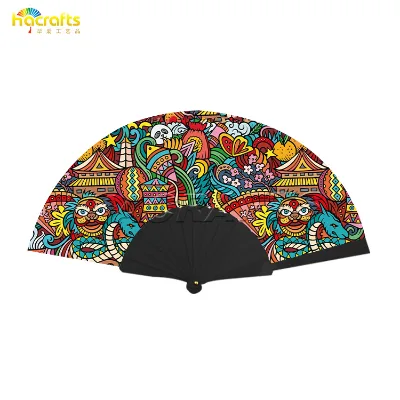






Comprehensive Sourcing Guide
Folding Luminous LED Hand Fan Supplier Concentration and Factory Types
The sourcing landscape for folding luminous LED hand fans reveals distinct manufacturing clusters and varied company structures that influence procurement strategy. Evidence indicates that a significant portion of suppliers is concentrated in Hunan, China, where production capabilities span multiple product categories including stationery, sports products, plastic toys, and clothing. This regional concentration suggests a mature supply chain ecosystem in Hunan, where factories may leverage existing infrastructure for plastic molding, LED integration, and fabric processing. Buyers evaluating suppliers from this region should consider the logistical advantages of localized production, which often translates to faster communication and potentially lower shipping costs for bulk orders. The presence of specialized craft categories, such as bamboo crafts and plastic crafts, further indicates that many manufacturers in this area possess the technical expertise required to produce complex items like LED-integrated fans. Understanding this geographic concentration allows buyers to streamline their supplier search by focusing on regions with proven output in related consumer goods and promotional items.
Company types in this sector vary significantly, ranging from pure trading companies to combined entities that may offer broader service scopes. Some suppliers are identified as trading companies, which typically act as intermediaries connecting buyers with factory production lines. These entities often provide flexibility in order sizes and product customization but may have less direct control over manufacturing timelines. In contrast, other suppliers are classified as combined types, potentially indicating a hybrid model that includes both manufacturing and trading functions. This distinction is crucial for buyers assessing direct factory access versus intermediary services. The variation in company types also affects the range of main products offered, with some suppliers diversifying into matches, smart phones, or green tea alongside fans. Buyers must carefully review the supplier’s primary business focus to ensure alignment with their specific sourcing needs, as a trading company might offer a wider variety of unrelated items, while a combined entity might provide more integrated supply chain solutions.
How to Verify Folding Luminous LED Hand Fan Suppliers
Verifying the legitimacy and capability of suppliers requires a multi-layered approach that goes beyond basic profile reviews. One critical step is checking for third-party verification badges, such as TÜV Rheinland certification, which serves as an independent validation of a supplier’s business operations and product quality standards. Buyers should prioritize suppliers who display such verifications, as they indicate a higher level of transparency and adherence to international business practices. Additionally, assessing the supplier’s response time is a practical method for gauging operational efficiency. A rapid response time, such as under three hours, often correlates with a well-staffed sales team and efficient internal communication processes, which are essential for resolving issues during the production and shipping phases. Buyers should compare response metrics across potential suppliers to identify those who demonstrate consistent and prompt engagement, as delayed responses can signal potential bottlenecks in order processing.
Beyond verification badges and response speeds, buyers must scrutinize the specific product attributes and customization options provided by each supplier. Detailed product listings that include precise material compositions, such as bamboo ribs combined with polyester fabric and LED components, offer insight into the supplier’s technical proficiency. Buyers should verify that the listed specifications match their quality requirements, paying close attention to details like lining materials, packing methods, and design capabilities. For instance, some suppliers offer custom patterns and logo printing, which is vital for branded promotional campaigns. It is also important to confirm the origin of the products, ensuring that the stated place of origin aligns with the supplier’s claimed location. By cross-referencing these detailed product attributes with the supplier’s company type and verification status, buyers can build a comprehensive profile of each potential partner, reducing the risk of engaging with unreliable or mismatched suppliers.
What to Compare Across Folding Luminous LED Hand Fan Suppliers
When evaluating multiple suppliers, buyers must systematically compare key operational metrics to determine the best fit for their specific requirements. One of the most significant differentiators is the minimum order quantity (MOQ), which can vary widely across the market. Some suppliers may require a minimum of 100 pieces, making them suitable for smaller, targeted marketing campaigns or trial orders. In contrast, other suppliers might set their MOQ at 1000 pieces, which is more appropriate for large-scale retail distribution or corporate gifting programs. Buyers should align their order volume with the supplier’s MOQ to avoid unnecessary inventory costs or production delays. Additionally, comparing price ranges is essential for budget planning. Prices for these fans can range from under one dollar for basic plastic versions to over ten dollars for premium wooden or silk models with advanced LED features. Understanding this price spectrum helps buyers allocate resources effectively and negotiate more informed contracts based on the desired quality and material specifications.
Lead times and response speeds are another critical pair of metrics to compare across suppliers. A lead time of fifteen days, for example, indicates a standard production cycle that buyers must factor into their overall project timeline. Suppliers with shorter lead times may offer faster turnaround for urgent orders, but this often comes at a premium or requires higher MOQs. Similarly, response times can impact the efficiency of the negotiation and customization process. Buyers should compare these metrics side-by-side to identify suppliers who offer the best balance of speed and cost. Furthermore, examining the main products offered by each supplier can reveal their core competencies. A supplier whose main products include plastic toys and crafts may have more specialized expertise in LED integration and plastic molding compared to a general trading company. By synthesizing these comparative data points, buyers can create a weighted scoring system to objectively rank suppliers based on their ability to meet specific project constraints regarding volume, cost, and timing.
Common Folding Luminous LED Hand Fan Sourcing Risks
Sourcing folding luminous LED hand fans involves several inherent risks that buyers must proactively manage to ensure successful procurement. One significant risk is the variability in product quality, particularly concerning the electronic components. Since these fans integrate LED lights, there is a potential for malfunction, battery issues, or inconsistent illumination across units. Buyers should be cautious of suppliers who do not provide detailed specifications for the LED components or who lack clear quality control processes. The use of different materials, such as bamboo ribs versus plastic frames, also introduces variability in durability and aesthetic appeal. Without rigorous inspection protocols, buyers may receive batches with inconsistent finishes or structural weaknesses. To mitigate this risk, buyers should request detailed product samples and conduct thorough testing before committing to large orders. It is also advisable to specify clear quality standards in the purchase agreement, including acceptable defect rates and performance criteria for the LED functionality.
Another common risk is the misalignment between supplier capabilities and buyer expectations regarding customization and branding. Some suppliers may claim to offer custom logo printing or unique design patterns but lack the technical infrastructure to execute these requests accurately. This can lead to delays, additional costs, or subpar branding results that fail to meet marketing objectives. Additionally, the reliance on third-party logistics and shipping can introduce uncertainties in delivery timelines and product condition upon arrival. Buyers should be aware that suppliers located in different regions may have varying relationships with shipping carriers, affecting transit times and costs. Furthermore, the complexity of international trade regulations and import duties can impact the final landed cost of the goods. Buyers must ensure that all commercial terms, including payment methods and shipping responsibilities, are clearly defined to avoid unexpected expenses. By identifying these risks early in the sourcing process, buyers can implement appropriate safeguards, such as escrow services or third-party inspections, to protect their interests and ensure a smooth transaction.
Folding Luminous LED Hand Fan Regional Sourcing and Logistics
Regional sourcing strategies play a pivotal role in optimizing the logistics and cost structure for folding luminous LED hand fans. Suppliers concentrated in Hunan, China, offer distinct logistical advantages due to their established manufacturing clusters. This region’s infrastructure supports efficient production and distribution, potentially reducing lead times and shipping costs for international buyers. Buyers sourcing from this area should consider the proximity to major shipping ports and transportation networks, which can facilitate smoother export processes. Additionally, the concentration of suppliers in Hunan may foster competition, leading to more favorable pricing and service options. However, buyers must also account for the specific logistical requirements of shipping electronic components, such as LED fans, which may be subject to special handling or regulatory considerations. Understanding the regional logistics landscape allows buyers to plan their supply chain more effectively, ensuring timely delivery and minimizing disruptions.
For buyers considering suppliers from other regions, such as Sichuan, China, it is essential to evaluate the local infrastructure and supplier capabilities. While Sichuan may offer different logistical advantages, buyers should verify the supplier’s experience in international shipping and their ability to handle complex orders. The presence of combined supplier types in this region may indicate a broader range of services, but buyers must ensure that these services align with their specific needs. Additionally, buyers should assess the reliability of local logistics providers and their track record in handling fragile or electronic goods. By comparing the logistical profiles of different regions, buyers can make informed decisions about where to source their products. It is also important to consider the impact of regional trade policies and tariffs on the final cost of goods. Buyers should work closely with their suppliers to navigate these complexities, ensuring that all logistical arrangements are optimized for efficiency and cost-effectiveness.
Folding Luminous LED Hand Fan Commercial Terms and Order Planning
Effective order planning for folding luminous LED hand fans requires a thorough understanding of commercial terms and payment structures. Suppliers often specify payment terms such as a 30% deposit followed by 70% before delivery or against a bill of lading. These terms are standard in the industry but require careful financial planning to ensure liquidity and risk management. Buyers should negotiate payment terms that align with their cash flow capabilities and risk tolerance, potentially seeking escrow services to secure transactions. Additionally, understanding the pricing structure is crucial for budgeting. Prices can vary significantly based on material quality, LED complexity, and customization requirements. Buyers should request detailed quotes that break down costs for materials, labor, and shipping to identify potential areas for cost savings. By analyzing these commercial terms, buyers can develop a robust financial plan that supports their sourcing objectives while minimizing financial exposure.
Order planning also involves coordinating production schedules with delivery deadlines to ensure timely receipt of goods. Buyers must account for lead times, which can range from standard production cycles to expedited options for urgent orders. Clear communication with suppliers regarding production milestones and shipping arrangements is essential to avoid delays. Buyers should also consider the packaging specifications, such as OPP bags, which can impact shipping efficiency and product protection. By integrating these commercial and logistical considerations into their order planning process, buyers can streamline their procurement operations and enhance supply chain resilience. It is also important to establish clear communication channels with suppliers to address any issues that may arise during production or shipping. By maintaining a proactive approach to order planning, buyers can ensure a smooth and successful sourcing experience for folding luminous LED hand fans.
FAQs
What is the price range for custom LED folding hand fans?
Prices for custom LED folding hand fans typically range from $0.40 to $14.00 per unit. The final cost depends on the material, such as wood, silk, or bamboo, and the complexity of the LED circuitry. Buyers should expect higher prices for rechargeable models with remote controls compared to basic battery-operated versions.
What are the minimum order quantities for these fans?
Minimum order quantities vary significantly by supplier and product type. Some manufacturers require a minimum of 100 pieces for basic LED fans, while others set the threshold at 1000 pieces for custom printed wooden or silk models. Buyers should verify the specific MOQ with the supplier before placing an order.
Where are these fans typically manufactured?
Most suppliers for these fans are located in Hunan, China, with some operations in Sichuan. These regions are known for their manufacturing capabilities in crafts and plastic products. Buyers can expect products to originate from these specific Chinese provinces when sourcing from the current supplier results.
How long does production usually take?
Standard lead times for these fans are approximately 15 days. This duration allows for manufacturing, quality control, and packaging preparation. Buyers should confirm the exact timeline with the supplier, as rush orders or complex customizations might extend the production schedule beyond the standard period.
Can I customize the logo and design on the fans?
Yes, most suppliers accept custom logo printing and pattern designs. Options include painted designs on wooden fans or printed patterns on plastic and bamboo models. Buyers should provide high-resolution artwork files to ensure accurate reproduction of their brand logo or specific decorative patterns on the final product.
What materials are used to make these LED fans?
Common materials include bamboo ribs, polyester fabric, wood, and silk. Some models use plastic for the frame or LED housing. The choice of material affects the fan's durability, weight, and aesthetic appeal. Buyers can select materials based on their target market preferences and budget constraints.