Sublimation Blank White Ceramic Ornament Suppliers and Manufacturers
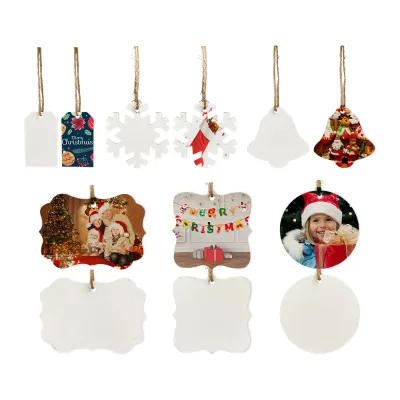
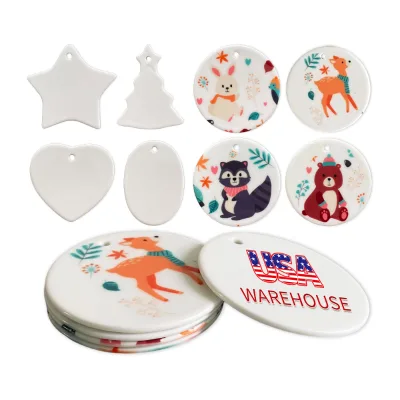
Find 15 verified suppliers offering Sublimation Blank White Ceramic Ornament options with varying lead times, certifications, and response speeds. Compare dimensions, materials, and MOQs to select the right partner for your custom decoration needs; review the available evidence before requesting comparable quotations from suitable candidates.
Updated
Suppliers List
Guangzhou Fenqi Leather Co., Ltd.
- Verified by SGS Group
- Manufacturer, Trading Company
- Lead time7 days
- Avg. response≤ 2h
Main productsSublimation Shirt/T shirt , Canvas bags, Trucker Hats
Main marketsNorth America(54%), Western Europe(15%), Mid East(5%)
Xiamen D& Q Import And Export Co., Limited
- Verified by TüVRheinland
- Trading Company
- Lead time60 days
- Avg. response≤ 6h
Main productsSouvenir Items, Fridge Magnet, Snow Globe, Keychain, Bottle Opener
Main marketsNorth America(35%), Western Europe(20%), Northern Europe(20%)
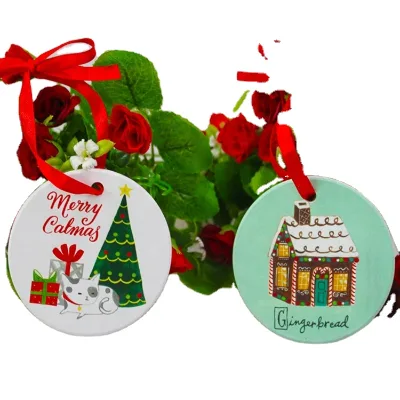
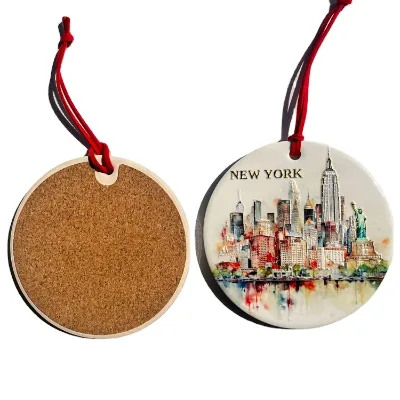
$0.5752 - $0.6157
MOQ: 720 pieces
Xinxiang Hongqi District Huafeiwu Import And Export Trade Co., Ltd.
- Trading Company
- Henan, China
- Lead time0 days
- Avg. response≤ 4h
Main productsHome decor,Kitchenware,Garden Supplies
Main marketsSoutheast Asia(20.00%), Mid East(20.00%), South Asia(20.00%), Africa(10.00%), Eastern Asia(10.00%), Northern Europe(10.00%), Domestic Market(10.00%)

$0.37 - $0.49
MOQ: 2 pieces
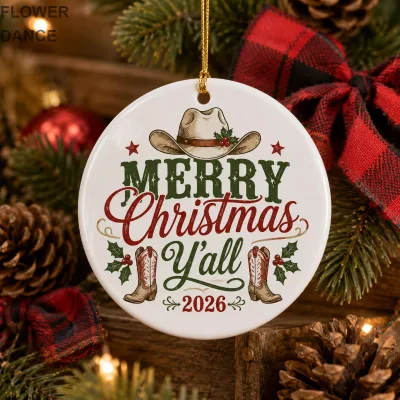
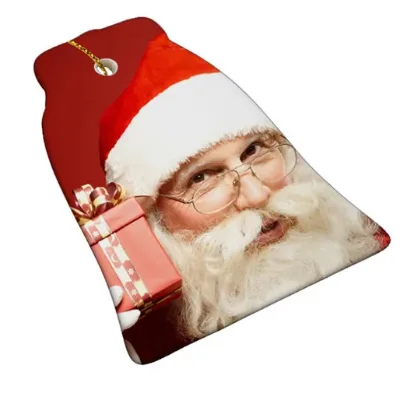
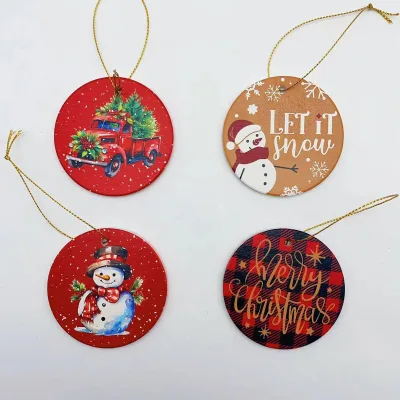
Yiwu Kaimai Machinery Equipment Factory
- Manufacturer, Trading Company
- Zhejiang, China
- Lead time0 days
- Avg. response≤ 4h
Main productsHeat Press Machine,Heat Transfer Machine,Sublimation Mug,Sublimation Tumbler,Sublimation Blanks
Main marketsNorth America(65.00%), South America(20.00%), Africa(10.00%), Western Europe(3.00%), Southern Europe(2.00%)
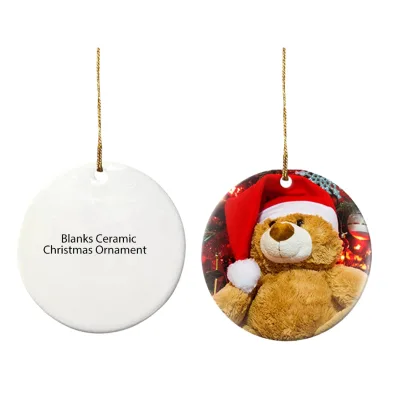
$0.3086 - $0.719
MOQ: 200 pieces

$0.4015 - $0.6067
MOQ: 100 pieces

- Verified by TUVRHEINLAND
- Trading Company
- China Zhejiang
- Lead time15 days
- Avg. response≤ 13h
Main productsWooden Toy, Outdoor Product, Kitchen Item, Personal Care Tool, Painting Set, Disk Rack, Yoga, Garden
Main marketsSouth America,Europe,North America
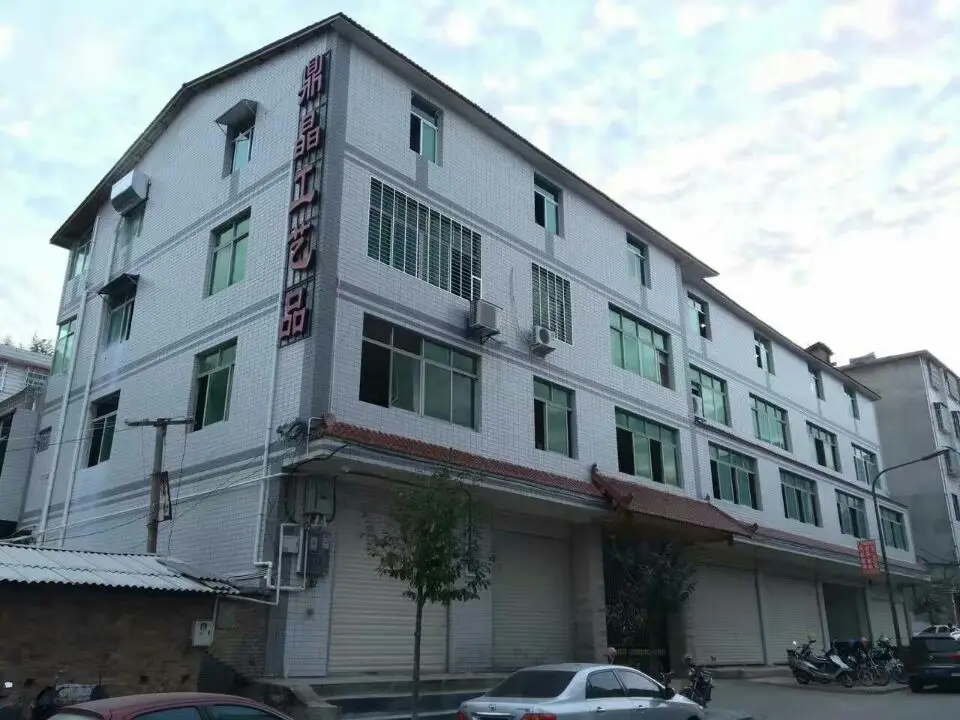
Fujian Dehua Dingjing Crafts Co., Ltd.
- Manufacturer, Trading Company
- Fujian, China
- Lead time25 days
- Avg. response≤ 5h
Main productsceramic coaster,ceramic trivet pot holder,ceramic fridge magnet,ceramic hanging ornaments,ceramic photo frame
Main marketsNorth America(20.00%), Western Europe(20.00%), Eastern Europe(20.00%), South America(10.00%), Northern Europe(10.00%), Domestic Market(8.00%), Central America(5.00%), Southeast Asia(5.00%), Southern Europe(5.00%), Mid East(5.00%), Eastern Asia(3.00%), Africa(2.00%), South Asia(2.00%)
Hangzhou Ggblanks Houseware Co., Ltd.
- Verified by TüVRheinland
- Trading Company
- Lead time15 days
- Avg. response≤ 4h
Main productsSublimation Tumbler, Toys, Water Bottle, Clothing, Holiday Gift
Main marketsNorth America(50%), Oceania(20%), Western Europe(20%)
Leadsub International Trade Co., Limited
- Verified by TüVRheinland
- Manufacturer, Trading Company
- Lead time7 days
- Avg. response≤ 4h
Main productsSublimation Christmas Ornament, Sublimation Slate, Sublimation Frame, Sublimation Home Products, Sublimation Machine
Main marketsNorth America(60%), Western Europe(10%), South America(5%)
Lead Sublimation Technologies Co., Limited
- Manufacturer, Trading Company
- Guangdong, China
- Lead time10 days
- Avg. response≤ 9h
Main productsCustom Print Gift,Photo frame,Printing Machine,Heat Press Machine,custom gift
Main marketsSouth America(30.00%), North America(30.00%), Southern Europe(10.00%), Northern Europe(10.00%), Western Europe(10.00%), Eastern Europe(10.00%)
Shenzhen Enxiao Technology Co., Ltd.
- Verified by SGS Group
- Manufacturer, Trading Company
- Lead time7 days
- Avg. response≤ 4h
Main productsSublimation Coated Mug & Plate, Sublimation Photo Frame, Heat Press Machines & Accessories, Sublimation Decoration Gift Products, Sublimation Textile Products
Main marketsSouth America(35%), North America(34%), Eastern Europe(10%)

Dongguan Prosub Technology Co., Ltd.
- Verified by SGS
- Combined
- China Guangdong
- Lead time15 days
- Avg. response≤ 6h
Main productsSublimation Blanks, Sublimation Phone Case Blanks, Sublimation Machine, 3D Sublimation Tansfer Film, Sublimation Keycaps, Sublimation Rock Slate, Phone Case Printing Machine, Sublimation Phone Cover, Sublimations, Sublimation Products
Main marketsSouth America,Southeast Asia/ Mideast,Europe,Australia,North America


$0.42 - $0.48
MOQ: 10 Pieces

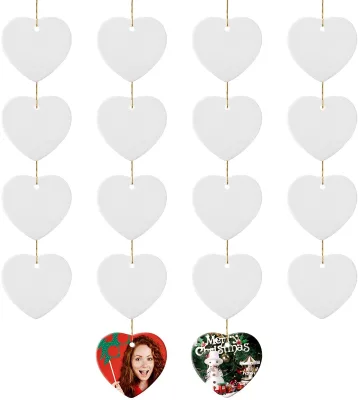
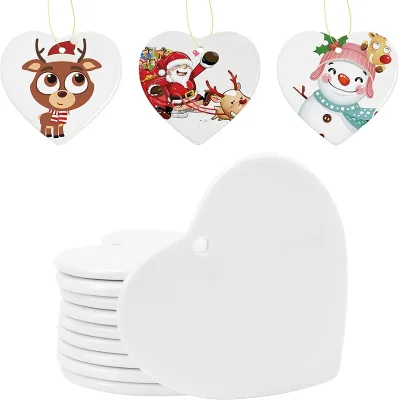
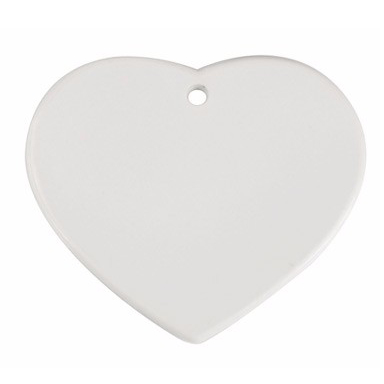
Prosub Personalized Printing Sublimation Blank Heart Ceramic Christmas Ornaments Pendant
$0.42 - $0.48
MOQ: 10 Pieces

Fujian Dehua Baike Crafts Co., Ltd.
- Manufacturer
- Fujian, China
- Lead time15 days
- Avg. response≤ 2h
Main productsceramic blanks for UV Printing and Sublimation printing,ceramic coasters,ceramic fridge magnets,blank ceramic trinket dish,ceramic ornaments
Main marketsNorth America(40.00%), Southeast Asia(20.00%), Central America(5.00%), Western Europe(5.00%), South Asia(5.00%), Eastern Asia(5.00%), Eastern Europe(5.00%), South America(5.00%), Southern Europe(5.00%), Northern Europe(5.00%)
Guangzhou Yangze Trading Co., Ltd.
- Manufacturer, Trading Company, Distributor/Wholesaler
- Guangdong, China
- Lead time0 days
- Avg. response≤ 3h
Main productsTote bag,PU leather Wallet,PU card holder,PU Phone Case,PU passport Holder
Main marketsNorth America(20.00%), Southern Europe(10.00%), Northern Europe(10.00%), Central America(10.00%), Western Europe(10.00%), Eastern Asia(10.00%), Southeast Asia(10.00%), Eastern Europe(10.00%), South America(10.00%)
Shaanxi Longstar New Material Technology Co., Ltd.
- Manufacturer, Trading Company
- Lead time旺季: "1 - 9999":30,"> 9999":"To be negotiated", 淡季: "1 - 9999":30,"> 9999":"To be negotiated"
- Avg. response≤ 9h
Main productsChristmas Ball, Christmas Tree, Christmas Dolls, Christmas Wreath, Christmas Garland
Quanzhou Kari Appliance Co., Ltd.
- Trading Company
- Fujian, China
- Lead time15 days
- Avg. response≤ 3h
Main productssublimation mug,sublimation blank,heat press machine,heat transfer machine,photo frame
Main marketsNorthern Europe(10.00%), Central America(10.00%), Western Europe(10.00%), Eastern Asia(10.00%), South Asia(10.00%), Southeast Asia(10.00%), Eastern Europe(10.00%), Southern Europe(10.00%), North America(10.00%), Africa(5.00%), South America(5.00%)




Comprehensive Sourcing Guide
Sublimation Blank White Ceramic Ornament Supplier Concentration and Factory Types
The landscape for sourcing sublimation blank white ceramic ornaments features a mix of manufacturing entities and trading companies, each offering distinct advantages for different procurement strategies. Manufacturers typically provide direct access to production lines, which can facilitate deeper customization and potentially lower unit costs for high-volume orders. In contrast, trading companies often aggregate products from multiple factories, offering a broader catalog that may include complementary items like keychains, fridge magnets, or snow globes. This diversity allows buyers to consolidate shipments, although it may introduce an additional layer of communication. The presence of both types ensures that buyers can choose based on their specific needs for direct factory interaction versus curated product variety.
Verification status and system certifications serve as primary indicators of supplier reliability and operational standards. Some suppliers display verification from recognized third-party inspection groups, providing an external validation of their business legitimacy and operational capabilities. Additionally, system certifications such as RoHS or CE indicate adherence to specific regulatory standards regarding hazardous substances and safety. These credentials are crucial for buyers targeting markets with strict environmental or safety regulations. While not all suppliers may display every certification, the presence of these verifications helps narrow down the pool to those who have undergone rigorous assessment processes, ensuring a baseline level of quality and compliance in their operations.
How to Verify Sublimation Blank White Ceramic Ornament Suppliers
Verifying suppliers requires a multi-layered approach that goes beyond surface-level profile reviews. Buyers should prioritize suppliers who have undergone third-party verification processes, as these provide an objective assessment of the company’s legal status and operational capacity. Checking for specific verification badges from reputable inspection agencies offers a layer of trust that self-declared claims cannot match. Furthermore, examining the supplier’s response time can provide insights into their operational efficiency and customer service quality. A quick response time often correlates with a more agile and responsive supply chain, which is essential for managing tight production schedules and addressing urgent inquiries promptly.
Product evidence and detailed attribute listings are critical for assessing a supplier’s actual capabilities and product quality. Buyers should scrutinize the detailed product specifications, including material composition, printing techniques, and packaging details, to ensure they align with their requirements. For instance, confirming that the ornaments are made from high-quality ceramic suitable for sublimation printing is vital for achieving vibrant and durable designs. Additionally, checking the supply ability and production capacity indicators helps gauge whether the supplier can handle the desired order volume without compromising quality or delivery times. This due diligence ensures that the selected supplier has the technical expertise and infrastructure to meet specific project demands.
What to Compare Across Sublimation Blank White Ceramic Ornament Suppliers
When evaluating multiple suppliers, comparing key operational metrics is essential for making an informed decision. Lead time is a critical factor, as it directly impacts inventory management and time-to-market. Suppliers with shorter lead times can offer greater flexibility for rush orders or seasonal peaks, while those with longer lead times may require more advanced planning. Similarly, the minimum order quantity (MOQ) varies significantly across suppliers, influencing the initial investment and risk exposure for buyers. Understanding these variations allows buyers to align their procurement strategy with their budget and sales forecast, ensuring they do not overcommit to inventory that may not sell.
Pricing structures and customization capabilities also play a pivotal role in supplier selection. Unit prices can fluctuate based on order volume, material costs, and printing complexity. Buyers should request detailed quotes that break down costs for different order sizes to identify the most cost-effective option. Additionally, assessing the supplier’s customization capabilities, such as graphic processing and on-demand customization, is crucial for brands seeking unique products. Suppliers that offer flexible design options and support for various printing techniques, including UV printing and sublimation, provide greater creative freedom. Comparing these factors holistically ensures that buyers select a partner that offers the best balance of cost, speed, and customization.
Common Sublimation Blank White Ceramic Ornament Sourcing Risks
One significant risk in sourcing sublimation blanks is the inconsistency in product quality and specifications. Variations in ceramic material density, surface smoothness, or coating quality can affect the final print quality, leading to customer dissatisfaction. Buyers must ensure that the blanks provided meet their specific technical requirements for sublimation printing. Another risk is the potential for miscommunication regarding design files and printing techniques. If the supplier’s printing capabilities do not align with the buyer’s design specifications, it can result in wasted samples and delayed production. Clear communication and detailed technical specifications are essential to mitigate these risks.
Logistical challenges and supply chain disruptions pose another layer of risk. Delays in production or shipping can impact the buyer’s ability to meet market demand, especially during peak seasons. Additionally, the risk of non-compliance with international standards or regulations can lead to customs delays or product recalls. Buyers should verify that their suppliers adhere to relevant safety and environmental standards, such as RoHS or CE certifications. Furthermore, relying on a single supplier for critical components can create vulnerability. Diversifying the supplier base and maintaining open lines of communication can help mitigate these risks, ensuring a more resilient supply chain.
Sublimation Blank White Ceramic Ornament Regional Sourcing and Logistics
Regional sourcing considerations are vital for optimizing logistics and reducing costs. Suppliers located in specific manufacturing hubs may offer advantages in terms of proximity to raw materials and established supply chains. For instance, suppliers in Guangdong, China, are often associated with efficient manufacturing ecosystems and competitive pricing. Understanding the regional strengths of different suppliers can help buyers make strategic sourcing decisions. Additionally, the port of dispatch and shipping routes can impact transit times and costs. Buyers should consider the logistical implications of sourcing from different regions to ensure timely delivery and cost-effectiveness.
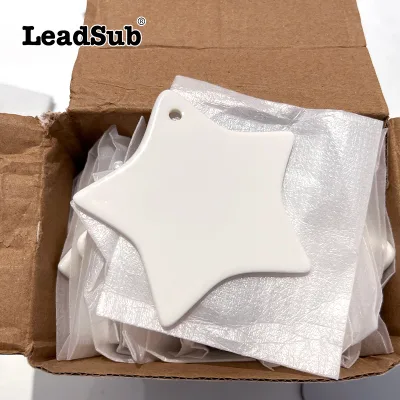
Packaging and handling requirements are also important logistical factors. The size and weight of the ornaments, as well as the packaging materials used, can affect shipping costs and product safety. Suppliers that provide robust packaging solutions can help minimize the risk of damage during transit. Buyers should inquire about the packaging details, including single package size and gross weight, to accurately calculate shipping costs. Furthermore, understanding the supplier’s experience with international shipping and customs clearance can help streamline the logistics process. Selecting suppliers with proven logistical capabilities ensures a smoother import process and reduces the likelihood of delays or additional costs.
Sublimation Blank White Ceramic Ornament Commercial Terms and Order Planning
Commercial terms and order planning are crucial for successful procurement. Buyers should clearly define the payment terms, delivery schedules, and quality assurance protocols before placing an order. Understanding the supplier’s policies on sample production, defect handling, and returns is essential for managing expectations and mitigating risks. Additionally, buyers should consider the scalability of the supplier’s operations to ensure they can handle future order growth. Establishing a long-term partnership with a reliable supplier can lead to better pricing, priority production, and improved service levels over time.
Effective order planning involves forecasting demand and aligning it with the supplier’s production capacity. Buyers should communicate their sales projections and seasonal requirements to their suppliers to facilitate better production planning. This proactive approach helps avoid stockouts or excess inventory, optimizing cash flow and storage costs. Furthermore, buyers should maintain open communication with their suppliers to address any potential issues promptly. Regularly reviewing performance metrics, such as lead times and quality consistency, can help identify areas for improvement and strengthen the supplier relationship. By focusing on these commercial and planning aspects, buyers can build a robust and efficient sourcing strategy.
FAQs
What is the price range for sublimation blank white ceramic ornaments?
Prices for sublimation blank white ceramic ornaments typically range from $0.36 to $0.71 per unit. This variation depends on the specific size, shape, and order volume. Buyers should expect different pricing tiers based on whether they are purchasing small batches or larger quantities for mass production.
How long does it take to produce sublimation ceramic ornaments?
Production lead times for these ornaments generally range from 7 to 60 days. The exact duration depends on the supplier type and order complexity. Manufacturers often offer faster turnaround times compared to trading companies, which may require additional time for sourcing and logistics coordination.
What certifications do sublimation ceramic ornament suppliers hold?
Suppliers offering sublimation ceramic ornaments often hold RoHS and CE certifications. These certifications ensure that the materials and manufacturing processes meet specific safety and environmental standards. Buyers should verify these credentials to ensure compliance with international regulations for decorative items.
What is the minimum order quantity for these ornaments?
Minimum order quantities vary by supplier, with some requiring as few as 2 pieces. Others may require bulk purchases, such as multiples of 25 or 100 items. Buyers should check specific product listings to determine the exact MOQ applicable to their order size.
Where are sublimation ceramic ornaments typically manufactured?
These ornaments are primarily manufactured in Guangdong and Fujian, China. These regions are known for their robust manufacturing capabilities in ceramics and decorative items. Buyers sourcing from these locations can often access a wide variety of shapes and customization options.
What customization options are available for ceramic ornaments?
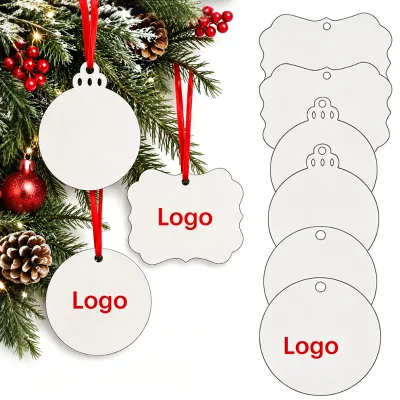
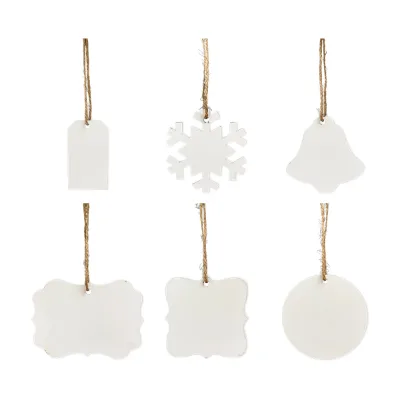
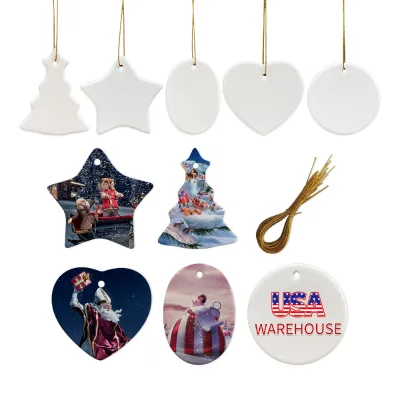
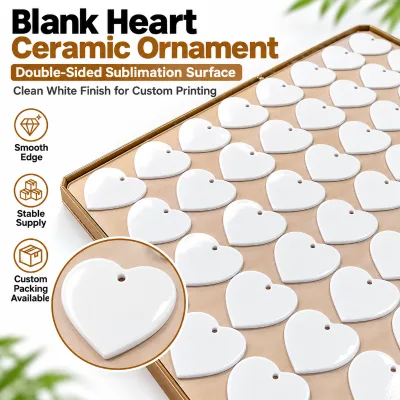
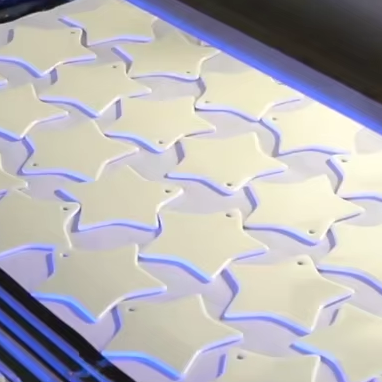
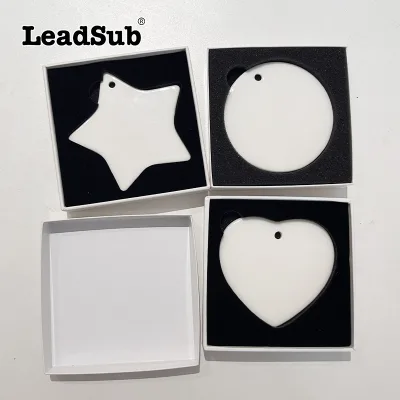
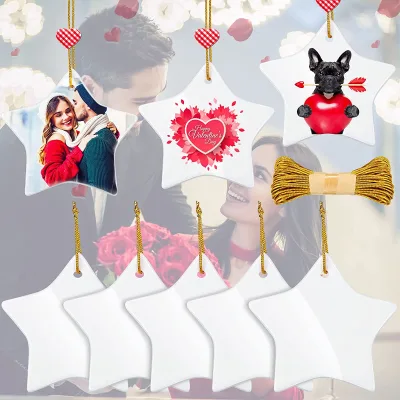
Suppliers offer light customization, sample processing, and graphic processing services. Options include custom logos, specific shapes like stars or hearts, and various printing techniques such as sublimation or UV printing. Buyers can request tailored designs to meet their specific branding or aesthetic requirements.