Source Modern Sherpa Armchair for Living Room, Home Office, and Bedroom
Find 30 Modern Sherpa Armchair options from Guangdong manufacturers. Compare fabric and metal designs with sponge filling, available in multiple colors for living room, home office, and bedroom use. Request quotes for custom OEM services; compare the available evidence and request quotations based on your requirements.
Updated
Key considerations
Products List
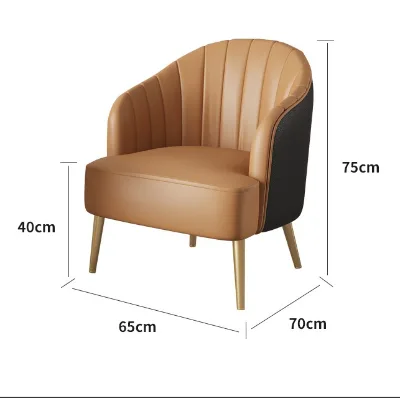
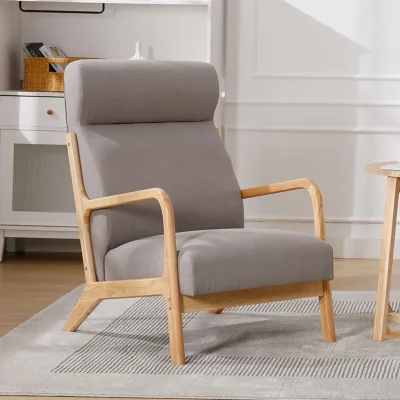

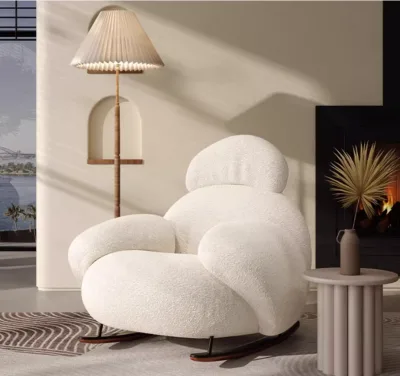


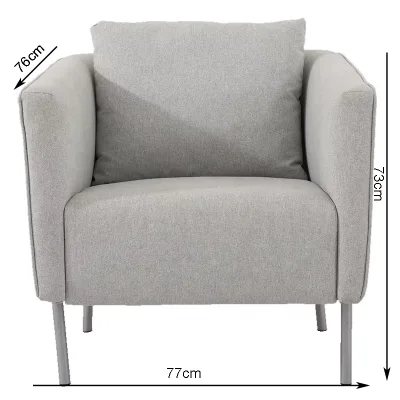

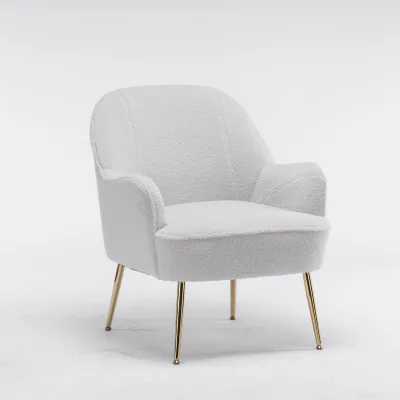
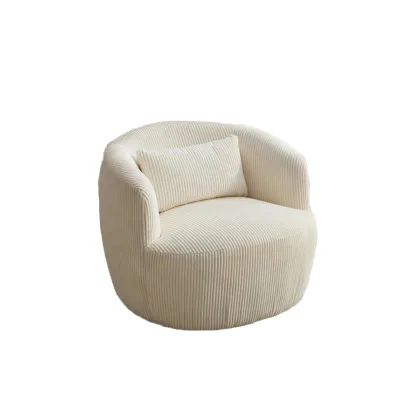
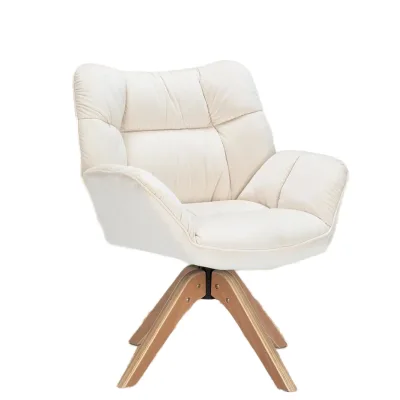
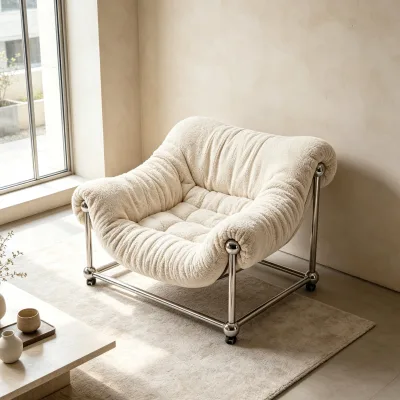
Modern Armchair Sofa Living Room Armchair Office Furniture Public Area Sofa
$149.00 - $249.00
MOQ: 20 Pieces
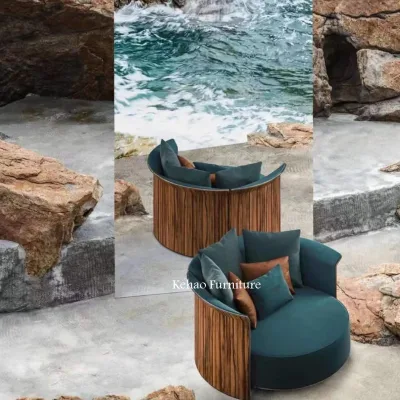
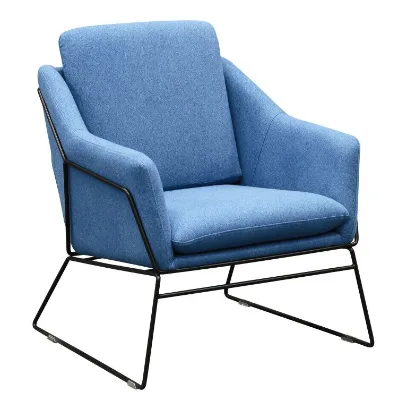


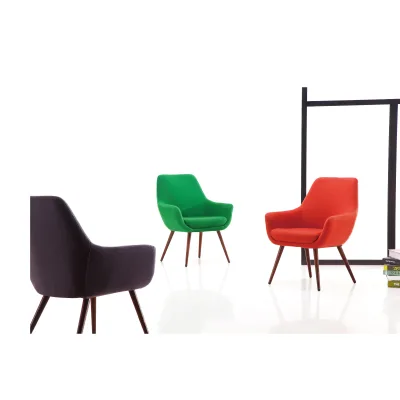
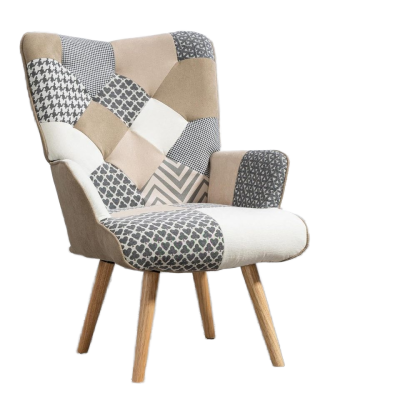



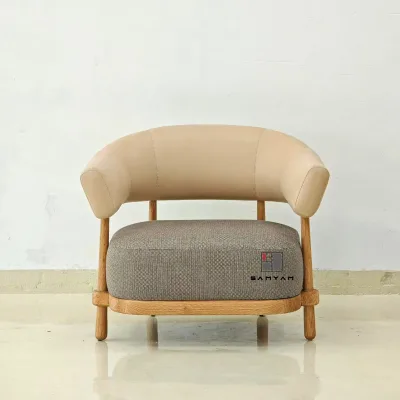
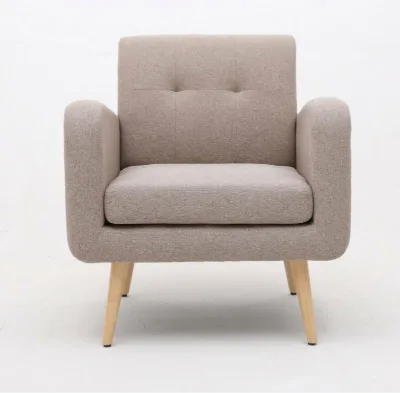
Comprehensive Sourcing Guide
Modern Sherpa Armchair Sourcing Guide
Sourcing modern sherpa armchairs requires a nuanced understanding of the intersection between contemporary furniture design and specialized textile applications. The term "sherpa" typically refers to a plush, high-pile fabric that mimics the texture of sheepskin, offering both aesthetic warmth and tactile comfort. Buyers must distinguish between genuine sherpa textiles and synthetic alternatives that may vary significantly in durability, maintenance requirements, and visual appeal. This distinction is critical when evaluating product listings, as manufacturers may use the term loosely to describe any soft, textured upholstery material.
The procurement process involves verifying the specific material composition and construction methods used by suppliers. While the core keyword suggests a focus on comfort and style, the underlying structural integrity of the chair must also be assessed. Buyers should prioritize suppliers who provide detailed specifications regarding the fabric weight, pile height, and backing materials. These factors directly influence the chair’s longevity and suitability for high-traffic environments, ensuring that the final product meets both aesthetic expectations and functional demands.
Product Scope and Observed Listing Signals
Current market listings for modern armchairs reveal a diverse range of styles, materials, and applications that buyers must navigate carefully. Observed data indicates a price range from 10 to 1307 USD, with minimum order quantities varying between 1 and 250 units. This wide variance suggests that the market includes both low-cost, mass-produced items and higher-end, custom-manufactured pieces. Buyers should analyze these signals to determine their target segment, whether it be budget-friendly residential furniture or premium commercial-grade seating solutions.
Specific product attributes observed in listings include materials such as fabric, metal, and wood, with filling materials often specified as sponge. Common applications listed for these chairs include living rooms, home offices, bedrooms, and villas. Some models feature specific design elements like tufting, reclining mechanisms, or adjustable features, while others are static leisure chairs. The presence of customization options and OEM services indicates that many manufacturers are willing to tailor products to specific buyer requirements, allowing for greater flexibility in branding and design specifications.
Technical Specifications to Verify
When evaluating technical specifications, buyers must focus on dimensions, structural components, and material densities to ensure compatibility with their intended use. Observed sizes for similar modern chairs range from 657075cm to 657595cm, with some models adhering to standard dimensions like 550500800mm. It is essential to verify that the chair’s footprint fits the designated space, considering both the chair’s dimensions and the required clearance for movement. Additionally, the type of legs, whether wood or metal, impacts both the aesthetic and the stability of the unit.
Material specifications are equally critical, with sponge density often cited as a key performance indicator. High-density sponge options, such as D40 or D50, are preferred for maintaining shape and comfort over time. Buyers should request detailed information on the filling material’s resilience and the cover material’s composition. For chairs with fabric covers, understanding the weave, stain resistance, and ease of cleaning is vital. If the product involves wooden or metal frames, verifying the finish quality and joint construction will help prevent premature wear and structural failure.
Compliance and Safety Documentation
Compliance with safety and quality standards is non-negotiable for modern furniture procurement, particularly when sourcing from international manufacturers. Buyers must ensure that suppliers provide relevant documentation, such as material safety data sheets and flammability test reports, especially for upholstered items. While specific certification statuses were not explicitly detailed in the observed data, it is imperative to verify that the products meet the regulatory requirements of the destination market. This includes checking for compliance with local fire safety codes and chemical restriction regulations.
Warranty terms also serve as an indicator of manufacturer confidence in product quality. Observed listings mention a one-year warranty, which is a standard baseline for many furniture items. Buyers should clarify the scope of this warranty, including coverage for structural defects, fabric wear, and mechanical components. Additionally, understanding the return and replacement policies is crucial for mitigating risk. Suppliers offering OEM services should be required to adhere to strict quality control protocols to ensure that customized products meet the same safety and durability standards as their standard offerings.
Cost Drivers and Commercial Terms
Understanding the cost drivers behind modern armchair pricing helps buyers negotiate better terms and avoid unexpected expenses. The observed price range of 10 to 1307 USD is influenced by factors such as material quality, design complexity, and order volume. High-density sponge, premium fabrics, and solid wood or metal frames typically command higher prices. Buyers should request detailed cost breakdowns to understand how these factors impact the final unit price. Additionally, the availability of customization options may incur additional fees, which should be factored into the overall budget.
Commercial terms, including lead times and payment conditions, play a significant role in the procurement process. Observed lead times range from 30 to 45 days after receiving a deposit, which is typical for manufactured goods. Buyers should plan their inventory accordingly to avoid stockouts or delays. Payment terms often involve an initial deposit followed by balance payments upon completion or shipment. It is advisable to negotiate favorable terms, such as partial shipments or extended payment periods, to improve cash flow management and reduce financial risk.
Supplier Qualification and Quality Control
Supplier qualification is a critical step in ensuring the reliability and consistency of the sourced products. Buyers should verify the supplier’s business type, with many observed listings indicating a manufacturing base rather than a trading company. This distinction is important for ensuring direct access to production capabilities and better control over quality. Suppliers located in regions like Guangdong and Foshan, China, are known for their furniture manufacturing expertise, but buyers should still conduct thorough due diligence to assess their operational capacity and financial stability.
Quality control measures should be established before placing large orders. Buyers should request samples to evaluate the product’s build quality, material feel, and overall finish. Observations indicate that samples can be provided for a charge, which is a common practice. Additionally, suppliers offering OEM services should demonstrate their ability to maintain consistency across customized orders. Implementing pre-shipment inspections and defining clear quality acceptance criteria will help minimize the risk of receiving defective or non-conforming products, ensuring that the final shipment meets the buyer’s expectations.
Long-Term Procurement Checks
Long-term procurement success depends on establishing strong relationships with suppliers and implementing continuous improvement processes. Buyers should regularly review supplier performance metrics, including on-time delivery rates, product quality consistency, and responsiveness to issues. Maintaining open communication channels and providing constructive feedback can help suppliers align their production processes with the buyer’s evolving needs. Additionally, staying informed about market trends and material innovations can help buyers make informed decisions about future purchases and product upgrades.
Sustainability and ethical sourcing practices are increasingly important considerations for modern buyers. While specific environmental certifications were not detailed in the observed data, buyers should inquire about the supplier’s commitment to sustainable materials and responsible manufacturing practices. This includes verifying the source of raw materials, such as wood and fabrics, and ensuring that production processes minimize waste and environmental impact. By prioritizing suppliers who demonstrate a strong commitment to sustainability, buyers can enhance their brand reputation and meet the growing demand for ethically produced furniture.
FAQs
What materials are used in the Modern Sherpa Armchair?
The Modern Sherpa Armchair is constructed using fabric and metal materials with a sponge filling. The cover material is listed as other, while the legs may be made of wood. High-density sponge D40 or D50 is used for comfort. These materials ensure durability and a modern aesthetic suitable for various interior settings.
Can the Modern Sherpa Armchair be customized?
Yes, customization is available for the Modern Sherpa Armchair. Buyers can select from hundreds of color options including brown, dark gray, white, and green. The product supports OEM service and allows for specific design adjustments. This flexibility ensures the chair meets unique branding or interior design requirements for residential or commercial spaces.
What is the lead time for ordering modern sherpa armchairs?
The lead time for the Modern Sherpa Armchair is 30 to 45 days after receiving the deposit. This timeframe applies to standard manufacturing processes. Buyers should plan their inventory accordingly to account for this production period. Samples can be provided for a charge, which helps verify quality before full-scale production begins.
Where are the modern sherpa armchairs manufactured?
The modern sherpa armchairs are manufactured in Guangdong, China, with a specific origin noted as Foshan. This region is known for its furniture production capabilities. The products are designed for global export, ensuring they meet international standards for quality and safety. Buyers can rely on this established manufacturing hub for consistent supply.
What are the dimensions of the Modern Sherpa Armchair?
The Modern Sherpa Armchair comes in various sizes, including 65*70*75cm and 65*75*95cm. Some models have a standard size of 550*500*800mm. These dimensions are suitable for living rooms, home offices, and bedrooms. The compact design ensures it fits well in various spaces while providing comfortable seating for users.
What warranty is provided for the Modern Sherpa Armchair?
A one-year warranty is provided for the Modern Sherpa Armchair. This covers manufacturing defects and ensures product reliability. The warranty applies to the structural integrity and material quality. Buyers can purchase with confidence, knowing that support is available for any issues arising during the first year of use.