Source Adjustable Foldable Event Table for Hotels, Bars, and Banquets
Find 30 Adjustable Foldable Event Table options from Chinese manufacturers. Compare specifications like metal construction, square shapes, and custom logos. Ideal for hotel banquets, restaurants, and outdoor events with varying MOQs and delivery times; compare the available evidence and request quotations based on your requirements.
Updated
Key considerations
Products List
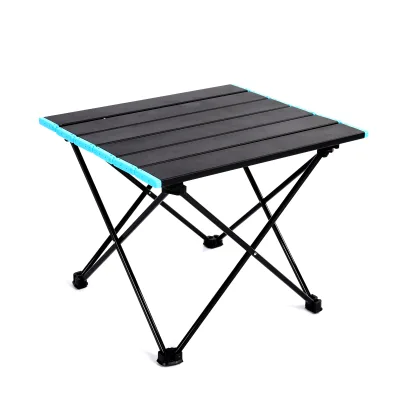


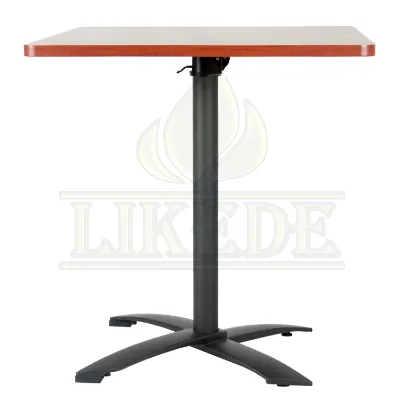





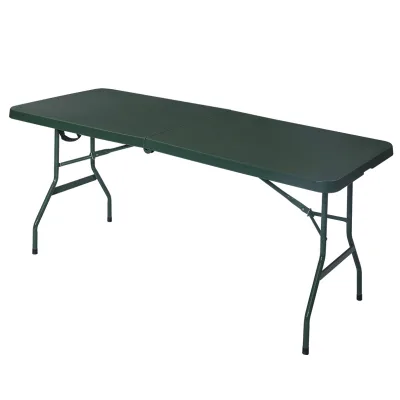
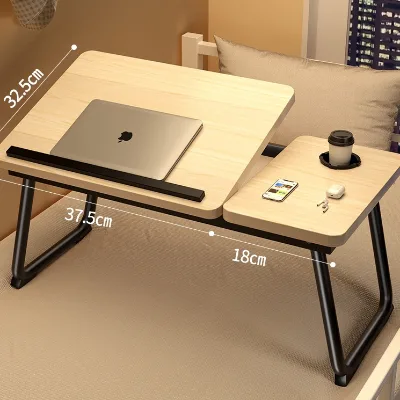
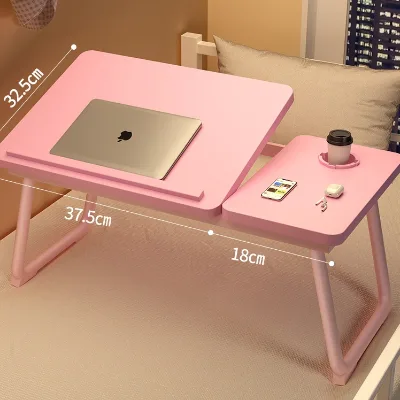
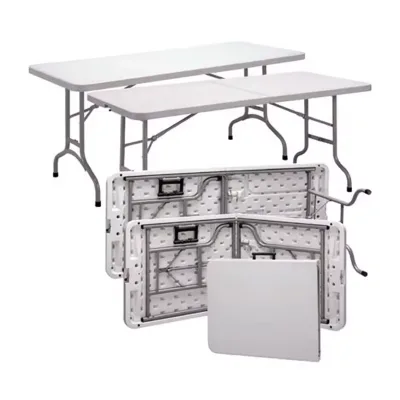
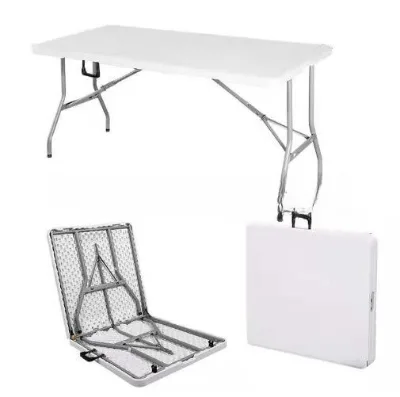
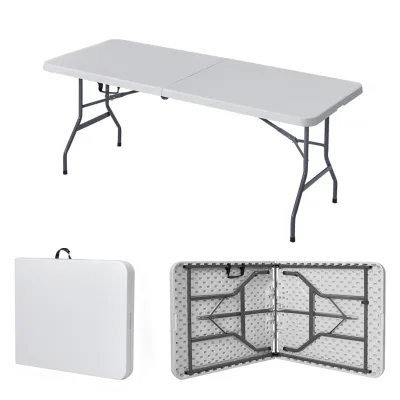


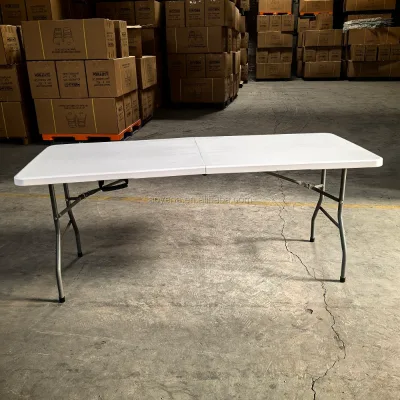
Durable Lightweight Folding Rectangle Plastic Table for Outdoor Events
$18.00 - $20.00
MOQ: 200 Pieces


Comprehensive Sourcing Guide
Adjustable Foldable Event Table Sourcing Guide
Procuring adjustable foldable event tables requires a strategic approach that balances structural integrity with logistical efficiency. Buyers must prioritize suppliers who demonstrate consistent manufacturing capabilities, particularly those located in established industrial hubs like Zhejiang or Tianjin in China. These regions often provide access to specialized metalworking and upholstery facilities, ensuring that the core components meet rigorous durability standards. Understanding the specific material composition, such as the use of metal frames and high-density foam cushions, is essential for evaluating long-term value.
The sourcing process also demands careful attention to customization options and branding requirements. Many manufacturers offer customized logos and color variations, allowing businesses to align the furniture with their corporate identity or event themes. However, buyers should verify the extent of these customizations, including fabric color availability and structural design styles, to ensure they meet the specific aesthetic and functional needs of their target market. This level of detail ensures that the final product not only performs well but also enhances the visual appeal of the event space.
Product Scope and Observed Listing Signals
The current market for adjustable foldable event tables presents a diverse range of options, with observed prices ranging from $7.4 to $89 USD. This wide variance suggests significant differences in material quality, brand positioning, and included features such as cushioning or specific design styles. Buyers should note that minimum order quantities (MOQs) typically range from 1 to 500 pieces, with some suppliers requiring a baseline of 100 or 500 units. This flexibility allows both small-scale event planners and large-scale hospitality providers to find suitable procurement models, though higher volumes may unlock better pricing tiers.
Listing signals indicate a strong emphasis on versatility and modern design aesthetics. Products are frequently described with attributes such as "Chinese design style," "modern style," and specific shapes like square or rectangular forms. The presence of features like stackable packing and export-standard packaging highlights the logistical considerations inherent in this category. Buyers should pay close attention to these signals, as they often correlate with the ease of storage and transportation, which are critical for event management companies that need to deploy and retrieve furniture rapidly.
Technical Specifications to Verify
When evaluating technical specifications, buyers must scrutinize the dimensional accuracy and structural stability of the tables. Observed data includes storage sizes around 554146CM and specific dimensions like 6060cm or 8888cm for the tabletops. It is crucial to verify the tube size and leg diameter, with some listings noting a leg diameter of 673mm, which may indicate a specific structural design or a potential data anomaly that requires clarification. Confirming the height, often listed around 92cm, ensures compatibility with standard event setups and user comfort.
Material composition and weight are equally important factors in determining durability and handling ease. The frames are typically constructed from metal, providing the necessary strength for banquet and hotel use, while cushions may feature fabric covers and high-density foam for comfort. Weight variations, such as 1425g or 6kg net weight, impact shipping costs and manual handling requirements. Buyers should request detailed material certificates and weight specifications to ensure the tables can withstand the intended load and frequency of use without compromising safety or performance.
Compliance and Safety Documentation
Safety and compliance are paramount when sourcing furniture for public or commercial spaces. Buyers should insist on documentation that verifies the structural integrity of the metal frames and the fire retardancy of the fabric cushions. Although specific certification names are not provided in the initial data, suppliers should be able to produce test reports demonstrating that the materials meet relevant international safety standards for commercial furniture. This includes checks for stability under load and the non-toxic nature of the foam and fabric materials.
Warranty and guarantee terms also serve as indicators of supplier confidence in their product quality. Listings mention warranties ranging from 1 to 3 years, which suggests varying levels of expected product lifespan and support. Buyers should clearly define the scope of these warranties, including coverage for structural failures, fabric wear, and cushion degradation. Understanding these terms helps in calculating the total cost of ownership and ensures that any defects are addressed promptly, minimizing downtime for critical events.
Cost Drivers and Commercial Terms
Several key factors influence the final cost of adjustable foldable event tables, including material selection, customization complexity, and order volume. The use of high-quality metal and high-density foam naturally increases production costs, while customized logos and specific color options may incur additional setup fees. Buyers should analyze the price-to-feature ratio carefully, considering that lower prices might correlate with thinner materials or less robust construction. Understanding these cost drivers allows for more accurate budgeting and negotiation strategies.
Commercial terms such as payment methods, lead times, and shipping logistics also play a significant role in the overall procurement cost. Typical payment terms include TT (Telegraphic Transfer), and lead times are often cited as 10-15 days after receiving the deposit. Shipping ports like Tianjin are common, and buyers should factor in freight costs and import duties into their total budget. Clear communication regarding these terms helps prevent unexpected expenses and ensures that the procurement timeline aligns with event schedules.
Supplier Qualification and Quality Control
Supplier qualification is a critical step in mitigating procurement risks. Buyers should verify the business type of the supplier, preferring manufacturers over trading companies to ensure better control over quality and pricing. Checking the supplier's production capacity, quality control processes, and past performance in similar markets, such as global hospitality or event sectors, provides insight into their reliability. Suppliers with a history of exporting to diverse markets are often more adept at handling international compliance and logistics challenges.
Quality control measures should be explicitly defined in the purchase agreement. This includes pre-production samples, in-process inspections, and final random inspections before shipment. Buyers should request detailed inspection reports that cover dimensional accuracy, material thickness, and finish quality. Establishing a clear quality standard, such as "High Quality" as noted in some listings, helps in setting expectations and provides a basis for rejecting non-conforming goods. Effective quality control ensures that the delivered products meet the specified requirements and perform as expected.
Long-Term Procurement Checks
Long-term procurement success depends on establishing a sustainable relationship with reliable suppliers. Buyers should conduct periodic performance reviews, assessing factors such as delivery consistency, product durability, and after-sales support. Monitoring the supplier's ability to maintain quality over multiple orders is essential, as inconsistencies can disrupt event operations and damage brand reputation. Building a strong partnership with a supplier who understands your specific needs can lead to better pricing, priority production, and improved service levels.
Continuous market monitoring is also vital for staying competitive. Buyers should keep an eye on emerging trends in event furniture, such as new materials, designs, or sustainability initiatives. Regularly reviewing supplier offerings and comparing them against market benchmarks helps in identifying opportunities for cost savings or product upgrades. By maintaining a proactive approach to supplier management and market analysis, buyers can ensure that their procurement strategy remains aligned with evolving business needs and customer expectations.
FAQs
What are the standard dimensions for the folding table?
The standard table size is 60 by 60 centimeters with a tube size of 88 by 88 centimeters. The height measures 92 centimeters, providing a comfortable working level. The storage size is 55 by 41 by 46 centimeters for easy transport. These dimensions support various event setups and banquet arrangements effectively.
Can the table surface be customized with a specific logo?
Yes, customized logos are available for this product. The brand name Junda offers personalized branding options for bulk orders. This customization allows businesses to enhance their event presence. Buyers can request specific designs to match their corporate identity or event theme requirements.
What is the minimum order quantity for this table?
The minimum order quantity is 100 pieces for standard orders. Some listings indicate a higher threshold of 500 pieces for specific configurations. This flexibility accommodates different procurement scales. Buyers should confirm the exact MOQ with the manufacturer before placing an order.
How long does delivery take after payment?
Delivery typically takes 10 to 15 days after receiving the deposit. The payment term is usually T/T. The load port is Tianjin, China. This lead time allows for efficient production and shipping planning. Buyers should account for transit time when scheduling their events.
What material is used for the table construction?
The table is constructed from metal, ensuring durability and stability. The cushion is made of fabric with high-density foam for comfort. The shape is square, and the style is modern. This combination provides a sturdy yet elegant solution for hotel, banquet, and restaurant events.
Is the table suitable for outdoor use?
Yes, the product is designed for outdoor usage. It is suitable for various applications including parks, courtyards, and outdoor events. The metal construction and fabric cushion provide resilience. Buyers should verify specific weather resistance details with the supplier for long-term outdoor exposure.