Source Modern Simple Cheese Planer for Slicing, Grating, and Serving
Compare 30 listings for a Modern Simple Cheese Planer designed for slicing, grating, and serving various cheese types. Buyers can evaluate materials like stainless steel and ceramic, along with certifications such as CE and FDA, to find suitable kitchen supplies.
Key considerations
Products List

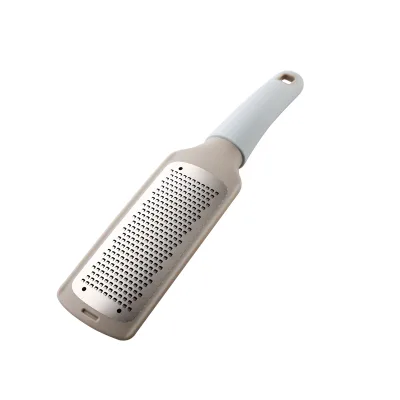


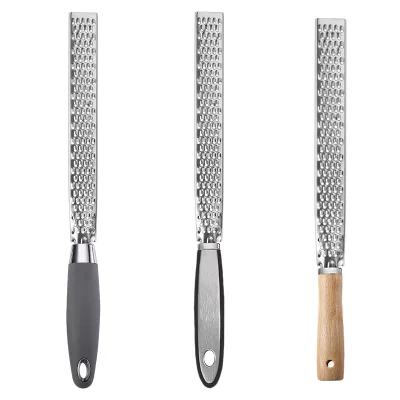
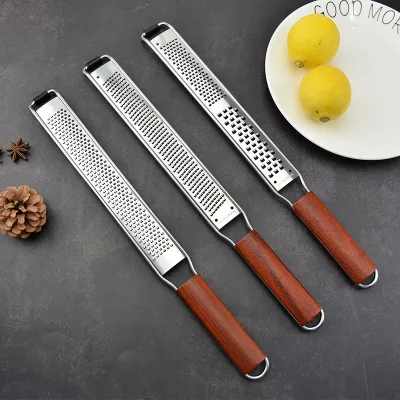
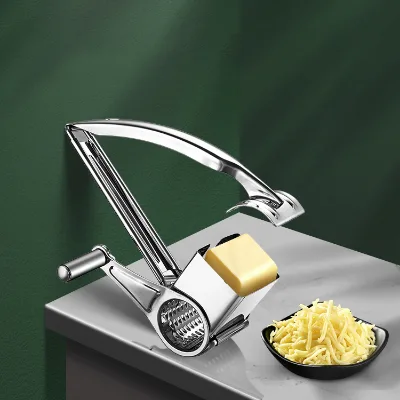


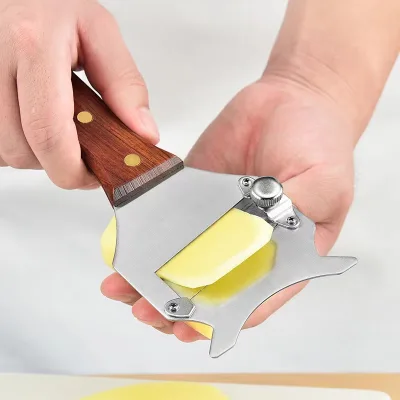
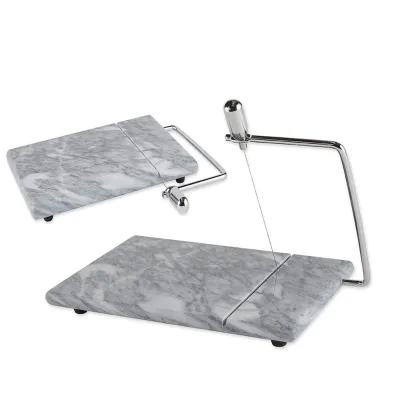
Stainless Steel Wire Cheese Slicer Cheese Plane Tool Adjustable Cheese Cutter
$1.20 - $1.24
MOQ: 806 Pieces


$23000.00 - $24000.00
MOQ: 1 Pieces






Comprehensive Sourcing Guide
Modern Simple Cheese Planer Sourcing Guide
Sourcing a Modern Simple Cheese Planer requires balancing aesthetic minimalism with functional durability, particularly for buyers targeting contemporary kitchenware markets. The observed product landscape reveals a diverse range of designs, from integral-type vegetable planers to specialized cheese slicers, indicating that "simple" often refers to ergonomic, single-piece construction rather than complex mechanical parts. Buyers must distinguish between general kitchen tools and dedicated cheese planers, as the latter often require specific blade geometries to handle varying cheese textures without crumbling or sticking.
Procurement strategies should focus on verifying the material composition, as observed listings frequently cite combinations of stainless steel and polypropylene (PP) or pure ceramic bodies. These materials offer distinct advantages in weight, corrosion resistance, and ease of cleaning, which are critical for consumer satisfaction. Understanding the specific model numbers and packaging standards, such as carton or safe package types, helps in calculating landed costs and storage efficiency, ensuring that the final product aligns with both brand identity and logistical constraints.
Product Scope and Observed Listing Signals
The current market signals indicate a strong presence of multi-functional kitchen tools that blur the line between vegetable peelers and cheese planers. Observed data highlights products labeled as "vegetable planers" or "cheese planers" with capacities under one liter, suggesting a compact form factor suitable for home use. The presence of certifications like CCC and CE alongside FDA and LFGB standards implies that many suppliers cater to both domestic Chinese markets and stringent international export requirements, providing buyers with options for different regional compliance needs.
Color variations such as pink, sky blue, and black are common, reflecting a trend toward personalized kitchen accessories. The observed single gross weights range around 0.250 kg, indicating lightweight designs that are easy to handle and ship. Buyers should note that while some listings mention "Eco-Friendly" features, the specific environmental claims should be verified against actual material recyclability and manufacturing processes, as these terms are often used broadly in product descriptions without detailed substantiation.
Technical Specifications to Verify
Technical verification must begin with blade finish and material integrity, as these directly impact slicing performance and longevity. Observed specifications mention satin polish or mirror polish finishes on metal blades, which can affect friction and cheese adherence. Buyers should confirm whether the blade is made from 304 stainless steel or other alloys, as this determines resistance to rust and acidic food reactions. Additionally, the total length of the planer, observed in listings ranging from 18.1 cm to 22 cm, should be matched to ergonomic expectations and storage space requirements.
The absence of temperature control or timing devices in many observed models confirms that these are manual tools, simplifying maintenance but requiring user skill. Packaging dimensions, such as 37x7.4x5.2 cm, are crucial for optimizing container load and reducing shipping costs. Buyers must also verify the "number of pieces" to ensure that the product is sold as a single unit or includes accessories like protective covers, which are often essential for safe handling and storage of sharp blades.
Compliance and Safety Documentation
Compliance documentation is a critical component of sourcing, especially when dealing with food-contact materials. The observed listings reference a wide array of certifications, including CE, EU, CIQ, EEC, FDA, and LFGB, which cover different regulatory frameworks for Europe, the United States, and China. Buyers must ensure that the specific model they intend to purchase holds the relevant certifications for their target market, as possessing one set of certifications does not automatically guarantee compliance in another region.
Safety features, such as blade guards or ergonomic handles, should be documented in the product specifications to mitigate liability risks. The observed warranty periods of six months suggest a standard industry expectation for durability, but buyers should negotiate longer terms for bulk orders to protect against manufacturing defects. Verifying that the materials used, such as PP and stainless steel, are food-grade and free from harmful substances like BPA is essential for maintaining brand reputation and adhering to global food safety standards.
Cost Drivers and Commercial Terms
Cost drivers for modern simple cheese planers are primarily influenced by material quality, blade finish complexity, and packaging requirements. The observed MOQ of 100 pieces indicates a relatively low barrier to entry for small buyers, allowing for flexible trial orders. However, bulk pricing may offer significant savings, so buyers should negotiate tiered pricing structures based on volume. The choice between OEM packaging and standard white boxes also impacts costs, as custom branding requires additional setup fees and minimum order quantities.
Lead times and shipping methods are other critical commercial terms. While specific lead times are not provided in the observed data, buyers should establish clear agreements on production schedules to avoid delays. The lightweight nature of these products, with single gross weights around 0.250 kg, makes them cost-effective to ship via air or express courier for small batches, while sea freight is more economical for larger volumes. Understanding these logistics helps in accurately calculating the landed cost and maintaining competitive retail pricing.
Supplier Qualification and Quality Control
Supplier qualification should focus on manufacturing capabilities and quality assurance processes. Buyers should verify that suppliers have experience in producing metal and plastic composite products, as seen in the observed material combinations of PP and stainless steel. Requesting samples is essential to assess the blade sharpness, handle comfort, and overall build quality. Suppliers with established certifications like CE and FDA are likely to have more robust internal quality control systems, reducing the risk of defective products.
Quality control checks should include visual inspections for surface defects, such as scratches on the mirror polish or uneven coloring on plastic parts. Functional tests, such as slicing a variety of cheeses, can reveal issues with blade alignment or handle stability. Buyers should also inspect the packaging for durability, ensuring that the product is protected during transit. Establishing a clear defect rate tolerance and a process for handling non-conforming goods is crucial for maintaining supply chain reliability.
Long-Term Procurement Checks
Long-term procurement success depends on continuous monitoring of supplier performance and market trends. Buyers should regularly review customer feedback to identify common issues, such as blade dulling or handle breakage, and address these with suppliers through corrective action plans. Staying updated on regulatory changes in target markets is also vital, as food safety standards and certification requirements can evolve, necessitating periodic re-verification of compliance documentation.
Building a strong relationship with suppliers can lead to better pricing, priority production, and access to new designs. Buyers should consider diversifying their supplier base to mitigate risks associated with single-source dependencies. Additionally, exploring opportunities for product customization, such as unique colors or branded packaging, can help differentiate the product in a competitive market. Regular audits and performance reviews ensure that suppliers continue to meet quality and delivery expectations, supporting sustainable growth.
FAQs
What materials are used in modern simple cheese planers?
Modern simple cheese planers typically use 304 stainless steel blades combined with PP handles for durability and safety. Some models feature ceramic blades for specific slicing needs. The body often integrates metal and plastic components to ensure a lightweight yet sturdy design suitable for frequent kitchen use and easy cleaning.
Can I customize the packaging for bulk orders?
Yes, customization is available for bulk orders. Suppliers offer options such as white boxes, OEM packaging, or safe carton packing. Buyers can specify branding or specific packaging requirements to align with their retail needs, ensuring the product arrives securely while maintaining a professional presentation for end consumers in various markets.
What certifications do these cheese planers hold?
These cheese planers commonly hold certifications including CE, FDA, LFGB, CIQ, and EEC. These standards ensure the product meets international safety and quality requirements for food contact materials. Buyers should verify specific certification documents with suppliers to confirm compliance with local regulations in their target export markets before finalizing procurement agreements.
What is the typical MOQ for these products?
The typical MOQ for these cheese planers is 100 pieces, though some suppliers may accept orders as low as 1 piece. Higher volumes often unlock better pricing tiers. Buyers should confirm the exact MOQ with the supplier, as it can vary based on customization requirements, packaging choices, and current production capacity constraints.
How are these cheese planers packaged for shipping?
These cheese planers are packaged in single white boxes, OEM packages, or safe cartons. The single package size is approximately 37x8x6 cm, with a gross weight of 0.250 kg. This compact packaging optimizes shipping volume and protects the product during transit, ensuring it arrives in pristine condition for retail distribution.
What warranty is provided for these kitchen tools?
A standard 6-month warranty is typically provided for these kitchen tools. This covers manufacturing defects and ensures product reliability. Buyers should review the specific warranty terms with the supplier, as coverage may vary based on the material used, such as stainless steel or ceramic, and the intended usage conditions in different markets.