Source Modern Simple Tall Ceramic Vase for Home Decor
Find a Modern Simple Tall Ceramic Vase for your sourcing needs. Compare 30 listings featuring glass and ceramic materials, various sizes, and customization options. Evaluate specifications like dimensions and finishes to select the ideal decorative piece for residential use; compare the available evidence and request quotations based on your requirements.
Key considerations
Products List


Minimalist Modern Large Ceramic Vase Flower Vase Decoration Pink Ceramic Flower Vase
$1.50 - $3.00
MOQ: 3000 Pieces

Black Decorative Vase Custom Color Ceramic Tall Vase Modern Flower Vase
$1.00 - $3.00
MOQ: 3000 Pieces

European Ceramic Vase Custom Modern Decorative Ceramic Vase Outdoor Indoor Tall Flower Vase
$1.50 - $3.00
MOQ: 3000 Pieces

High Quality Modern Ceramic Vase Custom Decorative Ceramic Vase Minimalist Ceramic Flower Vase
$1.50 - $3.00
MOQ: 3000 Pieces


Custom Ceramic Flower Vase Simple Gift Flower Vase Indoor Decoration Flower Vase
$1.00 - $3.00
MOQ: 3000 Pieces
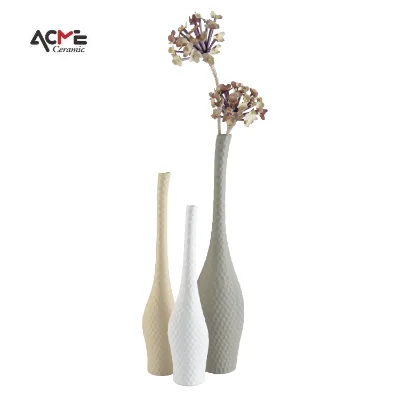
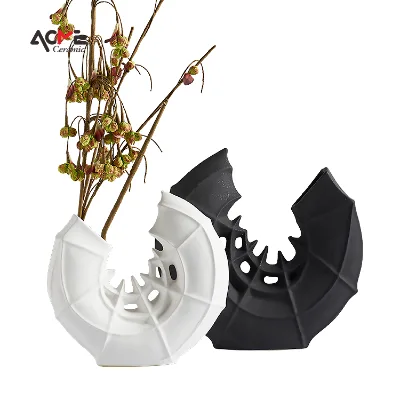
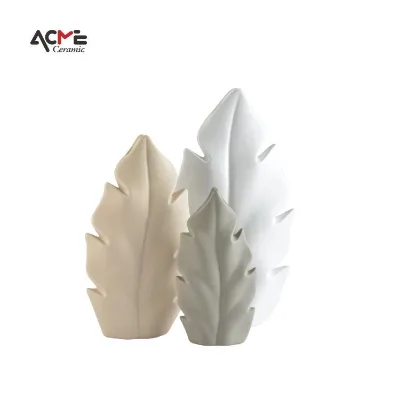
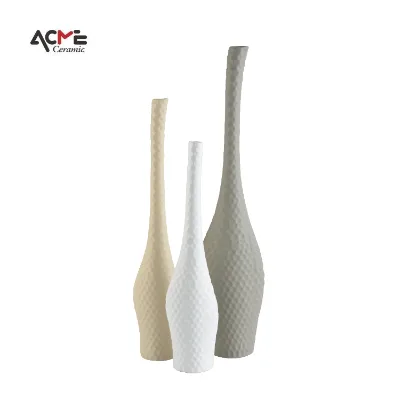
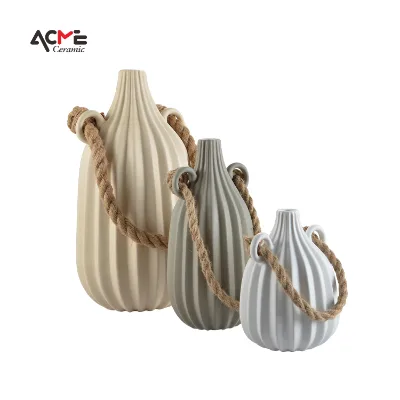

High Quality Decor Centerpiece Large Tall Glass Vases for Flowers Home Decor
$4.00 - $5.56
MOQ: 500 Pieces
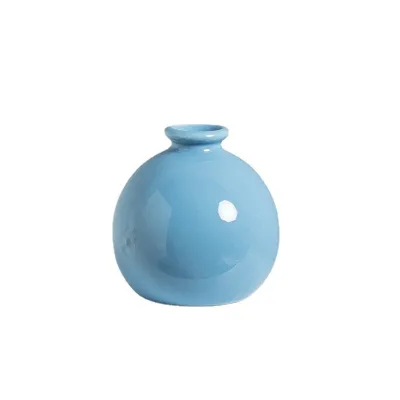


Comprehensive Sourcing Guide
Modern Simple Tall Ceramic Vase Sourcing Guide
Sourcing modern simple tall ceramic vases requires a nuanced understanding of material properties, aesthetic trends, and manufacturing capabilities. These decorative items serve as focal points in contemporary interior design, blending minimalist lines with functional elegance. Buyers must navigate a market where style, size, and finish significantly impact both cost and suitability for specific end-use environments. This guide provides evidence-based procurement strategies to ensure quality, compliance, and commercial viability.
The following sections detail critical verification steps, from technical specifications to supplier qualification. By focusing on observable listing signals and rigorous quality control measures, procurement teams can mitigate risks associated with fragile goods and complex customization requirements. This structured approach ensures that sourced products align with brand standards and customer expectations in the global home decor market.
Product Scope and Observed Listing Signals
The observed product landscape reveals a diverse range of ceramic and glass vases, with styles spanning from modern minimalism to Chinese classical designs. Key attributes include transparent or color-glazed finishes, with sizes categorized as small, medium, or large. Models such as SWH2022 and GA278-42K indicate specific dimensional standards, while others like GA434-16TB suggest varied height-to-diameter ratios. These variations allow buyers to select pieces that fit specific spatial constraints and aesthetic preferences, ensuring versatility in home decor applications.
Customization options are widely available, including OEM services and mold creation, which cater to branded retail needs. Processing methods range from blown glass to hand-made ceramic techniques, influencing both the tactile quality and production timeline. Stock availability is often limited, with sample times of 5-7 days and mass production periods extending up to 25 days. Buyers should verify these timelines early to align with inventory planning and seasonal launch schedules, avoiding delays in market entry.
Technical Specifications to Verify
Dimensional accuracy is paramount for tall vases, as slight deviations can affect stability and visual proportion. Standard sizes observed include heights of 20-42cm and diameters around 12-18cm, with specific models like CRHP406-407-408 offering medium dimensions of D18.3xH18cm. Buyers must confirm exact height and diameter measurements, as these impact packaging efficiency and shelf display requirements. Verifying these specs against design blueprints prevents mismatches in retail environments and ensures consistent product presentation across batches.
Finish and material composition also require strict verification. Options include clear, colored, or matte glazes on ceramic, porcelain, or glass substrates. The presence or absence of accessories and the type of packing—carton or pallet—directly influence handling and protection during transit. For fragile items like ceramics, confirming the robustness of packaging materials is essential to minimize breakage rates. Buyers should request detailed technical drawings and material certificates to validate these specifications before placing bulk orders.
Compliance and Safety Documentation
While specific certification statuses are not universally listed, buyers must ensure that ceramic and glass products comply with regional safety standards. For items intended for food or drink contact, lead and cadmium leaching tests are critical, even if the primary use is decorative. Buyers should verify that suppliers adhere to relevant international standards for ceramic ware, ensuring that glazes and finishes are non-toxic and durable. This due diligence protects brand reputation and avoids regulatory penalties in key markets like the EU and North America.
Documentation should also cover material safety data sheets (MSDS) for any chemical treatments used in glazing or finishing. For glass products, thermal shock resistance and impact strength may be relevant, depending on the intended use. Buyers must request test reports from accredited laboratories to validate these claims. Without such documentation, the risk of product liability increases significantly. Establishing clear compliance requirements in the purchase agreement ensures that suppliers provide necessary proof of safety and quality.
Cost Drivers and Commercial Terms
Pricing for modern ceramic vases varies based on material, complexity, and order volume. Observed price ranges span from $0.2 to $28, reflecting differences between simple glass pieces and intricate hand-made ceramics. Minimum order quantities (MOQs) typically range from 1 to 5,000 pieces, with some suppliers requiring higher volumes for custom molds. Buyers should negotiate tiered pricing structures to optimize costs for larger orders while maintaining flexibility for smaller, test batches. Understanding these cost drivers helps in budgeting and forecasting profit margins accurately.
Shipping and payment terms also impact the total landed cost. Options include sea or air freight, with lead times varying based on production complexity and logistics. Buyers should clarify Incoterms to determine responsibility for shipping and insurance. Additionally, payment terms such as deposits and balance payments upon shipment should be negotiated to balance cash flow and risk. Clear commercial terms prevent unexpected expenses and ensure a smooth transaction process from order placement to delivery.
Supplier Qualification and Quality Control
Supplier qualification involves assessing manufacturing capabilities, quality management systems, and past performance. Buyers should verify that suppliers have experience in producing tall, fragile items, as this requires specialized handling and packaging techniques. Requesting references and conducting factory audits can provide insights into production consistency and quality control processes. Suppliers with OEM experience and mold-making capabilities offer greater flexibility for custom designs, which is crucial for branded products.
Quality control measures must be implemented at multiple stages, from raw material inspection to final packaging. Buyers should define clear acceptance criteria for defects, such as cracks, glaze imperfections, or dimensional inaccuracies. Implementing pre-shipment inspections (PSI) helps identify issues before goods leave the factory, reducing the risk of receiving non-conforming products. Establishing a robust QC protocol ensures that only high-quality vases reach the market, protecting brand integrity and customer satisfaction.
Long-Term Procurement Checks
Long-term success in sourcing ceramic vases depends on continuous supplier relationship management and market adaptation. Buyers should regularly review supplier performance metrics, including on-time delivery rates, defect rates, and responsiveness to issues. Building strong relationships with reliable suppliers ensures priority treatment during peak seasons and better negotiation leverage. Additionally, staying informed about emerging design trends and material innovations allows buyers to offer fresh, relevant products to their customers.
Sustainability and ethical sourcing are increasingly important considerations. Buyers should inquire about suppliers' environmental practices, such as energy-efficient production and waste reduction. Verifying that suppliers adhere to labor standards and ethical practices mitigates reputational risks. By integrating these long-term checks into the procurement strategy, buyers can build a resilient supply chain that supports growth and maintains high standards of quality and responsibility in the competitive home decor market.
FAQs
What materials are used for these vases?
The vases are primarily made of glass and ceramic porcelain. Some models feature a clear finish while others have color glazed or matte surfaces. These materials ensure durability for everyday home decorative use and collection purposes.
Can I customize the size and style?
Customization is available for these decorative items. You can choose from various sizes ranging from small to large dimensions. Styles include modern simple designs as well as Chinese classical aesthetics to suit different interior preferences.
What is the minimum order quantity required?
The minimum order quantity varies by product model. Some items require 500 pieces while others start at just one unit. Buyers should check specific product pages to confirm the exact MOQ before placing an order for bulk purchases.
How long does mass production take?
Mass production typically takes 25 days after sample approval. Sample time is usually between 5 to 7 days. Shipping can be arranged by sea or air depending on your urgency and destination requirements for the finished goods.
Are these vases suitable for home decoration?
Yes, these vases are suitable for home decoration and gift giving. They are designed for everyday use and collection. The available styles range from modern to classical, making them versatile additions to various interior spaces.
What packaging options are available for shipping?
Packaging options include cartons or safe cartons with pallets. This ensures the glass and ceramic items are protected during transit. The specific packing method depends on the product model and the volume of the order placed by the buyer.
Do you accept OEM orders for these products?
OEM orders are acceptable for these decorative vases. Manufacturers can produce items according to your specific design requirements. This allows buyers to create unique products while leveraging the existing production capabilities and material quality.