Source Wide Mouth Glass Mason Jar for Tea Food Storage
Find 30 Wide Mouth Glass Mason Jar options from Jiangsu and Zhejiang suppliers. Compare capacities from 4oz to 1000ml, certifications like CE and ISO, and customization availability for tea, food, and jam storage needs.
Key considerations
Products List


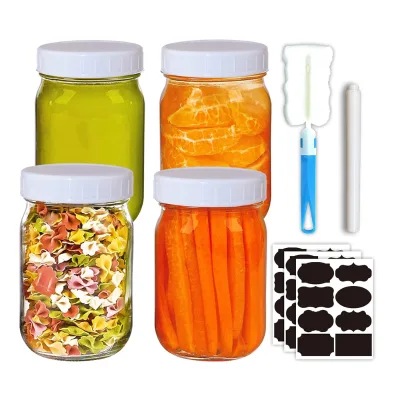
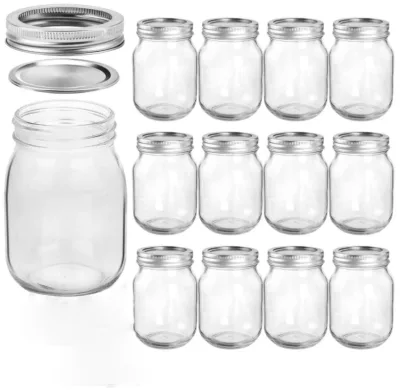


Comprehensive Sourcing Guide
Strategic Sourcing Guide for Wide Mouth Glass Mason Jars
Understanding Product Specifications and Variants
When sourcing wide mouth glass mason jars, buyers must first navigate a complex landscape of technical specifications that define the utility and compatibility of the product. The core keyword "Wide Mouth Glass Mason Jar" implies a specific geometry, but the actual market offers a diverse array of capacities and configurations. Based on observed product data, the available capacity standards vary significantly, ranging from small 4oz units to large 32oz and even 64oz containers. Specific models in the supply chain are designated by codes such as HMM-9-7 and HMM-9-6, which often correlate with specific standard size groups like 4oz, 8oz, 16oz, and 32oz.
Capacity is not the only defining metric; the material composition and volume measurements in milliliters provide critical data for international procurement. The market includes jars with capacities explicitly listed as 380ml, 480ml, 500ml, and 1000ml. For instance, a 480ml jar is frequently categorized under the Mason Jar attribute, while a 500ml variant is often associated with glass bottles or storage jars. It is essential for buyers to recognize that "Mason Jar" and "Glass Jar" are sometimes used interchangeably in product listings, yet they may refer to distinct manufacturing lines or regional naming conventions. The presence of a "Tank Container" type in the attribute list suggests that some suppliers may offer bulk transport solutions or specialized industrial packaging that differs from standard retail-sized jars.
The physical dimensions and mouth diameter are paramount for wide mouth applications, particularly for filling operations involving thick substances like jams, pickles, or bulk foods. The standard sizes observed, such as 4oz, 8oz, 16oz, and 32oz, represent a progression of volume that aligns with common consumer packaging needs. However, buyers must verify the exact mouth opening diameter for each specific model, as this dictates the type of lids and sealing mechanisms that can be used. The data indicates a mix of imperial (oz) and metric (ml) standards, requiring careful conversion and verification to ensure compatibility with existing filling machinery or consumer expectations.
Compliance, Certification, and Regulatory Standards
Navigating the regulatory landscape is a critical component of sourcing glass packaging, especially for food contact applications. The supply chain data highlights the presence of specific certifications that buyers should prioritize during the vetting process. Two primary certifications are explicitly mentioned in the product attributes: CE and ISO. The CE marking indicates conformity with health, safety, and environmental protection standards for products sold within the European Economic Area, which is a crucial requirement for exporters targeting European markets. The ISO certification, while often associated with quality management systems like ISO 9001, serves as a baseline indicator of a supplier's commitment to standardized processes.
Buyers must treat these certifications as observations of specific listings rather than universal guarantees for all products in the category. The presence of an ISO certification in the data suggests that some suppliers adhere to international quality management standards, but the specific version of the standard (e.g., ISO 9001:2015) should be verified directly with the manufacturer. Similarly, the CE mark must be validated against the specific product batch to ensure it covers the glass composition and any inks or coatings used on the jar.
In addition to formal certifications, the "Eco-Friendly" attribute is a significant selling point in the current market. This designation implies that the glass jars are manufactured with sustainability in mind, potentially utilizing recycled materials or energy-efficient production methods. However, without specific third-party verification data in the provided context, buyers should request detailed environmental impact reports or sustainability certifications from the supplier. The "Food Storage" and "Usage: Food" attributes further reinforce the necessity of food-grade compliance. Glass is inherently inert and safe for food contact, but the supplier must confirm that the glass meets local food safety regulations, such as FDA standards in the United States or EU Framework Regulation (EC) No 1935/2004.
Cost Drivers and Pricing Dynamics
The pricing structure for wide mouth glass mason jars is influenced by a combination of volume, customization, and logistical factors. The observed price range in the market spans from $0.10 to $5.00 USD per unit. This wide variance suggests that the final cost is highly dependent on the specific order parameters. The lower end of the spectrum likely corresponds to high-volume orders of standard, non-customized sizes, while the upper end may reflect smaller batches, custom branding, or specialized capacities like the 1000ml or 64oz variants.
Minimum Order Quantity (MOQ) is a primary driver of unit cost. The data indicates an MOQ range of 500 to 50,000 units. Orders falling within the lower MOQ bracket (500 units) will naturally incur a higher per-unit cost due to the fixed costs of production setup and logistics. Conversely, orders approaching the 50,000-unit threshold benefit from economies of scale, potentially bringing the unit price closer to the $0.10 mark. Buyers must balance their inventory needs with cash flow constraints to determine the optimal order size.
Customization is another significant cost factor. The product attributes list both "Customization: Available" and "Customized: Non-Customized" options, indicating that suppliers offer a spectrum of services. Customization can include branding, specific color tints, unique shapes, or tailored packaging solutions. While the "Customized: Customized" attribute confirms the availability of bespoke options, these services invariably add to the base cost of the jar. Buyers should anticipate a price premium for custom orders and factor this into their total landed cost calculations. Additionally, the packaging method, listed as "Carton/Pallet" or "International Standard Carton," impacts the shipping cost and potential damage rates, which indirectly influences the overall cost efficiency of the procurement.
Typical Applications and Usage Scenarios
Wide mouth glass mason jars serve a versatile range of applications, primarily driven by their utility in food storage and preservation. The "Usage: Tea, Food" and "Usage: Food" attributes confirm that these containers are designed for direct contact with consumable goods. The wide mouth design is particularly advantageous for filling and retrieving solid or semi-solid foods, making them ideal for products like jams, jellies, pickles, and sauces. The "Storage Jar: Jam Jelly Pudding Jar" attribute explicitly links these products to dessert and condiment applications.
Beyond food storage, the "Mug: Beverage" attribute suggests that some variants of these jars are repurposed or manufactured for beverage service. The wide mouth facilitates the addition of ice, fruit, or garnishes, making them suitable for cocktails, smoothies, or iced teas. The "Eco-Friendly" nature of glass makes these jars a preferred choice for sustainable brands looking to reduce plastic waste. The "Food Storage: 32oz" and "Food Storage: 1000ml" capacities indicate that these jars are also used for bulk storage, catering to both commercial kitchens and home preservation enthusiasts.
The "Medium-Sized Packaging Pot" attribute points to another potential use case in the cosmetics or personal care industry, where jars are used for creams, lotions, or balms. The glass material ensures product integrity and prevents chemical leaching, which is critical for sensitive formulations. The "Tank Container" type mentioned in the attributes may indicate a specialized application for industrial bulk transport, though this is less common for standard mason jars. Buyers should align their product selection with their specific end-use requirements, ensuring that the capacity and mouth diameter match the filling and dispensing needs of their operation.
Supplier Evaluation and Geographic Considerations
Evaluating suppliers for wide mouth glass mason jars requires a thorough assessment of their geographic location, production capabilities, and logistical reliability. The product data identifies three primary origins for these goods: Jiang Su China, Jiangsu China, and Xuzhou China, with a specific mention of Zhejiang, China (Mainland). These regions are known for their robust glass manufacturing industries, offering a concentration of suppliers with established expertise in glass production.
The distinction between "Jiang Su" and "Jiangsu" in the data likely refers to the same province, but buyers should verify the specific city or industrial zone to ensure accurate logistics planning. Xuzhou, in particular, is a major hub for glass manufacturing in China, known for its high-quality output and competitive pricing. Zhejiang is another significant province, often associated with a broader range of packaging solutions. Buyers should prioritize suppliers located in these established manufacturing clusters to ensure access to a reliable supply chain and consistent quality.
When evaluating suppliers, buyers should look for evidence of the "Customization: Available" capability. This indicates that the supplier has the flexibility to adapt their production lines to meet specific client needs. The "prod_packing" attributes, such as "Carton/Pallet" and "International Standard Carton," suggest that these suppliers are experienced in packaging goods for international shipment. Buyers should verify the supplier's ability to handle the specific packing requirements of their order, especially for fragile glass products. The "prod_model" codes (e.g., HMM-9-7, J-1-7, W-6-6) serve as unique identifiers for different product lines, and buyers should ensure that the supplier can consistently reproduce these models to maintain product consistency.
Quality Control and Long-Term Procurement Strategy
Ensuring the quality of wide mouth glass mason jars is paramount to preventing breakage, leakage, and customer dissatisfaction. The "Eco-Friendly" and "Food Storage" attributes imply a need for high-quality glass that is free from defects and safe for food contact. Buyers should implement a rigorous quality control (QC) process that includes visual inspections for bubbles, cracks, and uneven walls. The "International Standard Carton" packaging suggests that suppliers are aware of the need for protective packaging, but buyers should still verify the packing density and cushioning materials to minimize transit damage.
Long-term procurement considerations involve building a sustainable relationship with suppliers who can scale with the buyer's growth. The wide MOQ range (500-50,000) offers flexibility, but buyers should aim to negotiate favorable terms for recurring orders. The availability of "Customization" allows for brand differentiation, which can be a key competitive advantage in the long run. Buyers should also consider the environmental impact of their packaging choices, leveraging the "Eco-Friendly" attributes to appeal to environmentally conscious consumers.
The "prod_standard" attributes, such as "4oz 8oz 16oz 32oz" and "1000ml," provide a framework for standardization. By selecting a consistent set of standards, buyers can streamline their inventory management and reduce the complexity of their supply chain. The "Material: Plastic" attribute in the data is an anomaly for glass jars and may refer to lids or secondary packaging components; buyers must clarify the material composition of all parts to ensure compatibility and safety. Ultimately, a successful procurement strategy for wide mouth glass mason jars relies on a balance of technical precision, regulatory compliance, and strategic supplier partnerships.
FAQs
What certifications do wide mouth glass mason jars have?
Some listed products carry CE and ISO certifications. Buyers should verify these marks for specific batches as they indicate conformity with safety standards but are not guaranteed for every unit in the supply chain.
Which capacities are available for wide mouth glass mason jars?
Available capacities range from 4oz to 64oz, including specific models like 8oz, 16oz, 32oz, and metric equivalents such as 380ml, 480ml, 500ml, and 1000ml. The exact size depends on the specific product model selected.
Can I order customized wide mouth glass mason jars?
Customization is available for certain listings, allowing for bespoke branding or specific design requirements. However, some products are listed as non-customized, so buyers must confirm the customization status with the specific supplier.
What is the minimum order quantity for these jars?
The minimum order quantity ranges from 500 to 50,000 units depending on the supplier and product type. Lower MOQs typically result in higher per-unit costs, while larger orders benefit from economies of scale.
Where are wide mouth glass mason jars manufactured?
Products originate from manufacturing hubs in Jiangsu, Xuzhou, and Zhejiang, China. These regions are known for glass production, but buyers should verify the specific city and logistics details for each supplier.
How are wide mouth glass mason jars packaged for shipping?
Packaging options include carton, pallet, and international standard carton configurations. The specific packing method affects shipping costs and protection levels, so buyers should confirm the packaging details before placing an order.