Source Hair Styling Gel for kids, short hair, and edge control
Find 30 verified suppliers offering Hair Styling Gel in various forms like gel, spray, and wax. Compare specifications including hold strength, volume, and certifications to select the right product for multilevel or short hair needs.
Key considerations
Products List





Comprehensive Sourcing Guide
Strategic Sourcing Guide for Hair Styling Gel Procurement
The global market for hair styling products has evolved significantly, with Hair Styling Gel representing a critical segment for both mass-market retailers and specialized beauty distributors. Sourcing this category requires a disciplined approach that balances aesthetic performance with rigorous supply chain verification. Buyers must navigate a landscape defined by diverse product forms, varying regulatory standards, and complex customization requirements. This guide outlines the essential parameters for evaluating suppliers and selecting products that meet specific commercial and technical criteria, ensuring that procurement decisions are grounded in observable facts rather than unverified marketing claims.
Technical Specifications and Product Formulation
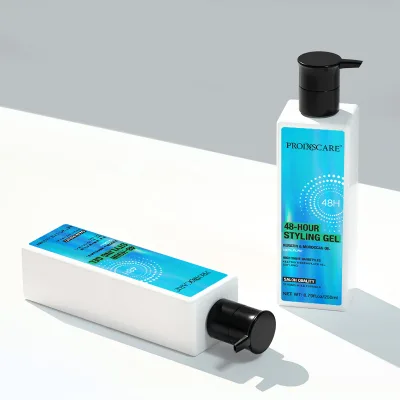
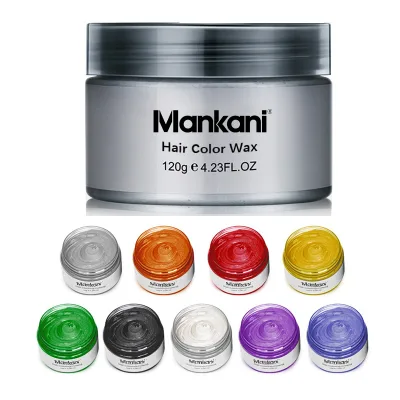
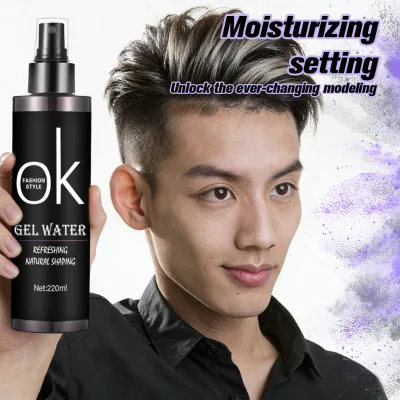
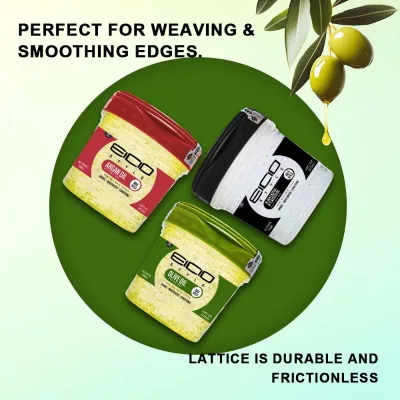
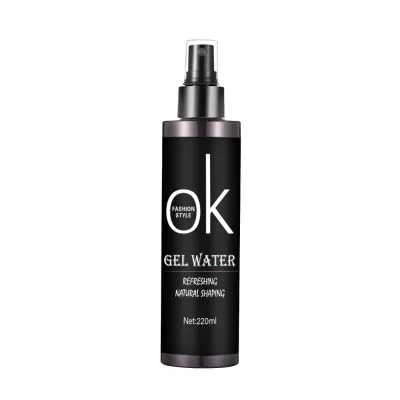
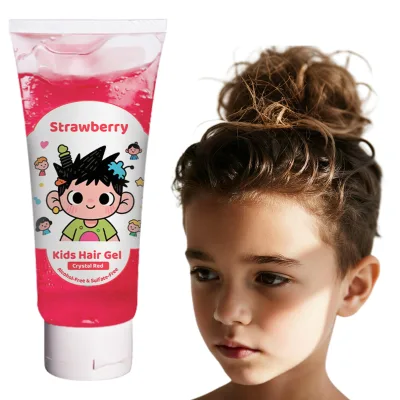
Understanding the technical specifications of Hair Styling Gel is the first step in defining procurement requirements. The market offers a wide array of formulations, ranging from traditional gels to waxes and sprays, each serving distinct styling needs. Based on observed product data, the primary forms available include Gel, Wax, and Spray. The "Gel" form is particularly prevalent, often associated with strong hold capabilities and specific texturizing effects. Buyers should note that product models vary significantly, including specific iterations such as "Hair Edge Control Gel," "Olive Oil Hair Gel," and "Kids Hair Gel." These model names often indicate the target demographic or the specific functional focus of the product.
The physical attributes of the product are equally critical. Standard packaging sizes observed in the market range from small sample units of 15g to larger commercial containers of 300g. Specific standard weights and volumes include 100g, 125ml, 260ml, 80ml, 75g, and 67g. The "Hair Finish Stick-03" and "Hair Wax Stick" represent solid formats, typically weighing 15g and 75g respectively. When sourcing, procurement teams must verify the exact volume or weight against their packaging requirements, as the "prod_standard" field often dictates the unit economics and shipping logistics.
Furthermore, the functional attributes of the gel define its market positioning. The "styling effect" is a crucial differentiator, with products offering Anti-Frizz, Texturizing, Molding/Shaping, Matte/Natural Look, and Shine/Gloss properties. Hold strength is another key variable; while some products are explicitly labeled with "Strong Hold," others may list "Not Specified" or "Moderate" hold. The "Effects" attribute can range from "Natural" to "Strongest," influencing the suitability of the product for different hair types, including "Multilevel Hair" or "Short Hair." Ingredients also play a role, with some formulations highlighting "Herbal" components, which may appeal to specific consumer segments seeking natural alternatives.
Compliance, Certification, and Regulatory Standards
In the cosmetics and personal care industry, compliance is non-negotiable. Suppliers must demonstrate adherence to international manufacturing standards to ensure product safety and market access. The supply chain data indicates that reputable manufacturers often hold certifications such as GMPC (Good Manufacturing Practice for Cosmetics), ISO22716, and Sedex. These certifications are critical indicators of a supplier's commitment to quality management systems and ethical sourcing practices. For instance, a supplier listing "GMPC&ISO22716&Sedex" suggests a comprehensive approach to quality and social responsibility, whereas others may only list "GMPC/ISO22716."
Buyers must verify the validity of these certifications before placing orders. While some background data mentions CE certification, this should be treated with caution as it is not a primary standard for cosmetics in the same manner as GMPC or ISO22716. The primary focus should remain on the specific cosmetic manufacturing standards. Additionally, the origin of the product is a significant factor in compliance. The majority of the observed products originate from China, with specific manufacturing hubs identified in Guangzhou and Guangdong. Understanding the regional regulatory environment of the origin country is essential for importers, as it affects the documentation required for customs clearance and market entry.
When evaluating a supplier, procurement teams should request current copies of their certificates. It is important to note that certification status is not static; a supplier may hold these credentials at the time of inquiry but could face lapses if not actively managed. Therefore, the verification process should include a request for the certificate expiration dates and the scope of the certification to ensure it covers the specific product lines being sourced.
Cost Drivers and Pricing Dynamics
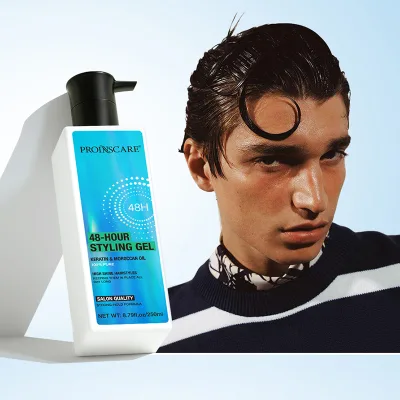
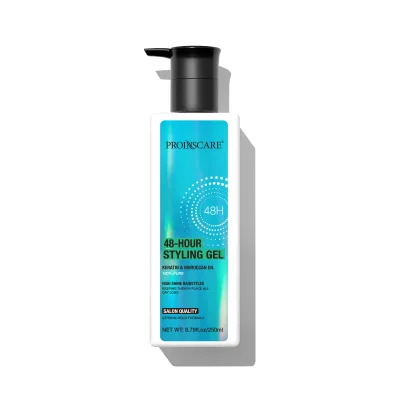
The pricing structure for Hair Styling Gel is influenced by several interconnected factors, including product formulation, packaging complexity, and order volume. The observed price range in the market spans from $0.30 to $4.50 USD per unit. This wide variance reflects differences in ingredient quality, brand positioning, and the level of customization required. For example, a basic "Hair Wax Stick" or a standard "Kids Hair Gel" may fall at the lower end of the spectrum, while a specialized "48-hour Styling Hair Gel" with herbal ingredients and premium packaging may command a higher price point.
Minimum Order Quantity (MOQ) is another significant cost driver. The observed MOQ range is extensive, spanning from 2 units to 5,000 units. This flexibility allows buyers to scale their orders based on their immediate needs and cash flow constraints. Small retailers or those testing new product lines may opt for lower MOQs, while large distributors might leverage higher volumes to negotiate better unit prices. The packaging configuration also impacts cost; products shipped in "Color Box Packing" or "Cartons" with specific parcel configurations (e.g., 5PCS/Parcel, 30PCS/Small) incur different logistics costs compared to bulk unpackaged goods.
Buyers should also consider the cost implications of customization. The availability of "OEM" (Original Equipment Manufacturer) and "ODM" (Original Design Manufacturer) services is a key feature of this market. Customization allows for branding, specific ingredient requests, and unique packaging designs, but it often incurs additional setup costs and may require higher MOQs. The "Sample Lead Time" of 3-5 days suggests that the supply chain is relatively agile, but buyers must factor in the cost of samples and the time required for product testing before committing to large-scale production.
Typical Applications and Market Segmentation
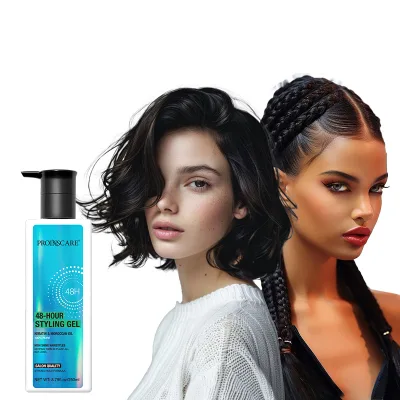
Hair Styling Gel serves a diverse range of applications, catering to various consumer demographics and styling preferences. The "For" attribute in product specifications highlights that these products are designed for "Multilevel Hair" and "Short Hair," indicating versatility in application. The "age group" is generally listed as "All," suggesting that the core formulations are suitable for a broad audience, though specific models like "Kids Hair Gel" are tailored for younger users with potentially milder formulations.
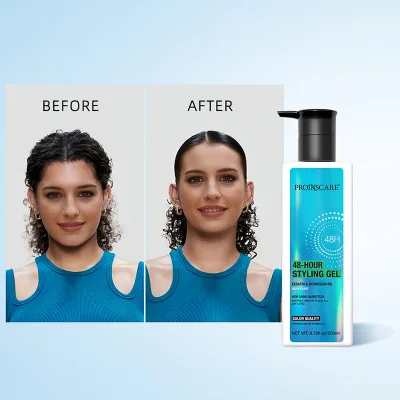
The functional applications of the gel are defined by its styling effects. Products with "Strong Hold" and "Anti-Frizz" properties are ideal for users requiring long-lasting styles in humid conditions. Conversely, products offering a "Matte/Natural Look" or "Natural" effects appeal to consumers seeking a less rigid, more organic aesthetic. The "Function-1" attribute, which includes "Control Style, Tame Flyaways And Frizz," underscores the practical utility of these products in everyday grooming routines.
Different product models target specific niches. "Hair Edge Control Gel" is designed for precise styling around the hairline, while "Hair Styling Spray" offers a lighter, more flexible hold for volumizing. The "Hair Finish Stick" provides a targeted application for touch-ups. Understanding these specific applications helps buyers align their procurement with the needs of their target market. For instance, a retailer focusing on professional salons might prioritize products with "Strongest" effects and professional-grade packaging, while a mass-market distributor might focus on affordable, multi-use gels with broad appeal.
Supplier Evaluation and Quality Control
Selecting the right supplier is paramount to ensuring product consistency and supply chain reliability. The data indicates that suppliers offering "OEM ODM" services and "Customization" options are more likely to meet specific buyer requirements. When evaluating potential partners, buyers should assess the supplier's production capacity, quality control processes, and ability to meet lead times. The "Sample Lead Time" of 3-5 days is a positive indicator of operational efficiency, but buyers must also verify the production lead time for bulk orders.
Quality control should be a central component of the supplier evaluation process. Buyers should request detailed information on the manufacturing process, including raw material sourcing and in-process testing. The presence of certifications like GMPC and ISO22716 is a strong indicator of a robust quality management system. However, buyers should not rely solely on these certifications; they should also conduct their own quality audits or hire third-party inspection agencies to verify that the products meet the specified standards.
The "Qty/CTN" (Quantity per Carton) is another metric to consider during supplier evaluation. A standard of 48 units per carton, as observed in some product listings, helps in planning logistics and storage. Buyers should ensure that the supplier can consistently meet these packaging standards to avoid discrepancies in inventory management. Additionally, the "prod_packing" details, such as "Box," "Color Box Packing," or "Cartons," must align with the buyer's retail requirements to ensure the product is presented correctly to the end consumer.
Long-Term Procurement Considerations
Sourcing Hair Styling Gel is not merely a transactional activity but a strategic partnership that requires long-term planning. Buyers should consider the scalability of the supplier's operations, their ability to innovate with new formulations, and their responsiveness to market trends. The availability of "Free Sample" options is a valuable tool for initial testing, but the transition from sample to bulk production requires careful management of specifications and quality benchmarks.
Sustainability and ethical sourcing are becoming increasingly important in the beauty industry. The mention of "Sedex" certification suggests that some suppliers are committed to ethical labor practices and supply chain transparency. Buyers should prioritize suppliers who demonstrate a commitment to sustainability, as this aligns with growing consumer demand for responsible products. Furthermore, the "Herbal" ingredient trend indicates a shift towards natural formulations, and buyers should stay informed about emerging ingredient technologies to remain competitive.
Finally, buyers must establish clear communication channels with their suppliers to manage any potential disruptions. The "place of origin" being China, specifically Guangzhou and Guangdong, means that logistics and geopolitical factors can impact the supply chain. Establishing a diversified supplier base and maintaining a buffer stock can mitigate these risks. By focusing on technical specifications, compliance, cost drivers, and supplier reliability, buyers can build a resilient procurement strategy that ensures a steady supply of high-quality Hair Styling Gel products.
Comparative Analysis of Product Attributes
To facilitate decision-making, the following table summarizes key product attributes observed in the market, highlighting the diversity available to buyers.
| Attribute Category | Observed Values | Procurement Implication |
|---|---|---|
| Form | Gel, Wax, Spray | Determines application method and consumer preference. |
| Hold Strength | Strong Hold, Moderate, Not Specified | Critical for styling performance and target market alignment. |
| Packaging | Box, Color Box, Carton, 5PCS/Parcel | Affects logistics, shelf appeal, and unit cost. |
| Standard Size | 15g to 300g (various ml/g) | Influences pricing tiers and inventory management. |
| Certifications | GMPC, ISO22716, Sedex | Essential for regulatory compliance and market access. |
| Customization | OEM, ODM, Free Sample | Enables brand differentiation and tailored product development. |
| Origin | China (Guangzhou, Guangdong) | Impacts lead times, shipping costs, and regulatory requirements. |
This comparative overview underscores the complexity of the Hair Styling Gel market. Buyers must carefully weigh these attributes against their specific business needs to make informed procurement decisions. By adhering to the principles of evidence-based sourcing and rigorous supplier evaluation, organizations can secure a competitive advantage in this dynamic and growing sector.
FAQs
What certifications do Hair Styling Gel manufacturers typically hold?
Reputable manufacturers typically hold GMPC, ISO22716, and Sedex certifications. These credentials indicate adherence to strict quality management systems and ethical sourcing practices required for international cosmetic markets.
How much does Hair Styling Gel cost per unit?
The observed price range spans from 0.30 to 4.50 USD per unit. This variance depends on factors like ingredient quality, packaging complexity, and the level of customization required for the specific product model.
Which product forms are available for Hair Styling Gel?
The market offers Gel, Wax, and Spray forms to meet diverse styling needs. Specific models include Hair Edge Control Gel, Hair Wax Stick, and Hair Styling Spray, each designed for different application techniques.
Can I get free samples before placing a bulk order?
Yes, free samples are available for many Hair Styling Gel products. The sample lead time is typically 3 to 5 days, allowing buyers to test quality and performance before committing to larger production runs.
What is the minimum order quantity for Hair Styling Gel?
The minimum order quantity ranges from 2 to 5000 units depending on the supplier. Small retailers may opt for lower MOQs, while large distributors often leverage higher volumes to negotiate better unit pricing.
Where are Hair Styling Gel products primarily manufactured?
Most products originate from China, with specific hubs in Guangzhou and Guangdong. Buyers should verify the regional regulatory environment of the origin country for import documentation and market entry requirements.