Source Modern Stainless Steel Baseboard for Offices, Hotels, and Schools
Compare 30 listings for Modern Stainless Steel Baseboard designed for office buildings, hotels, and schools. Buyers can evaluate customization options, surface treatments, and project solution capabilities to find the right supplier.
Key considerations
Products List


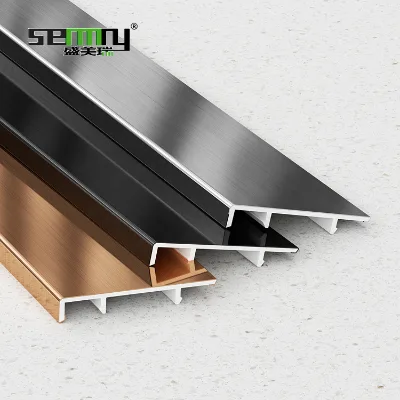
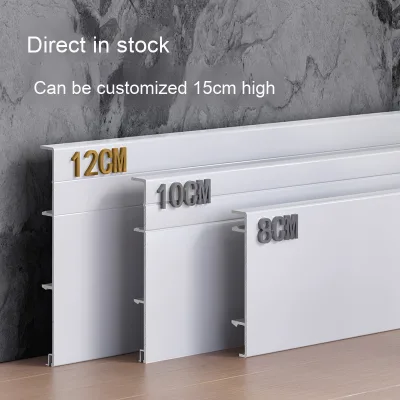



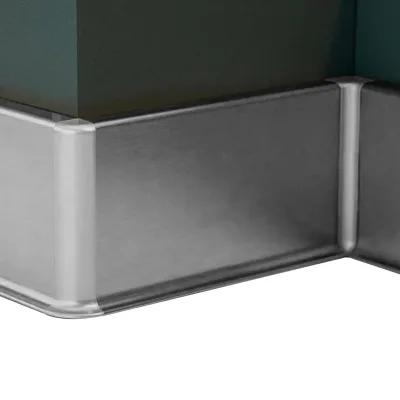

Modern Minimalist Nightstand: Solid Wood Veneer & Stainless Steel Base
$500.00 - $1500.00
MOQ: 1 Pieces
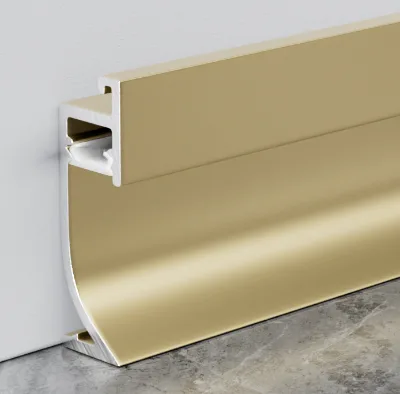


Modern Furniture Modern Home Natural Marble Stainless Steel Furniture Sideboard
$80.00 - $150.00
MOQ: 10 Pieces



Comprehensive Sourcing Guide
Strategic Sourcing Guide for Modern Stainless Steel Baseboards
The procurement of modern stainless steel baseboards requires a disciplined approach that balances aesthetic precision with rigorous technical verification. In the current B2B market, these architectural components serve as critical finishing elements for commercial and institutional spaces, offering durability and a contemporary profile. Buyers must navigate a complex landscape of material grades, surface treatments, and supply chain variables to ensure the selected products meet project specifications without incurring unforeseen costs or delays. This guide outlines the essential factors for sourcing these components effectively, grounded in observable product attributes and industry standards.
Technical Specifications and Material Composition
The foundation of a successful procurement strategy lies in a precise understanding of the technical specifications provided by potential suppliers. Modern stainless steel skirting boards are not generic commodities; they are engineered products with specific dimensional and metallurgical requirements. The material composition is a primary differentiator. Available options often include the 6000 Series aluminum alloy, which is noted for its specific temper ranges from T3 to T8. This temper designation indicates the material's hardness and strength, directly influencing the board's resistance to denting and its ability to maintain a straight profile over long spans.
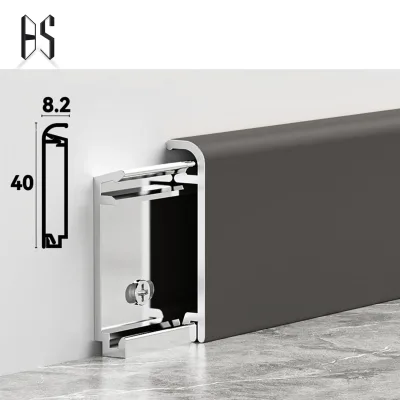
Dimensional consistency is equally critical. Observed specifications indicate that length can vary significantly, with standard offerings ranging from 40mm to 100mm in width, alongside custom options. For linear procurement, lengths may be standardized at 2.5 meters per piece, or customized to fit specific architectural layouts. The profile shape is another vital technical parameter; the T-Profile is a common configuration for these baseboards, designed to accommodate specific wall-floor junctions. Buyers must verify that the tolerance levels align with their installation tolerances, as observed data suggests a standard tolerance of 1%, which is acceptable for most commercial applications but requires strict quality control during the manufacturing process.
Furthermore, the processing capabilities of the supplier determine the final product's versatility. Suppliers offering processing services such as bending, welding, punching, and cutting provide greater flexibility for complex project requirements. These services allow for the creation of custom angles and connections that are essential for modern, seamless designs. The surface treatment options also play a significant role in the final aesthetic and functional performance. Common treatments include brushed, anodized, and powder coating finishes, with polished and brushed surfaces being frequently observed. These treatments not only define the visual texture but also impact the material's resistance to corrosion and staining in high-traffic environments.
Compliance, Certification, and Quality Standards
In the B2B sector, compliance is not merely a formality but a prerequisite for project approval. When sourcing modern stainless steel baseboards, buyers must rigorously verify the certification status of the products. While various standards exist in the market, specific observations indicate the presence of ISO, CE, and CCC certifications among available products. The ISO certification, often referenced in conjunction with quality management systems, suggests that the manufacturer adheres to standardized production processes. The CCC mark is particularly relevant for products intended for the Chinese market or those exported with specific regulatory requirements.
However, buyers should exercise caution when interpreting certification claims. The presence of a certification label does not automatically guarantee that every batch of products meets the same rigorous standards. It is essential to request current, valid certificates for the specific product model being ordered, such as the Senmry-7 or SK1 models observed in the market. The standard 5x5x20 specification mentioned in product data serves as a reference point for dimensional compliance, but buyers must confirm that the actual delivered goods match these documented standards.
Quality assurance extends beyond paper certifications to the physical attributes of the product. The alloy composition, confirmed as "Is Alloy" in product descriptions, must be verified through mill test reports. These reports provide the chemical and mechanical properties of the steel or aluminum used, ensuring that the material meets the specified grade requirements. For projects in Southeast Asia or other regions with specific environmental challenges, verifying the corrosion resistance of the chosen surface treatment is crucial. The combination of a robust alloy grade and an appropriate surface treatment ensures the longevity of the baseboard in demanding applications.
Cost Drivers and Pricing Variables
Understanding the cost structure of modern stainless steel baseboards is essential for budget management. The price range observed in the market is extensive, spanning from $0.26 to $1500 per unit, reflecting the vast differences in material quality, dimensions, and customization levels. Several key factors drive these costs. The primary driver is the material grade and weight. Products with a single gross weight of 5.000kg or 2.000kg indicate significant variations in material density and profile thickness, which directly impact the raw material cost.
Customization is another major cost variable. While standard items are available, the "Customization: Available" attribute indicates that bespoke solutions are a core part of the supply. Custom lengths, specific surface treatments, and unique profile shapes incur additional processing fees. The "Inish: Can Be Custom" attribute further highlights the flexibility of the supply chain, but this flexibility comes at a premium. Buyers must balance the desire for unique design elements with the budget constraints of the project.
Minimum Order Quantity (MOQ) also influences the unit cost. The observed MOQ range spans from 1 to 2400 units, with specific products requiring a minimum of 500kg or 200 meters. Higher volume orders typically benefit from economies of scale, reducing the per-unit cost. However, for smaller projects, the high MOQs associated with certain suppliers may necessitate a different sourcing strategy or the consolidation of orders with other buyers. Additionally, the payment terms, such as the observed T/T30% requirement, affect the cash flow and financial planning of the procurement process. Buyers should negotiate terms that align with their financial capabilities while ensuring the supplier has sufficient incentive to deliver on time.
Typical Applications and Design Integration
Modern stainless steel baseboards are versatile architectural elements suitable for a wide range of applications. The observed "Application" data highlights their suitability for office buildings, hotels, schools, and supermarkets. In office environments, the sleek, modern design style complements contemporary interior aesthetics while providing the durability required for high-traffic corridors. The "Easy Installation" feature is particularly valuable in commercial settings where time is a critical factor in project completion.
The functional attributes of these baseboards extend beyond mere decoration. The "Function" category lists connection, decoration, and protection, indicating that these products serve multiple roles. They protect the lower section of walls from damage caused by cleaning equipment, furniture, and foot traffic. In hotels and schools, where maintenance costs are a significant concern, the durability and ease of cleaning offered by stainless steel or anodized aluminum are essential. The "Project Solution Capability" of suppliers, which includes 3D model design and total solution services, allows for seamless integration into complex architectural designs. This capability ensures that the baseboards fit perfectly with other design elements, creating a cohesive look.
For projects requiring a specific design style, the "Modern" attribute confirms that these products align with current trends. The T-Profile shape and various surface treatments allow for customization to match the overall interior design theme. Whether the project demands a subtle, brushed finish or a more polished, reflective surface, the available options support a wide array of design visions. The "Tile Accessory Type" classification suggests that these baseboards can also function as trim pieces, integrating well with tiled floors and walls.
Supplier Evaluation and Service Capabilities
Selecting the right supplier is as important as selecting the product itself. A comprehensive evaluation should go beyond the product catalog to assess the supplier's operational capabilities. The "Project Solution Capability" is a key indicator of a supplier's ability to handle complex orders. Suppliers offering graphic design, 3D model design, and total project solutions demonstrate a higher level of engagement and technical expertise. This capability is crucial for ensuring that the baseboards fit the specific requirements of the project, reducing the risk of errors during installation.
Lead time and delivery reliability are critical factors in supplier evaluation. The observed "Ead Time" and "Lead Time" of 12-15 working days, along with a "Delivery Time" of 8-14 days, provide a baseline for planning. However, buyers must verify these timelines against their specific project schedules, as custom orders may extend these periods. The "OEM Service: Provide OEM Service" attribute indicates that the supplier is willing to work under the buyer's brand or specific requirements, which is valuable for large-scale procurement.
After-sales service is another vital consideration. The availability of "Free Spare Parts" and "Return and Replacement" policies provides a safety net for potential issues. "Online Technical Support" further enhances the supplier's value proposition, offering assistance during the installation phase. The "After-Sale Service" data suggests that reputable suppliers are committed to resolving issues promptly, which is essential for maintaining project momentum. Buyers should also consider the "Single Package Size" and "prod_packing" details, as efficient packaging reduces the risk of damage during transit and simplifies logistics.
Quality Control and Long-Term Procurement Strategy
Implementing a robust quality control strategy is essential for ensuring the consistency and reliability of the sourced baseboards. Buyers should establish clear acceptance criteria based on the observed specifications, such as the 1% tolerance, specific surface treatments, and material grades. Regular inspections during the production process, potentially supported by third-party quality assurance firms, can help identify and rectify issues before shipment. The "Sample: Samples Provid" attribute allows buyers to verify the quality of the product before committing to a large order, ensuring that the visual and tactile attributes meet expectations.
Long-term procurement considerations involve building a sustainable relationship with suppliers. The "Main Market" being Southeast Asia suggests a strong regional supply chain, but buyers should also consider the geopolitical and logistical factors that may affect future deliveries. The "Single Item" selling unit and "Carton" packing indicate that the products are ready for immediate distribution, but buyers should plan for storage and handling to prevent damage.
The "Customization: Customized" nature of the products means that the supply chain must be flexible enough to accommodate changes in design or requirements. Establishing clear communication channels and maintaining a detailed record of specifications for each order is crucial for long-term success. By focusing on technical precision, compliance, and supplier reliability, buyers can secure high-quality modern stainless steel baseboards that meet the demands of contemporary architectural projects. This strategic approach ensures that the investment in these finishing elements delivers value, durability, and aesthetic appeal over the long term.
FAQs
Can I get custom lengths for modern stainless steel baseboards?
Yes, custom lengths are available for modern stainless steel baseboards. The standard length is 2.5 meters per piece, but you can request specific dimensions like 40mm to 100mm widths or other custom sizes to fit your project layout.
What certifications do these baseboards typically hold?
Products often hold ISO, CE, and CCC certifications. These marks indicate compliance with quality management systems and regional regulatory standards, though you must verify specific certificates for the model you order.
Which surface treatments are available for this product?
Common surface treatments include brushed, anodized, powder coating, and polished finishes. These options affect the visual texture and corrosion resistance, allowing you to match the aesthetic of office buildings or hotels.
How long is the lead time for delivery?
The standard lead time is 12 to 15 working days. Some suppliers may offer a delivery window of 8 to 14 days, but custom orders or specific project requirements could extend this timeline.
What is the minimum order quantity for these baseboards?
Minimum order quantities vary by supplier, ranging from 1 unit up to 2400 units. Specific products may require a minimum of 500 kilograms or 200 meters, so check the exact requirement before placing an order.
Can suppliers provide 3D model design services?
Yes, many suppliers offer 3D model design and total project solution capabilities. This service helps integrate the baseboards seamlessly into complex architectural designs for offices, schools, and commercial spaces.
What material grade is used for these baseboards?
The baseboards are typically made from 6000 Series aluminum alloy with a temper range of T3 to T8. This alloy composition ensures durability and strength suitable for high-traffic commercial applications.