Source Modern Stainless Steel Dining Chair for Hotel Home Restaurant
Explore 30 listings for the Modern Stainless Steel Dining Chair suitable for hotels, homes, and restaurants. Buyers can compare specifications, materials, and pricing from verified manufacturers offering OEM and ODM services; compare the available evidence and request quotations based on your requirements.
Updated
Key considerations
Products List


Modern Design Stainless Steel Dining Chair with Cushion Customized for Banquet
$34.00 - $40.00
MOQ: 5 Pieces


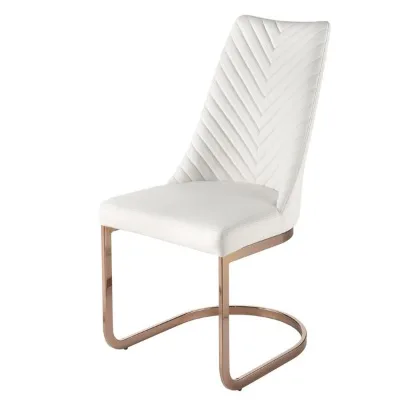

Modern Stainless Steel Velvet Upholstered Metal Restaurant Dining Chair
$46.00 - $53.00
MOQ: 10 Pieces


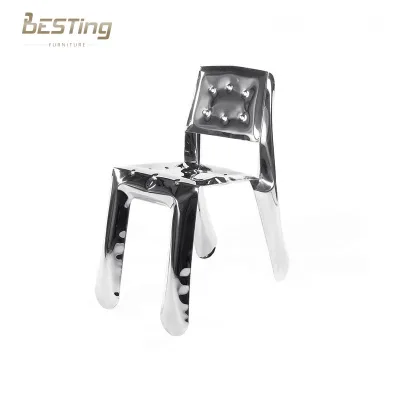
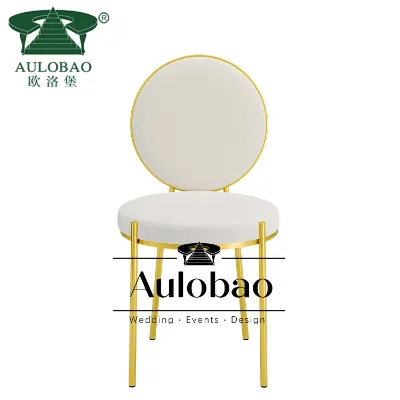
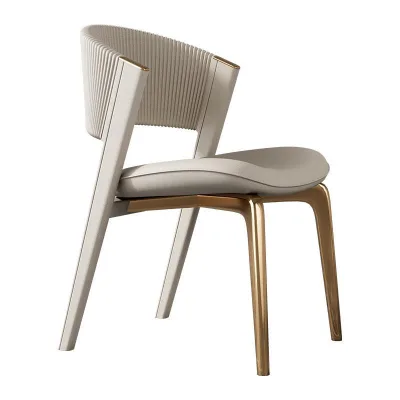
Luxury Modern Fashion Designer Dining Room Reclining Chair Stainless Steel Home Dining Chair
$91.3185 - $110.8139
MOQ: 2 pieces
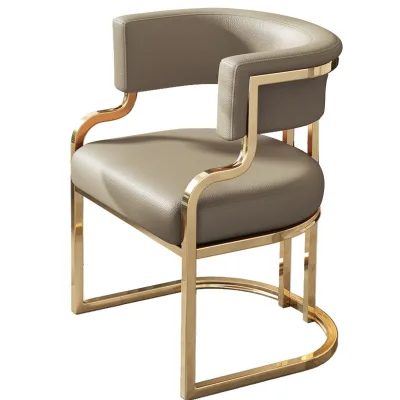
Luxury Leather Stainless Steel Leisure Chair Hotel Restaurant Applicable Dining Chair
$80.6973 - $87.9383
MOQ: 2 pieces
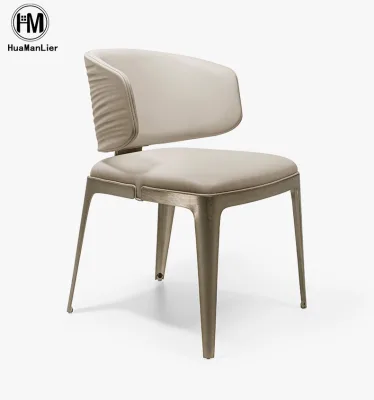
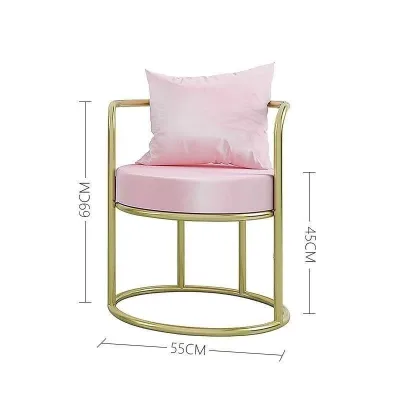
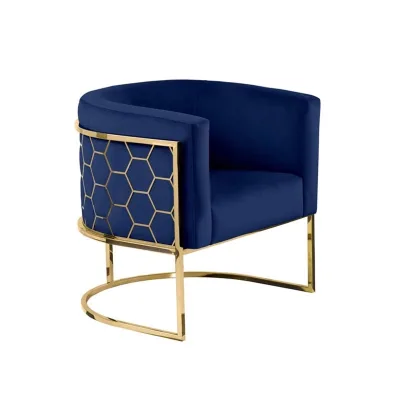
New Arrival Dining Chairs with Velvet Upholstery and Stainless Steel Frame for Restaurant Dining
$100.3469 - $138.2315
MOQ: 2 pieces
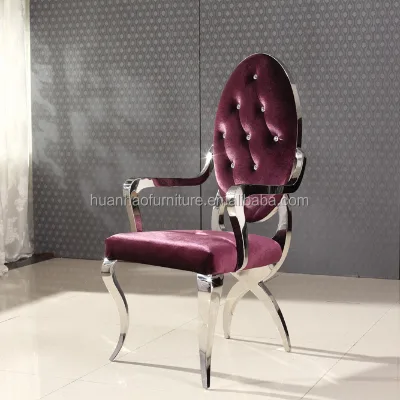
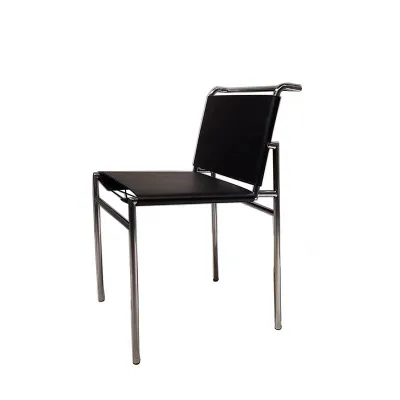
Minimalist Stainless Steel Dining Chair for Household Use With Back Negotiation Chair
$63.6584 - $87.2736
MOQ: 2 pieces
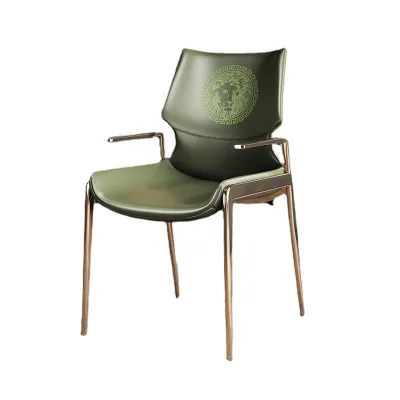


Comprehensive Sourcing Guide
Modern Stainless Steel Dining Chair Sourcing Guide
Procuring modern stainless steel dining chairs requires careful attention to material composition and structural integrity, as the supply data indicates legs are frequently constructed from stainless steel, iron, or aluminum. Buyers must verify that the specific "stainless steel" designation applies to the load-bearing legs rather than just decorative accents, ensuring the metal grade meets the intended durability requirements for high-traffic environments. The observed product range includes both fixed rotary mechanisms and varied leg styles, necessitating a clear definition of the desired stability and aesthetic profile before engaging with manufacturers.
The market signals suggest a strong availability of customization options, with many suppliers offering OEM and ODM services to tailor the chair's dimensions and finish. While the core material is metal, the upholstery often varies between velvet fabric and PU cushions, allowing for distinct visual styles ranging from commercial to residential applications. Sourcing teams should prioritize suppliers who explicitly confirm their ability to produce customized units, as this flexibility is a key differentiator in the modern furniture sector and directly impacts the final product's alignment with interior design specifications.
Product Scope and Observed Listing Signals
The observed product listings reveal a diverse scope where dining chairs are marketed for use in hotels, homes, restaurants, and offices, indicating a versatile application range. The data confirms that these items are typically sold as part of a dining room furniture set or as individual units, with some models featuring armrests and others designed without them. Buyers should note that the "modern" style is a consistent attribute, often paired with sleek metal legs and contemporary finishes like white or metallic tones to suit current interior trends.
Listing signals also highlight that the chairs are generally supplied in a new condition, with specific models identified by codes such as 41A or RC-057. The packaging methods vary, ranging from knock-down cartons to flat packages with wood crates, which significantly influences shipping costs and assembly requirements at the destination. Procurement professionals must evaluate whether the listed "unfolded" state implies immediate usability or if the product requires on-site assembly, as this affects the logistical planning and labor costs associated with the delivery.
Technical Specifications to Verify
Technical verification must begin with the precise dimensions of the chair, as the provided data shows standard sizes like 570550700mm or L66W62H78mm, which may vary by model. Buyers need to confirm that the listed standard dimensions align with the intended table heights and room layouts, ensuring ergonomic comfort for the end-user. It is critical to validate the leg material composition, specifically distinguishing between stainless steel, iron, and aluminum, as these materials offer different levels of corrosion resistance and structural strength for the specific environment where the chair will be deployed.
Further technical due diligence involves examining the top material and upholstery specifications, which include options like sintered stone, marble, wood, velvet fabric, or PU cushions. The data indicates that some units are designed with specific packing standards, such as 0.16cbm per piece, which impacts volume calculations for container loading. Procurement teams should request detailed technical drawings to verify the exact thickness of the metal legs and the density of the cushioning materials, ensuring that the physical specifications meet the rigorous demands of commercial dining spaces.
Compliance and Safety Documentation
Compliance verification is essential when sourcing furniture for international markets, and the available data points to suppliers holding SGS and ISO9001 certifications. These certifications suggest a baseline commitment to quality management systems and product safety standards, which is particularly important for dining furniture that must withstand frequent use and potential wear. Buyers should explicitly request current copies of these certificates to confirm that the specific production batch adheres to the stated standards, rather than relying on general company claims.
Safety documentation must also address the structural integrity of the chair, particularly regarding the stability of the metal legs and the durability of the upholstery. While the data mentions a 3-year warranty, this term should be scrutinized to understand the specific coverage limits and conditions for claims related to material failure or structural defects. Procurement teams should ensure that the supplier provides test reports or safety data sheets that validate the fire resistance of the fabric and the load-bearing capacity of the metal frame, especially for high-traffic commercial applications.
Cost Drivers and Commercial Terms
Cost drivers for modern stainless steel dining chairs are heavily influenced by the quantity ordered, as the observed price range spans from 15 to 386 USD, with some listings stating prices are "according to the quantity." The minimum order quantity (MOQ) varies between 1 and 100 units, allowing flexibility for smaller buyers but potentially increasing the unit cost for low-volume orders. Buyers must analyze the total landed cost, factoring in the shipping expenses associated with the specific packing methods, such as flat packages or wood crates, which can significantly alter the final price per unit.
Commercial terms typically include payment methods like T/T, L/C, and D/P, requiring careful negotiation to balance cash flow with supplier security. The lead time is observed to be 20-30 days after receiving the deposit, a factor that must be integrated into the overall project timeline to avoid delays in furniture installation. Procurement professionals should clarify whether the quoted price includes all customization costs, such as specific color finishes or logo placement, to prevent unexpected expenses during the final production phase.
Supplier Qualification and Quality Control
Supplier qualification should focus on manufacturers with a proven track record, as the data indicates many suppliers have 15 to 20 years of export experience and conduct 90% of their business internationally. This extensive export history suggests a familiarity with international logistics and quality expectations, which is a strong indicator of reliability for new buyers. However, it is crucial to verify that the specific factory producing the order is the same entity holding the certifications, ensuring that the quality control processes are consistently applied across all production lines.
Quality control measures must be established to monitor the consistency of the metal leg finish and the stitching quality of the upholstery. Buyers should implement a pre-shipment inspection protocol to verify that the chairs match the approved samples in terms of color, material, and dimensions. Given the variety of materials used, such as sintered stone tops or velvet fabrics, a rigorous inspection plan is necessary to detect any defects in the finishing process before the goods leave the factory, ensuring that the final delivery meets the agreed-upon standards.
Long-Term Procurement Checks
Long-term procurement success depends on maintaining a stable supply chain, which requires regular audits of the supplier's production capacity and quality consistency. The data shows that suppliers offer both wholesale and retail factory options, but buyers should prioritize partners who demonstrate a commitment to continuous improvement and adaptability to changing market demands. Establishing a long-term relationship with a qualified manufacturer can lead to better pricing tiers and more flexible lead times as the order volume increases over time.
Buyers must also plan for the lifecycle of the product, considering the 3-year warranty and the potential need for replacement parts or re-upholstering services. Regular communication with the supplier regarding any changes in material availability or manufacturing standards is essential to prevent disruptions in the supply chain. By maintaining a proactive approach to supplier management and quality assurance, procurement teams can ensure that the modern stainless steel dining chairs continue to meet the functional and aesthetic requirements of their clients for years to come.
FAQs
Can modern stainless steel dining chairs be customized for specific projects?
Yes, customization is available for these dining chairs. Manufacturers offer OEM and ODM services to tailor designs to your needs. You can select from various leg materials including stainless steel, iron, or aluminum. The chairs are produced in a modern style with options for different upholstery and top materials to match your interior requirements.
What certifications do these dining chair manufacturers hold?
Manufacturers typically hold SGS and ISO9001 certifications for their production facilities. These credentials ensure that the factory meets international quality and management standards. The business type is listed as a factory or manufacture, indicating direct production capabilities. This provides assurance regarding the quality control processes used for the metal and fabric components.
What is the typical lead time for ordering these chairs?
The lead time is generally 20-30 days after receiving the deposit. This timeframe applies to standard production runs for dining room furniture. Buyers should account for this duration when planning their procurement schedules. The factory operates with a focus on wholesale and retail supply, ensuring consistent output within this established production window for global clients.
Which materials are used for the chair legs and tops?
Legs are constructed from metal options such as stainless steel, iron, or aluminum. Tops may feature sintered stone, ceramic, marble, or wood surfaces. The chairs are designed with a modern aesthetic and are available in white or other colors. This combination of durable metal legs and varied top materials supports both home and commercial dining environments effectively.
How are the dining chairs packaged for international shipping?
Chairs are packed in knock down carton packing or flat packages with wood crates. This method protects the furniture during transit and optimizes container space. The packing standard ensures that items like the RC-057 or 41A models arrive safely. This approach is standard for factories with extensive export experience, facilitating efficient logistics for global buyers.
What payment terms are accepted by these suppliers?
Suppliers accept T/T, L/C, and D/P payment terms. These options provide flexibility for international B2B transactions. The price is often determined according to the quantity ordered. Buyers can negotiate terms based on their volume requirements and financial preferences, ensuring a secure and adaptable purchasing process for large furniture orders.