Source Modern Stainless Steel Floor Trim for Wall, Ceiling, Furniture
Find and compare 26 listings for Modern Stainless Steel Floor Trim designed for flooring covering accessories, wall, and ceiling applications. Buyers can evaluate specifications like thickness, finish, and customization options from verified suppliers.
Key considerations
Products List


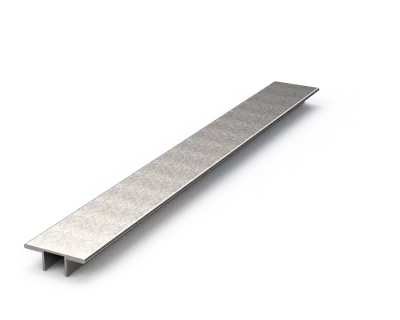
Aluminum Profile Stainless Steel Tile Trim for Floor and Wall Decoration
$0.50 - $0.97
MOQ: 500 Pieces




Comprehensive Sourcing Guide
Strategic Sourcing Guide for Modern Stainless Steel Floor Trim
The procurement of Modern Stainless Steel Floor Trim represents a critical intersection of aesthetic design and functional durability in commercial and residential construction. As buyers navigate a global marketplace dominated by suppliers from China, particularly in the Guangdong region, the ability to distinguish between generic listings and verified product specifications is paramount. This guide provides a disciplined approach to sourcing stainless steel floor trims, focusing on technical verification, compliance, and supply chain reliability. The objective is to equip procurement professionals with the knowledge to evaluate suppliers based on observable facts rather than marketing claims, ensuring that the final installation meets rigorous performance standards.
Technical Specifications and Material Verification
The foundation of a successful procurement strategy lies in the precise definition of technical requirements. Stainless steel floor trims are not monolithic products; they vary significantly in grade, finish, and dimensional tolerances. Based on observed market data, the core material is consistently identified as stainless steel, with specific references to grade 304, a standard austenitic stainless steel known for its corrosion resistance and formability. However, buyers must verify the exact alloy composition, as some listings may conflate stainless steel with aluminum alloy, which offers different mechanical properties and cost structures.
Thickness is a primary determinant of structural integrity and visual weight. Market observations indicate a wide range of available thicknesses, from 0.3mm to 2.0mm, with specific listings highlighting 0.6mm to 1.0mm or 0.8mm to 1.0mm as common options. The selection of thickness depends heavily on the application; high-traffic commercial areas generally require thicker profiles (1.0mm or above) to resist indentation and wear, while residential or low-traffic zones may accommodate thinner gauges. Buyers should explicitly request mill certificates or material test reports to confirm the thickness falls within the specified tolerance, as "0.8mm" on a product page may represent a nominal value with significant variance.
The finish of the trim is equally critical for aesthetic consistency. The market offers "Mirror" and "Matte" finishes, with "Brushed" (often referred to as BA finish) being a popular choice for modern designs. The "Silver" color is standard, though "Multicolor" and "Various Colors" are available through plating or coating processes. It is essential to distinguish between the base material finish and any applied coatings. For instance, a "Brushed" finish provides a textured surface that hides minor scratches, whereas a "Mirror" finish offers high reflectivity but shows imperfections more readily. Procurement documents must specify the desired finish type to avoid receiving a product that does not match the design intent.
Compliance, Certification, and Standard Alignment
In the B2B construction sector, compliance is not merely a formality but a prerequisite for liability management and project approval. Buyers must scrutinize the certification claims made by suppliers. Observed data lists certifications such as ISOCE, ISOISOCE, and ISOCCC. While these acronyms suggest adherence to quality management systems, the specific validity and scope of these certifications must be verified directly with the issuing bodies. A supplier claiming "ISO" status should provide a valid certificate number and expiration date, as generic claims are common in unverified listings.
Standards compliance is another vital area. The product data references standards such as ASTM and mentions that standards can be "as your request." ASTM standards are widely recognized in the United States and Canada for material testing. If a project is located in a region requiring ASTM compliance, the supplier must demonstrate their ability to test products against these specific criteria. Conversely, if the project follows European or Chinese national standards, the supplier must confirm their production lines are calibrated to meet those specific benchmarks.
Furthermore, the "prod_standard" field often lists lengths such as 2.44M, 2.5M, or 3.0M, or notes that standards are "various." This refers to the standard length of the trim profiles. Buyers should verify that the standard lengths align with the project's layout to minimize waste. Custom lengths are often available, but this introduces complexity in production and logistics. The "Customization" attribute is frequently marked as "Available" or "Customized," indicating that suppliers can modify dimensions, hole patterns, and shapes. However, customization requires a clear definition of tolerances and a review of the impact on lead times and unit costs.
Cost Drivers and Pricing Dynamics
Understanding the cost structure of stainless steel floor trim is essential for budgeting and negotiation. The observed price range in the market spans from $0.50 to $15.00 USD, a variance that reflects differences in material grade, thickness, finish complexity, and order volume. The primary cost driver is the raw material price of stainless steel, which fluctuates based on global market conditions. Thicker profiles (e.g., 2.0mm vs. 0.3mm) inherently cost more due to the increased material usage.
The finish process also significantly impacts cost. A mirror polish requires more labor and time than a standard brushed finish, often resulting in a higher price point. Additionally, the "Customization" factor introduces variable costs. While standard profiles are mass-produced and cheaper, custom shapes, punched holes, or specific color coatings require dedicated tooling and setup, increasing the unit price.
Minimum Order Quantity (MOQ) is another critical cost factor. The observed MOQ range is 1 to 1000 units. Suppliers with low MOQs (e.g., 1 unit) may charge a premium per unit to cover setup costs, making them suitable for small projects or sample acquisition. Conversely, suppliers requiring higher MOQs (e.g., 1000 units) typically offer lower per-unit pricing, which is advantageous for large-scale commercial developments. Buyers should calculate the total landed cost, including shipping and duties, rather than focusing solely on the unit price, as high-volume discounts may be negated by excessive freight costs if the order is not consolidated efficiently.
Typical Applications and Design Integration
Modern stainless steel floor trims are versatile components designed for specific functional and aesthetic roles. The primary applications identified include flooring covering accessories, wall and ceiling treatments, furniture integration, and ceramic tile edging. The "Function" attribute explicitly lists "Connection, Decoration, and Protection," highlighting the trim's role in bridging different floor materials (e.g., tile to wood) while protecting the edges of the flooring from chipping and wear.
The "Design Style" is predominantly "Modern," characterized by clean lines and minimalistic profiles. The "Flat Shape Stainless steel" and "Various Shapes" options allow for integration into contemporary interiors. The "Tile Accessory Type" classification confirms their use in tiling projects, where they serve as transition strips or edge trims. The "Easy Installation" feature is a key selling point, suggesting that the profiles are designed for quick fitting, which reduces labor costs on-site.
Buyers should consider the specific environment where the trim will be installed. For wet areas like bathrooms or kitchens, the corrosion resistance of 304 stainless steel is crucial. In high-traffic commercial zones, the durability of the finish and the thickness of the profile become the primary concerns. The "Project Solution Capability" being listed as "Others" suggests that suppliers may offer broader design services, such as custom fabrication for unique architectural features. However, buyers must verify the extent of these capabilities to ensure the supplier can handle complex custom requests without compromising quality.
Supplier Evaluation and Operational Logistics
Evaluating suppliers requires a focus on operational reliability and transparency. The "prod_origin" is consistently listed as China, with specific mentions of Guangdong, a major manufacturing hub. While this indicates a concentration of supply, it also necessitates rigorous due diligence. Buyers should verify the supplier's production capacity and quality control processes. The "Lead Time" is observed to be 21 to 30 days after confirmation, a standard window for manufacturing and logistics. However, this timeline can extend significantly for customized orders or during peak seasons.
Packaging is a critical aspect of logistics to prevent damage during transit. Observed packaging methods include "Plastic Protective Film," "Carton," "Wooden Pallet," "Polylon," and "Strong Wooden Box." The choice of packaging depends on the fragility of the finish and the volume of the order. For high-value mirror finishes, a "Strong Wooden Box" is preferable to prevent scratching. Buyers should explicitly request packaging details in the purchase order to ensure the product arrives in pristine condition.
The "After-sale Service" is listed as "Other," which is a vague descriptor. Buyers must clarify what this entails before committing. Does it include replacement for damaged goods? Is there technical support for installation issues? The "Sample" availability is a positive indicator, allowing buyers to physically inspect the product before placing a large order. Requesting samples is a best practice to verify the actual thickness, finish quality, and color accuracy against the product specifications.
Quality Control and Long-Term Procurement Considerations
Ensuring long-term value requires a robust quality control (QC) strategy. Buyers should implement a multi-stage QC process, starting with pre-production sample approval, followed by in-process inspections, and concluding with pre-shipment inspections. The "Feature" of "Easy Installation" should be validated by testing the fit and finish of the trim in a mock-up environment. Any gaps or misalignments in the sample stage should be addressed before mass production begins.
For long-term procurement, establishing a relationship with a supplier who offers "OEM" (Original Equipment Manufacturer) services is beneficial. This allows for branding and customization that aligns with the buyer's specific project needs. The "Customization" attribute being "Available" suggests flexibility, but buyers must manage the trade-off between customization and lead time. Frequent changes to specifications can disrupt the production schedule and increase costs.
Finally, buyers should maintain a clear record of all specifications, including thickness, grade, finish, and packaging requirements. The "Various Sizes" and "Various Colors" options offer flexibility but can lead to confusion if not documented precisely. By adhering to a disciplined approach that prioritizes verified data over marketing claims, buyers can secure high-quality stainless steel floor trims that meet the demanding standards of modern construction projects. This methodical strategy mitigates risk and ensures that the final product delivers on its promise of durability, aesthetics, and functionality.
FAQs
What certifications are available for Modern Stainless Steel Floor Trim?
Products often carry ISOCE, ISOISOCE, or ISOCCC certifications. Buyers must verify the validity and scope of these claims directly with issuing bodies before procurement to ensure compliance.
Which thickness options exist for stainless steel floor trim profiles?
Thickness ranges from 0.3mm to 2.0mm, with common options like 0.6mm to 1.0mm or 0.8mm to 1.0mm. High-traffic areas generally require thicker profiles to resist indentation and wear.
Can suppliers provide customized dimensions and shapes for this trim?
Customization is available for dimensions, hole patterns, and shapes. Buyers should note that custom requests may extend lead times and increase unit costs compared to standard profiles.
How long does it take to receive an order after confirmation?
The standard lead time is 21 to 30 days after confirmation. This timeline can extend for customized orders or during peak production seasons depending on supplier capacity.
What packaging methods are used to protect the trim during shipping?
Packaging includes plastic protective film, cartons, wooden pallets, polylon, or strong wooden boxes. Strong wooden boxes are preferred for high-value mirror finishes to prevent scratching.
Which material grades are commonly used for these floor trims?
Stainless steel grade 304 is a standard austenitic alloy used for corrosion resistance. Some listings may also feature aluminum alloy, which offers different mechanical properties and cost structures.
What are the typical applications for stainless steel floor trim?
Applications include flooring covering accessories, wall and ceiling treatments, and ceramic tile edging. The trim serves to connect materials, decorate spaces, and protect flooring edges from chipping.