Source Modern Stainless Steel Hotel Sofa for Hospitality
Find 30 Modern Stainless Steel Hotel Sofa options tailored for commercial interiors. Compare designs featuring wood frames, fabric upholstery, and contemporary styles to identify suitable pieces for lobbies, lounges, and office settings.
Key considerations
Products List


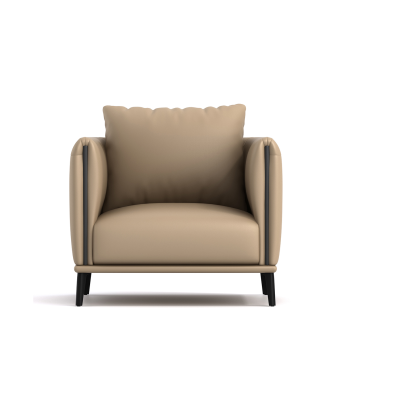

Hotel Furniture Home Sofa Modern Sofa Luxury Modern Sofa Living Room Sofa
$982.00 - $1171.00
MOQ: 1 Pieces


Home Furniture Home Sofa Luxury Couch Modern Sofa Hotel Furniture Luxury Modern Sofa
$2198.00 - $4280.00
MOQ: 1 Pieces


Hotel Furniture Luxury Modern Sofa Living Room Sofa Leather Sofa Home Sofa
$982.00 - $1171.00
MOQ: 1 Pieces


Xijiayi Modern Hotel Bedroom Sofa with Stainless Steel Leg for Commercial Use.
$128.00 - $268.00
MOQ: 10 Pieces


Modern Minimalist Fabric Sofa with Stainless Steel Base for Living Room
$2000.00 - $10000.00
MOQ: 1 Pieces
Comprehensive Sourcing Guide
Modern Stainless Steel Hotel Sofa Sourcing Guide
Sourcing modern stainless steel hotel sofas requires a nuanced understanding of material properties, structural integrity, and aesthetic alignment with contemporary hospitality design. While the core keyword emphasizes stainless steel, market observations reveal a diverse landscape of materials, including solid wood, fabric, synthetic leather, and various metal finishes such as copper and brass. Buyers must navigate this variety by clearly defining whether the primary structural frame is stainless steel or if the term refers to decorative accents, legs, or armrests. The distinction is critical because stainless steel offers superior corrosion resistance and a sleek, industrial-modern aesthetic, whereas wood or other metals may be used for cost optimization or specific design themes. Understanding these material distinctions ensures that procurement teams select products that meet both the visual standards of the hotel brand and the functional demands of high-traffic guest areas.
The procurement process for these fixtures involves balancing aesthetic modernity with the rigorous durability standards required in commercial environments. Modern design often implies clean lines, minimalism, and a focus on functionality, which must be reconciled with the heavy usage patterns found in hotel lobbies, lounges, and conference rooms. Buyers should prioritize suppliers who demonstrate expertise in combining stainless steel with complementary materials like high-density sponge padding, fabric, or synthetic leather to create comfortable yet robust seating solutions. The observed market includes options ranging from single-seater lounge chairs to multi-seat sofa sets, each requiring specific verification of structural load-bearing capacity and surface finish quality. By focusing on these key attributes, buyers can mitigate the risk of selecting products that look modern but fail to withstand the wear and tear of hospitality use.
Product Scope and Observed Listing Signals
The current market for modern hotel seating presents a wide array of configurations, from single-seater lounge chairs to comprehensive sofa sets designed for three or more occupants. Observed listings indicate that products are often categorized by their specific use, such as office furniture, commercial furniture, or general-purpose hotel and resort seating. This diversity means that buyers must carefully review product descriptions to ensure the item aligns with the intended application, whether it is a quiet reading nook in a boutique hotel or a high-traffic waiting area in a business resort. The presence of customization options suggests that many manufacturers can adapt dimensions, colors, and materials to fit specific interior design schemes, allowing for a cohesive look across different sections of the property.
Color and finish options are significant factors in the modern aesthetic, with suppliers offering hundreds of color choices and various metal finishes including copper and brass. While stainless steel provides a neutral, reflective surface that complements modern decor, the integration of other materials like synthetic leather or fabric adds warmth and comfort. Buyers should note that some listings specify "Other" for color, indicating that custom color matching may be available, which is essential for maintaining brand consistency in hotel interiors. Additionally, the availability of samples, often for a charge, allows procurement teams to verify the quality of materials and finishes before committing to large orders, ensuring that the visual and tactile qualities meet the hotel’s standards.
Technical Specifications to Verify
When evaluating modern stainless steel hotel sofas, verifying the structural specifications is paramount to ensuring longevity and safety. Buyers should confirm the exact grade and thickness of the stainless steel used in the frame or accents, as well as the quality of the welding and joint construction. Although some listings mention wood or solid wood bases, those sourcing stainless steel specifically must ensure that the metal components are properly treated to resist scratches and fingerprints, which are common in high-touch areas. The padding material, often specified as sponge, should be evaluated for density and resilience, as low-quality padding can lead to sagging and discomfort over time, detracting from the modern aesthetic and guest experience.
Dimensions and seating capacity are critical technical details that must be matched to the spatial constraints of the hotel’s design. Listings often provide specific dimensions, such as width, depth, and height, which help buyers plan the layout of lounges and lobbies accurately. It is important to verify whether the sofa is designed as a single unit or part of a set, as this affects the overall footprint and flow of the space. Additionally, buyers should check the armrest configuration, as some modern designs feature armrests while others are armless to create a more open and airy feel. The packing method, whether woven bags or export cartons, also impacts shipping efficiency and protection during transit, so this should be aligned with the logistics strategy.
Compliance and Safety Documentation
Compliance with safety and environmental standards is non-negotiable for hotel furniture, particularly in regions with strict regulations. Buyers must request documentation for certifications such as Oeko-Tex, which ensures that fabrics and materials are free from harmful substances, and fire retardant standards, which are critical for guest safety in hospitality environments. Although some listings mention certifications like EPA, TECO, CARB, FSC, and REACH, buyers should verify which of these apply to the specific product, as stainless steel components may not require all of these certifications, but the upholstery and padding certainly do. Ensuring that all materials meet these standards protects the hotel from liability and aligns with corporate sustainability goals.
Fire safety is a particularly important aspect of compliance, as hotel furniture must often meet specific flame resistance requirements. Buyers should inquire about the fire retardant standards applied to the fabric and padding, ensuring that they comply with local building codes and international hospitality standards. While some listings mention ISO standards for frame materials, it is essential to confirm that the entire assembly, including the stainless steel frame and any attached components, meets the necessary safety criteria. Documentation should be provided by the supplier and verified independently if possible, to ensure that the claims are accurate and that the products have been tested by recognized laboratories.
Cost Drivers and Commercial Terms
The cost of modern stainless steel hotel sofas is influenced by several factors, including the quality of materials, the complexity of the design, and the level of customization required. Stainless steel, particularly high-grade varieties, can be more expensive than other metals or wood, but it offers long-term durability and a premium look that can enhance the hotel’s brand image. Buyers should also consider the cost of upholstery, as synthetic leather and high-quality fabrics can vary significantly in price. Additionally, the inclusion of decorative elements like copper or brass accents can increase the overall cost, so it is important to balance aesthetic desires with budget constraints.
Commercial terms such as minimum order quantity (MOQ), lead times, and payment terms are critical for planning and cash flow management. Observed MOQs range from 1 to 10 units, which can be advantageous for smaller hotels or renovation projects that require limited quantities. Lead times typically range from 30 to 45 days, allowing for adequate production and shipping time, but buyers should confirm these timelines with the supplier to avoid delays in project completion. Payment terms and shipping costs should be clearly negotiated, as these can significantly impact the total cost of ownership. Understanding these commercial terms helps buyers make informed decisions and avoid unexpected expenses.
Supplier Qualification and Quality Control
Selecting a reliable supplier is crucial for ensuring the quality and consistency of modern stainless steel hotel sofas. Buyers should verify the supplier’s experience in exporting to the hospitality industry, as this indicates a familiarity with the specific requirements and standards of hotel furniture. Checking for export experience and past client references can provide insights into the supplier’s reliability and ability to meet deadlines. Additionally, buyers should inquire about the supplier’s quality control processes, including inspections during production and before shipment, to ensure that the products meet the specified standards.
Quality control should also extend to the verification of materials and finishes. Buyers should request samples to assess the quality of the stainless steel, the durability of the padding, and the comfort of the seating. It is important to check for consistency in color and finish across multiple units, as variations can detract from the modern aesthetic. Suppliers who offer customization options should also demonstrate their ability to maintain quality across different designs and materials. By conducting thorough due diligence on suppliers, buyers can mitigate the risk of receiving substandard products and ensure a successful procurement outcome.
Long-Term Procurement Checks
Long-term procurement success depends on establishing strong relationships with suppliers and implementing ongoing quality monitoring. Buyers should consider the availability of spare parts and the ease of maintenance for modern stainless steel hotel sofas, as these factors impact the total cost of ownership. Stainless steel is generally low-maintenance, but buyers should confirm the recommended cleaning and care procedures to ensure the longevity of the finish. Additionally, buyers should evaluate the supplier’s ability to provide consistent quality over multiple orders, as this is essential for maintaining the aesthetic and functional standards of the hotel.
Sustainability and environmental impact are increasingly important considerations in long-term procurement strategies. Buyers should inquire about the supplier’s practices regarding sustainable sourcing of materials, such as FSC-certified wood or recycled metals, if applicable. Even if the primary material is stainless steel, the overall environmental footprint of the product, including packaging and shipping, should be considered. By prioritizing sustainable practices, buyers can align their procurement strategies with the hotel’s corporate social responsibility goals and appeal to environmentally conscious guests. Regular reviews of supplier performance and product quality will help ensure that the hotel continues to offer high-quality, modern seating solutions.
FAQs
What materials are used for modern hotel sofa frames?
Frames are constructed from solid wood, including Russian Larch, or synthetic leather upholstery. Some models feature metal accents in copper or brass. The base material ensures durability for commercial environments while maintaining a modern aesthetic suitable for hotel lobbies and lounges.
Can I customize the color and style of the sofa?
Yes, customization is available with hundreds of color options. You can select from modern or contemporary design styles. The product supports customized specifications to match specific interior themes, ensuring the furniture integrates seamlessly into various hotel or office building settings.
What certifications do these sofas meet?
Products hold Oeko-Tex Standard certifications and comply with EPA, TECO, CARB, FSC, and REACH standards. These certifications ensure environmental safety and material quality. Buyers can verify compliance for international shipping and strict commercial procurement requirements in global markets.
What is the typical lead time for delivery?
The standard delivery time ranges from 30 to 45 days. This timeframe accounts for manufacturing and quality checks. Buyers should plan procurement schedules accordingly, especially for large orders requiring specific customization or bulk packaging in export cartons or woven bags.
Are samples available for quality verification?
Samples can be provided for a charge. This allows buyers to verify material quality, such as sponge padding or fabric finish, before placing bulk orders. The sample cost is typically deductible or refundable upon confirmation of a larger commercial purchase agreement.
What are the common packing methods for export?
Products are packed in export cartons or woven bags to ensure safe transit. This packaging protects the sofa from damage during shipping. The packing method is designed to optimize container space, often adhering to standard volume metrics like 1CBM for efficient logistics.