Source Modern Thickened Storage Cabinet for Office, Home, School
Find and compare 30 Modern Thickened Storage Cabinet options for office, home, and school use. Evaluate materials like wood and metal, customization features, and specifications to select the right unit for your needs.
Key considerations
Products List


Hot Sale Work Storage Cabinets with Environmentally-Friendly Materials
$193.00 - $200.00
MOQ: 50 Pieces




Comprehensive Sourcing Guide
Modern Thickened Storage Cabinet Sourcing Guide
Sourcing modern thickened storage cabinets requires a nuanced understanding of material science, structural integrity, and aesthetic versatility. The term "modern" in this context typically refers to clean lines, minimalist aesthetics, and functional simplicity, often utilizing materials like metal or wood to achieve a contemporary look. The "thickened" descriptor suggests enhanced durability and load-bearing capacity, which is critical for storage units intended to hold heavy items such as files, books, or household goods. Buyers must distinguish between marketing terminology and actual physical specifications, as thickness can refer to panel gauge, frame strength, or overall structural mass. This guide provides a disciplined approach to evaluating suppliers, verifying technical claims, and ensuring that the final product meets both functional and aesthetic requirements for residential or commercial use.
The procurement process for these cabinets involves balancing cost, quality, and customization options. Observed market data indicates a wide price range, from affordable entry-level units to premium, highly customized solutions. This variance is driven by material choices, manufacturing processes, and the degree of personalization allowed by the supplier. Buyers should focus on verifying the specific attributes of each listing, such as material composition, door mechanisms, and finish quality, rather than relying on general product titles. By establishing clear verification protocols and understanding the commercial terms associated with different supplier tiers, buyers can mitigate risks and secure storage solutions that align with their specific project needs and budget constraints.
Product Scope and Observed Listing Signals
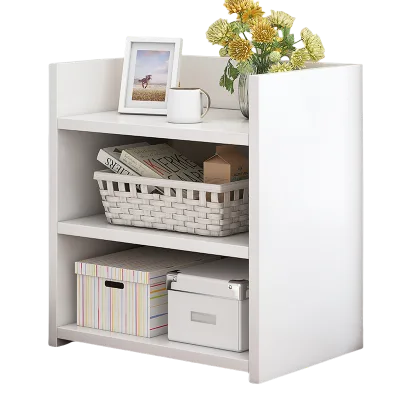
The observed product landscape for modern storage cabinets reveals a diverse array of configurations, primarily categorized by material and structural design. Listings indicate the availability of both wooden and metal variants, each offering distinct advantages in terms of aesthetics and durability. Wooden options often feature a minimalist design with a modern style, available in colors such as yellow or light grey, and are constructed with three layers for added stability. These units are typically sold in an unfolded state, emphasizing ease of assembly and ready-to-use functionality. The presence of customization options suggests that buyers can tailor dimensions, colors, and finishes to match specific interior design schemes, making these cabinets suitable for a variety of settings, from home living rooms to professional offices.
Metal storage cabinets, particularly those designed as filing or locker units, present a different set of characteristics focused on security and robustness. These units often feature sliding or push-pulling door mechanisms and are available in single or multi-door configurations. The metal variants are frequently finished with electrostatic powder coating, providing a durable, eco-friendly surface that resists wear and tear. Buyers should note that some listings specify a "knock-down" structure, which facilitates efficient shipping and reduces logistics costs, while others may offer welded or combined types for enhanced stability. The observed color options for metal units range from standard light and dark greys to custom shades based on the RAL color chart, allowing for precise brand or interior alignment.
Technical Specifications to Verify
When evaluating technical specifications, buyers must prioritize the verification of material thickness and structural integrity, as these factors directly impact the cabinet's load-bearing capacity and longevity. For metal cabinets, the thickness range is a critical parameter, with observed specifications indicating a range of 0.6mm to 1.2mm. Buyers should request detailed millimeter gauges for specific components, such as side panels, shelves, and doors, to ensure that the "thickened" claim is substantiated by actual measurements. Thicker gauges generally correlate with better resistance to deformation and higher weight limits, which is essential for storage units intended to hold dense items. It is advisable to specify the exact thickness requirements in the purchase order to avoid discrepancies between quoted and delivered products.
Dimensional accuracy and structural configuration are equally important considerations. Observed standards for wooden units suggest dimensions around 31.5 inches in length, 30.7 inches in width, and 22.7 inches in height, while metal units may vary significantly based on the number of doors and internal compartments. Buyers should verify the internal dimensions to ensure compatibility with their storage needs, such as standard file sizes or specific equipment dimensions. Additionally, the structure type, whether it is a separate type, combined type, or knock-down assembly, should be clearly defined. Knock-down designs offer logistical advantages but require careful inspection of joint integrity upon assembly, while welded structures provide immediate stability but may incur higher shipping costs due to their fixed dimensions.
Compliance and Safety Documentation
Compliance with international quality and environmental standards is a key indicator of supplier reliability and product safety. Observed certifications include ISO9001 for quality management and ISO14001 for environmental management, which suggest that the supplier adheres to systematic processes for production control and environmental responsibility. Buyers should request valid certification documents and verify their authenticity through the issuing bodies. These certifications provide assurance that the manufacturing processes are consistent and that the supplier is committed to maintaining high standards of quality and environmental stewardship. While other certifications such as ROHS or CE are mentioned in background data, buyers should confirm their applicability to the specific product and region of import, as regulatory requirements vary by market.
Safety documentation should also include information on material safety and finish compliance. The use of eco-friendly coatings and powder spraying techniques indicates a focus on reducing harmful emissions and ensuring a safe indoor environment. Buyers should inquire about the chemical composition of the coatings and finishes to ensure they meet local regulations regarding volatile organic compounds (VOCs) and other hazardous substances. Additionally, for wooden cabinets, buyers should verify that the wood sources are sustainably managed and that any adhesives or treatments used are non-toxic. Requesting material safety data sheets (MSDS) for all components can provide valuable insights into the safety profile of the product and help mitigate potential health risks associated with off-gassing or chemical exposure.
Cost Drivers and Commercial Terms
The cost of modern thickened storage cabinets is influenced by several key factors, including material selection, manufacturing complexity, and customization levels. Metal cabinets with thicker gauges and specialized finishes, such as electrostatic powder coating, tend to be more expensive due to the higher material costs and additional processing steps. Wooden cabinets, particularly those with multi-layer constructions and custom colors, may also command higher prices due to the labor-intensive nature of their assembly and finishing. Buyers should analyze the cost breakdown to understand how each component contributes to the final price, allowing for more informed decisions regarding material and design trade-offs.
Commercial terms, including minimum order quantities (MOQ) and payment conditions, play a significant role in the overall procurement strategy. Observed MOQs range from small quantities of 10 pieces to larger batches of 1000, depending on the supplier and product type. Lower MOQs are often associated with customized or smaller-scale production runs, while higher MOQs may qualify for volume discounts. Buyers should negotiate terms that align with their inventory management strategies and cash flow requirements. Additionally, packaging methods, such as corrugated cardboard or export cartons with knock-down loading, can impact shipping costs and product protection during transit. Clear communication regarding packaging standards and logistics responsibilities is essential to avoid unexpected expenses and ensure safe delivery.
Supplier Qualification and Quality Control
Supplier qualification is a critical step in ensuring the reliability and consistency of the procurement process. Buyers should conduct thorough due diligence on potential suppliers, verifying their business licenses, production capabilities, and past performance records. Suppliers with established quality management systems, as indicated by ISO certifications, are generally more reliable in delivering products that meet specified standards. It is advisable to request samples or conduct factory audits to assess the supplier's production environment, quality control procedures, and workforce expertise. These assessments provide valuable insights into the supplier's ability to maintain consistent quality and meet delivery deadlines.
Quality control measures should be integrated into the procurement process to minimize the risk of defects and non-conformities. Buyers should establish clear quality acceptance criteria, including dimensional tolerances, surface finish quality, and structural integrity tests. Implementing pre-shipment inspections can help identify and rectify issues before the products are dispatched, reducing the likelihood of returns or disputes. Suppliers should be required to provide detailed inspection reports and test results for key components, such as door mechanisms, locking systems, and load-bearing shelves. By maintaining open communication and enforcing strict quality standards, buyers can build a robust supply chain that delivers high-quality storage cabinets consistently.
Long-Term Procurement Checks
Long-term procurement success depends on continuous monitoring and evaluation of supplier performance and product quality. Buyers should establish key performance indicators (KPIs) to track metrics such as on-time delivery, defect rates, and customer satisfaction. Regular reviews of these metrics can help identify trends and areas for improvement, allowing for proactive adjustments to the procurement strategy. Maintaining a diverse supplier base can also mitigate risks associated with supply chain disruptions and ensure competitive pricing. By fostering strong relationships with reliable suppliers and continuously evaluating their performance, buyers can secure a stable supply of high-quality modern thickened storage cabinets.
Product lifecycle management is another important aspect of long-term procurement. Buyers should monitor feedback from end-users to identify any recurring issues or areas for product improvement. This feedback can be used to refine specifications and requirements for future orders, ensuring that the products continue to meet evolving market demands. Additionally, staying informed about industry trends and technological advancements can help buyers identify new opportunities for innovation and cost savings. By adopting a strategic approach to procurement that emphasizes quality, reliability, and continuous improvement, buyers can achieve long-term value and success in their sourcing of modern thickened storage cabinets.
FAQs
What customization options are available for modern thickened storage cabinets?
Customization is available for these storage units, allowing buyers to specify dimensions or finishes. Some models offer color choices based on the RAL Color Chart, while others support customized thickness ranges from 0.6 to 1.0mm or more depending on the manufacturer.
Which certifications do Modern Thickened Storage Cabinet manufacturers typically hold?
Many manufacturers hold ISO9001 and ISO14001 certifications to ensure quality and environmental standards. These certifications verify that production processes meet international requirements for management systems and product consistency across different factory locations.
How does the MOQ vary for Modern Thickened Storage Cabinet orders?
The minimum order quantity ranges from 1 piece to 1000 pieces depending on the specific supplier and product type. Some vendors require a minimum of 10 pieces for metal models, while others may accept single unit orders for custom designs.
Can modern thickened storage cabinets be shipped in knock-down packaging?
Yes, many units come in carton packaging designed for knock-down loading to optimize shipping space. This method reduces freight costs and prevents damage during transit while allowing easy assembly at the destination location.
What materials are used for modern thickened storage cabinets?
These cabinets are commonly constructed from metal or wood depending on the specific model and intended use. Metal versions often feature electrostatic powder spraying for durability, while wooden options provide a natural aesthetic for home or office environments.
Which warranty periods are offered for modern thickened storage cabinets?
A standard warranty period of 3 years is offered for many of these storage units. This coverage typically protects against manufacturing defects and ensures long-term reliability for buyers investing in durable furniture solutions.
What are the standard dimensions for modern thickened storage cabinets?
Standard dimensions vary by model, with some measuring approximately 31.5 inches in length and 22.7 inches in height. Other models may have specific metric dimensions like 483mm width and 483mm height to fit various space requirements.