Source Modular Contemporary Armchair for Office, Hotel, and Study
Find 30 Modular Contemporary Armchair options from Guangdong manufacturers. Compare features like high-density sponge padding, fabric and leather structures, and modern designs suitable for commercial and home office use. Request samples and quotes for bulk orders; compare the available evidence and request quotations based on your requirements.
Updated
Key considerations
Products List
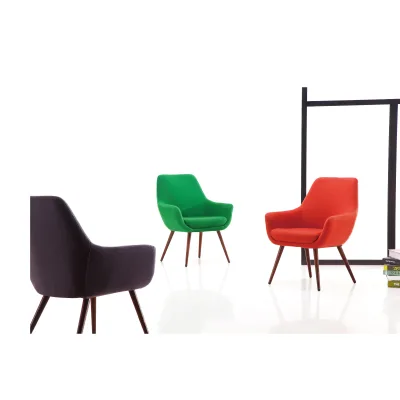


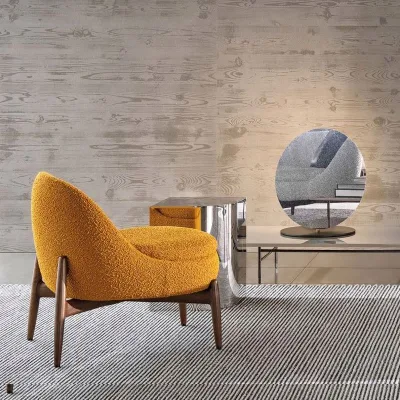
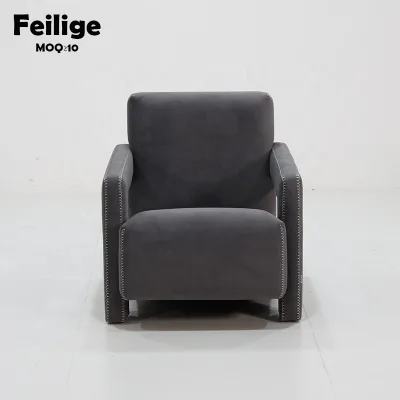
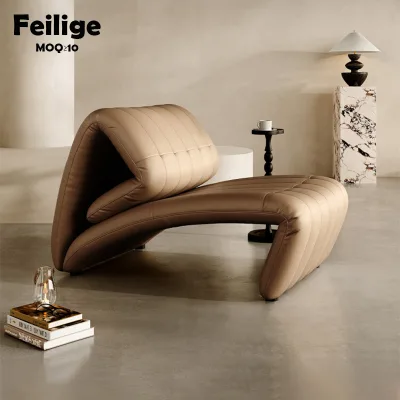
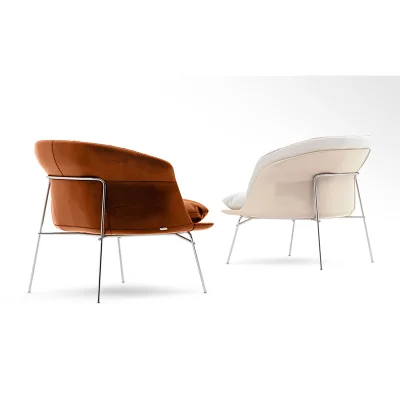


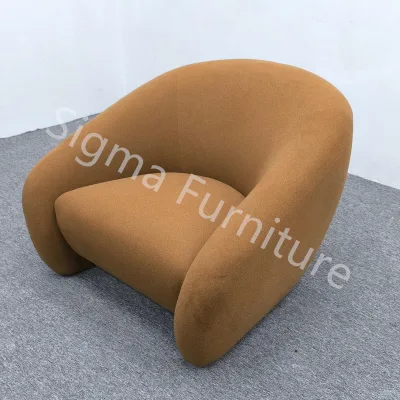
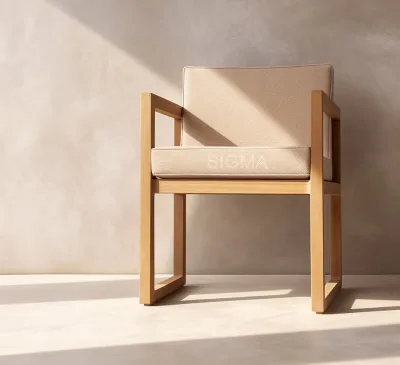
Modern All-Weather Outdoor Furniture Dining Wood Armchairs with Cushion
$285.00 - $300.00
MOQ: 2 pieces


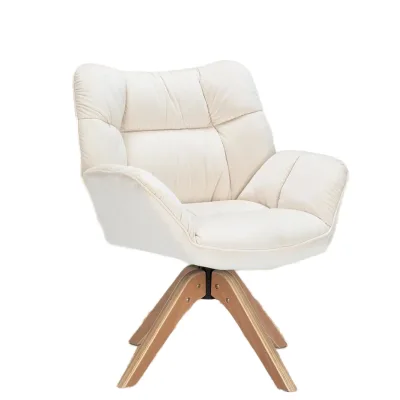
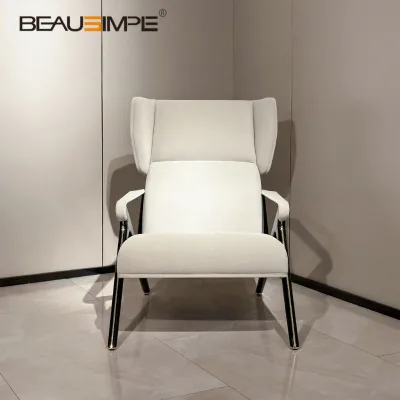
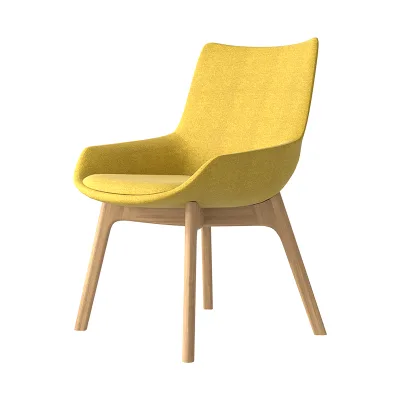
Comprehensive Sourcing Guide
Modular Contemporary Armchair Sourcing Guide
Sourcing modular contemporary armchairs requires a disciplined approach to aligning aesthetic flexibility with structural integrity. Buyers must recognize that "modular" implies interchangeable components, allowing for varied configurations in home offices or commercial lounges. The observed market signals indicate a strong preference for modern design styles that blend seamlessly into diverse environments, from study rooms to hotel lobbies. This versatility demands careful evaluation of how individual units connect and support weight over time. Procurement teams should prioritize suppliers who demonstrate clear engineering behind the modular joints, ensuring that the contemporary look does not compromise the chair’s durability or long-term usability in high-traffic settings.
The current supply landscape shows a concentration of manufacturers in Guangdong, China, particularly in Foshan, which is a recognized hub for furniture production. These suppliers often offer extensive customization options, including fabric choices and color palettes, to meet specific brand identities. However, the term "contemporary" can be subjective, so buyers must rely on precise visual references and material samples rather than generic descriptions. It is crucial to verify that the modular nature of the chair allows for easy assembly and disassembly, which impacts both shipping costs and on-site installation efficiency. Understanding these logistical nuances helps in selecting partners who can deliver consistent quality across large orders while maintaining the sleek, modern aesthetic required by contemporary interior design standards.
Product Scope and Observed Listing Signals
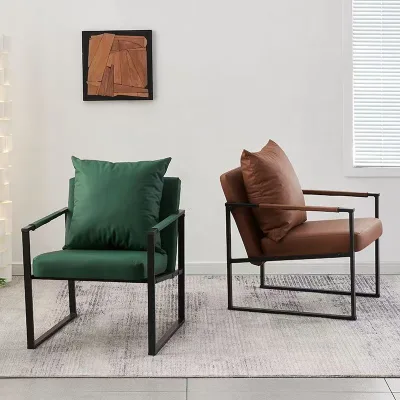
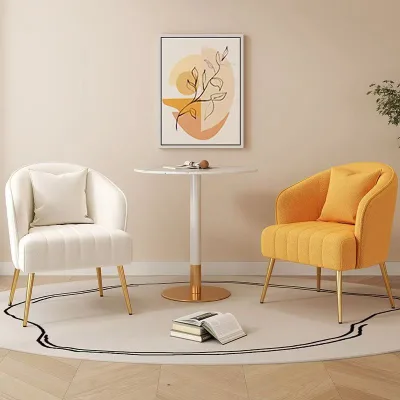
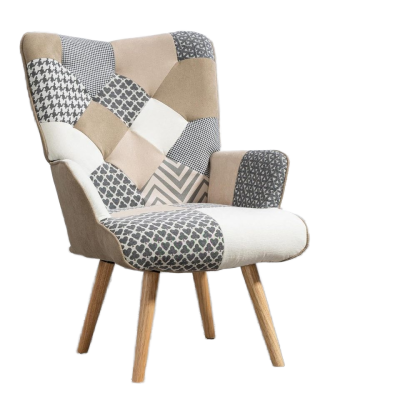
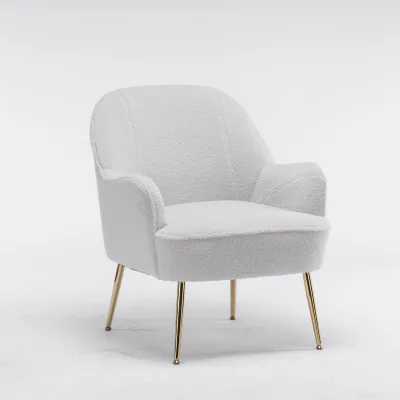
The observed product listings reveal a diverse range of specifications that buyers must navigate carefully. While some items are explicitly labeled as office furniture with dimensions like 66x66x85 cm, others are categorized as leisure or dining chairs with different standard sizes such as 550x500x800 mm. This variation highlights the importance of verifying the intended use case before placing an order. Some suppliers offer high-density sponge padding with fabric or leather structures, suitable for adult and child use, while others focus on wood-based constructions. Buyers should not assume that all modular armchairs share the same structural materials or comfort levels, as the market includes everything from basic flat-pack designs to more complex, upholstered units with medium back heights.
Another key signal is the prevalence of customization services, with many suppliers offering OEM capabilities and hundreds of color options. This flexibility is a significant advantage for brands seeking unique product lines but requires rigorous quality control to ensure consistency across batches. The observed lead times of 30-45 days after receiving a deposit suggest that production is often made-to-order rather than held in stock. Buyers must account for this timeline in their inventory planning and ensure that the supplier’s production capacity can meet their volume requirements. Additionally, the presence of certifications like EPA, TECO, CARB, FSC, REACH, and Oeko-Tex in some listings indicates a segment of the market focused on environmental and safety standards, which should be a primary verification point for compliance-conscious purchasers.
Technical Specifications to Verify
Technical verification begins with confirming the exact dimensions and structural materials of the modular components. Buyers must ensure that the listed size, such as 82x84x81 cm or 88x90x96 cm, matches the physical product received, as discrepancies can affect space planning and aesthetic cohesion. The material composition is equally critical; while some chairs use wood frames, others may rely on fabric and leather structures with high-density sponge padding (D40/D50). It is essential to verify the density and quality of the sponge to prevent premature sagging, which is a common failure point in contemporary seating. Additionally, the presence of armrests and the type of back height, such as medium back, should be confirmed against the design requirements to ensure ergonomic suitability for the intended user demographic.
The modular aspect of the chair requires specific attention to the connection mechanisms and stability of the joints. Buyers should request detailed engineering drawings or assembly instructions to understand how the modules interlock and support weight. The folding status is another technical detail; while some products are listed as unfolded or flat-packed, the ease of assembly and the robustness of the final assembled structure must be tested. Suppliers offering samples can provide valuable insights into the tactile quality and structural soundness of the chair. It is also important to verify the packing method, whether it is a flat package with a wood crate or standard carton, as this impacts protection during transit and the overall cost of logistics.
Compliance and Safety Documentation
Compliance documentation is a critical component of the procurement process, especially when sourcing from international suppliers. Buyers should request and verify certificates such as EPA, TECO, CARB, FSC, REACH, and Oeko-Tex Standard, which indicate adherence to environmental and safety regulations. These certifications are particularly relevant for furniture intended for use in regions with strict chemical emission standards, such as the European Union or North America. The presence of these documents suggests that the supplier has undergone third-party testing for formaldehyde emissions, heavy metals, and other hazardous substances. However, buyers must ensure that the certificates are current and applicable to the specific product model being ordered, as standards can vary between different production batches or material types.
In addition to environmental certifications, buyers should inquire about structural safety standards and load-bearing test results. While specific test data may not always be publicly listed, reputable suppliers should be able to provide reports demonstrating that the chair meets relevant safety requirements for commercial or residential use. This includes verifying the stability of the modular connections and the durability of the upholstery materials. For products intended for hotel or dining room use, compliance with fire safety regulations may also be necessary. Buyers should explicitly ask for these documents during the supplier qualification phase to mitigate legal and reputational risks associated with non-compliant products.
Cost Drivers and Commercial Terms
Cost drivers for modular contemporary armchairs include material selection, customization complexity, and order volume. The observed price range of 10-1800 USD reflects significant variation based on factors such as the type of upholstery, frame material, and the level of customization required. Buyers should note that prices are often quoted according to quantity, with lower MOQs potentially incurring higher per-unit costs. The availability of hundreds of color options and custom fabric choices can also impact pricing, as specialized materials may have higher procurement costs. Understanding these variables allows buyers to negotiate more effectively and align their budget with their design and functional requirements.
Commercial terms, including lead times and payment conditions, are equally important in the total cost of ownership. The observed lead time of 30-45 days after receiving a deposit is standard for many manufacturers but requires careful planning to avoid stockouts or project delays. Buyers should clarify whether the deposit percentage is negotiable and what penalties apply for late delivery. Additionally, the packing method, whether flat-pack with wood crates or standard cartons, affects shipping costs and potential damage risks. It is advisable to include clear quality acceptance criteria in the contract to ensure that any deviations from the agreed specifications can be addressed without additional financial burden.
Supplier Qualification and Quality Control
Supplier qualification involves verifying the manufacturer’s business type, production capacity, and quality management systems. The observed data indicates that many suppliers are manufacturers rather than trading companies, which can offer better control over production quality and pricing. Buyers should request evidence of their manufacturing facilities, such as factory audits or video tours, to confirm their capabilities. The presence of OEM services suggests that the supplier can accommodate custom designs, but buyers must ensure that the supplier has the technical expertise to execute these designs accurately. It is also important to verify the supplier’s experience with similar products, particularly in terms of modular assembly and contemporary design execution.
Quality control measures should be established before production begins, including clear specifications for materials, dimensions, and finish. Buyers should consider requesting pre-production samples to validate the quality of materials and construction. During production, regular inspections can help identify and rectify issues early, reducing the risk of receiving defective goods. The supplier’s ability to provide samples for a charge is a positive indicator of their confidence in their product quality. Additionally, buyers should establish a clear process for handling defects or non-conformities, including return policies and compensation terms, to protect their investment and maintain supply chain reliability.
Long-Term Procurement Checks
Long-term procurement success depends on continuous monitoring of supplier performance and product durability. Buyers should track key performance indicators such as on-time delivery rates, defect rates, and responsiveness to issues. Regular feedback loops with the supplier can help identify areas for improvement and strengthen the partnership over time. It is also important to periodically review the product’s performance in the market, gathering user feedback on comfort, durability, and aesthetic appeal. This information can inform future design iterations and help maintain the product’s competitiveness in the contemporary furniture market.
Sustainability and regulatory changes are other factors that require ongoing attention. Buyers should stay informed about evolving environmental standards and ensure that their suppliers remain compliant with current regulations. This may involve periodic re-verification of certifications and updates to material specifications. Additionally, buyers should consider the end-of-life disposal of the furniture, ensuring that materials are recyclable or biodegradable where possible. By maintaining a proactive approach to supplier management and product lifecycle considerations, buyers can build a resilient and sustainable procurement strategy for modular contemporary armchairs.
FAQs
Can I customize the Modular Contemporary Armchair design?
Yes, customization is available for this Modular Contemporary Armchair. The manufacturer offers OEM services and allows buyers to select from hundreds of color options. You can also choose between fabric and leather structures. This flexibility ensures the furniture meets specific commercial or home office requirements while maintaining a modern appearance.
What materials are used in the Modular Contemporary Armchair?
The Modular Contemporary Armchair is constructed using wood and fabric materials. It features high-density sponge padding with D40 or D50 density for comfort. The structure combines fabric and leather elements. These materials ensure durability and a contemporary design style suitable for various settings including hotels, dining rooms, and study areas.
What is the lead time for the Modular Contemporary Armchair?
The lead time for the Modular Contemporary Armchair is 30-45 days after receiving the deposit. This production period applies to new condition items. Buyers should plan their procurement schedule accordingly. The manufacturer operates as a direct producer in Guangdong, China, ensuring controlled manufacturing timelines for bulk orders.
What certifications does the Modular Contemporary Armchair hold?
The Modular Contemporary Armchair holds several key certifications including EPA, TECO, CARB, FSC, REACH, and Oeko-Tex Standard. These certifications verify environmental and safety compliance. Buyers can rely on these standards for commercial furniture procurement. The product meets rigorous quality conditions for international trade and sustainable sourcing requirements.
How is the Modular Contemporary Armchair packaged for shipping?
The Modular Contemporary Armchair is packaged in flat packages with wood crates or cartons depending on the specific model. This packaging method protects the furniture during transit. The design allows for efficient storage and handling. Buyers receive the product in a new condition, ready for assembly or immediate use in commercial or residential spaces.
What are the standard specifications for the Modular Contemporary Armchair?
Standard specifications for the Modular Contemporary Armchair include dimensions such as 82*84*81cm and 88*90*96cm. Some models measure 550*500*800mm. The product features a medium back height and is available with armrests. These dimensions cater to various seating needs while maintaining a modern and contemporary aesthetic for diverse interior environments.