Source Modular Standard Cold Storage Room for Food, Medicine, and Meat
Compare 30 Modular Standard Cold Storage Room options for restaurants, pharmaceuticals, and meat processing. These units feature customizable dimensions, PU foam insulation, and various cooling systems to meet specific production needs.
Key considerations
Products List


Walk in Freezer Storage Cold Storage Modular Refrigeration Cold Room
$1850.00 - $1990.00
MOQ: 1 Pieces


Industrial Walk in Freezer Chiller Cooler Room Modular Cold Storage Room
$2000.00 - $3200.00
MOQ: 1 Pieces


$10000.00 - $100000.00
MOQ: 1 Pieces

$10000.00 - $100000.00
MOQ: 1 Pieces


$10000.00 - $100000.00
MOQ: 1 Pieces
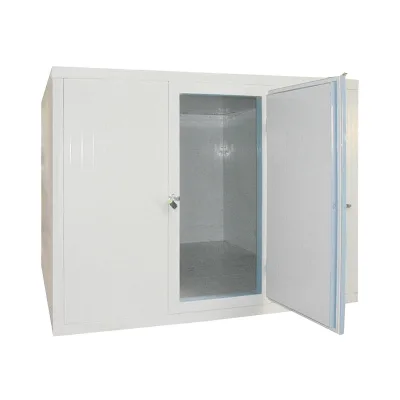


Customer Assembled Cold Storage Room
$3500.00 - $10000.00
MOQ: 1 Pieces
Guangzhou Junjian Kitchen Appliances & Refrigeration Equipment Co., Ltd.


Comprehensive Sourcing Guide
Strategic Sourcing Guide for Modular Standard Cold Storage Rooms
Understanding the Technical Architecture of Modular Cold Storage
When sourcing a Modular Standard Cold Storage Room, buyers must first establish a clear understanding of the physical and mechanical architecture that defines these units. Unlike traditional brick-and-mortar construction, modular systems rely on pre-fabricated components that are assembled on-site. The core structural element is the insulation panel, which typically features a PU (Polyurethane) foam core or PIR (Polyisocyanurate) core sandwiched between metal skins. The density of this core is a critical performance metric; observed specifications indicate a density of approximately 40 +/- 2 kg/m³, which directly influences thermal resistance and structural integrity.
The thickness of these panels is not uniform and serves as a primary variable in the design process. Available options range from 50mm up to 200mm, with intermediate steps at 75mm, 100mm, 120mm, and 150mm. The selection of thickness depends heavily on the target internal temperature and the ambient conditions of the installation site. For applications requiring temperatures between -10°C and 0°C, such as general food preservation, thinner panels may suffice, whereas lower temperature requirements demand thicker insulation to minimize heat ingress.
The surface material of the panels is another critical technical consideration. The exterior and interior skins are often constructed from galvanized steel or stainless steel, with thicknesses varying between 0.4mm and 0.8mm. Surface treatments include color steel, stainless steel finishes, or stucco embossed aluminum, which can enhance durability and hygiene. The floor construction is equally vital; options include PU panels, concrete with XPS (Extruded Polystyrene) insulation, or checker plate steel, each offering different load-bearing capacities and thermal properties.
The refrigeration system itself is a complex assembly of components. The condenser type can be air-cooled, water-cooled, or evaporative, designated by codes such as Fnv or Fnh. The evaporator is typically air-cooled and can be mounted on the ceiling or the floor. Compressors are the heart of the cooling system, with brands like Bitzer, Copeland, Denfoss, Tecumseh, and Embraco being commonly referenced in the market. The voltage requirements are flexible, accommodating 220V, 380V, 420V, and 440V, ensuring compatibility with various regional power grids. The control system often features a digital displayer for precise temperature monitoring and management, contributing to the "New Generation of Smart Cooling System" classification.
Compliance, Certification, and Regulatory Standards
Navigating the regulatory landscape is a fundamental step in the procurement of industrial cold storage solutions. Buyers must verify that the equipment meets international and local safety and quality standards. The most frequently cited certifications in the market for these units include ISO, CE, and CCC. Specifically, the production standards often align with ISO9001, which validates the manufacturer's quality management systems. It is important to note that while "ISO" and "ISO9001" are frequently listed, buyers should request specific certificate documentation to confirm the scope of certification applies to the specific modular cold room model being purchased.
Fire safety is a paramount concern in industrial storage facilities. The insulation panels used in these rooms are subject to fire-proof level classifications. Observed data indicates that panels are rated at B1 or B2 levels. B1 denotes a material that is difficult to ignite, while B2 indicates a material that is flammable but self-extinguishing. Procurement teams must ensure that the selected fire rating complies with local building codes and insurance requirements, as these regulations vary significantly by region.
Energy efficiency is another area where compliance and performance intersect. Many modern modular cold rooms are designed to meet Grade I energy efficiency standards, which represent the highest tier of energy conservation. This classification suggests that the system utilizes advanced insulation and optimized refrigeration cycles to minimize power consumption. However, buyers should verify that the "Grade I" claim is supported by third-party testing or specific能效 labels, as this terminology can sometimes be used loosely in marketing materials.
The structural assembly of the room must also adhere to safety standards. The "Assembled" nature of the product implies that the joints and connections between panels must be sealed to prevent air leakage, which is critical for maintaining the internal temperature. The use of "Wooden Package" or "Plywood Box" for shipping indicates that the units are designed for safe transport, but the on-site assembly process must follow strict guidelines to ensure the structural integrity of the final installation.
Cost Drivers and Pricing Variables
The pricing of modular standard cold storage rooms is highly variable, influenced by a complex interplay of technical specifications and customization requirements. The observed price range in the market spans from $400 to $100,000 USD. This wide disparity is not indicative of inconsistent quality but rather reflects the massive differences in scale, complexity, and component selection. A small, single-room unit for a restaurant will naturally fall at the lower end of this spectrum, while a large, multi-zone facility for industrial food processing or pharmaceutical storage will command prices at the higher end.
The primary cost driver is the volume and dimensions of the cold room. Specifications often list dimensions as "Small/Medium/Large Customized," meaning the price is calculated based on the total square footage and the height of the room. The thickness of the insulation panels is a secondary but significant cost factor; thicker panels (e.g., 200mm) cost more than thinner ones (e.g., 50mm) due to the increased material volume and improved thermal performance.
Component selection also plays a major role in the final price. The choice of compressor brand, such as Bitzer versus Copeland, can affect the cost, as can the type of condenser (air-cooled vs. water-cooled). Water-cooled systems often require additional infrastructure, such as cooling towers, which can increase the overall project cost. Similarly, the surface material of the panels affects pricing; stainless steel is generally more expensive than color steel or galvanized steel.
Customization is a double-edged sword in terms of cost. While "Customization: Available" is a standard feature, allowing buyers to tailor the room to their specific needs, it inevitably increases the price compared to off-the-shelf standard models. The "Type: Customer-Made Type" designation suggests that many units are built to order, which can impact lead times and unit costs. The "Modular Cold Room for Restaurant" and "Promotion of Refrigerators/Freezer Room" categories indicate that there are specific configurations optimized for different use cases, each with its own pricing structure.
Typical Applications and Usage Scenarios
Modular cold storage rooms are versatile solutions designed to serve a wide array of industries, with a primary focus on food and pharmaceutical preservation. The "Suitable for: Factory" attribute highlights their industrial application, while the "Usage: Food, Medicine" designation confirms their role in cold chain logistics. The specific applications can be categorized based on the type of product being stored.
For the food industry, these rooms are essential for the storage of meat, fruits, vegetables, dairy products, and snacks. The ability to maintain temperatures between -10°C and 0°C makes them ideal for short-to-medium-term storage of fresh produce and perishable goods. The "Cold Storage for: Meat, Fruits, Vegetables, Dairy, Snacks, Medicine, etc" list underscores the broad applicability of these units. In the restaurant sector, modular rooms provide a compact and efficient solution for storing ingredients, ensuring freshness and reducing waste.
In the pharmaceutical and medical sectors, the requirements are often more stringent. The inclusion of "Blood" in the usage list suggests that these units can be configured for medical storage, which may require precise temperature control and monitoring. The "New Generation of Smart Cooling System" and "Digital Displayer" features are particularly valuable in this context, as they allow for real-time monitoring and data logging, which are critical for regulatory compliance in the medical field.
The "Use Nature: Production" attribute indicates that these rooms are not just for storage but can be integrated into production lines. For example, a food processing factory might use a modular cold room as part of a blast freezing or chilling process before packaging. The "Assembled" structure allows for easy integration into existing facilities, minimizing disruption to ongoing operations.
Supplier Evaluation and Vendor Selection Criteria
Selecting the right supplier is as critical as the technical specifications of the cold room itself. Buyers should evaluate potential vendors based on their ability to provide comprehensive after-sales support. The availability of "Engineers Available to Service Machinery Overseas" is a significant differentiator, indicating that the supplier has the capacity to support international clients and resolve technical issues remotely or on-site.
The warranty period is another key metric for supplier evaluation. A standard warranty of 1-2 Years is commonly observed, but buyers should scrutinize the terms of this warranty. Does it cover the entire system, or only specific components like the compressor? Are labor costs included? A robust warranty suggests confidence in the product's quality and the supplier's commitment to long-term reliability.
The "Condition: New" attribute confirms that the products are manufactured fresh, but buyers should also inquire about the sourcing of components. Are the compressors and other critical parts genuine, or are they refurbished? The list of compressor brands, including Bitzer, Copeland, Denfoss, Tecumseh, and Embraco, suggests that reputable suppliers use high-quality, well-known components. Buyers should verify that the specific model they are purchasing includes these branded parts.
The origin of the product is also a factor to consider. With "prod_origin: China" being a common specification, buyers should be aware of the manufacturing capabilities and quality control processes in the region. While China is a major hub for cold storage equipment, the quality can vary significantly between manufacturers. Requesting references or case studies from previous clients can help buyers gauge the reliability of a specific supplier.
Quality Control and Long-Term Procurement Considerations
Ensuring the long-term performance of a modular cold storage room requires a proactive approach to quality control. The "Insulation Panel" quality is paramount; buyers should verify the density and fire rating of the panels before shipment. The "Surface Treatment of PU Panel" should be inspected for consistency and durability, as any defects in the metal skin can lead to corrosion and reduced insulation performance over time.
The assembly process is another area where quality control is essential. The "Wooden Package" or "Plywood Box" used for shipping must be robust enough to protect the panels during transit. Upon arrival, the panels should be inspected for any damage, such as dents or scratches, which could compromise the seal and thermal efficiency. The "Cold Room Doors," whether hinged, sliding, swing, or lifting, must be installed correctly to ensure a tight seal and smooth operation.
Long-term procurement considerations include the energy efficiency of the system. A "Grade I" energy efficiency rating is desirable, but buyers should also consider the maintenance requirements of the system. The "Refrigeration System" should be designed for easy maintenance, with accessible components and clear service manuals. The "Control System" should be user-friendly and capable of logging data for future analysis.
Finally, buyers should consider the scalability of the system. The "Customization: Available" feature allows for future expansion, but the initial design should accommodate potential growth. The "Cold Room Dimension(LWH): Small/Medium/Large Customized" option ensures that the room can be tailored to current needs while leaving room for future modifications. By focusing on these quality control and long-term factors, buyers can ensure that their investment in a Modular Standard Cold Storage Room delivers reliable performance for years to come.
Summary of Key Specifications and Comparisons
To facilitate a clear comparison of the various options available in the market, the following table summarizes the key technical specifications and attributes observed in the product data. This comparison highlights the variability in options and helps buyers identify the features that are most relevant to their specific needs.
| Feature Category | Standard Options Observed | Variability Notes |
|---|---|---|
| Insulation Core | PU Foam / PIR Panel | Density typically 40 +/- 2 kg/m³ |
| Panel Thickness | 50, 75, 100, 120, 150, 200 mm | Selection depends on temperature requirements |
| Surface Material | Color Steel, Stainless Steel, Galvanized Steel | Thickness ranges from 0.4mm to 0.8mm |
| Temperature Range | -10°C to 0°C | Specific ranges may vary by model |
| Compressor Brands | Bitzer, Copeland, Denfoss, Tecumseh, Embraco | Choice affects cost and efficiency |
| Condenser Type | Air Cooled, Water Cooled, Evaporative | Codes: Fnv, Fnh |
| Voltage | 220V, 380V, 420V, 440V | All types generally available |
| Fire Rating | B1, B2 | Must comply with local building codes |
| Warranty | 1-2 Years | Terms vary by supplier |
| Certification | ISO, CE, CCC, ISO9001 | Verify specific certificate scope |
This table serves as a reference point for buyers to ensure they are comparing like-for-like specifications when evaluating different suppliers. By carefully reviewing these attributes, buyers can make informed decisions that align with their operational requirements and budget constraints.
FAQs
What certifications do modular standard cold storage rooms typically have?
These units typically hold ISO, CE, and CCC certifications. The production standards often align with ISO9001 to validate quality management systems, ensuring the equipment meets international safety and regulatory requirements for industrial use.
Which insulation panel thicknesses are available for these rooms?
Available panel thicknesses range from 50mm up to 200mm, including 75mm, 100mm, 120mm, and 150mm options. Selection depends on the target internal temperature and ambient conditions, with thicker panels required for lower temperature storage.
Can the voltage be customized for different regional power grids?
Yes, voltage requirements are flexible and accommodate 220V, 380V, 420V, and 440V. This ensures compatibility with various regional power grids, allowing the units to be deployed in factories or restaurants worldwide without electrical conversion issues.
How long is the warranty period for these cold storage units?
The standard warranty period is typically 1 to 2 years. Buyers should verify if this covers the entire system or specific components like the compressor, and whether labor costs are included in the warranty terms.
What types of doors are available for modular cold storage rooms?
Available door types include hinged, sliding, swing, and lifting doors. These options allow for flexible access configurations depending on the room's dimensions and the specific workflow requirements of the facility where the unit is installed.
Which compressor brands are commonly used in these refrigeration systems?
Commonly referenced compressor brands include Bitzer, Copeland, Denfoss, Tecumseh, and Embraco. These reputable brands ensure high-quality performance, and buyers should verify that the specific model includes genuine parts from these manufacturers.